Artwork
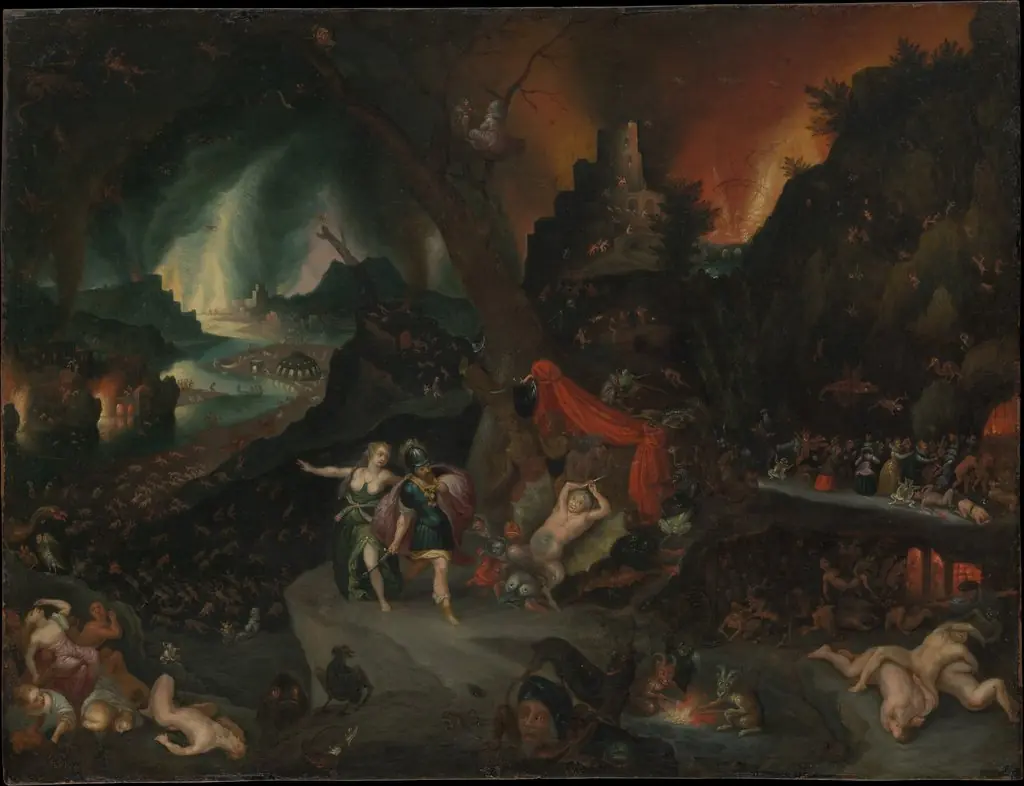
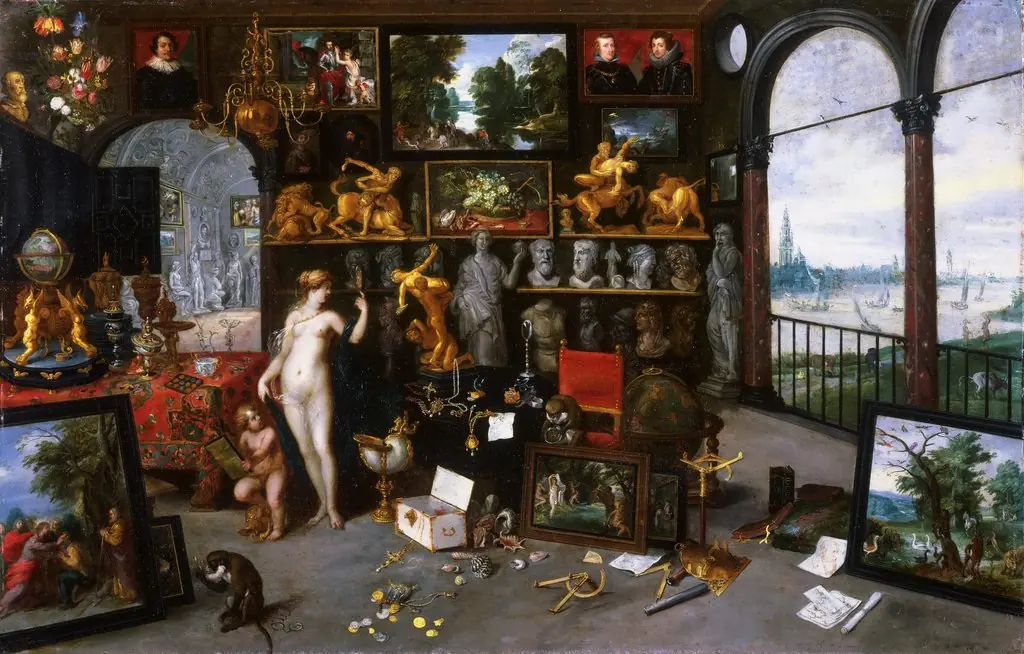
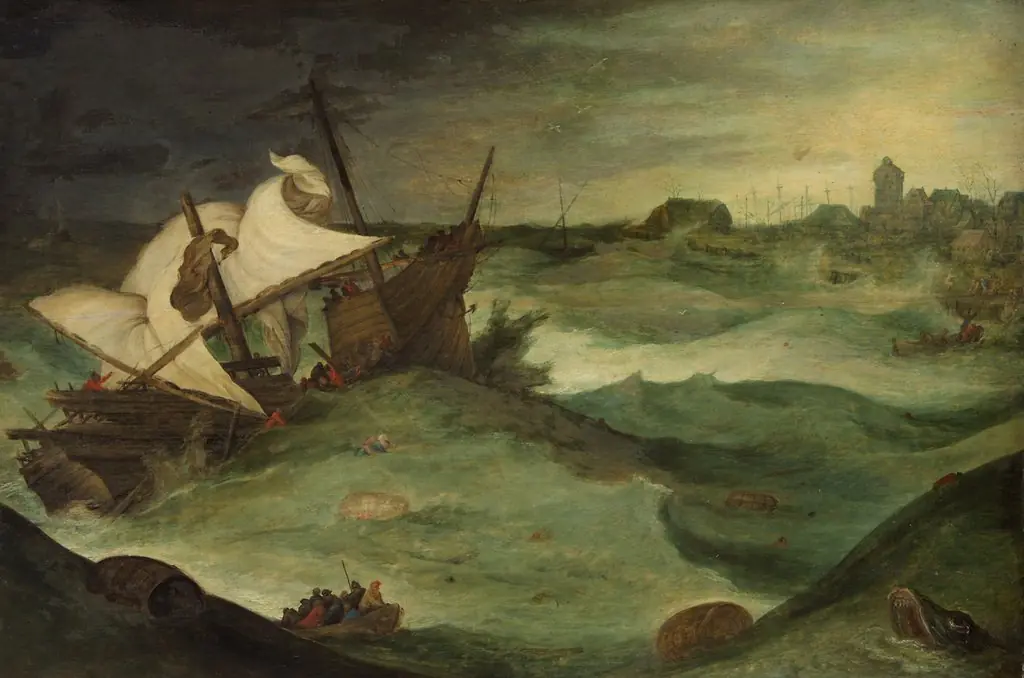
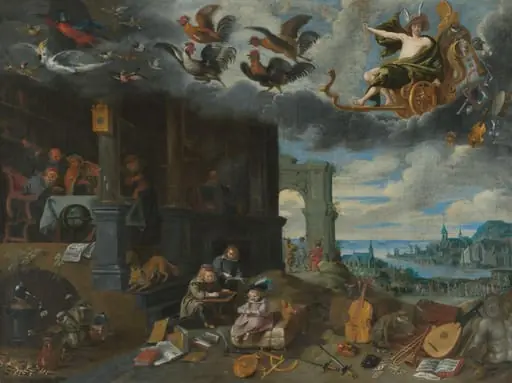
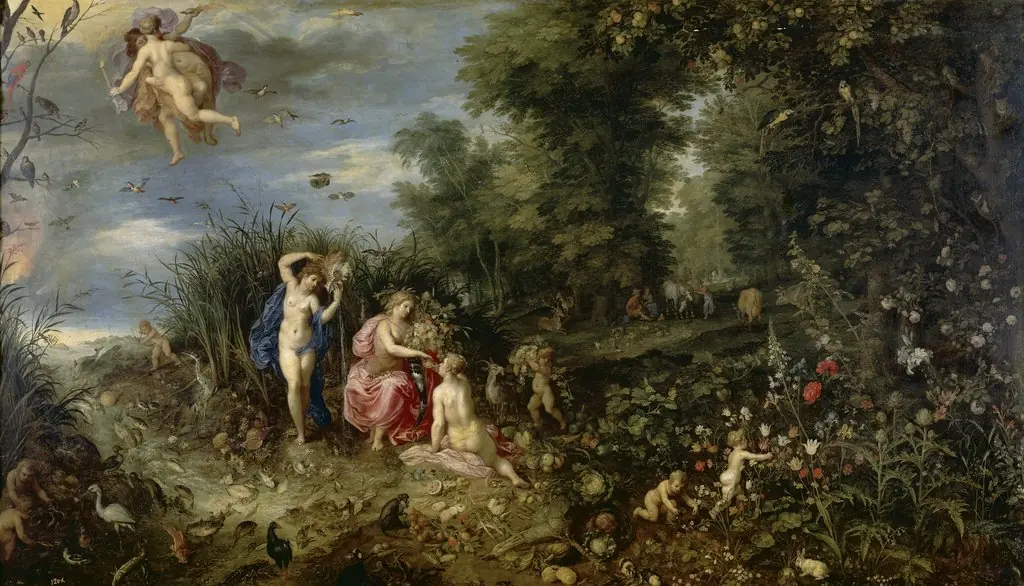
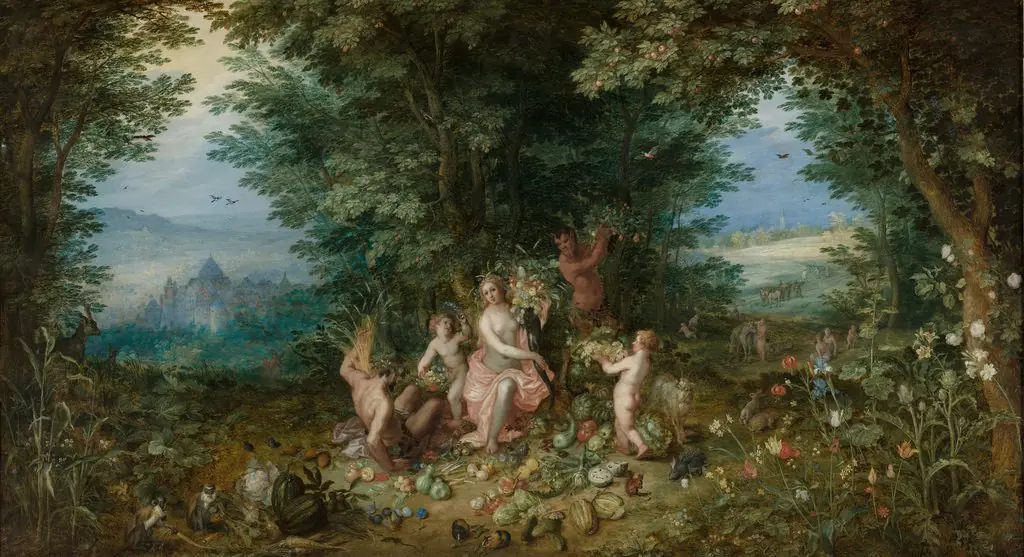
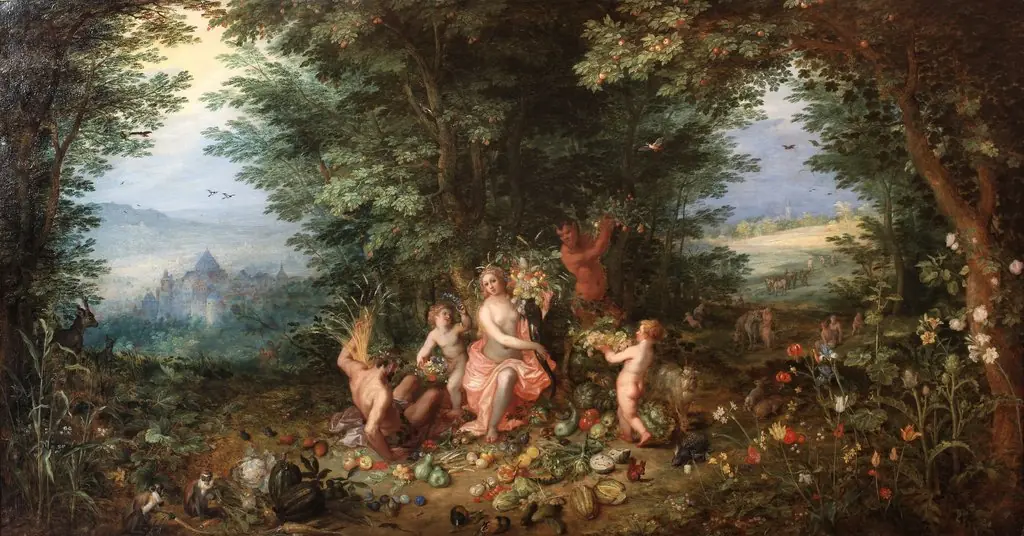
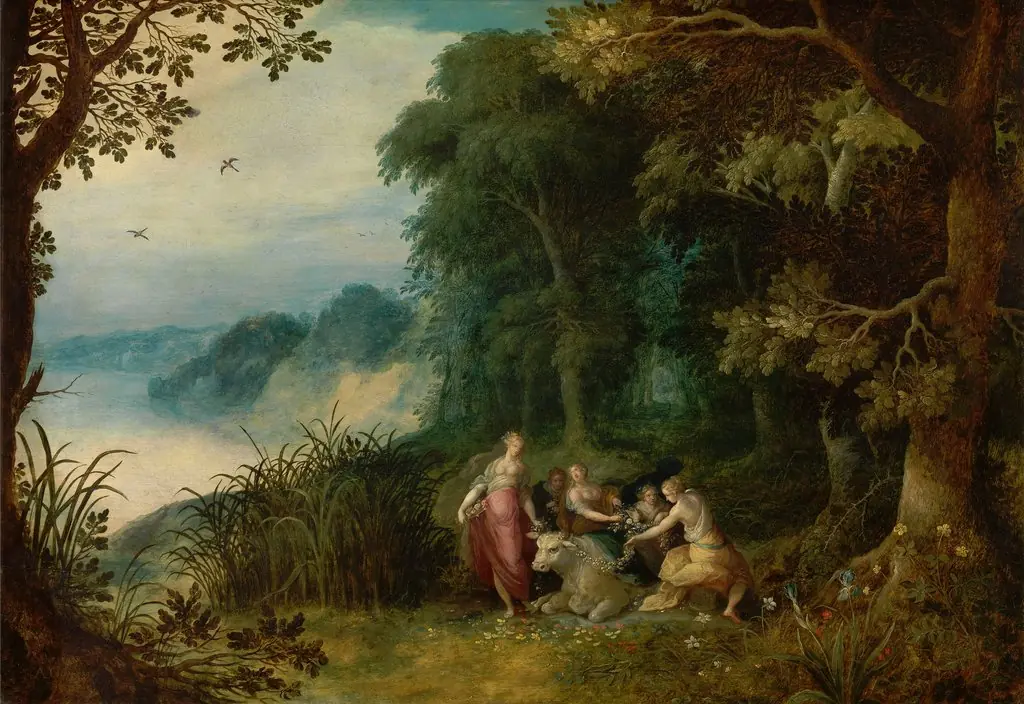
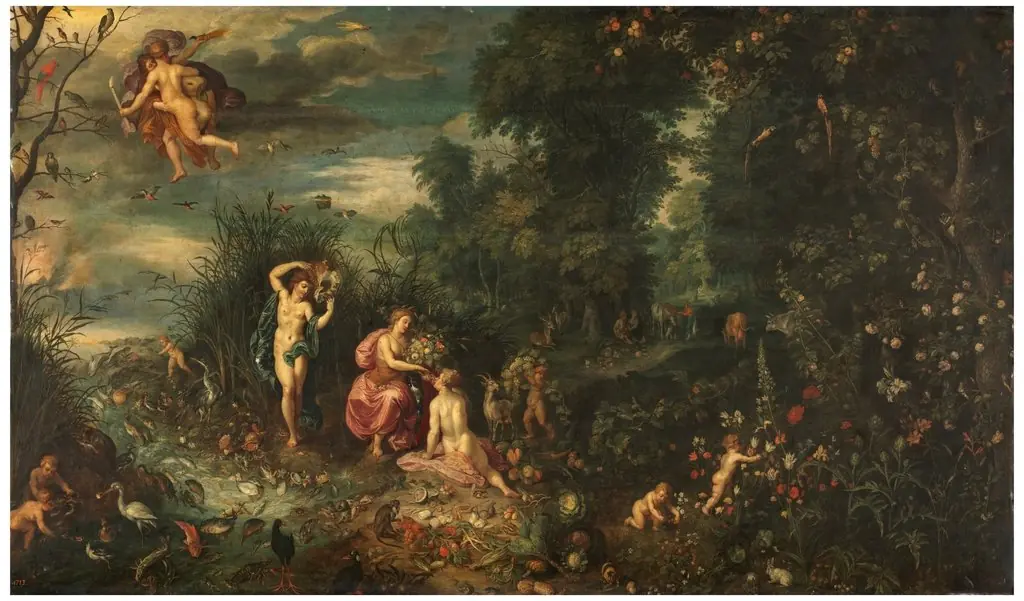
Landscape with Allegories of the Four Elements
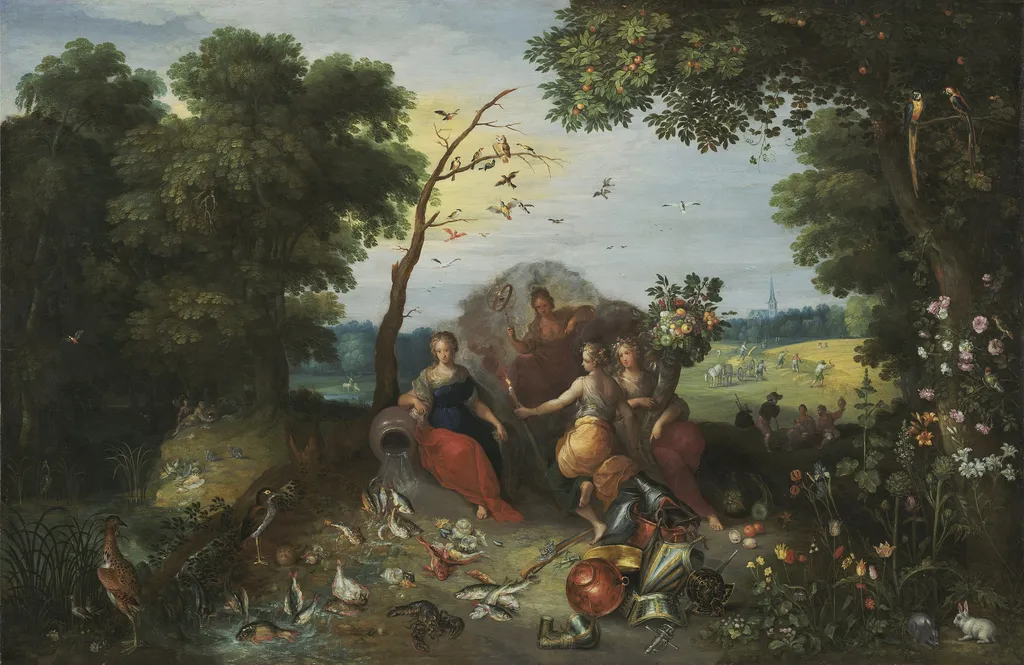
Landscape with Allegories of the Four Elements is an oil painting by the Flemish Baroque painting artist Jan Brueghel the Younger. It dates from 1635 and is held in the collection of the J. Paul Getty Museum.
About this work
This painting is called Landscape with Allegories of the Four Elements.
It was made by Jan Brueghel the Younger in 1635 using oil paint.
The artist likely put a lot of thought into the allegories, which are symbols that represent abstract ideas, in this case, the four elements.
You can learn more about this style by looking at the work of Jan Brueghel the Younger.
Overview
Landscape with Allegories of the Four Elements is a 1635 oil painting by Jan Brueghel the Younger, a Flemish Baroque artist. It is a landscape that incorporates symbolic figures representing the elements.
Subject & Meaning
The painting features a scenic landscape with allegorical representations of earth, air, fire, and water, symbolizing the four classical elements. These allegories convey abstract ideas through symbolic figures and objects.
Technique & Style
Executed in oil paint, the work exemplifies the Flemish Baroque style, characterized by detailed and realistic depictions of landscapes and scenes. The artist's technique reflects the influence of his father, Jan Brueghel the Elder.
History & Provenance
Created in 1635, the painting is now part of the J. Paul Getty Museum's collection. It demonstrates Jan Brueghel the Younger's continuation of his father's thematic and stylistic legacy.
Own this work as a print
Artist & collection
Artist
Jan Brueghel (also Bruegel or Breughel) the Younger ( BROY-gəl, US also BROO-gəl; Dutch: ; 13 September 1601 – 1 September 1678) was a Flemish Baroque painter.