Artwork
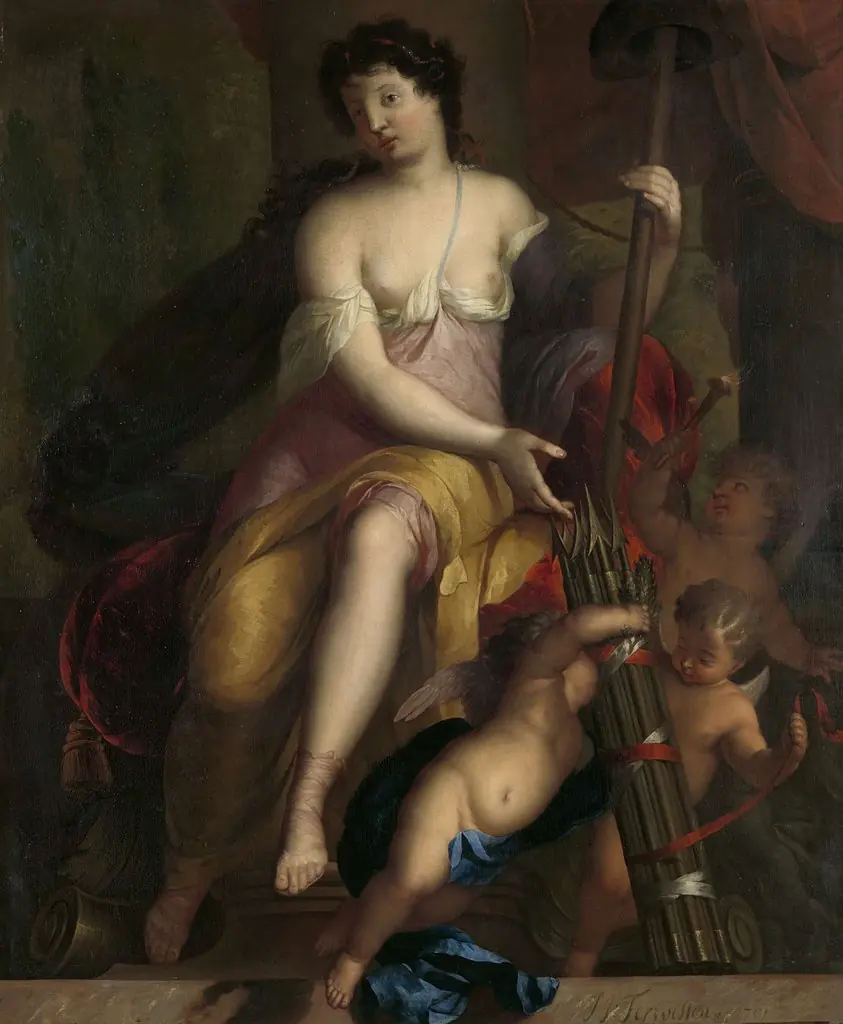
Allegory of Magnanimity
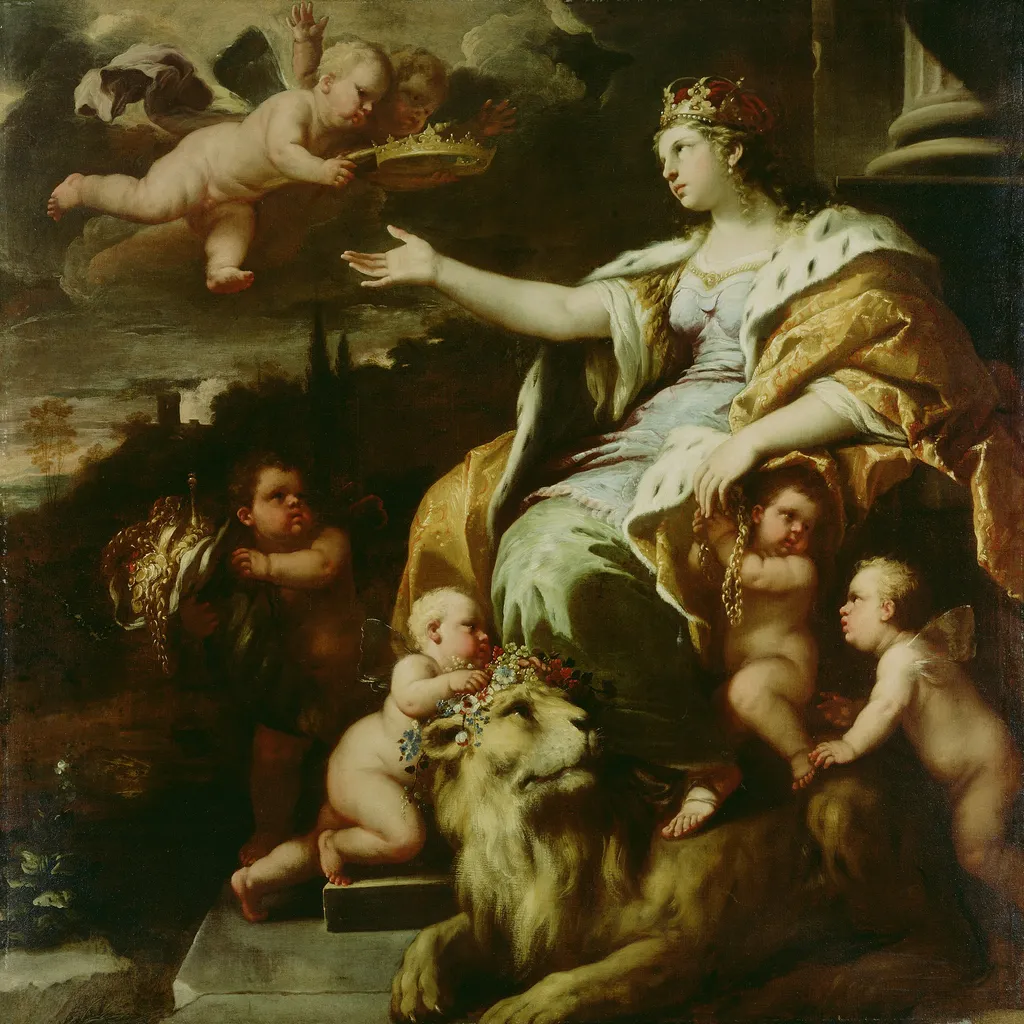
Allegory of Magnanimity is an oil painting by the Early Baroque Italian artist Luca Giordano. It dates from 1670 and is held in the collection of the J. Paul Getty Museum.
About this work
Overview
Created in 1670, the oil painting titled Allegory of Magnanimity is attributed to the Italian Baroque painter Luca Giordano. The work is part of the collection of the J. Paul Getty Museum, where it is displayed among the museum’s European paintings.
Subject & Meaning
The composition centers on a regal female figure seated on a throne, crowned and robed in luminous fabrics.
The composition centers on a regal female figure seated on a throne, crowned and robed in luminous fabrics. She extends her right arm outward, suggesting a gesture of bestowal. Around her, several cherubic figures engage in symbolic actions—one holds a crown, another toys with a chain, and a third hovers above, also bearing a crown—while a lion rests at her feet, reinforcing themes of authority and generosity.
Technique & Style
Giordano employs pronounced chiaroscuro, juxtaposing a dark, shadowed backdrop with the bright, saturated colors of the central figure and the surrounding angels. This contrast enhances the three‑dimensionality of the scene and draws the eye toward the illuminated throne and its occupants, a hallmark of the dramatic Baroque aesthetic.
History & Provenance
Since its completion in the late seventeenth century, the painting has passed through various private collections before entering the Getty Museum’s holdings. Documentation confirms its attribution to Giordano and its dating to 1670, situating it within the artist’s mature period.
Own this work as a print
Artist & collection

Artist
Luca Giordano was an Italian late-Baroque painter and printmaker in etching. Giordano was one of the most celebrated artists of the Neapolitan Baroque, whose vast output included altarpieces, mythological paintings and…

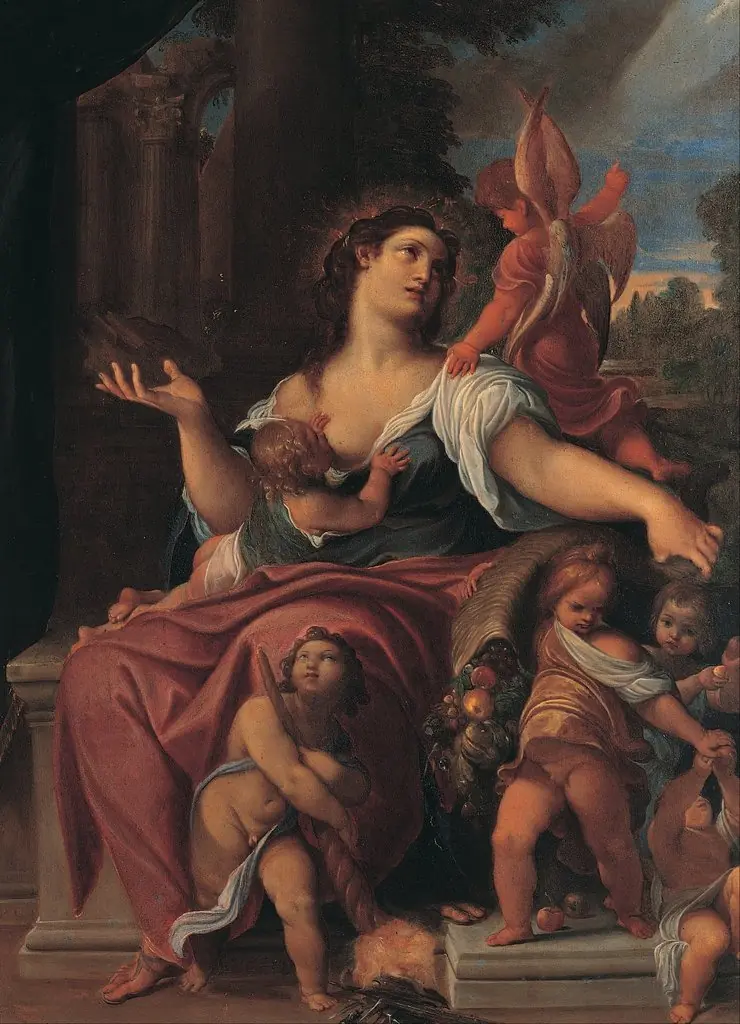 Allegory of Providence
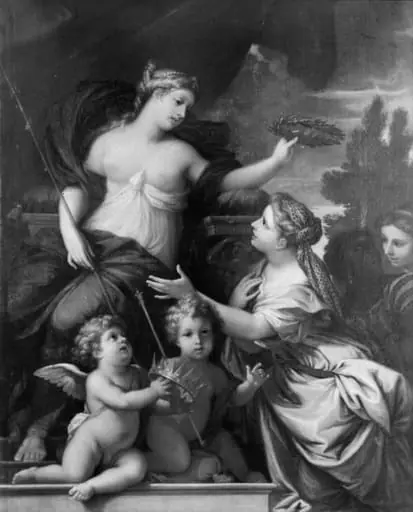 Queen Christina Crowned with Laurels by Wisdom
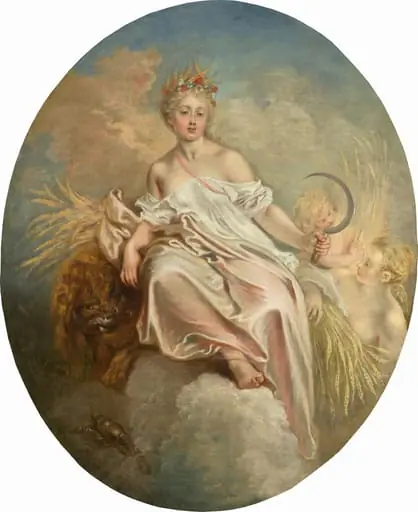 Ceres (Summer)
 The angel appears to Hagar in the desert
 Untitled
 Prosperity
 Allegori över konung Karl XI:s fredliga regeringr
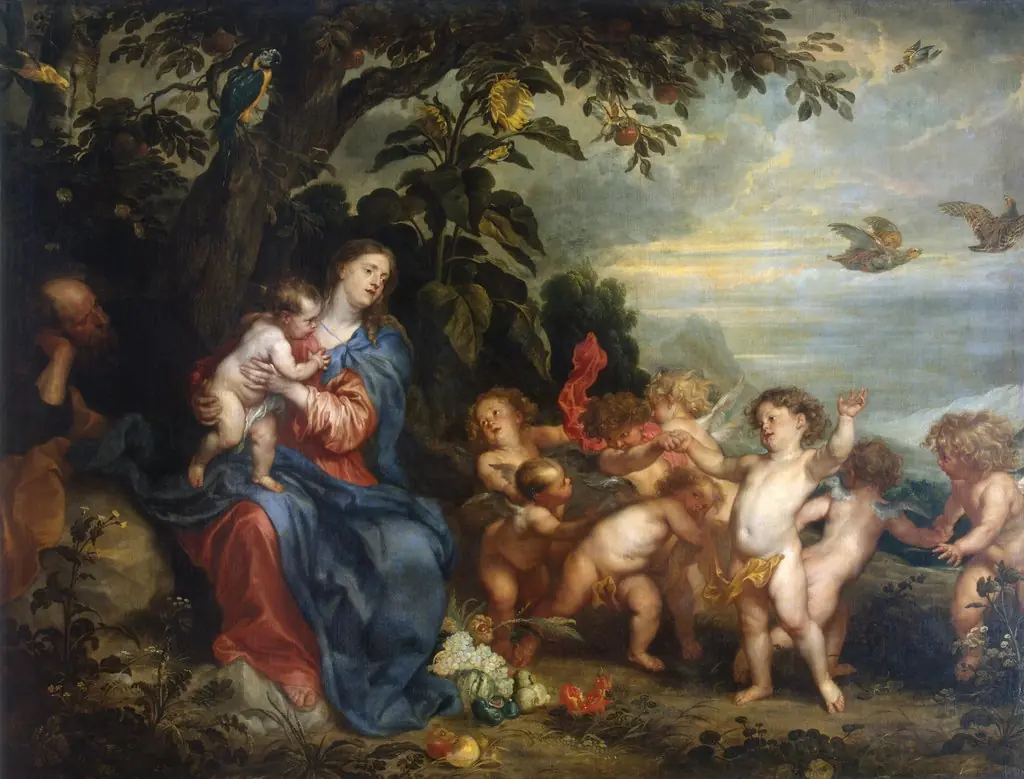 Rest on the Flight into Egypt (Madonna with Partridges)
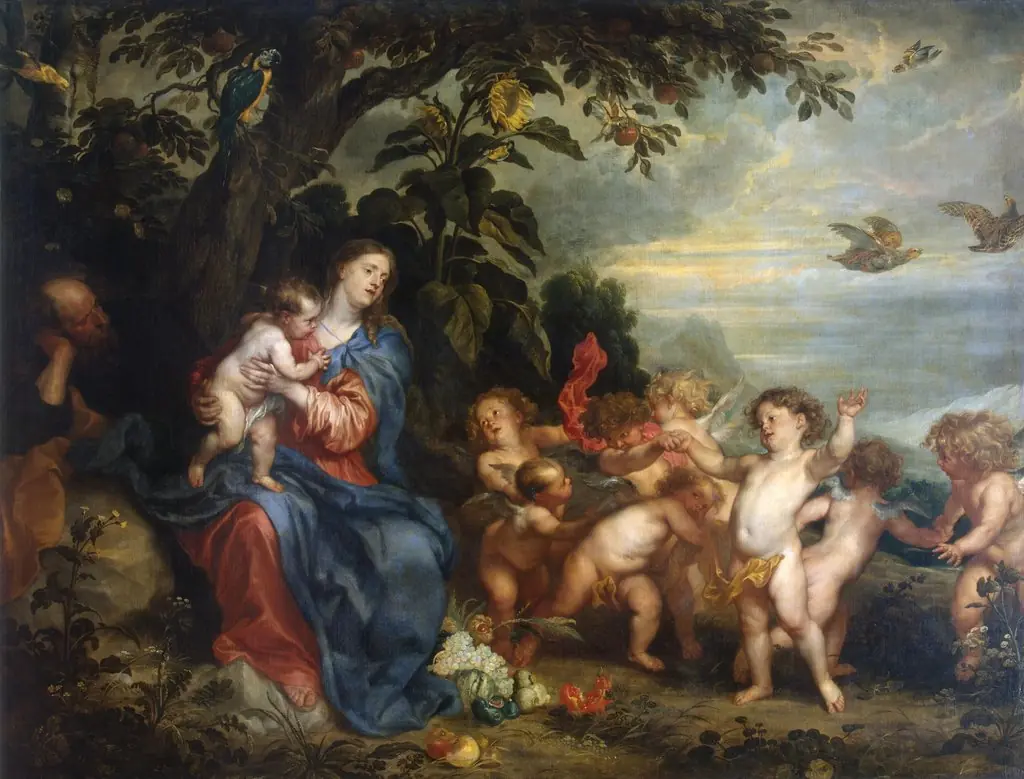 Madonna with Partridges
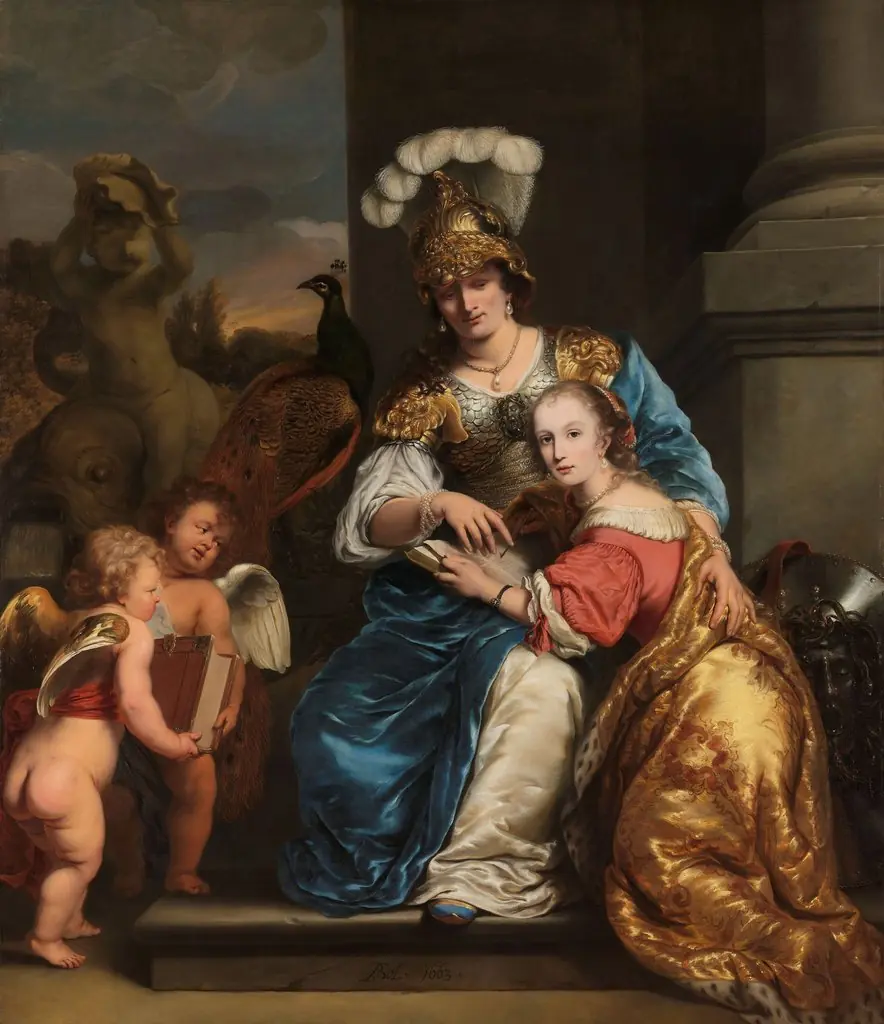 Margarita Trip as Minerva, Instructing her Sister Anna Maria Trip
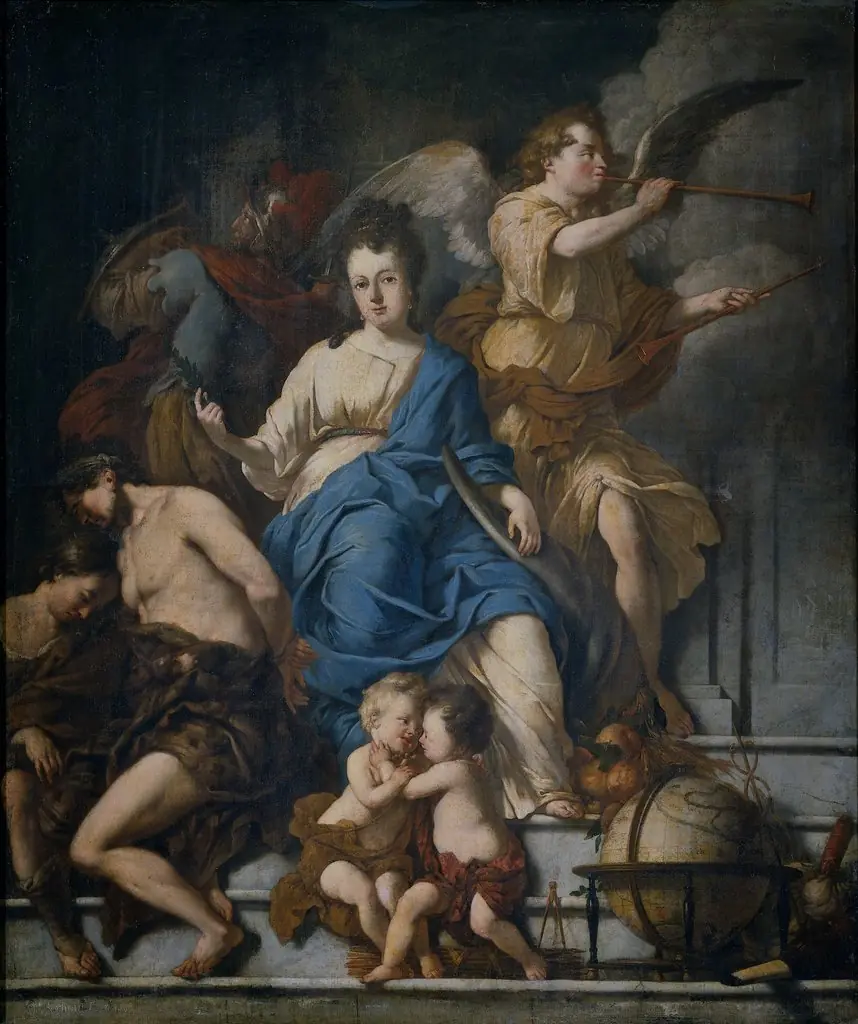 Allegory of the Treaty of Rijswijk, 1697
 Allegory of Freedom