Artwork
Lepeintre Ainé
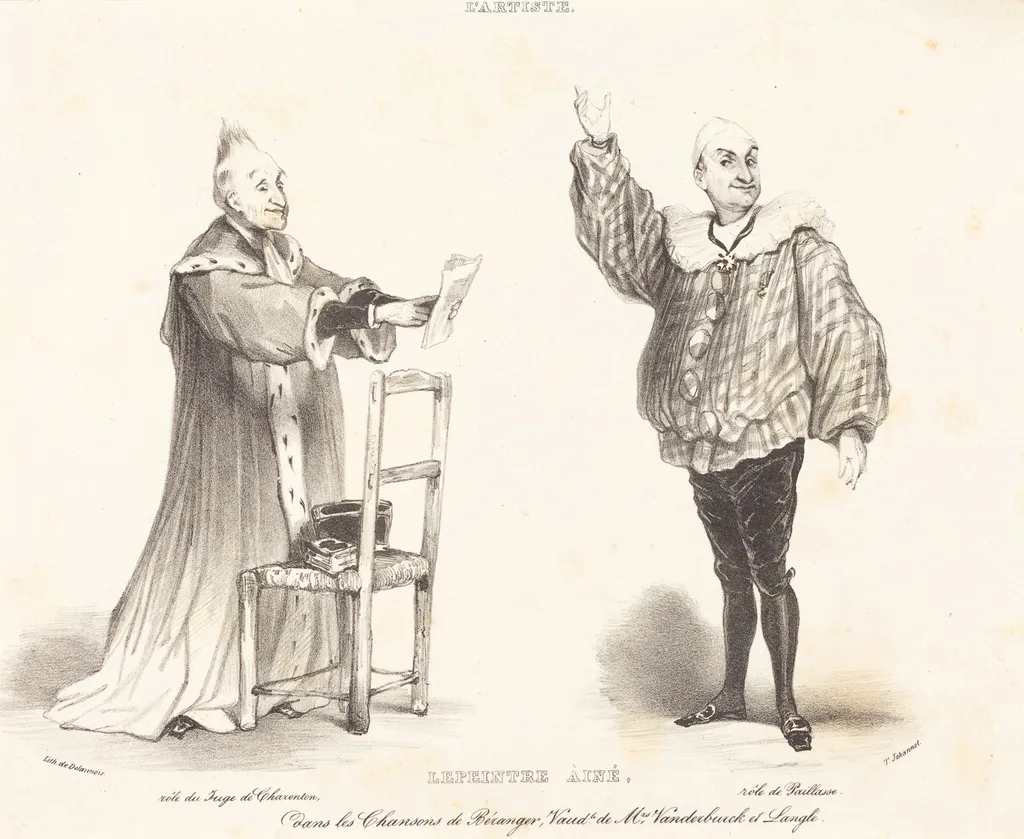
Lepeintre Ainé is an ink print by the Romanticist artist Tony Johannot. It dates from 1831 and is held in the collection of the National Gallery of Art.
About this work
Overview
Tony Johannot’s lithograph *Lepeintre Ainé*, produced in 1831, depicts a theatrical scene rendered in a single sheet of wove paper. The composition features two male figures in a modest interior, their gestures and attire suggesting a moment of dialogue or argument. The work is signed by the artist in the lower corner, and a caption identifies the source as the play *Les Chansons de Béranger*.
Subject & Meaning
The left figure, clothed in a long black robe and a high white wig, holds a sheet of paper, implying a scholarly or authorial role. Opposite him, a man in a striped coat, black trousers, and a ruffled collar gestures emphatically, as if delivering a point in the drama. The exaggerated facial features lend a caricatural tone, hinting at satire or comic commentary within the theatrical context.
Technique & Style
Executed as a lithograph, the image was drawn directly onto a limestone surface with greasy ink before being transferred to wove paper.
Executed as a lithograph, the image was drawn directly onto a limestone surface with greasy ink before being transferred to wove paper. Johannot’s line work combines precise contouring with loose, expressive strokes, achieving a balance between detailed costume rendering and the fluidity of the figures’ movements. The use of stark contrasts and minimal shading emphasizes the theatrical lighting and the exaggerated expressions.
History & Provenance
Created in the early 1830s, the print aligns with Johannot’s prolific output of theatrical and literary illustrations for Parisian publications. It was likely issued as a promotional or decorative sheet for performances of *Les Chansons de Béranger*, a popular melodrama of the period. The work has since entered public collections, documented in catalogues of 19th‑century French lithography.
Context
The early nineteenth century saw a surge in illustrated ephemera linked to the burgeoning theatre scene in France. Lithography offered a rapid, reproducible means to disseminate images of actors, costumes, and scenes to a growing audience. Johannot, a leading illustrator of his day, frequently supplied such visual material, bridging the worlds of fine art and popular entertainment.
Artist & collection


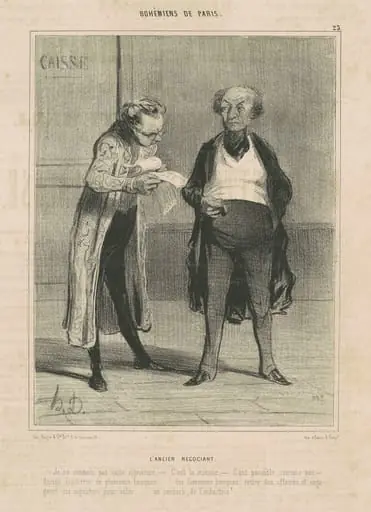 L'ancien négociant
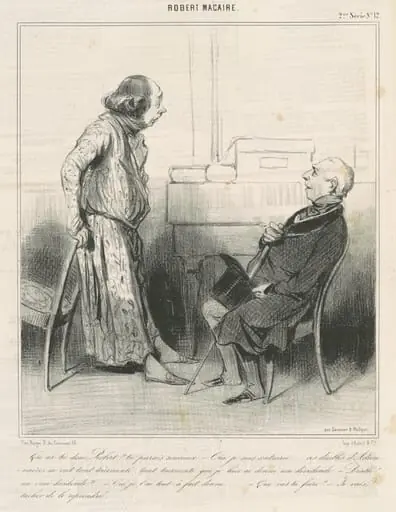 Qu'as-tu donc, Robert? ...
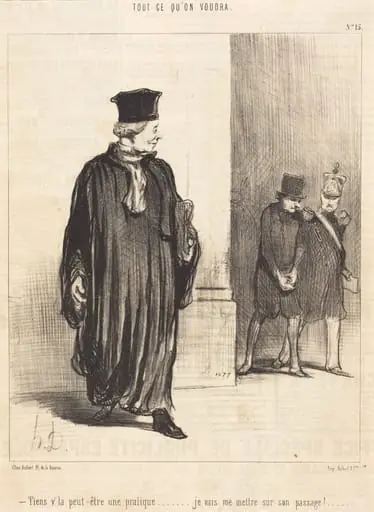 Tiens v'la peut-etre une pratique
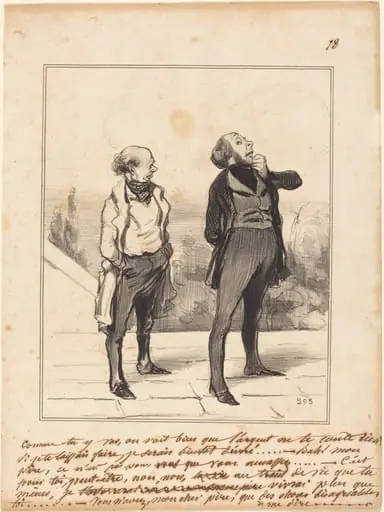 Comme tu y vas...
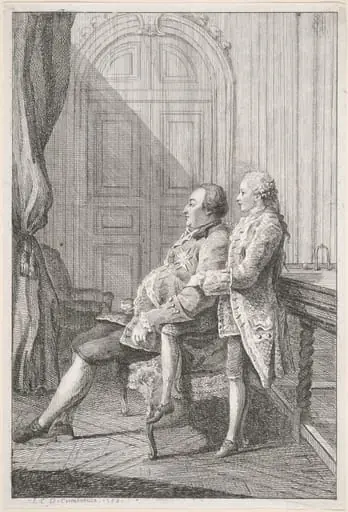 Louis-Philippe, Duc d'Orléans, and His Son, Louis-Phillipe Joseph, Duc de Chartres
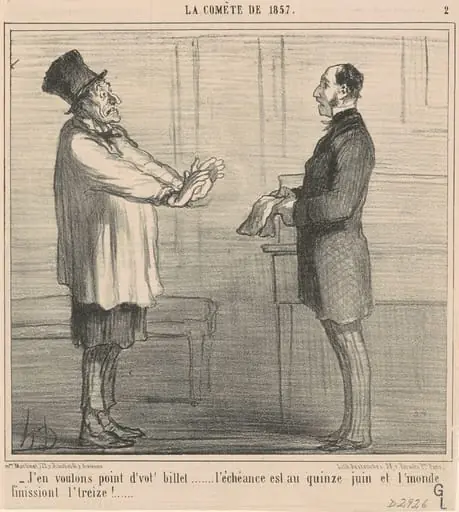 J'en voulons point d'vot' billet ...
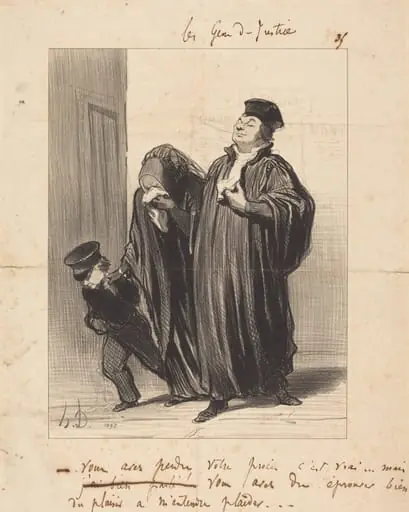 Vous avez perdu votre procès c'est vrai...
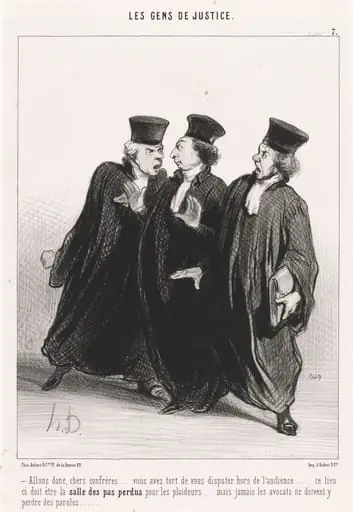 Allons donc, chers confrères...
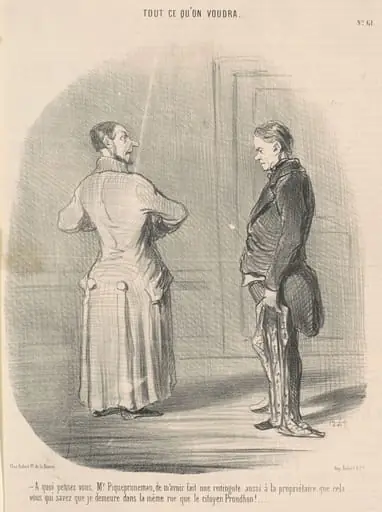 A quoi pensez-vous, M. Piquepruneman, de m'avoir ...
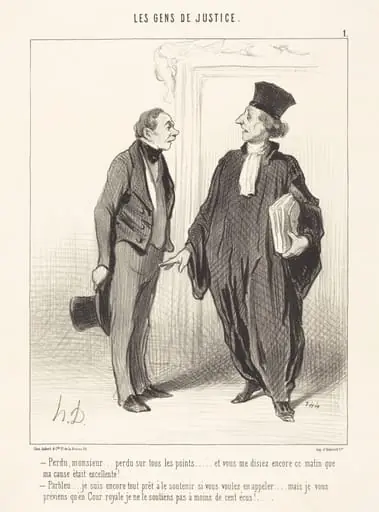 Perdu, monsieur... perdu sur tous les points...
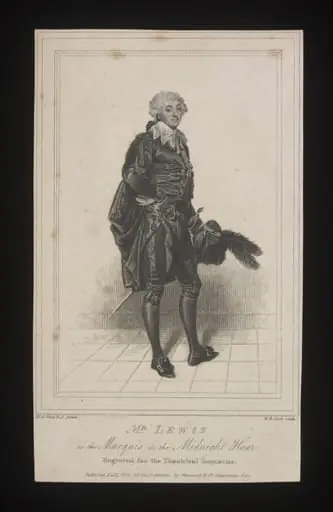 Mr. Lewis as the Marquis in the Midnight Hour
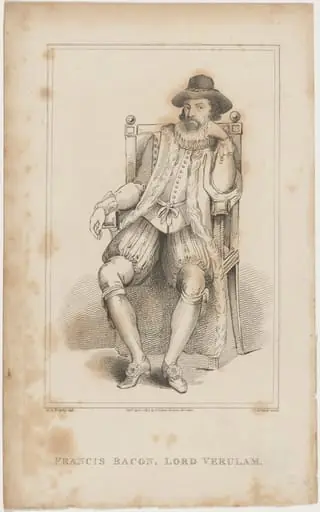 Francis Bacon, Lord Verulam