Artwork
Copy of painting inside the caves of Ajanta (cave 1)
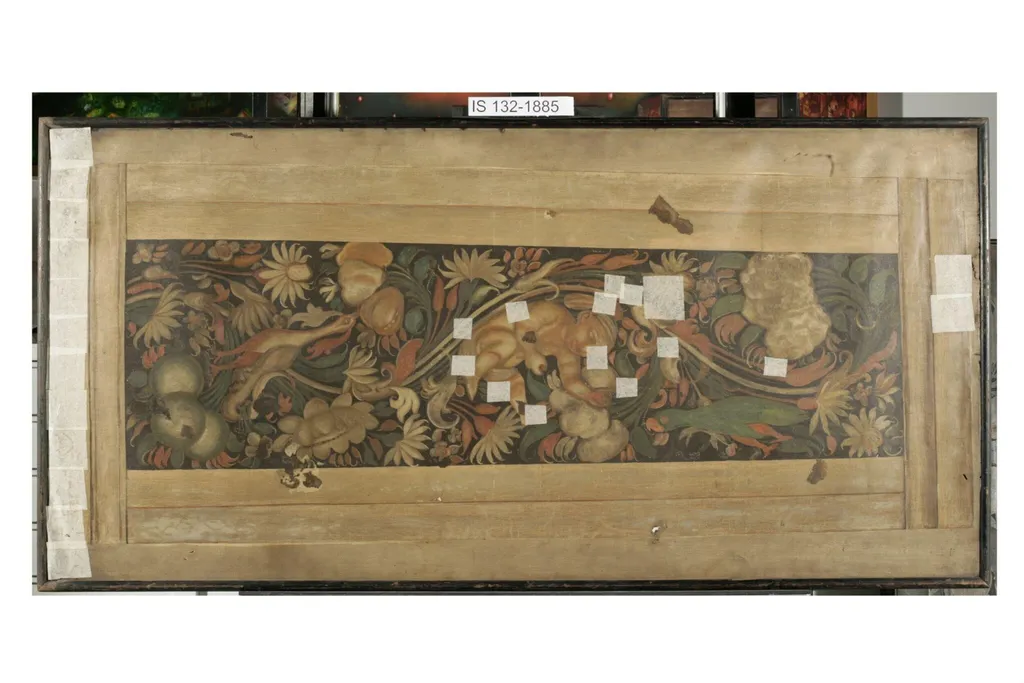
Copy of painting inside the caves of Ajanta (cave 1) is an oil painting by the British Romanticist artist John Griffiths. It dates from 1872 and is held in the collection of the Victoria and Albert Museum. This oil painting reproduces a ceiling scene from Cave 1 of the Ajanta rock‑cut monastery in western India.
About this work
It shows a flying figure with delicate curls and draped robes, outlined in faded red against a tan background.
This painting copies a ceiling scene from India’s Ajanta caves. It shows a flying figure with delicate curls and draped robes, outlined in faded red against a tan background. The white patches mark fragile areas needing care.
John Griffiths made this in 1872–73. He copied Ajanta’s ancient murals when they were new to the world. Most of Major Robert Gill’s earlier copies were lost in a fire.
See how the light plays on the figure’s edges. It feels softer than the original stone surface. Look up the Victoria and Albert Museum to find where this copy now lives.
Overview
This oil painting reproduces a ceiling scene from Cave 1 of the Ajanta rock‑cut monastery in western India. Executed in the early 1870s, it presents a solitary, airborne figure with curled hair and flowing robes, rendered in faint red outlines against a muted tan field. White patches indicate sections of the surface that are fragile and require conservation.
Subject & Meaning
The depicted figure belongs to a narrative cycle common in Ajanta’s Buddhist murals, where celestial beings descend or ascend within a mythic landscape. The delicate curls and draped garments convey a sense of movement and spiritual elevation, reflecting the original frescoes’ role in illustrating Jataka tales and Buddhist cosmology.
Technique & Style
Created with oil on canvas, the copy translates the original stone fresco technique into a portable medium. The artist employed a limited palette, emphasizing line work in a faded vermilion hue while preserving the original’s tonal subtleties. The soft modeling of light on the figure’s edges differs from the harsher illumination of the cave’s stone surface.
History & Provenance
The work is one of roughly three hundred copies produced between 1872 and 1885 by John Griffiths of the Bombay School of Art and his Indian apprentices. Their winter residencies at Ajanta were intended to document the murals after earlier copies by Major Robert Gill were largely lost in an 1866 fire. The painting now belongs to the collection of the Victoria and Albert Museum.
Context
Ajanta’s murals, dating from the 1st century BC to about AD 480, are the oldest surviving Indian paintings. The caves were rediscovered in 1819, prompting a wave of scholarly interest and efforts to preserve their visual record. Griffiths’s copies represent a pivotal moment when Western and Indian artists collaborated to safeguard this heritage for future study.
Legacy
Although the original frescoes remain the primary source of Buddhist art history, Griffiths’s reproductions have served as valuable references for scholars, especially after the loss of Gill’s earlier work. The copies continue to inform conservation practices and provide insight into 19th‑century approaches to documenting non‑European artistic traditions.
Artist & collection
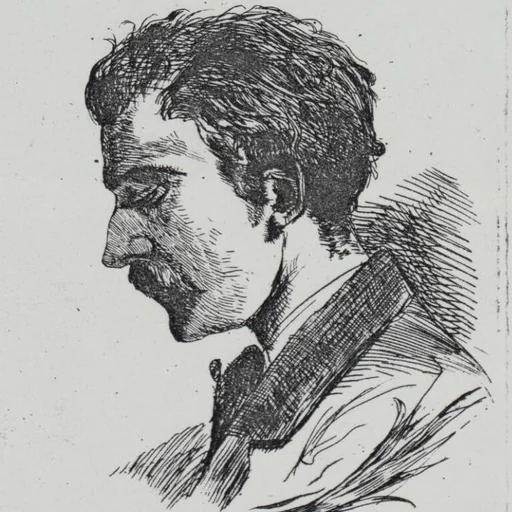
Artist
John Griffiths (29 November 1837 – 1 December 1918) was a Welsh artist who worked in India, noted for his Orientalist works.

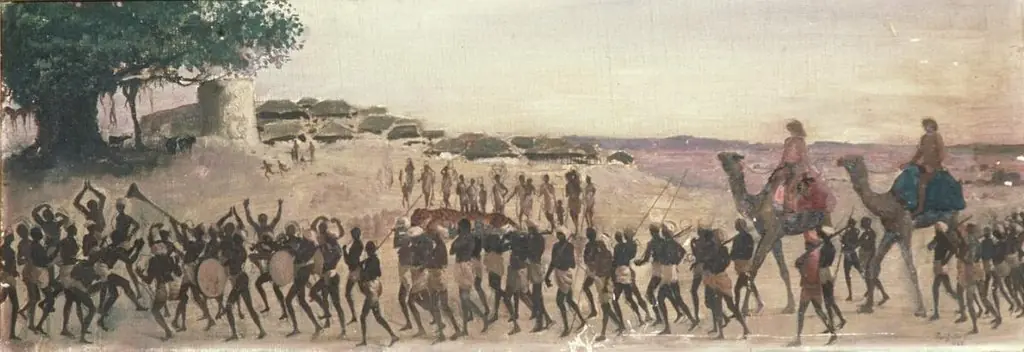 Tiger shooting in East Berar
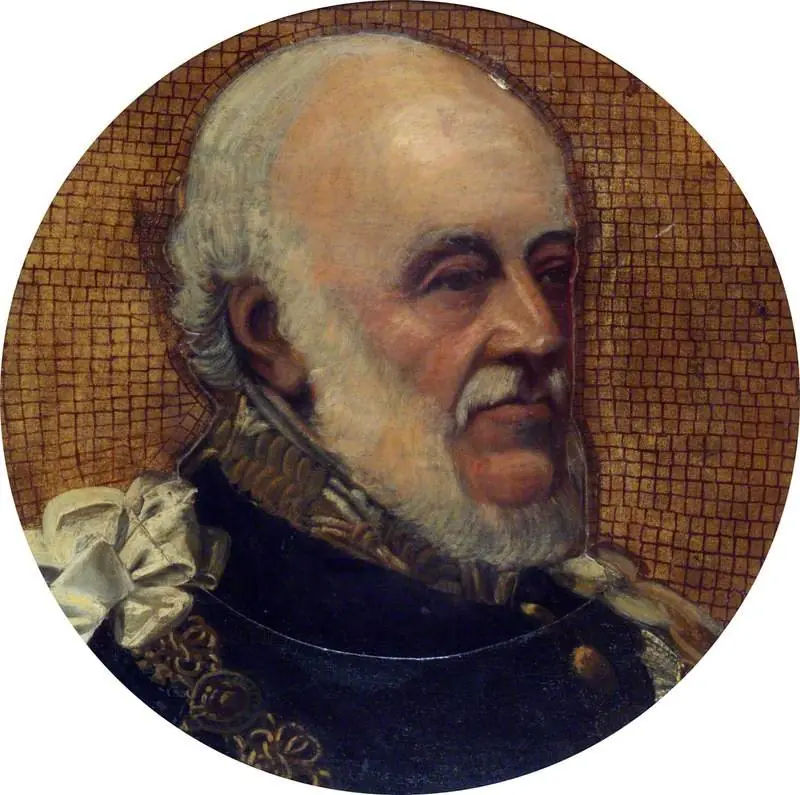 The Marquis of Salisbury (1791–1868)
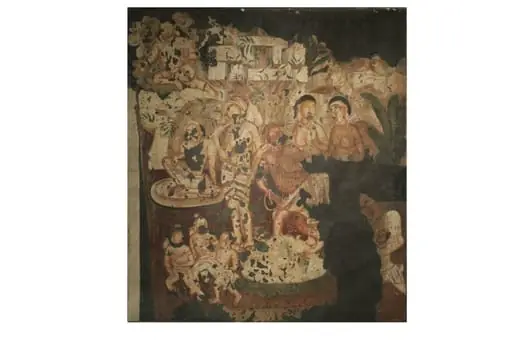 Copy of painting inside the caves of Ajanta (Cave 2)
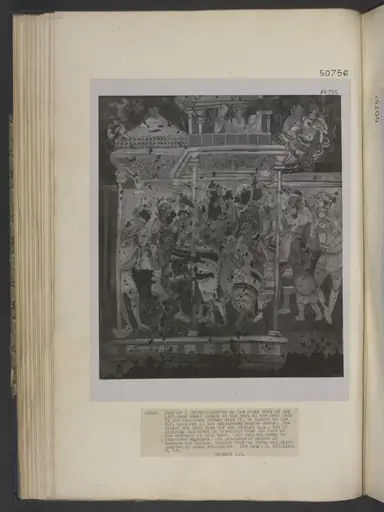 Copy of painting in the caves of Ajanta (cave 2)
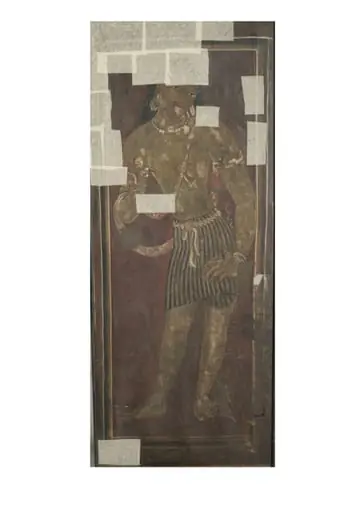 Copy of painting in the caves of Ajanta (cave 17)
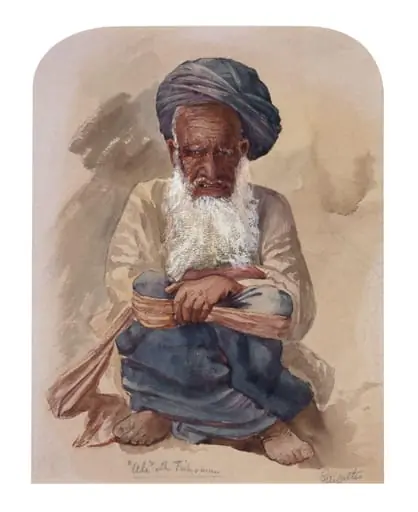 Ali the fisherman
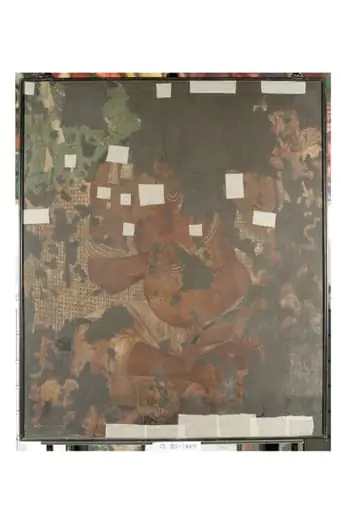 Copy of painting inside the caves of Ajanta (cave 16)
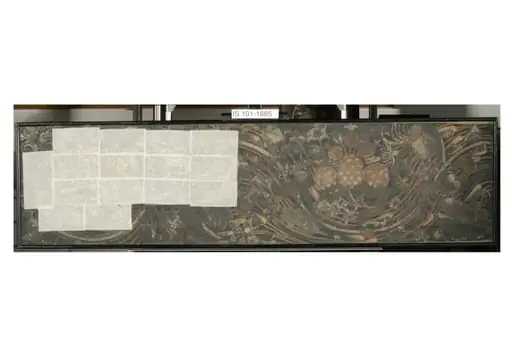 Copy of painting inside the caves of Ajanta (Cave 9)
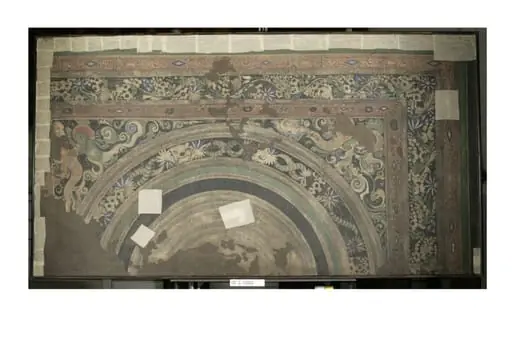 Copy of painting inside the caves of Ajanta (cave 21)
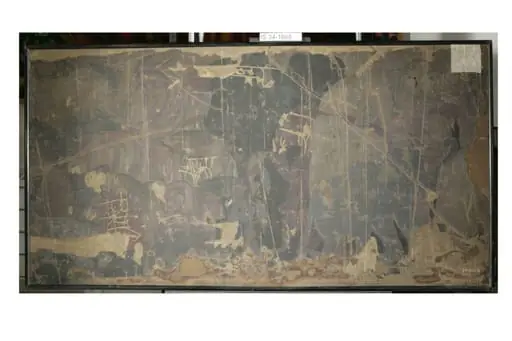 Copy of painting inside the caves of Ajanta (cave 10)
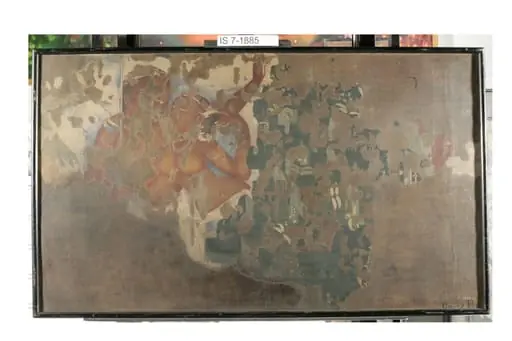 Copy of painting inside the caves of Ajanta (cave 2)
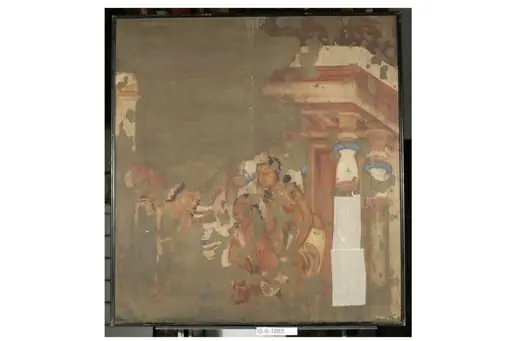 Copy of painting inside the caves of Ajanta (Cave 1)
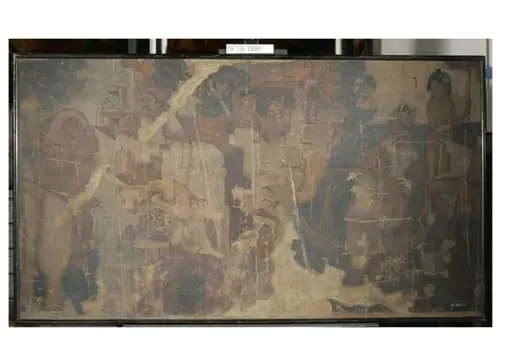 Copy of painting inside the Ajanta caves (cave 10)
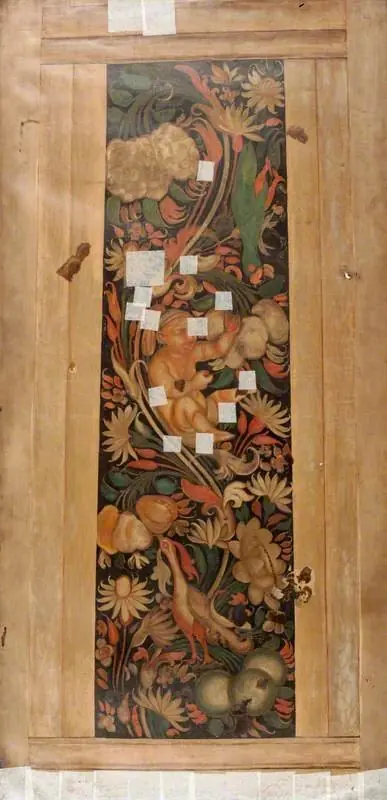 Copy of Painting inside the Caves of Ajanta (cave 1)
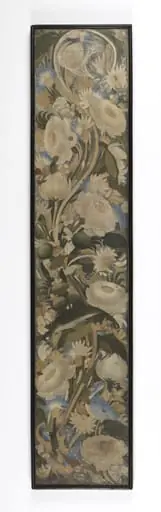 Copy of painting inside the caves of Ajanta (Cave 2)
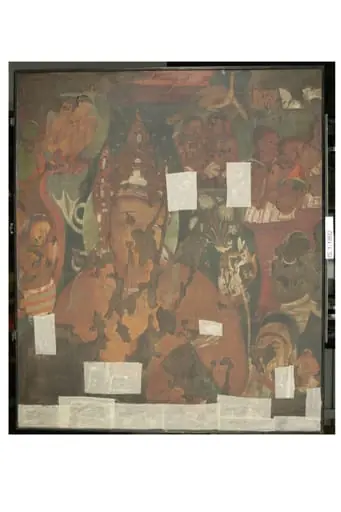 Copy of painting inside the caves of Ajanta (cave 11)
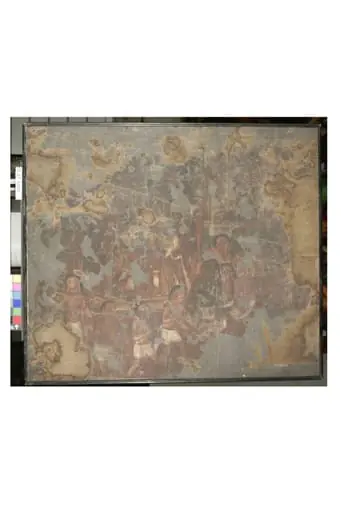 Copy of painting inside the caves of Ajanta (cave 17)