Artwork
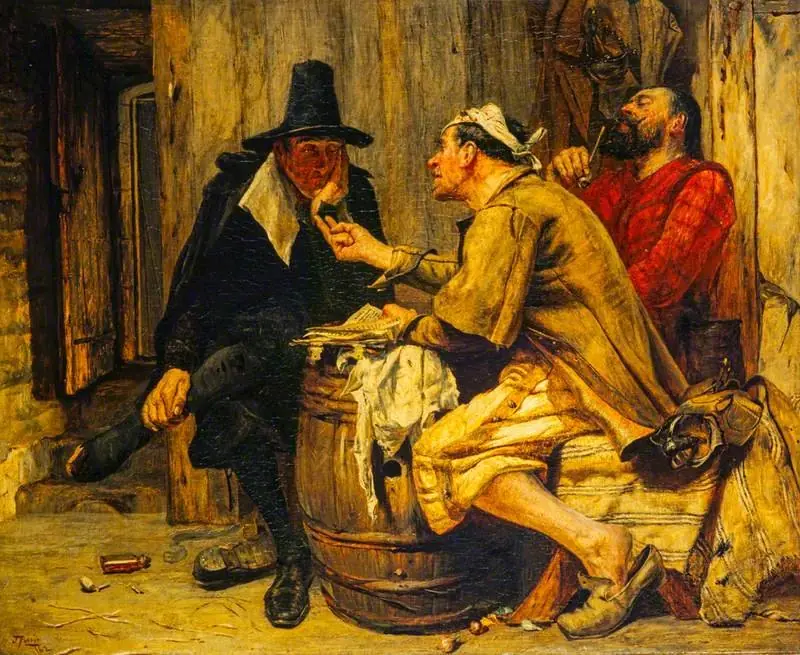
The Gambler's Victim
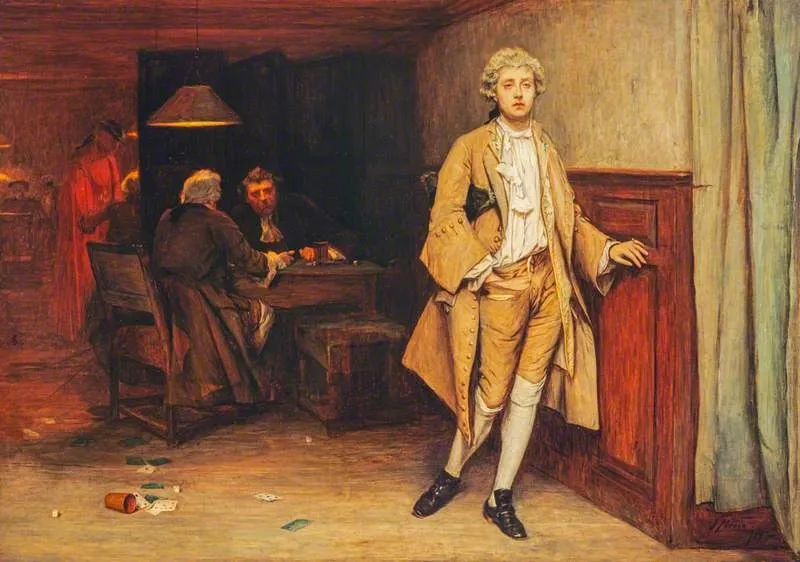
The Gambler's Victim is an oil painting by the British Romanticist artist John Pettie. It dates from 1869 and is held in the collection of the National Galleries Scotland.
About this work
Overview
Painted in 1869 by Scottish artist John Pettie, *The Gambler's Victim* is an oil-on-canvas work that captures a moment of quiet aftermath in a gambling den.
Painted in 1869 by Scottish artist John Pettie, *The Gambler's Victim* is an oil-on-canvas work that captures a moment of quiet aftermath in a gambling den. Pettie, who became a Royal Academician in 1874, specialized in narrative scenes drawn from contemporary moral dilemmas. This piece reflects his interest in psychological tension and social consequence, rendered with careful attention to atmosphere and gesture rather than overt drama.
Subject & Meaning
The painting centers on a solitary man in a tan coat, standing still amid the remnants of a card game. His posture suggests resignation or shock, contrasting with the three figures seated at a nearby table, one standing behind them. Scattered cards and a tipped cup imply a recent, volatile event. The scene evokes moral reckoning — the victim of chance, perhaps ruined or betrayed — without specifying the exact narrative, leaving interpretation open to the viewer’s sense of consequence.
Technique & Style
Pettie employs chiaroscuro to heighten the emotional gravity of the scene. A single hanging lamp casts sharp contrasts between the dimly lit room and the illuminated figures, drawing focus to the central man’s stillness. The dark background isolates him visually, while the textured rendering of fabric and wood adds tactile realism. Brushwork is controlled, avoiding theatricality; the mood arises from restraint, not spectacle.
History & Provenance
Created during Pettie’s early career in London, the painting emerged after his election as an associate of the Royal Academy in 1866. It reflects the period’s interest in moralizing genre scenes, common among British artists responding to industrial-era social anxieties. While its early ownership is undocumented, the work remained within Pettie’s circle of exhibited pieces, aligning with his broader thematic concerns in the 1860s and 1870s.
Context
In mid-Victorian Britain, gambling was a subject of public concern, often linked to class vulnerability and moral decay. Pettie’s work participated in a broader artistic trend that depicted the consequences of vice, influenced by literary realism and social reform movements. Unlike sensationalist depictions, his approach emphasized psychological weight over melodrama, resonating with audiences attuned to subtle moral narratives.
Legacy
Though less widely known today than some of his contemporaries, Pettie’s *The Gambler's Victim* exemplifies the quiet power of narrative painting in 19th-century Britain. Its restrained composition and psychological depth influenced later genre painters who favored introspection over spectacle. The work remains a quiet testament to the era’s preoccupation with personal accountability and the invisible costs of vice.
Artist & collection
Artist
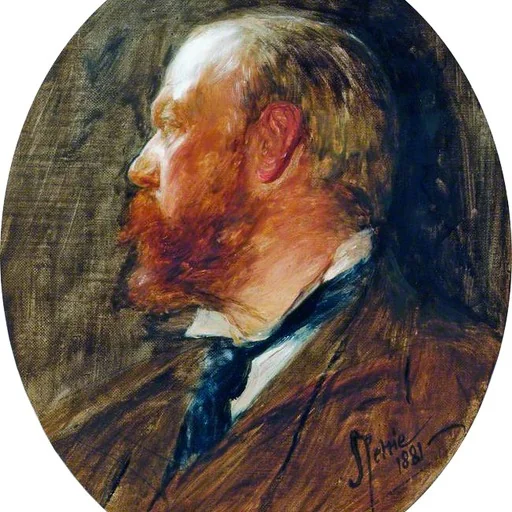
John Pettie (17 March 1839 – 21 February 1893) was a Scottish painter from Edinburgh who spent most of his career in London.

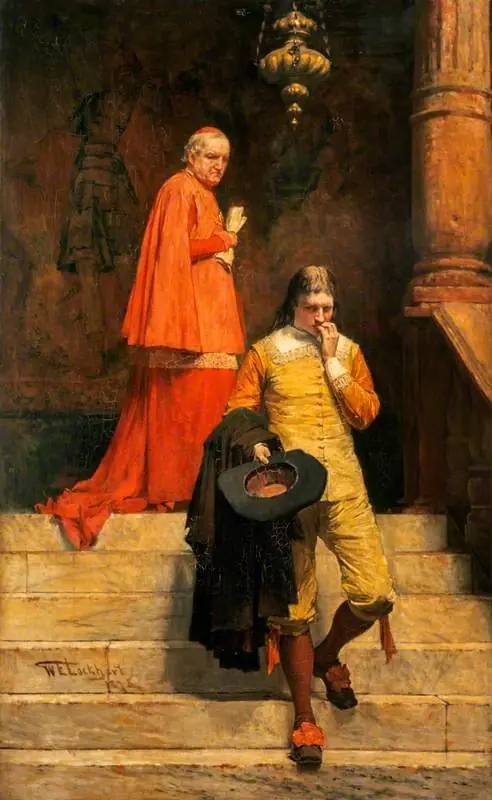 Gil Blas and the Archbishop of Granada (from Lesage's 'The Adventures of Gil Blas de Santillane')
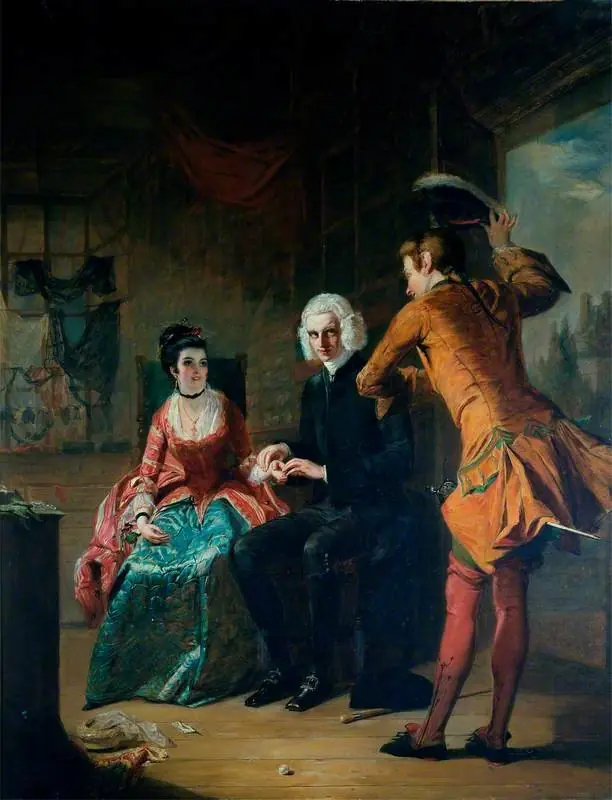 Scene from Laurence Sterne's 'A Sentimental Journey'
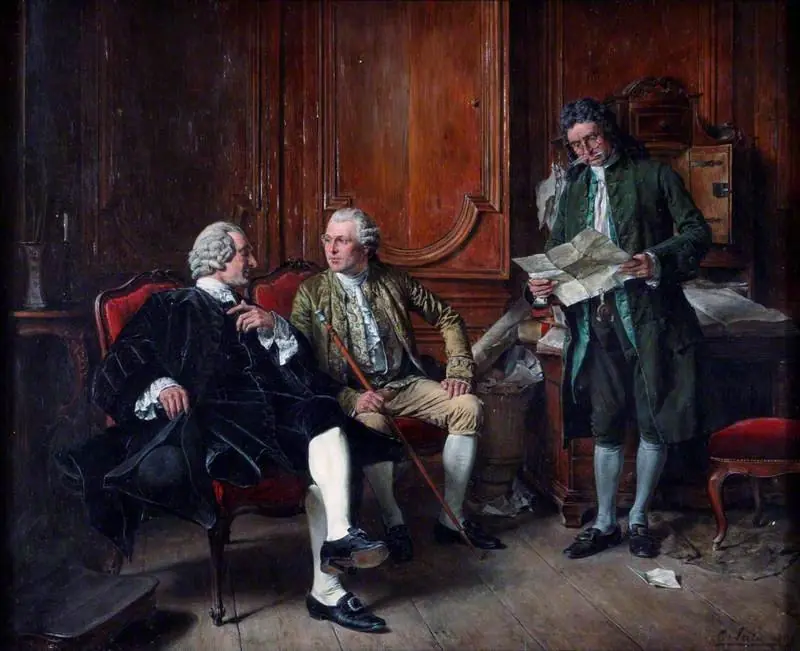 Conversation Piece: Three Men in Eighteenth-Century Costume
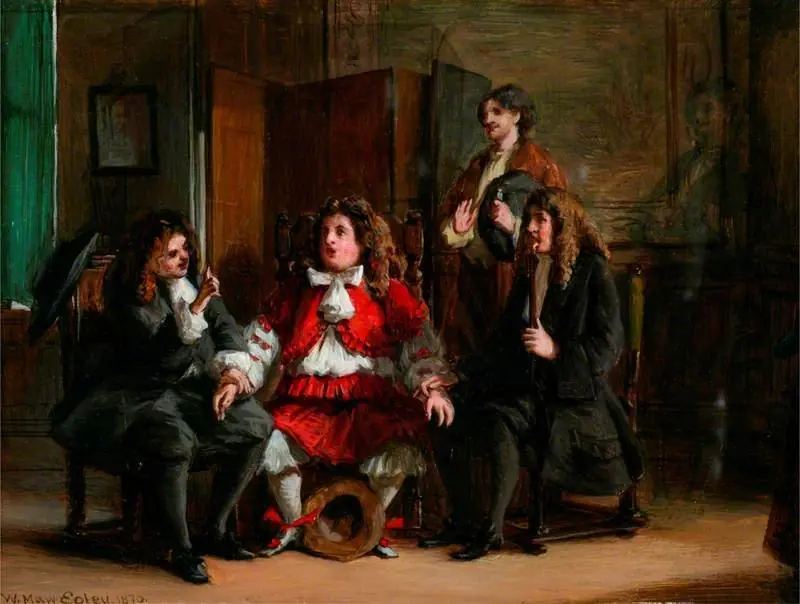 Scene from Molière's 'Monsieur de Pourceaugnac'
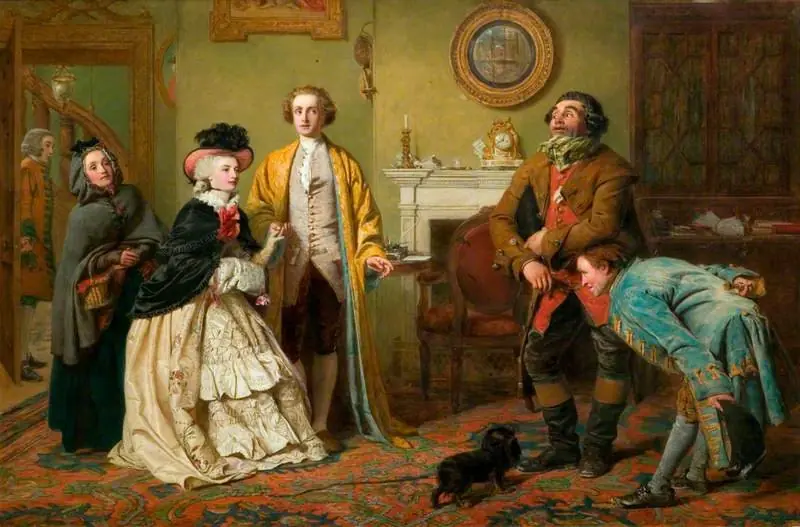 Mr Honeywood Introduces the Bailiffs to Miss Richland as His Friends (from Oliver Goldsmith's 'The Good-Natured Man', Act III, Scene 1)
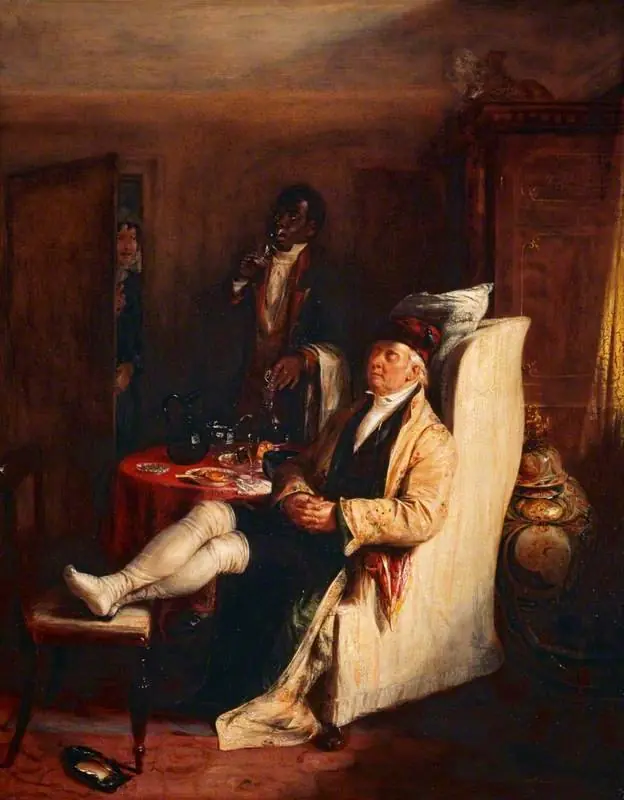 Indulging
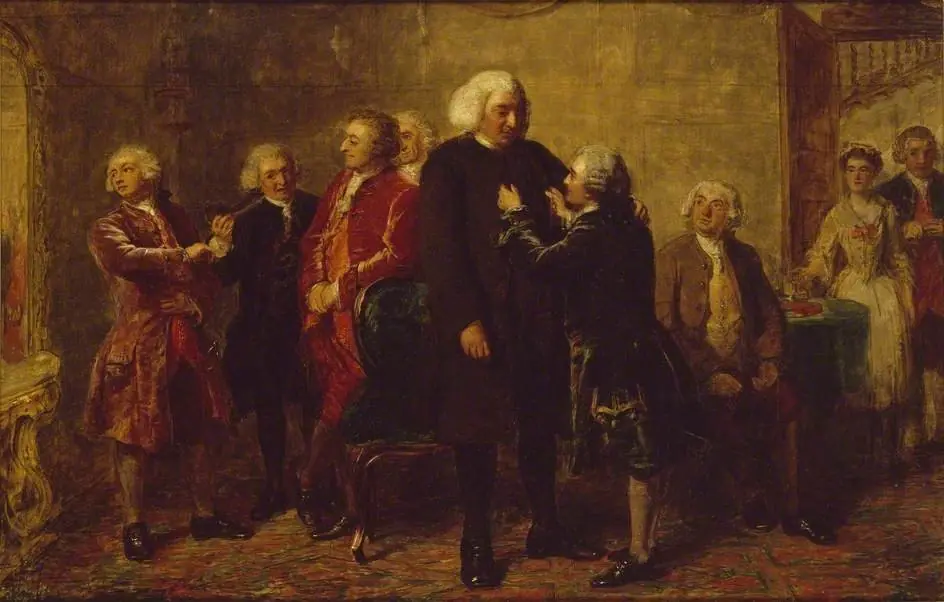 Before Dinner at Boswell's Lodging, 1769
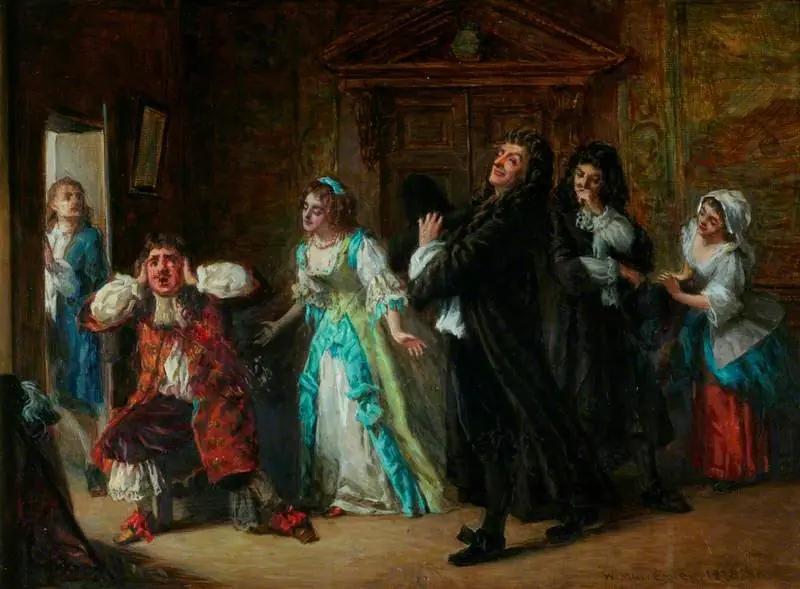 Scene from Molière's 'Le Medecin Malgré Lui'
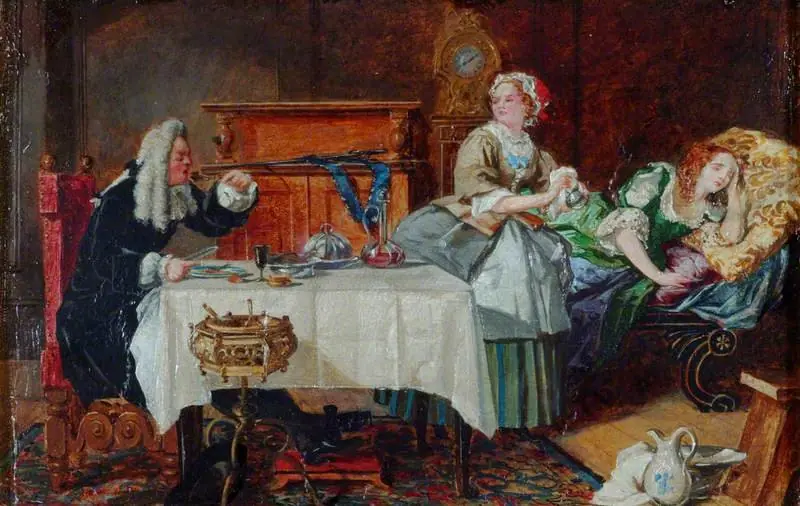 Scene from Molière's 'Le Tartuffe'
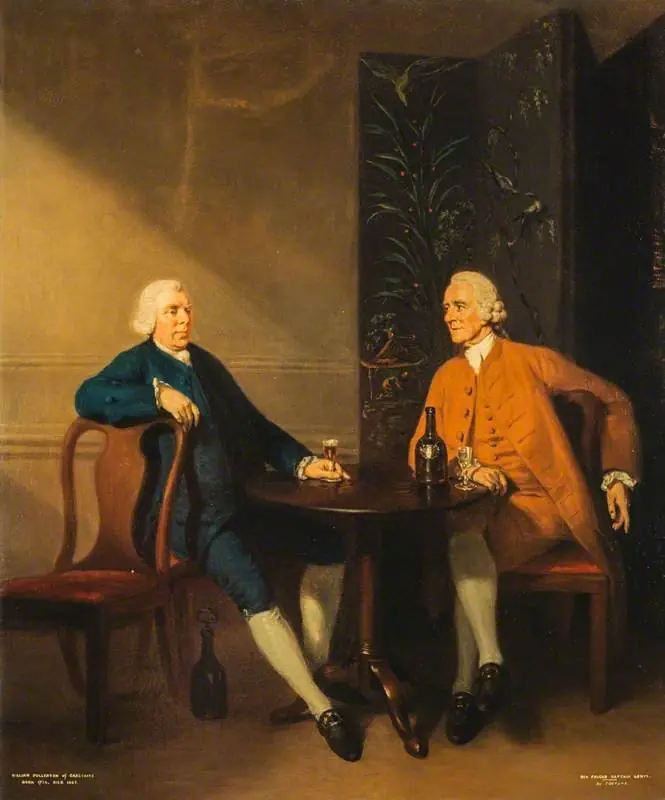 William Fullerton of Carstairs (1720 - 1806), and Captain Ninian Lowis (died 1790)
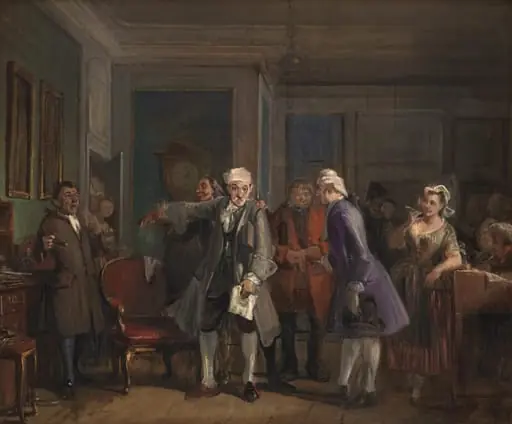 Fra Ludvig Holbergs "Den Stundesløse", I akt, 6. scene
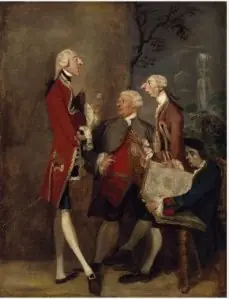 Caricature of Thomas Brudenell, Baron Bruce, the Hon. John Ward, Joseph Leeson, later 2nd Earl of Milltown, and Joseph Henry of Shafford