Artwork
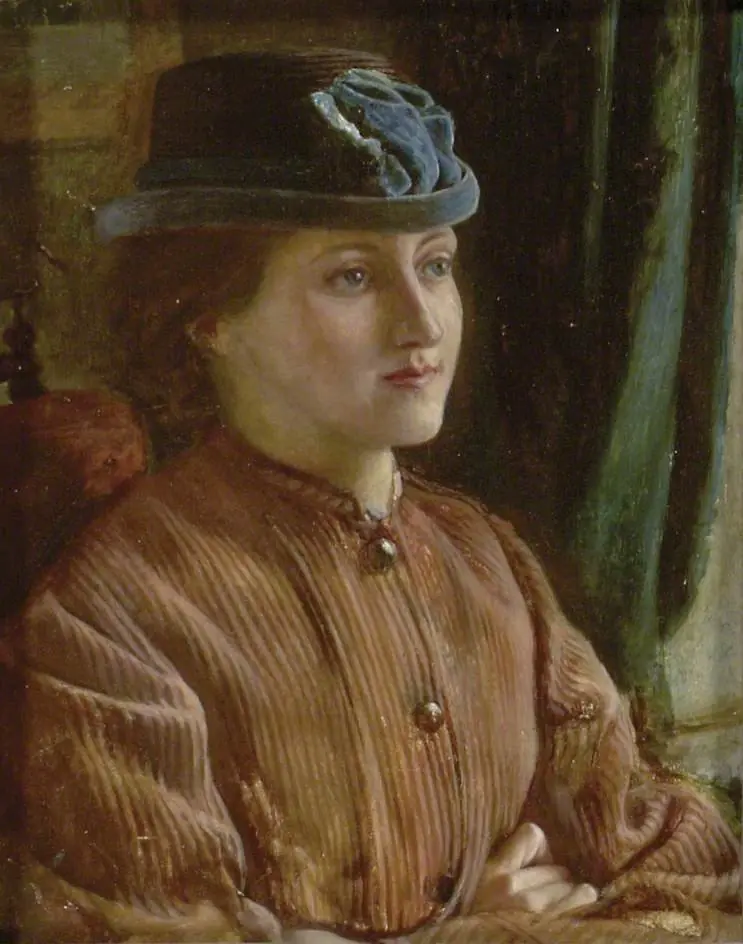
Portrait of the Artist's Wife
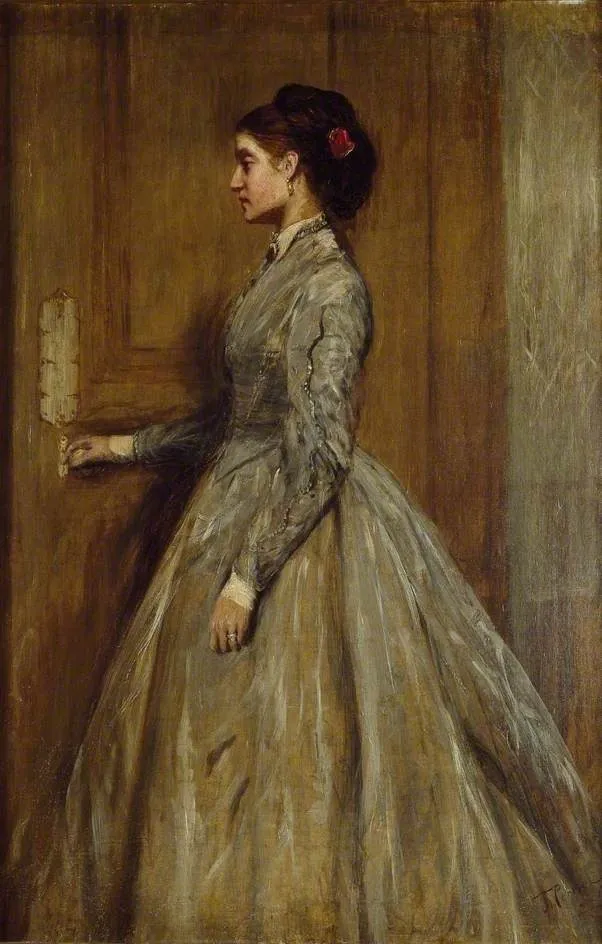
Portrait of the Artist's Wife is an oil painting by the British Romanticist artist John Pettie. It dates from 1865 and is held in the collection of the Ashmolean Museum.
About this work
Overview
The work belongs to the Ashmolean Museum’s collection and reflects his early commitment to portraiture before his broader recognition in academic circles.
Painted in 1865 by Scottish artist John Pettie, this oil portrait depicts his wife in a moment of stillness. Pettie, who moved from Edinburgh to London and later became a Royal Academician, focused on intimate domestic scenes alongside historical subjects. The work belongs to the Ashmolean Museum’s collection and reflects his early commitment to portraiture before his broader recognition in academic circles.
Subject & Meaning
The subject is Pettie’s wife, portrayed mid-action as she pauses with her hand on a door handle. Her gaze, directed away from the viewer, suggests introspection rather than performance. The red flower in her hair and the ring on her hand introduce subtle personal details, grounding the image in private life. The composition avoids theatricality, favoring quiet dignity over narrative drama.
Technique & Style
Pettie employs chiaroscuro to model the figure against a dark wood-paneled wall, enhancing the three-dimensionality of the form. The light-colored dress contrasts with the shadowed interior, drawing attention to the woman’s posture and gesture. Brushwork is restrained, with smooth transitions between tones, avoiding overt detail in favor of atmospheric cohesion. The lighting isolates the figure, reinforcing the painting’s contemplative mood.
History & Provenance
Created shortly before Pettie’s election as an associate of the Royal Academy, the portrait was likely painted for personal reasons rather than public display. It remained within the artist’s circle before entering the Ashmolean Museum’s collection, where it has been preserved as an example of mid-Victorian domestic portraiture. Its provenance reflects its status as a private work later recognized for its artistic merit.
Context
In mid-19th-century Britain, portraiture often served social or commemorative functions. Pettie’s approach diverged from formal conventions by emphasizing quietude over grandeur. The painting aligns with a growing interest in intimate, psychologically nuanced depictions of family life, a trend seen in the work of contemporaries like Millais and Leighton, though with less ornate detail.
Legacy
Though not among Pettie’s most widely exhibited works, the portrait endures as a refined example of his early style. It illustrates his ability to convey emotional subtlety through composition and light, anticipating later developments in British portraiture. Its presence in the Ashmolean Museum ensures continued study as a quiet but significant record of domestic life in Victorian art.
Artist & collection
Artist
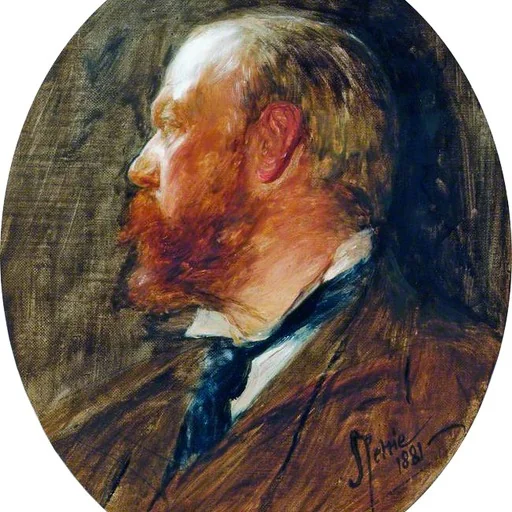
John Pettie (17 March 1839 – 21 February 1893) was a Scottish painter from Edinburgh who spent most of his career in London.

 Lilian May Law (d.1882)
 Mrs William Lawrie
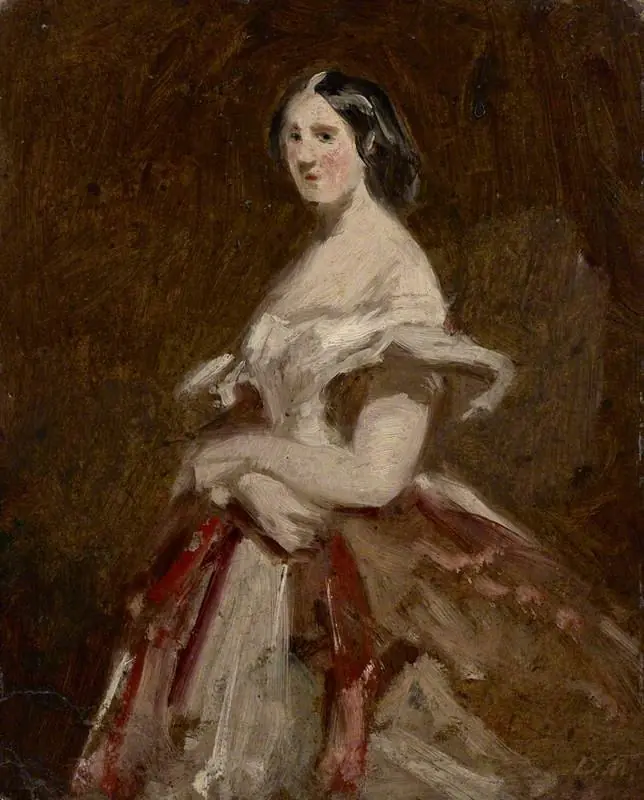 A Lady
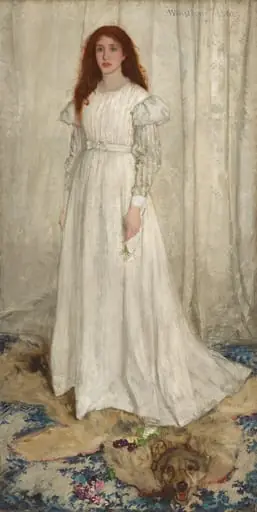 Symphony in White, No. 1: The White Girl
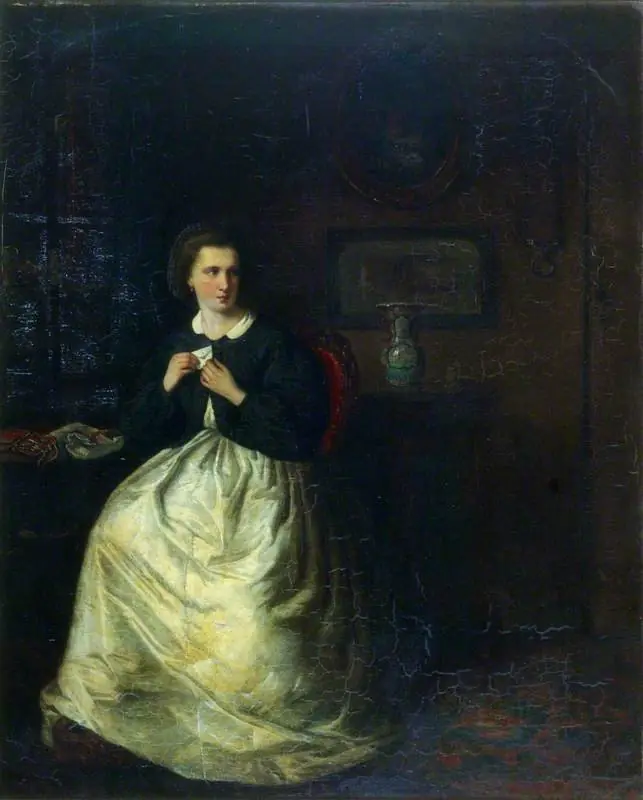 The Billet Doux
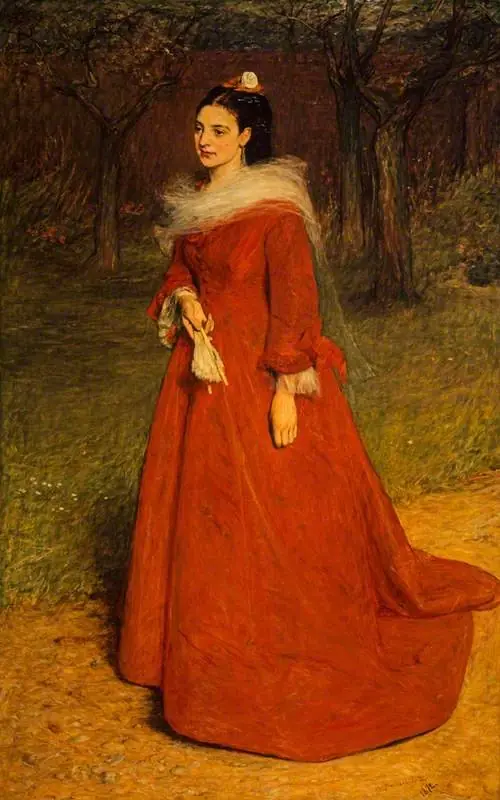 The Artist's Wife (Ellen Moxon, Lady Orchardson, 1853 - 1917)
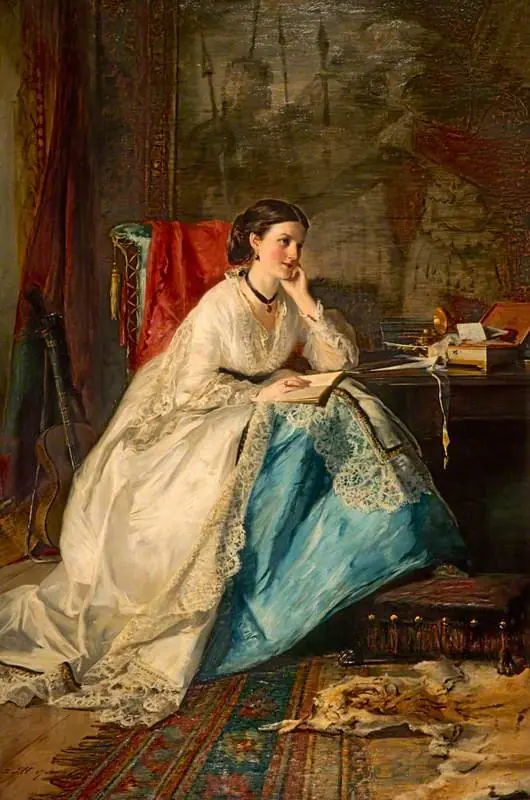 Emily Merelina Meymott, Baroness Shand (1830 - 1911)
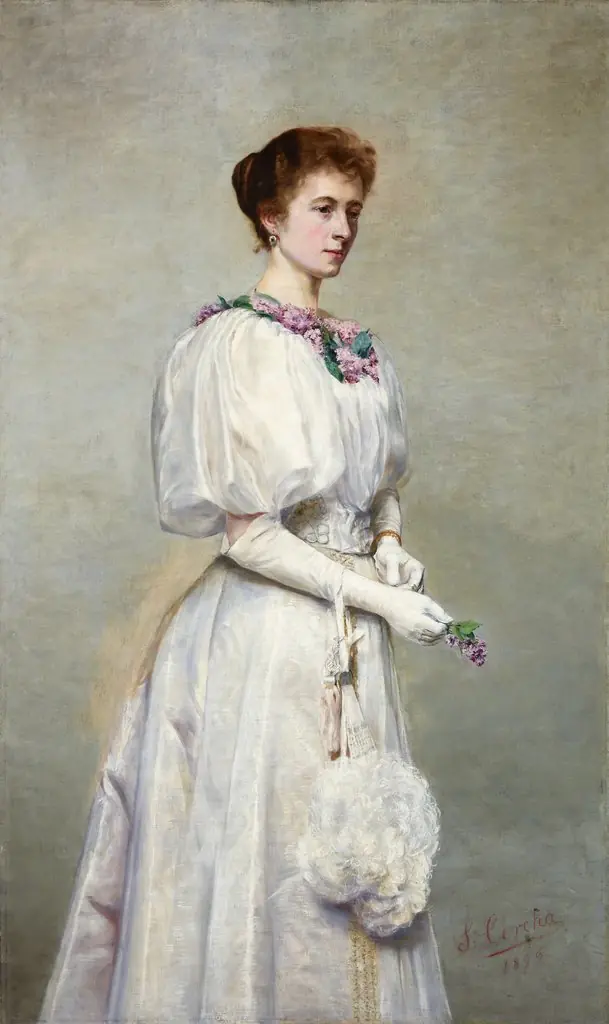 Portrait of Helena Cerchowa
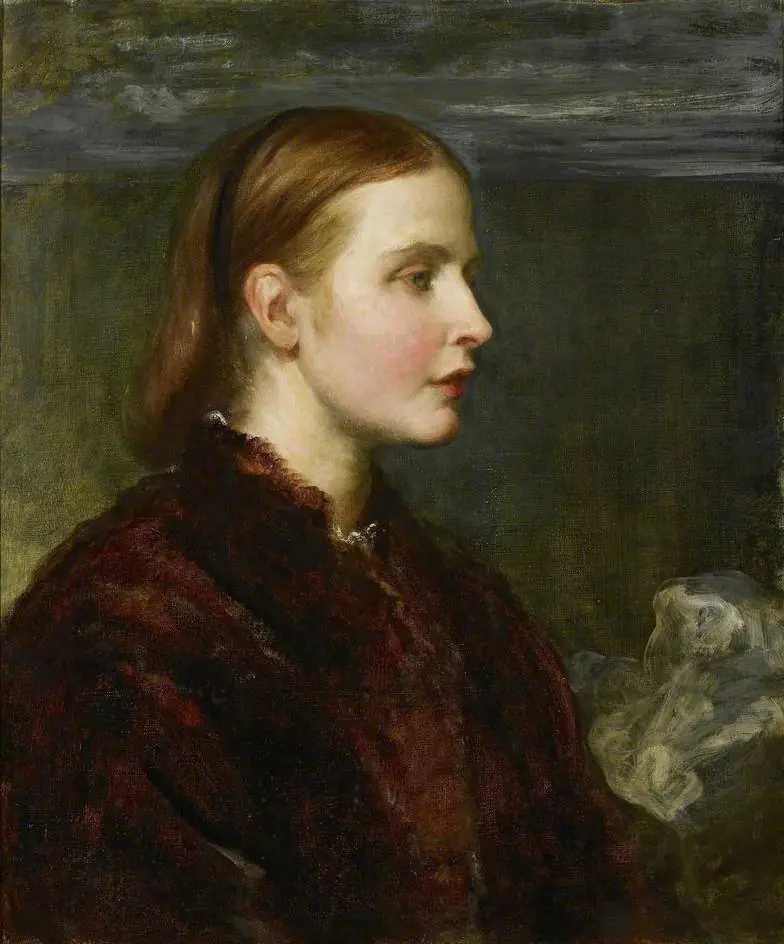 Miss Eliza Ann Ogilvy
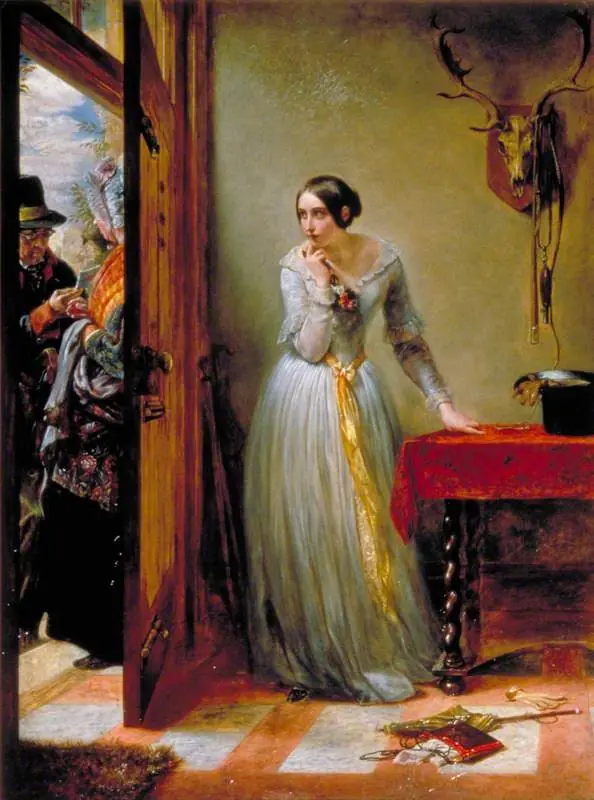 Palpitation
 Mrs Albert Vickers (Edith Foster)
 The Artist's Wife