Artwork
William Waddell
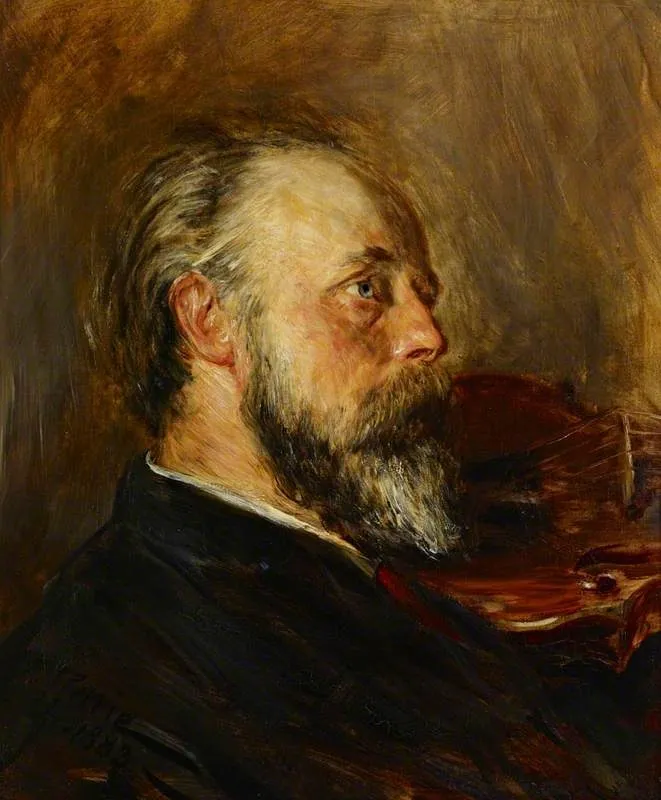
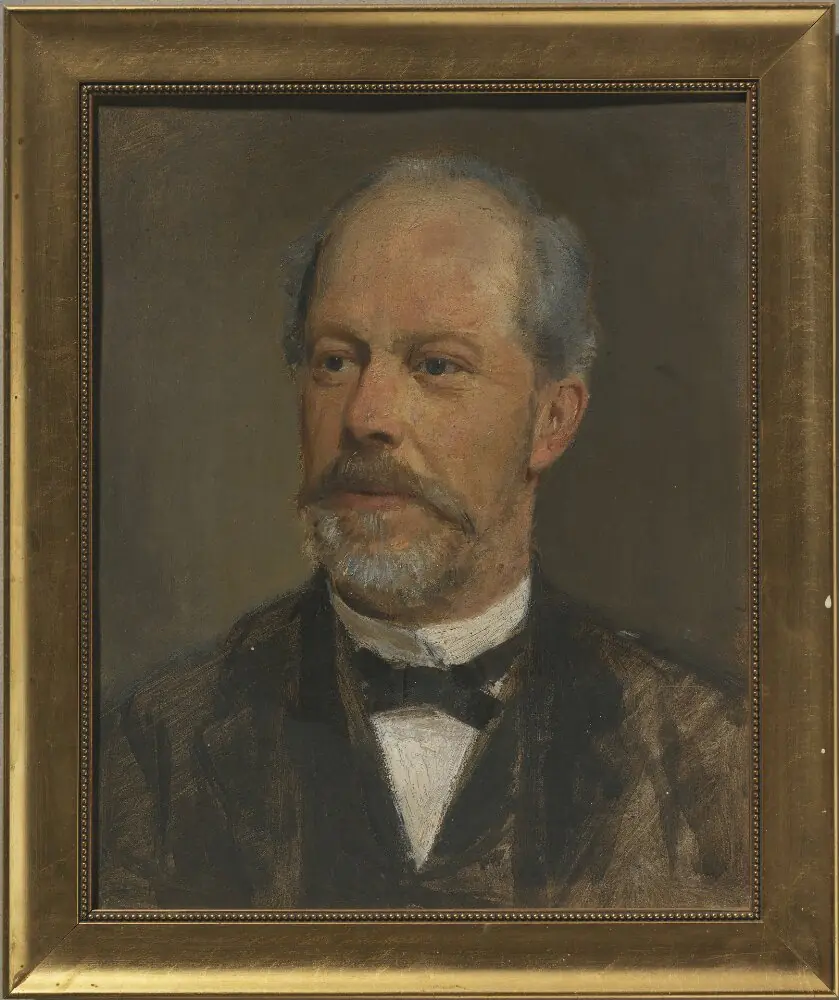
William Waddell is an oil painting by the Post-Impressionist artist John Pettie. It dates from 1892 and is held in the collection of the National Galleries Scotland.
About this work
Overview
The work is part of the Scottish National Gallery’s collection and reflects Pettie’s mature style, grounded in realism with subtle tonal modeling.
Painted in 1892 by John Pettie, this oil portrait depicts William Waddell, a figure known in Scottish cultural circles. The work is part of the Scottish National Gallery’s collection and reflects Pettie’s mature style, grounded in realism with subtle tonal modeling. Though associated with late 19th-century academic traditions, the painting avoids overt stylistic experimentation, favoring quiet psychological presence over dramatic flair.
Subject & Meaning
William Waddell is portrayed with a composed, introspective demeanor, his gaze directed beyond the frame, suggesting contemplation or quiet resolve. His neatly groomed beard and thinning hair convey age and dignity, while the formal dark jacket and white collar hint at professional or social standing. The absence of symbolic objects or setting focuses attention on the individual’s character, inviting a reading of inner life rather than external status.
Technique & Style
Pettie employs a restrained palette and careful chiaroscuro to model the face and clothing, creating volume through subtle shifts in light and shadow. The brushwork is precise but not overly detailed, balancing realism with a sense of immediacy. The warm, neutral background isolates the figure, enhancing the three-dimensionality of his form without distracting from his expression or attire.
History & Provenance
The portrait entered the Scottish National Gallery’s collection shortly after its completion. John Pettie, an established academic painter, had been a full member of the Royal Academy since 1874 and maintained strong ties to Scottish artistic communities. While Waddell’s specific identity beyond his name is not widely documented, the painting’s preservation suggests it was valued within Pettie’s circle or by Scottish patrons of the arts.
Context
In the 1890s, British portraiture remained rooted in academic conventions, even as impressionism and post-impressionism gained ground elsewhere. Pettie’s work reflects this conservative trend, emphasizing fidelity to the sitter and technical polish. His connections to musicians like Hamish MacCunn underscore his role in Edinburgh’s broader cultural milieu, where art and music intersected among the educated elite.
Legacy
Though not among Pettie’s most widely reproduced works, *William Waddell* exemplifies his skill in capturing quiet individuality within the academic tradition. It remains a representative example of late Victorian portraiture in Scotland, valued for its restraint and psychological nuance rather than innovation. The painting contributes to the understanding of how British artists sustained realism amid evolving artistic movements.
Artist & collection
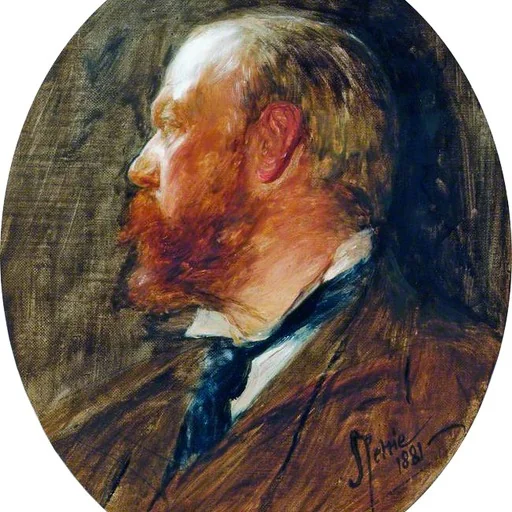
Artist
John Pettie (17 March 1839 – 21 February 1893) was a Scottish painter from Edinburgh who spent most of his career in London.

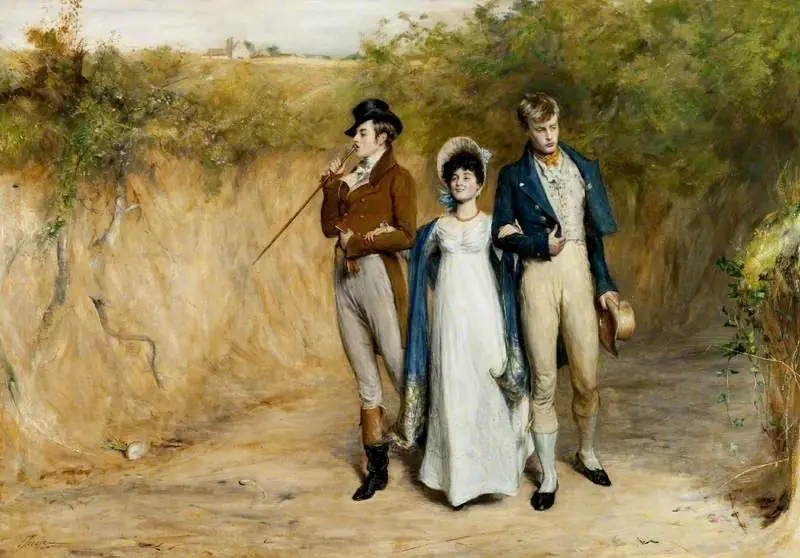
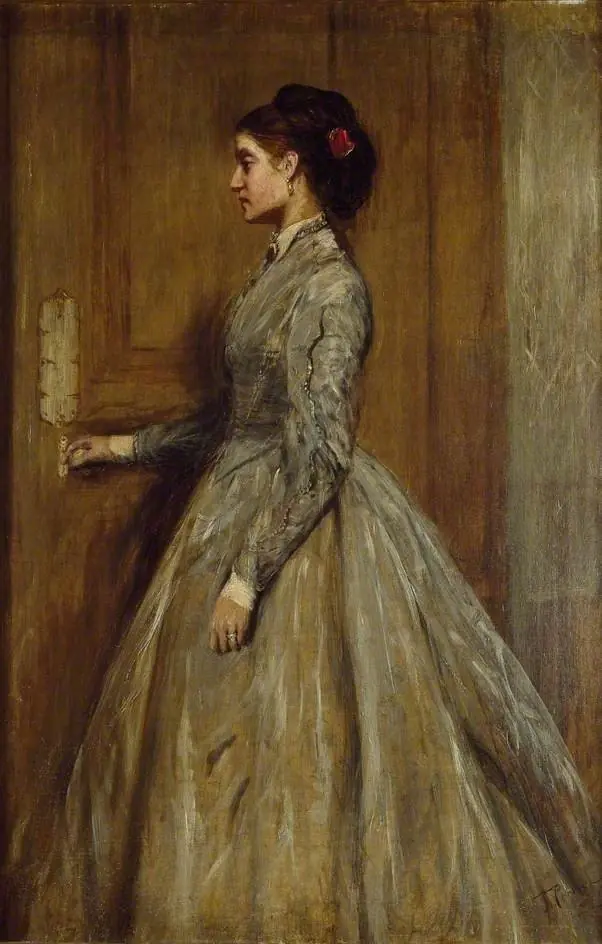
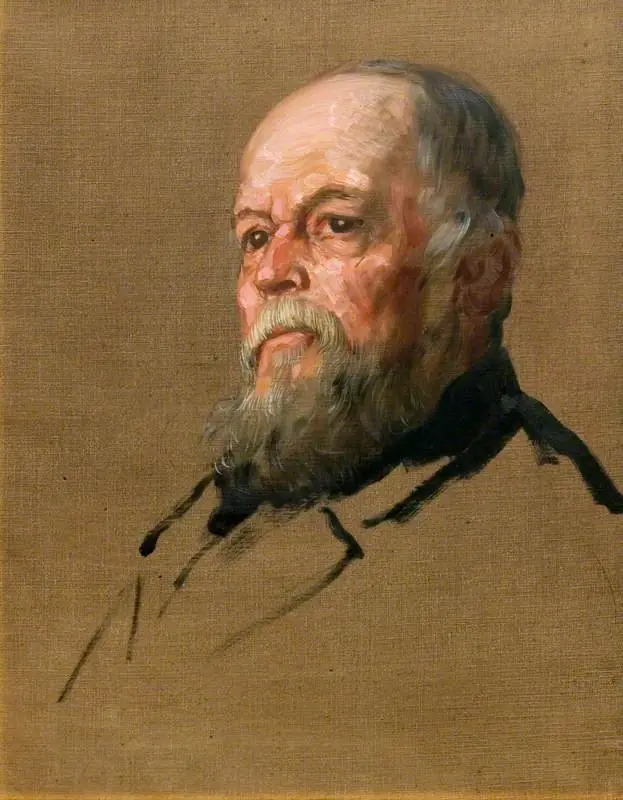 George Wallis (1811–1891), FSA, Keeper of the Art Collections in the South Kensington Museum (1863–1891)
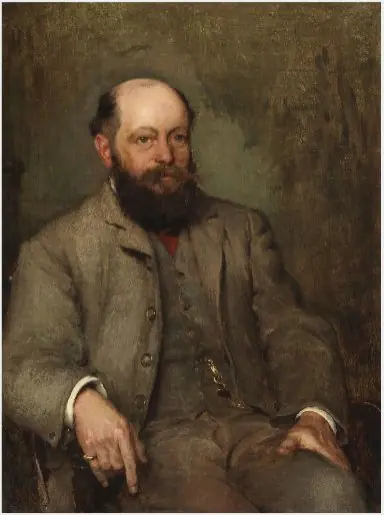 Portrait of Sir Thomas Drew (1838-1910), Architect
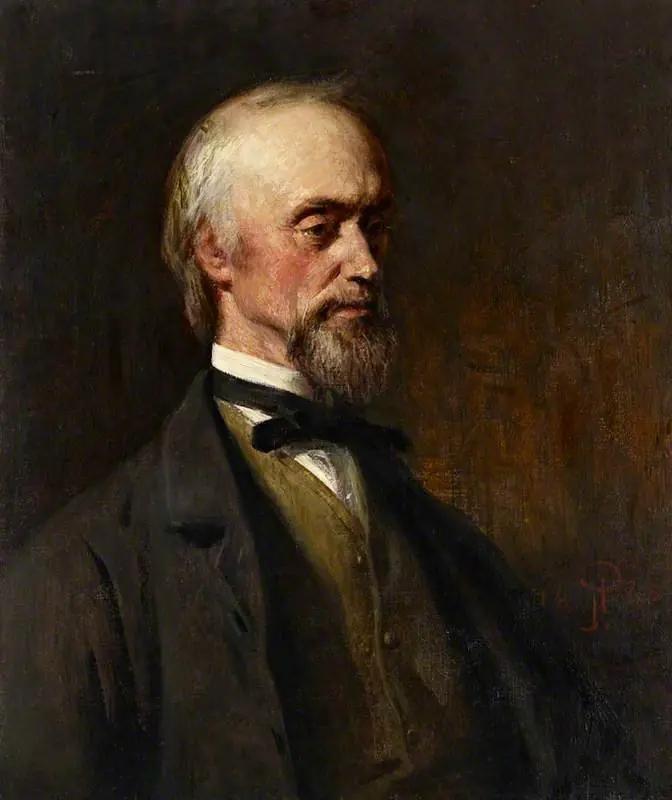 William Borthwick Johnstone (1804 - 1868)
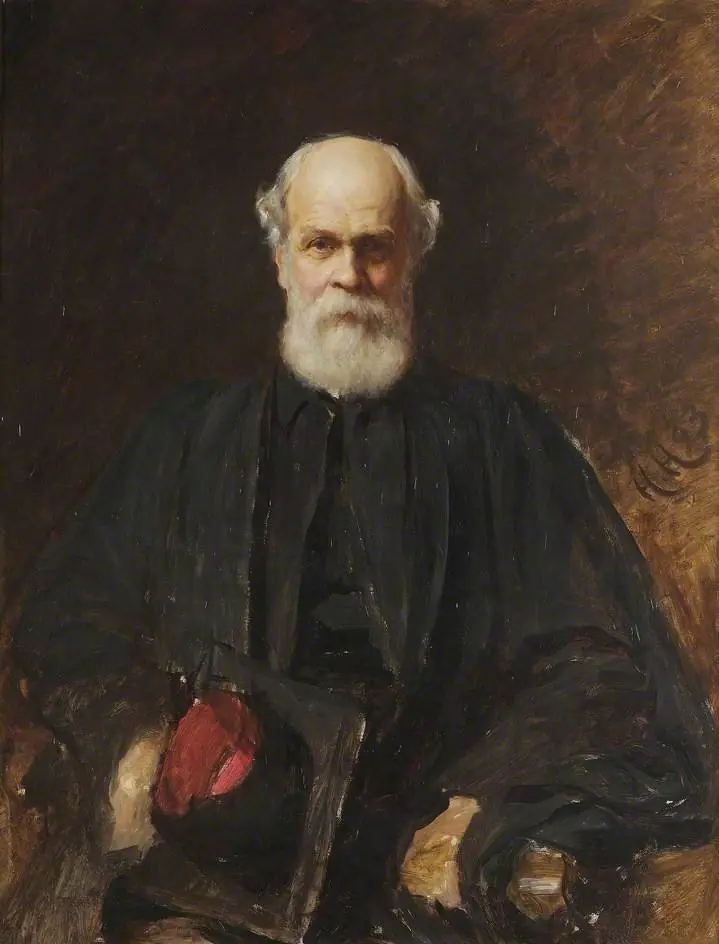 Study of the Reverend Robert Harvey Charsley (1826–1907)
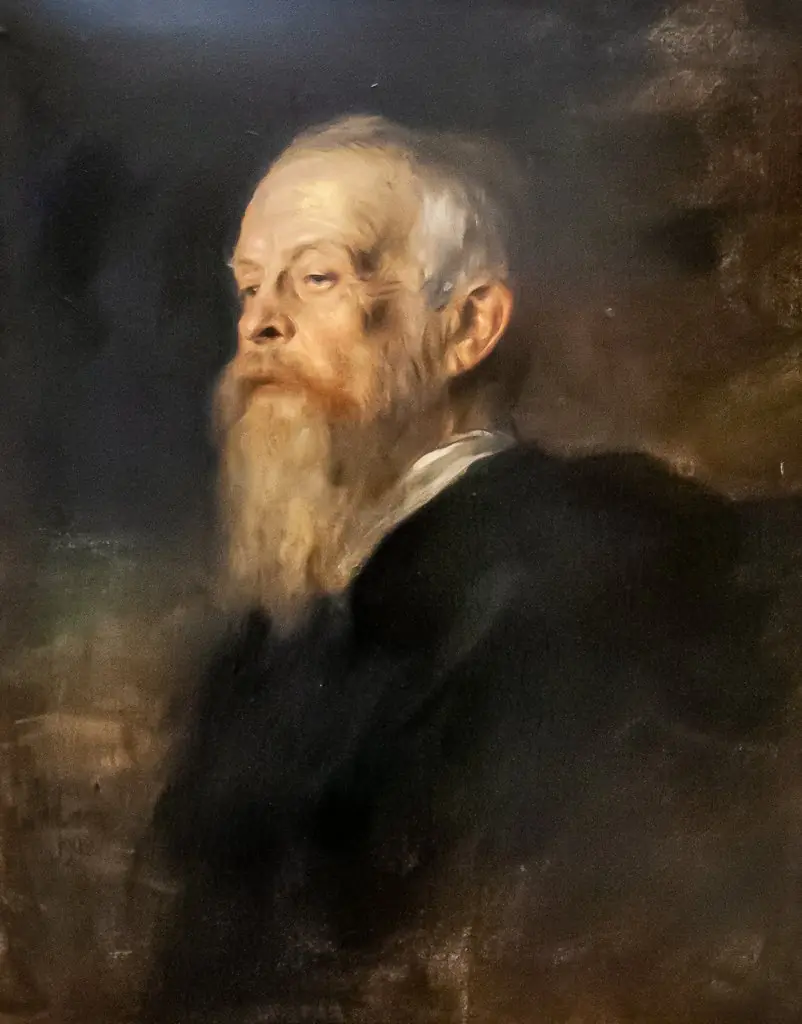 Prince Regent Luitpold of Bavaria (1821–1912)
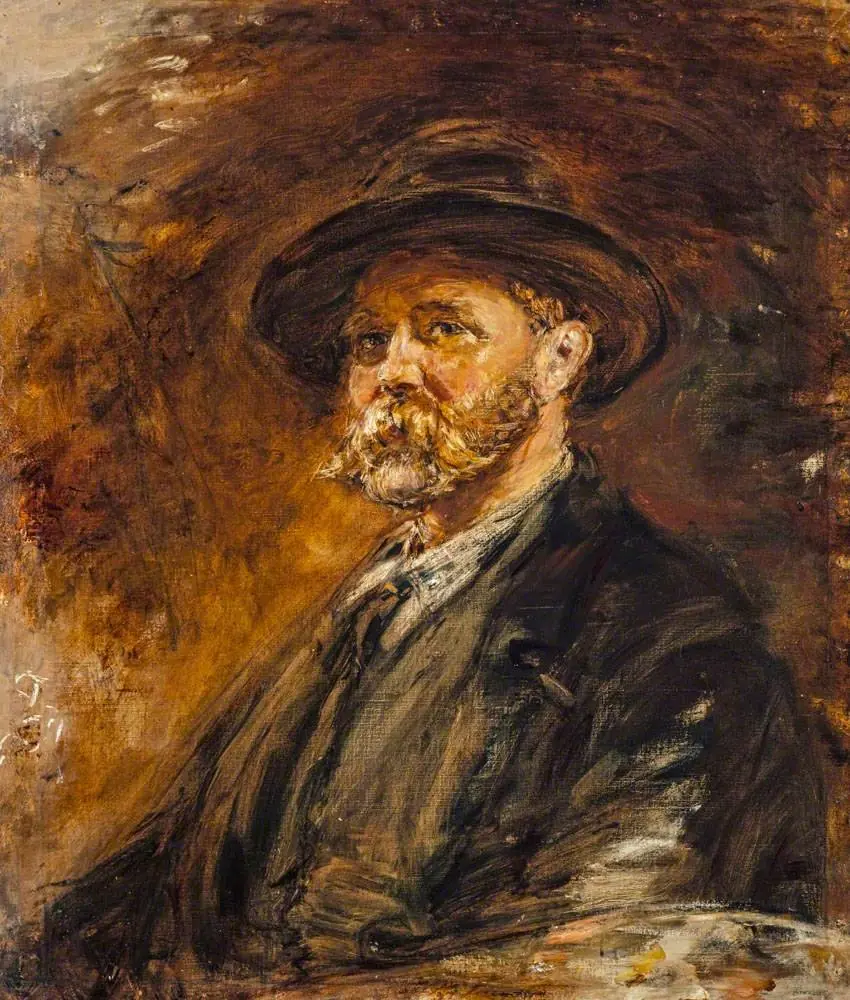 A Study of Oak Leaves in Autumn (Self-portrait)
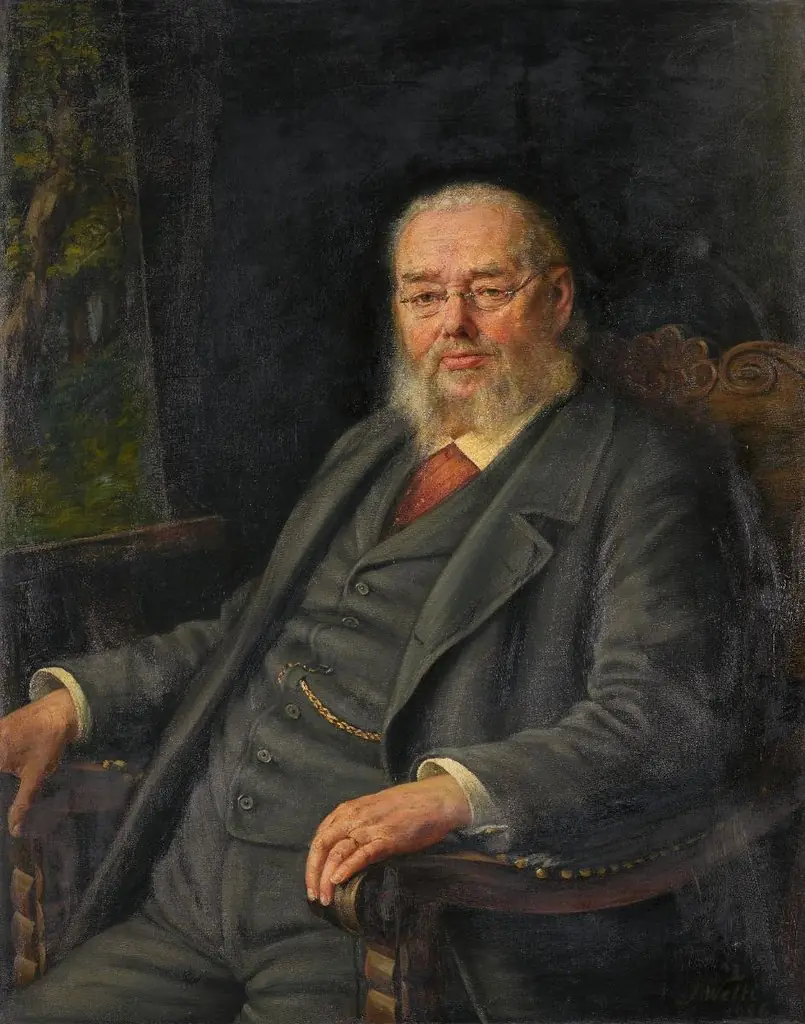 Bildnis Rudolf Koller
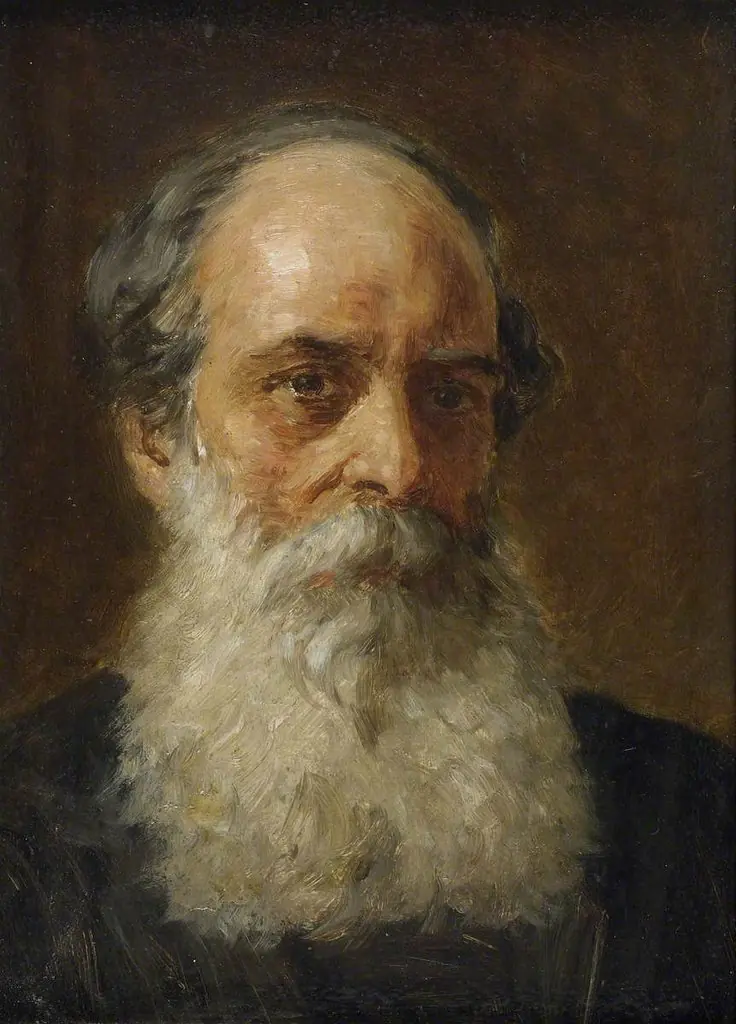 John Turtle Wood (1821–1890)
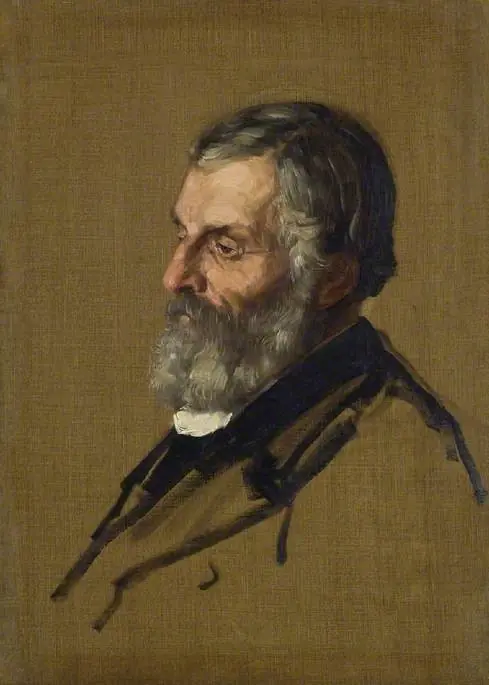 The Reverend Robert Burn
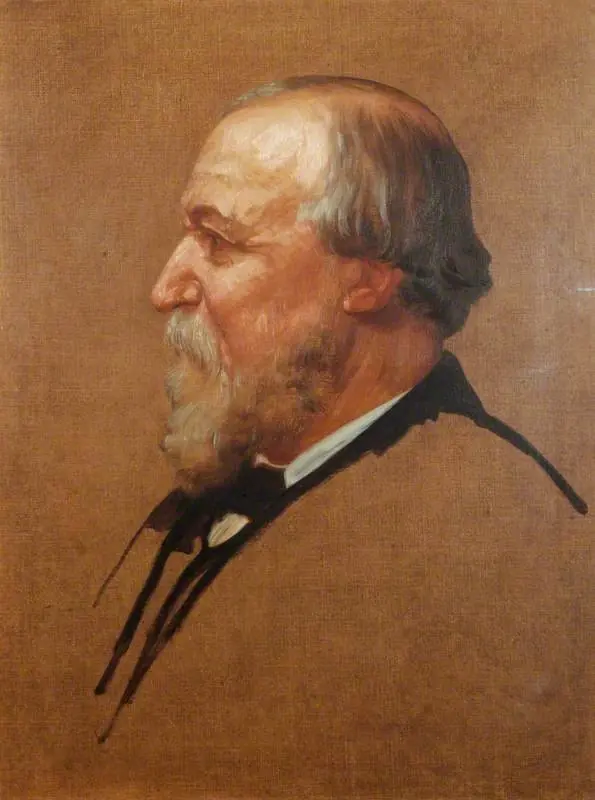 Robert Browning (1812–1889)
 Gustaf Jakob Edelstam (1831-1892), jur.dr., landshövding i Kalmar län, hovrättsassessor, gift med Eva Carolina Gustava von Post
 John Singer Sargent