Artwork
Durham Cathedral
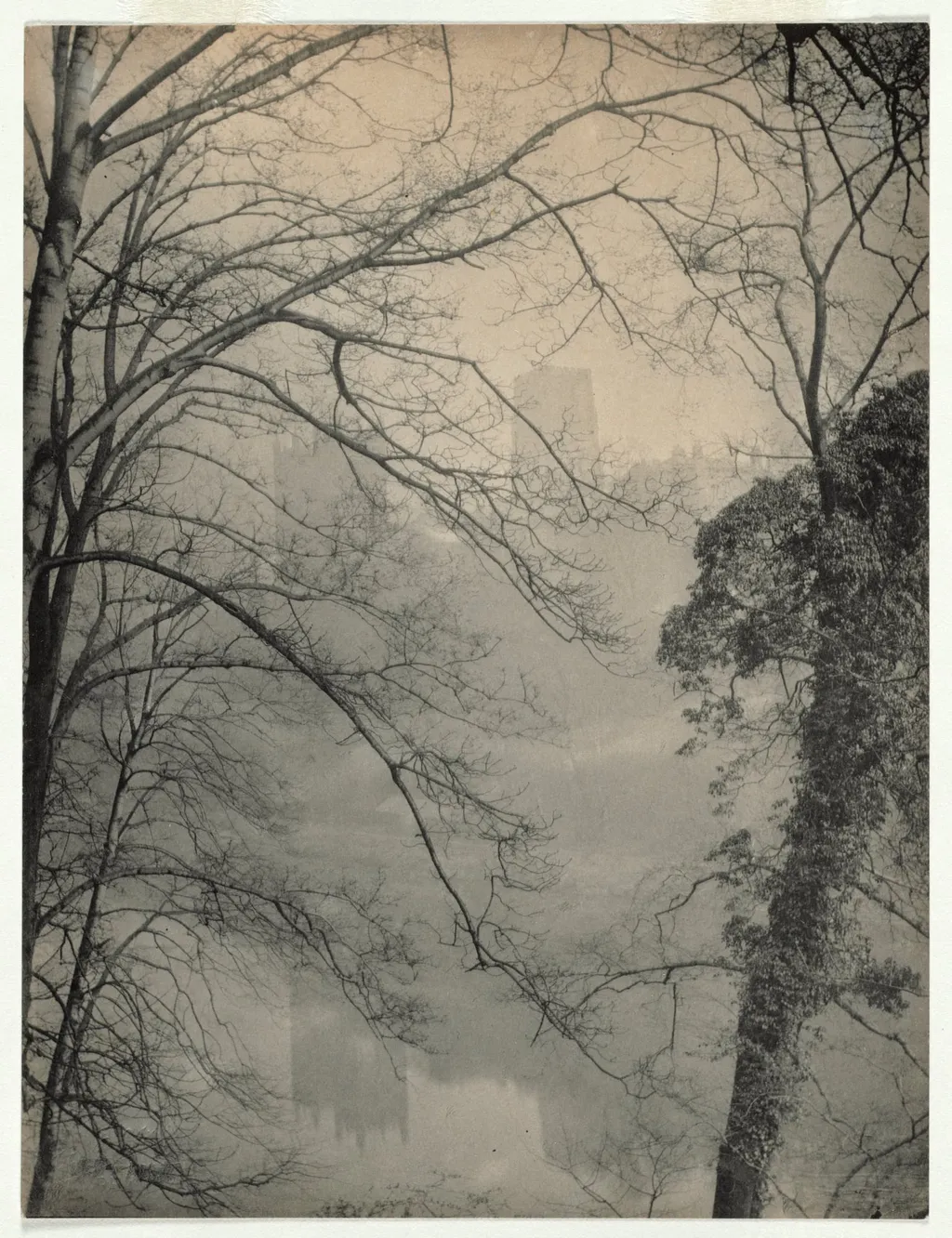
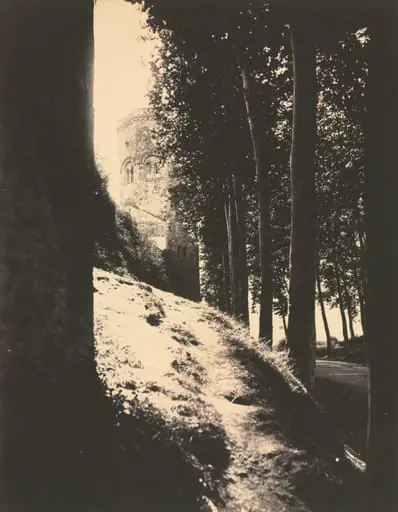
Durham Cathedral is a photography by the Impressionist artist John R. Edis. It dates from 1914 and is held in the collection of the Cleveland Museum of Art. This 1914 photograph by British artist John R.
About this work
Overview
The image emphasizes atmospheric conditions over architectural detail, focusing on the interplay of light, mist, and bare vegetation.
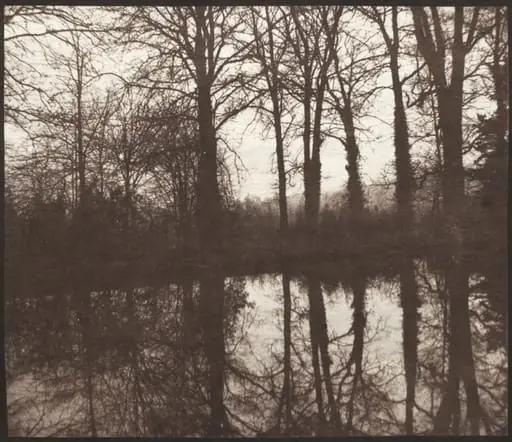
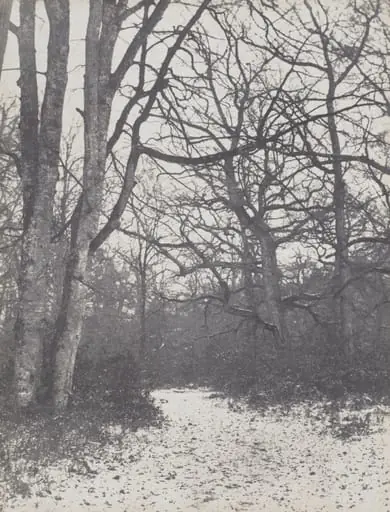
This 1914 photograph by British artist John R. Edis captures Durham Cathedral as a distant, partially obscured structure within a wintry landscape. The image emphasizes atmospheric conditions over architectural detail, focusing on the interplay of light, mist, and bare vegetation. It reflects Edis’s interest in quiet, contemplative scenes rather than grand monuments, aligning with early 20th-century British photographic tendencies toward mood over spectacle.
Subject & Meaning
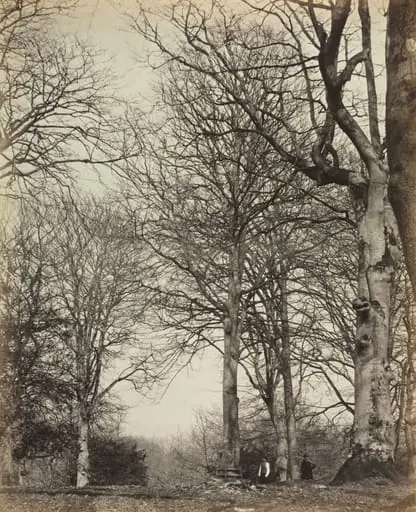
The cathedral appears as a subtle silhouette behind a thicket of twisted, leafless trees, suggesting a relationship between nature and sacred architecture. The framing implies time and weather have softened the building’s presence, evoking a sense of quiet endurance. Rather than asserting dominance, the structure emerges as a quiet element within a larger, shifting natural world, reinforcing themes of transience and stillness.
Technique & Style
Edis employed tonal gradations and soft focus to render depth and atmosphere. Dark, gnarled tree trunks contrast with a pale, diffused sky, creating a layered composition that recedes into haze. The lack of sharp detail in the background enhances the sense of distance and solitude. This approach, common among British pictorialists, prioritized emotional resonance over documentary clarity, using light and shadow to guide the viewer’s perception.
History & Provenance
Created in 1914, the photograph entered the collection of The Cleveland Museum of Art, where it remains part of its holdings of early 20th-century British photography. Edis, active during a period when photography was gaining recognition as an artistic medium, produced a body of work centered on rural and ecclesiastical landscapes, often capturing subtle seasonal changes and atmospheric effects.
Context
In early 1900s Britain, photographers like Edis moved away from rigid documentation toward impressionistic interpretations of landscape. Influenced by painting traditions and the Pictorialist movement, they used soft focus and tonal control to evoke mood. Durham Cathedral, a symbol of medieval permanence, was often depicted in this era not as a monument but as a quiet presence within the rhythms of nature and weather.
Legacy
Edis’s work contributes to a broader understanding of British photographic practice that valued subtlety and atmosphere. His images of ecclesiastical sites, often devoid of human figures, helped redefine how architecture could be represented—not as a subject of pride, but as an element within a contemplative, evolving natural order. His approach influenced later photographers seeking emotional nuance over formal grandeur.
Artist & collection