Artwork
Boboli Gardens
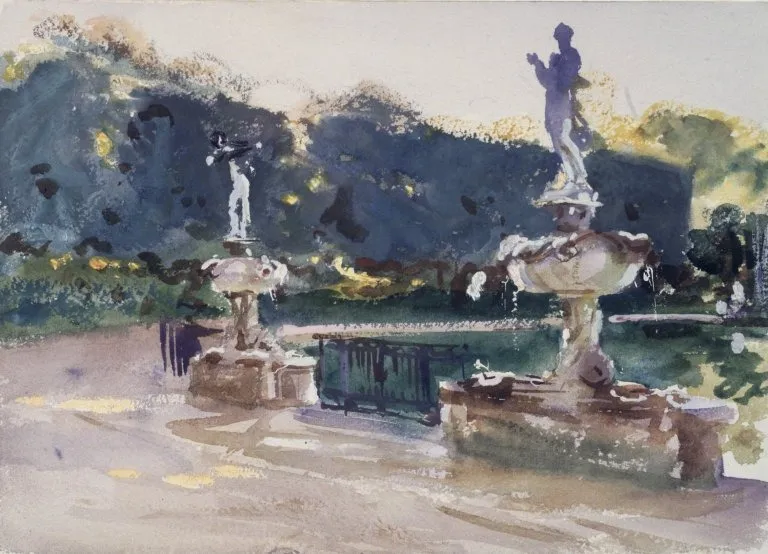
Boboli Gardens is an unspecified painting by the Impressionist artist John Singer Sargent. It dates from 1905 and is held in the collection of the Brooklyn Museum.
About this work
Overview
Boboli Gardens, painted by John Singer Sargent in 1905, is an impressionist landscape held in the collection of the Brooklyn Museum. Characterized by a serene atmosphere, the work features a central tree with vibrant green leaves, set against a soft, muted background.
Subject & Meaning
The painting captures a tranquil scene from the Boboli Gardens, emphasizing natural beauty over defined human presence. The central tree dominates, conveying a sense of stature and serenity, while indistinct figures in the foreground suggest a subtle human connection to the landscape.
Technique & Style
Sargent employed impressionist techniques, juxtaposing bold, dark strokes for the tree's trunk and branches with softer, more subdued rendering of leaves and background. This contrast, combined with nuanced light and shadow, creates depth and visual interest.
History & Provenance
Painted during Sargent's European sojourn, *Boboli Gardens* reflects his travel-inspired oeuvre. Trained in Florence and Paris, Sargent's work often documented his global travels, with this piece now residing in the Brooklyn Museum's collection.
Context
Created in 1905, the painting situates itself within the late impressionist movement, characteristic of Sargent's adaptability to European art trends despite his American origins. The choice of the Boboli Gardens, a renowned Florentine setting, highlights Sargent's affinity for capturing iconic European landscapes.
Legacy
As part of the Brooklyn Museum's collection, *Boboli Gardens* contributes to the institution's holdings of early 20th-century European-inspired American art, offering insight into Sargent's impressionist explorations beyond portraiture.
Artist & collection

Artist
John Singer Sargent (; January 12, 1856 – April 15, 1925) was an American expatriate artist, considered the "leading portrait painter of his generation" for his evocations of Belle Époque and Edwardian-era luxury.


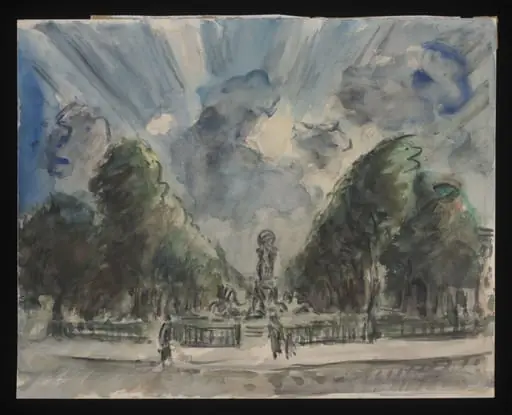 Fontaine de l'Observatoire by Ernst Stern
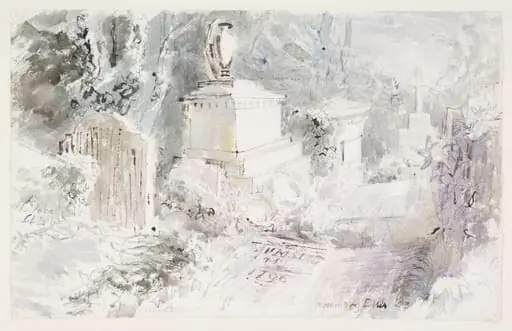 Tombstones, Bathampton Cemetary, Bath
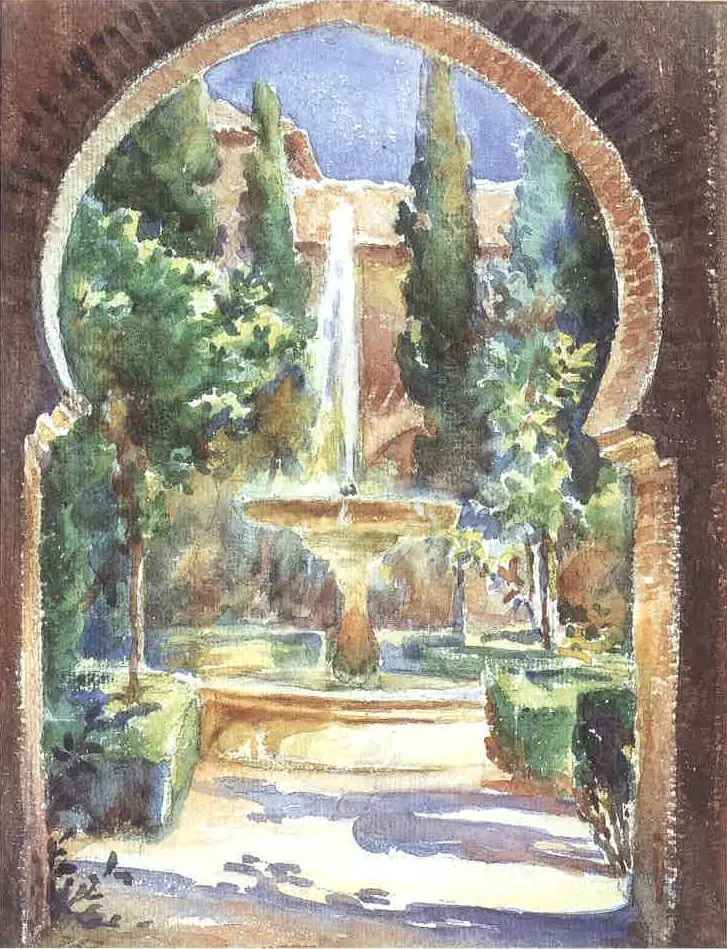 Granada. A View of Generalife
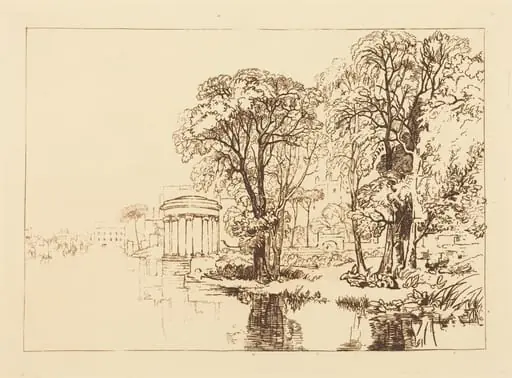 Isleworth
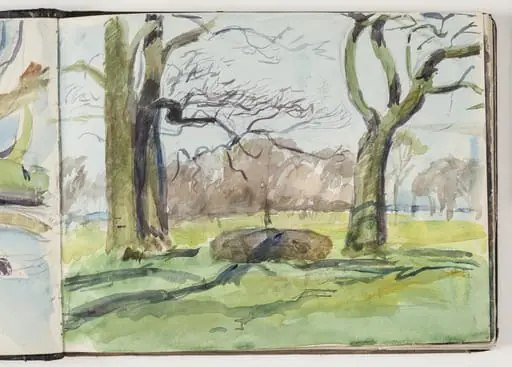 2 store træer; i baggrunden lund og hav
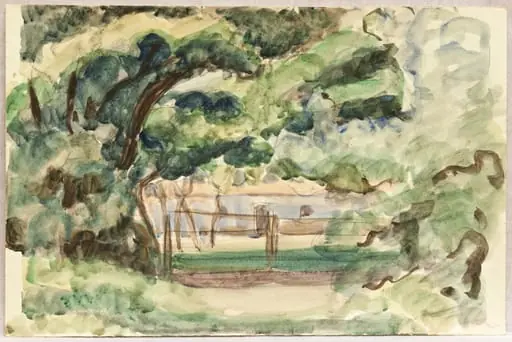 Peisaj la margine de râu
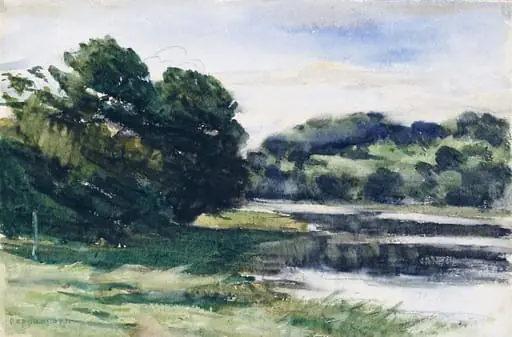 Landscape with river
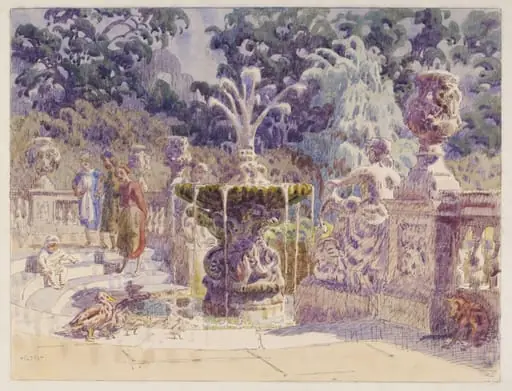 Fountain in Kensington Gardens
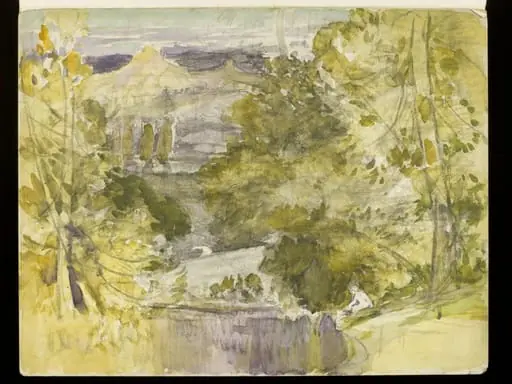 Landscape study
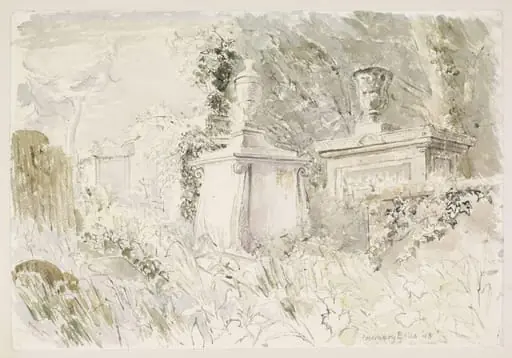 Tombstones, Bathampton Cemetery, Bath
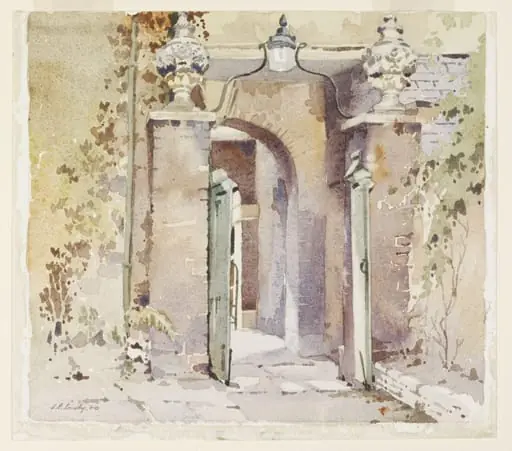 A gateway, Exeter
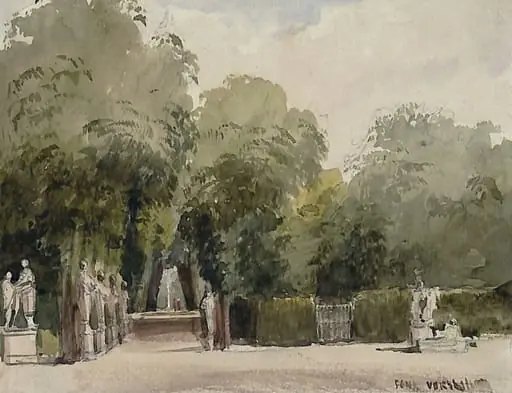 In the Gardens, Versailles