Artwork
Canoe, Ulietea, Society Islands
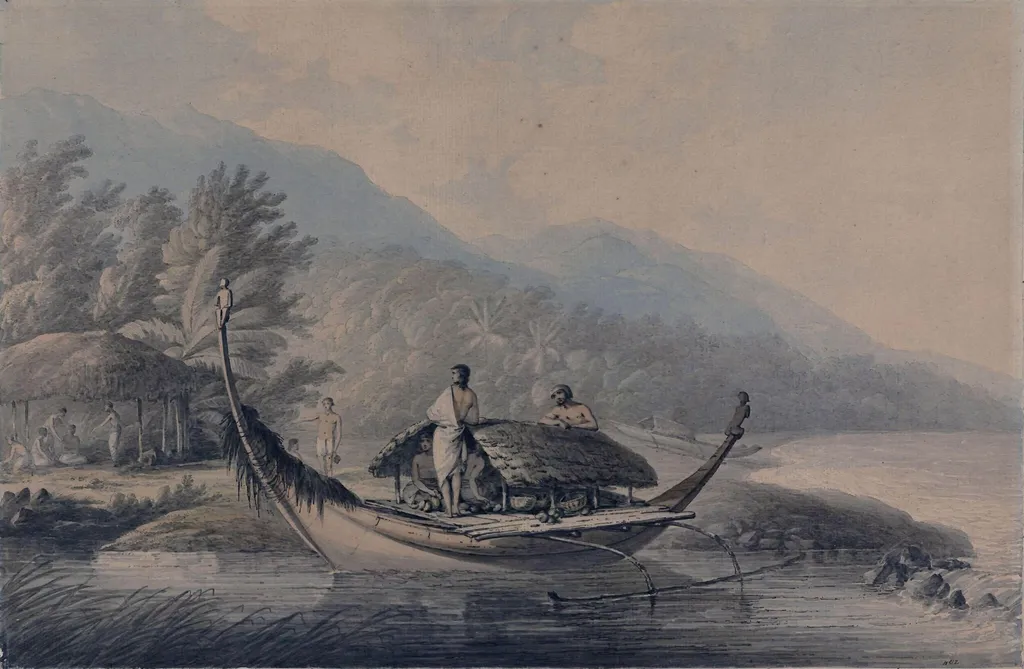
Canoe, Ulietea, Society Islands is a watercolor work on paper by the Rococo painting artist John Webber. It dates from 1784 and is held in the collection of the Victoria and Albert Museum.
About this work
Overview
Created in 1784 by John Webber, this watercolour captures a canoe from the Society Islands, part of his visual record during Captain Cook’s third voyage.
Created in 1784 by John Webber, this watercolour captures a canoe from the Society Islands, part of his visual record during Captain Cook’s third voyage. The scene is composed with quiet precision, focusing on a single vessel on still water, accompanied by two figures and a dog. The composition avoids dramatic elements, instead emphasizing stillness and the subtle interplay of natural forms against a muted palette.
Subject & Meaning
The canoe, carrying two shirtless men and a dog, reflects daily life in the Society Islands. Figures near a thatched hut and a leaning palm tree suggest a settled coastal community. The absence of overt ceremony or conflict implies an ordinary moment, perhaps a return from fishing or transit between islands. Webber’s depiction avoids exoticism, presenting the scene as a quiet, unremarkable part of local existence.
Technique & Style
Webber employed delicate watercolour washes to render soft gradients in the sky and distant mountains, creating a hazy, atmospheric depth. The canoe and figures are outlined with fine, controlled lines, while shadows are suggested through subtle tonal shifts rather than heavy contrast. The restrained colour scheme—dominated by earth tones and pale blues—enhances the sense of calm and observational restraint.
History & Provenance
Painted during Webber’s time as official artist on Cook’s third Pacific expedition, this work was part of a broader effort to document indigenous cultures and landscapes. It entered the British institutional collection after the voyage and is now held by the Victoria and Albert Museum, where it remains a key example of 18th-century ethnographic observation through art.
Context
Webber’s watercolours were made in the context of European scientific and imperial exploration. Unlike later romanticized portrayals, his approach was observational and restrained, aiming for accuracy over spectacle. This piece reflects the growing European interest in Pacific societies, though filtered through the lens of Enlightenment-era documentation rather than narrative embellishment.
Legacy
Webber’s work contributed to early Western visual records of Polynesian life, influencing later ethnographic illustration. His quiet, unembellished style stands apart from more theatrical depictions of the Pacific. Today, these images are valued not for their artistry alone, but as historical documents that preserve details of material culture and daily routines at a moment of first sustained European contact.
Artist & collection
Artist
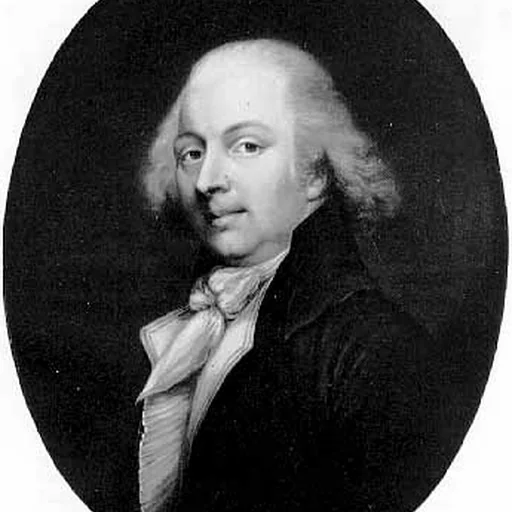
John Webber (6 October 1751 – 29 May 1793) was an English artist who accompanied Captain Cook on his third Pacific expedition. He is best known for his images of Australasia, Hawaii and Alaska.

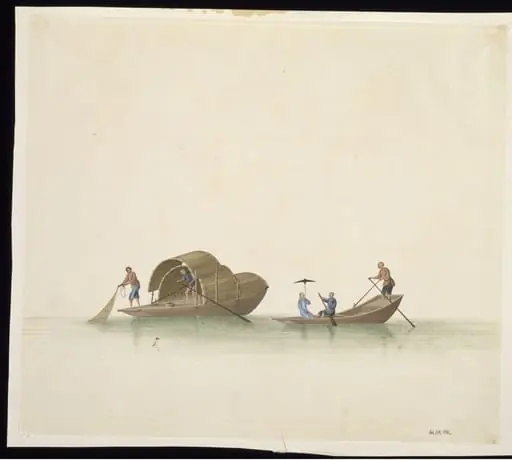 Fishing Junk
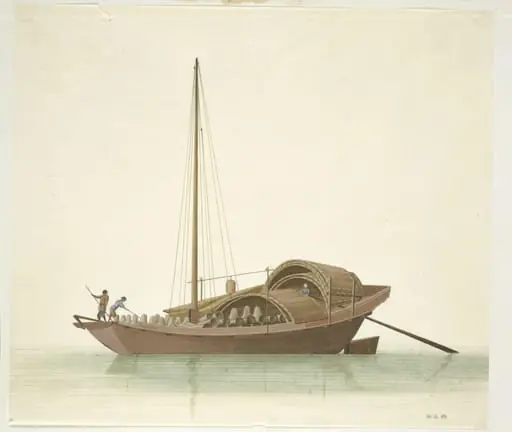 Sugar-Funnel Boat
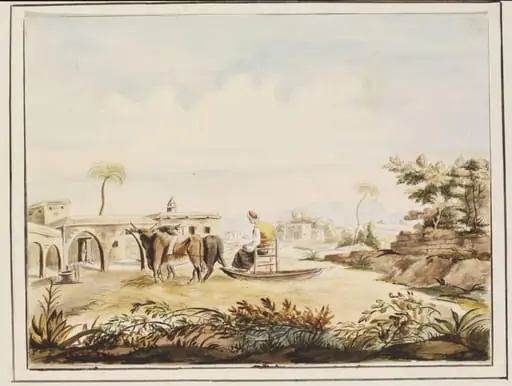 The manner of treading out the Corn
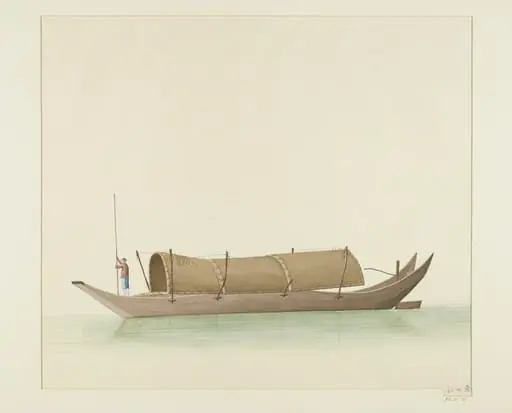 Huizhou Boat
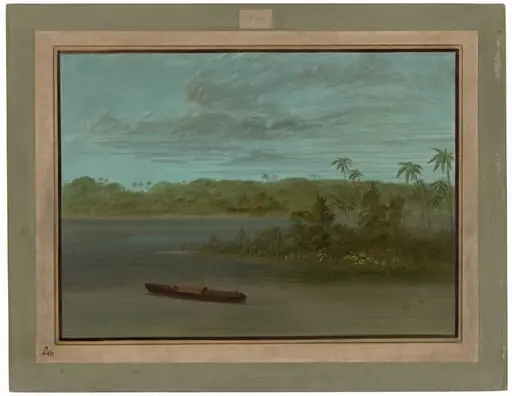 Mouth of the Rio Purus
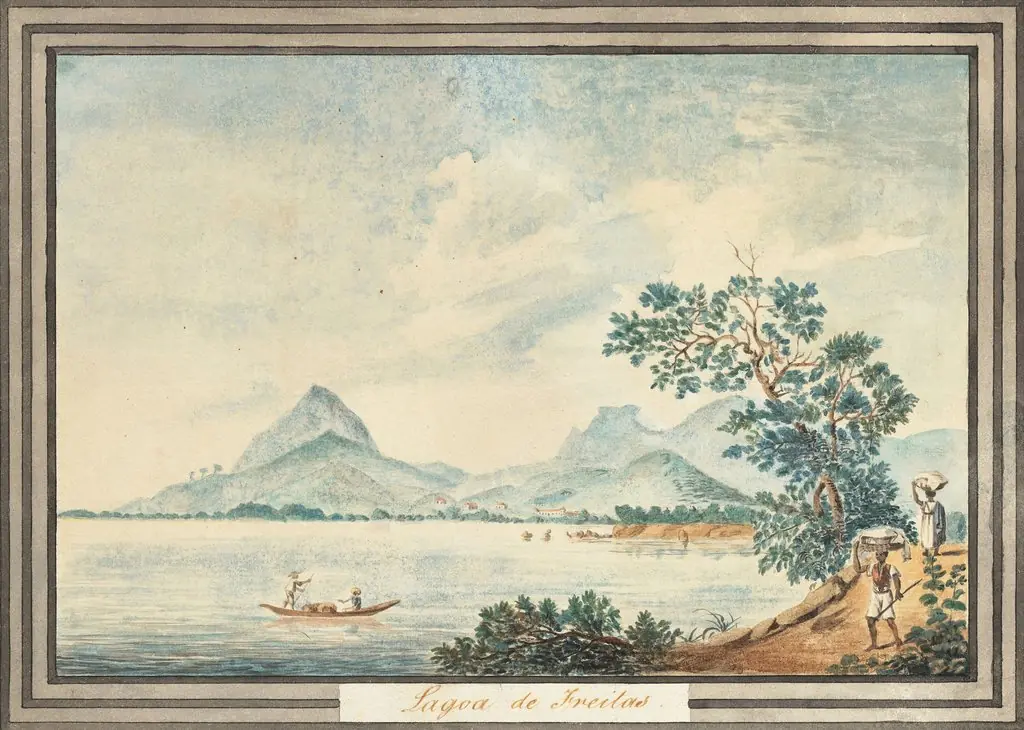 Lagoa de Freitas
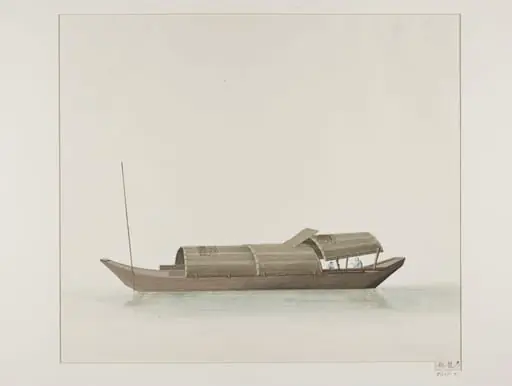 Lao Long Chuan
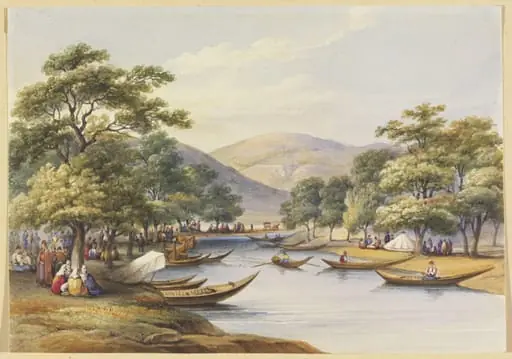 The Sweet Waters of Europe, Constantinople
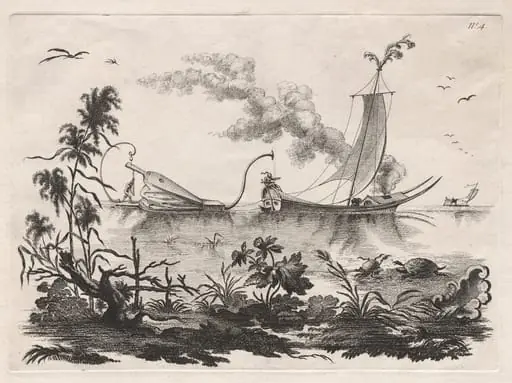 The Manner of sailing by the power of Bellows practiced on that Planet
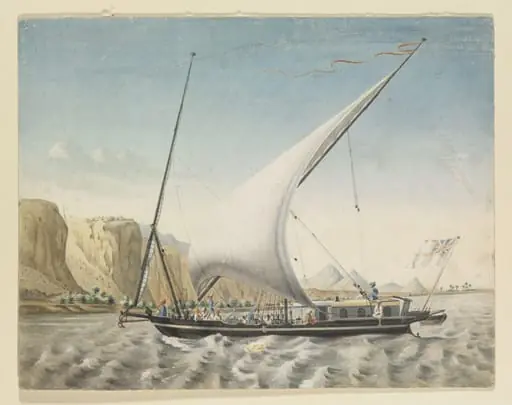 A Canja on the Nile near Qasr Ibrim, Nubia, flying a White Ensign
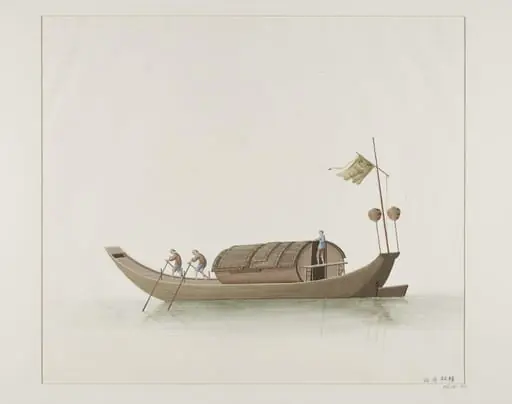 Guangxi Grain Boat