Artwork
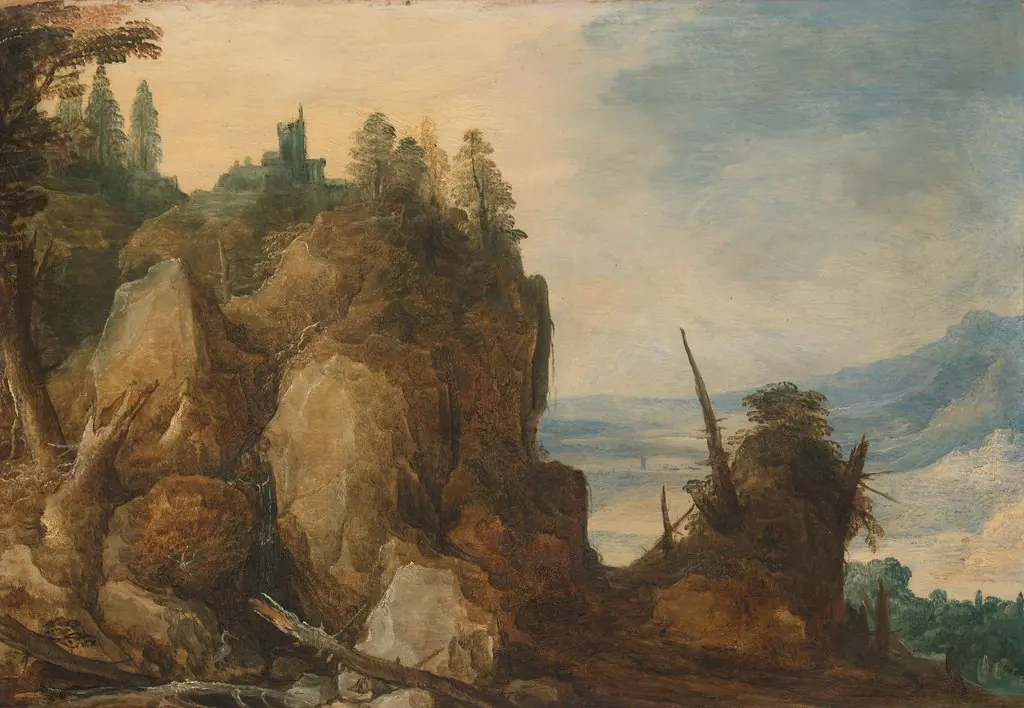
Landscape with the Fall of Phaeton
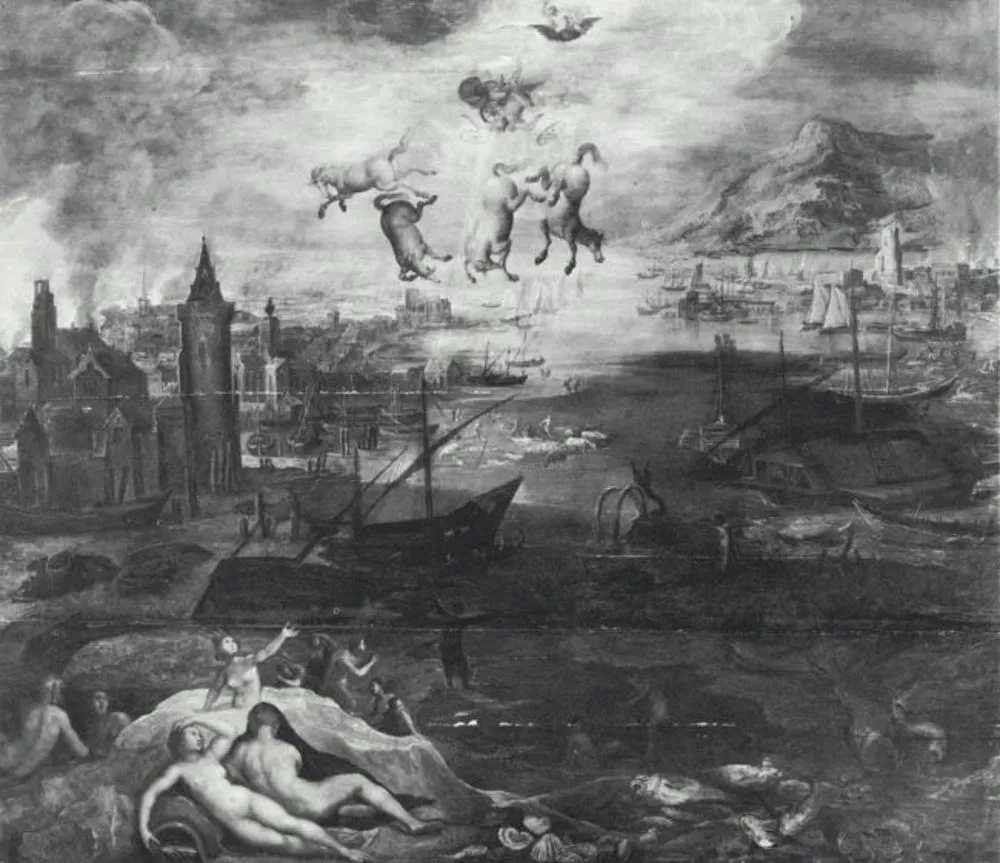
Landscape with the Fall of Phaeton is an oil painting by the Early Baroque Italian artist Joos de Momper the Younger. It dates from 1607 and is held in the collection of the Nationalmuseum.
About this work
Overview
Painted in 1607 by Joos de Momper the Younger, this oil-on-panel work captures a moment from classical myth within a vast natural setting.
Painted in 1607 by Joos de Momper the Younger, this oil-on-panel work captures a moment from classical myth within a vast natural setting. De Momper, active in Antwerp, synthesized elements of Mannerist composition with emerging Baroque naturalism. The painting’s scale and atmospheric detail reflect a shift toward immersive landscapes, influenced by earlier Netherlandish traditions, particularly those of Pieter Bruegel the Elder.
Subject & Meaning
The scene illustrates Phaeton’s downfall after losing control of the sun chariot, a mythic tale of hubris and divine retribution. Though the central event occurs subtly in the upper sky, the focus rests on the terrestrial reaction: figures below react with alarm, pointing or recoiling. The myth’s moral is conveyed not through dramatic central imagery but through the quiet chaos of ordinary witnesses, grounding the supernatural in human experience.
Technique & Style
De Momper employed oil paint to build layered atmospheres, using subtle gradations of light and shadow to suggest depth and volume. The sky’s turbulent clouds and the distant cityscape are rendered with loose, expressive brushwork, while foreground figures are more defined, creating a visual hierarchy. The chiaroscuro enhances spatial recession without overpowering the landscape’s naturalism, aligning with early Baroque tendencies toward observational realism.
History & Provenance
The painting entered the collection of the Nationalmuseum in Stockholm, where it remains today. Its documented history traces back to early 17th-century Antwerp, likely commissioned by a private collector interested in mythological landscapes. It passed through several European collections before its acquisition by the museum, reflecting broader 17th-century tastes for myth-infused natural scenes among Northern European patrons.
Context
In early 17th-century Flanders, landscape painting was evolving from symbolic backdrops to autonomous subjects. De Momper’s work responds to this shift, embedding myth within detailed, believable terrain. Unlike Italian treatments that centered gods, Flemish artists like him emphasized human and environmental responses, aligning with a regional preference for earthly observation over idealized grandeur.
Legacy
This painting exemplifies how Flemish artists adapted classical narratives into everyday visual language. De Momper’s integration of myth into expansive, atmospheric landscapes influenced later generations of Northern painters who prioritized mood and environment over narrative clarity. His approach helped cement landscape as a legitimate and enduring genre in European art.
Artist & collection
Artist
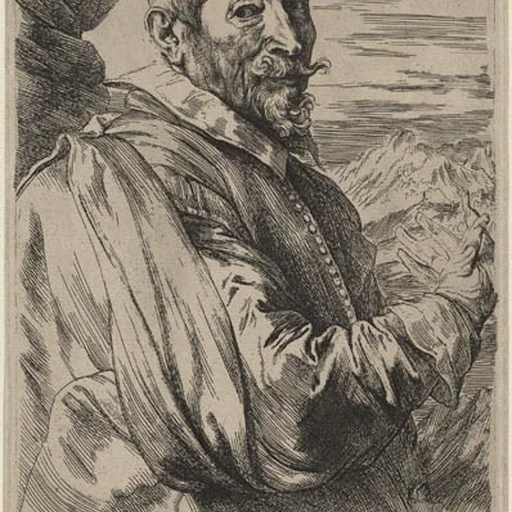
Joos de Momper the Younger or Joost de Momper the Younger (c. 1564 – 5 February 1635) was a Flemish landscape painter active in Antwerp between the late 16th century and the early 17th century. Brueghel's influence is…

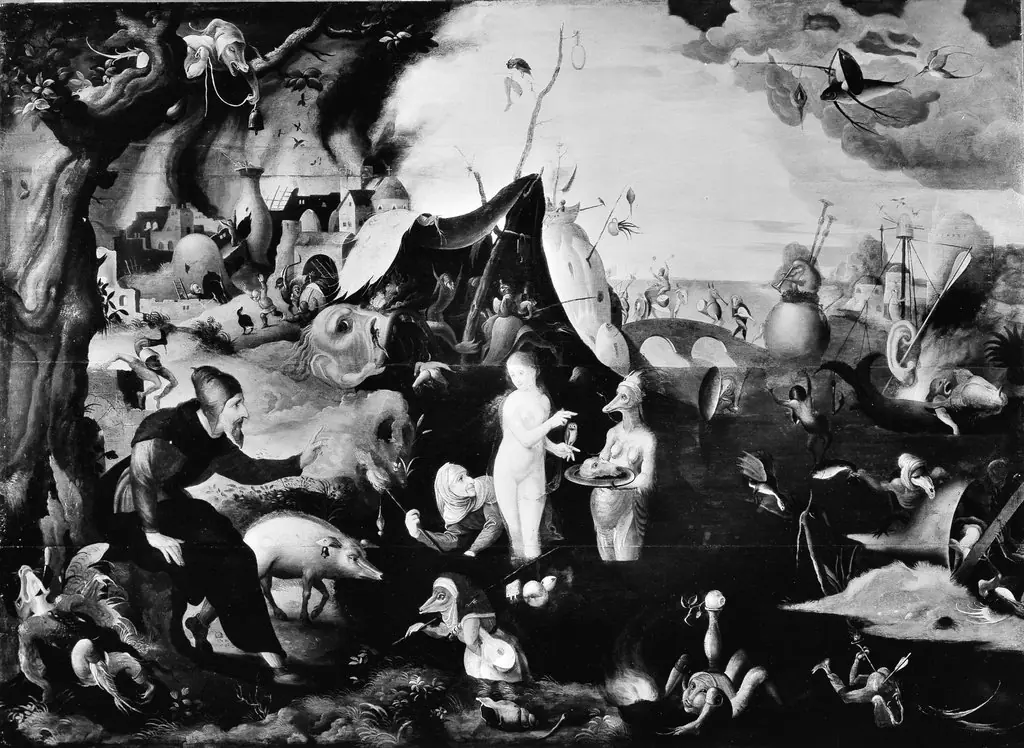 The Temptation of Saint Anthony
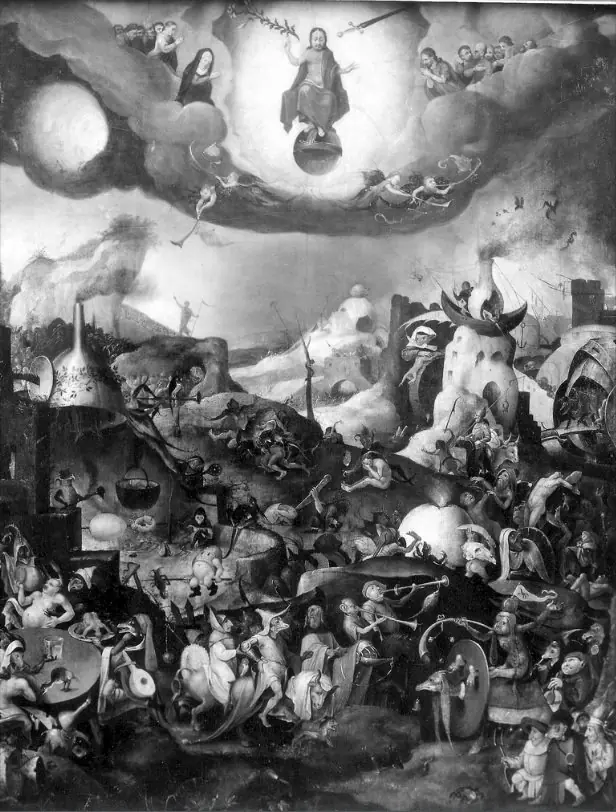 The Last Judgment
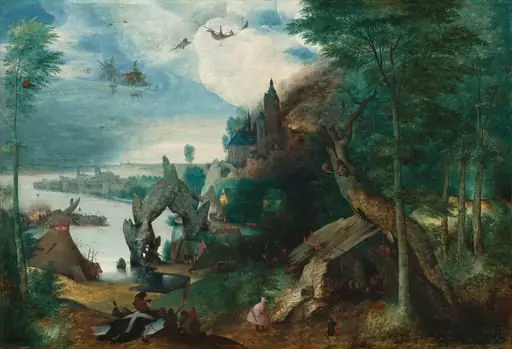 The Temptation of Saint Anthony
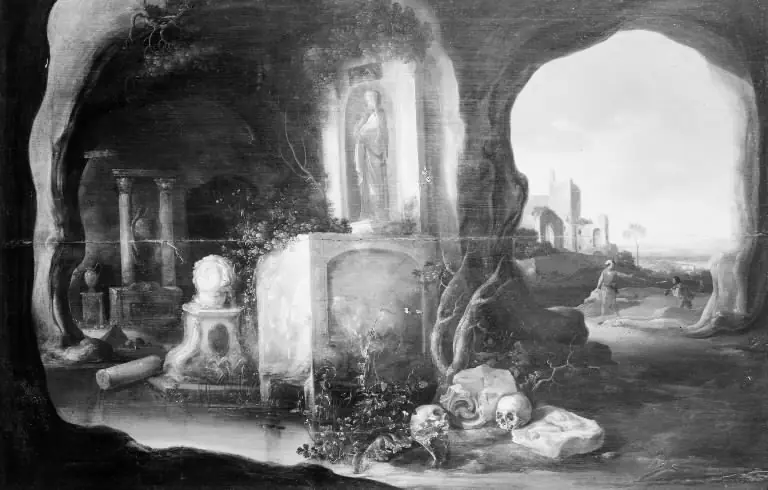 A Mountain Cave
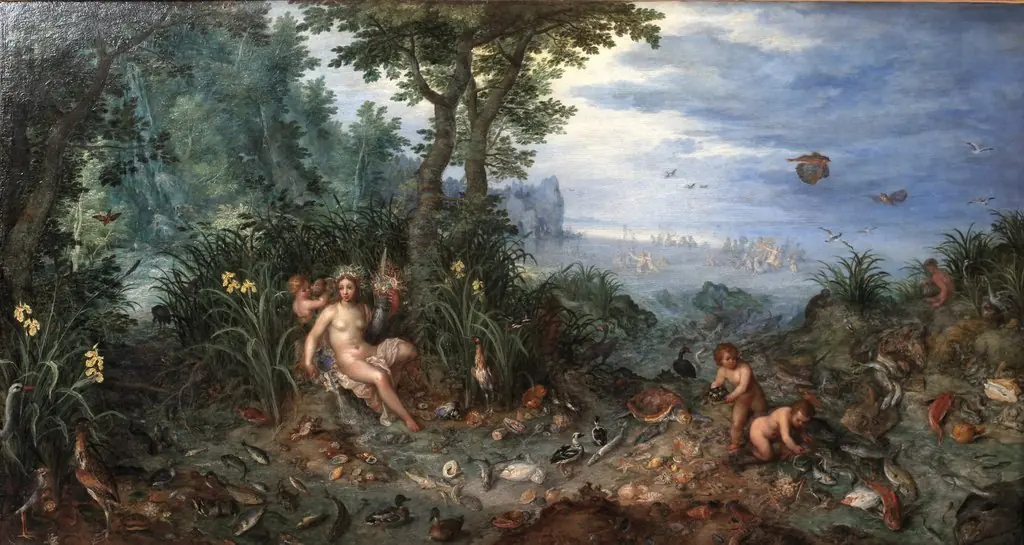 Water
Water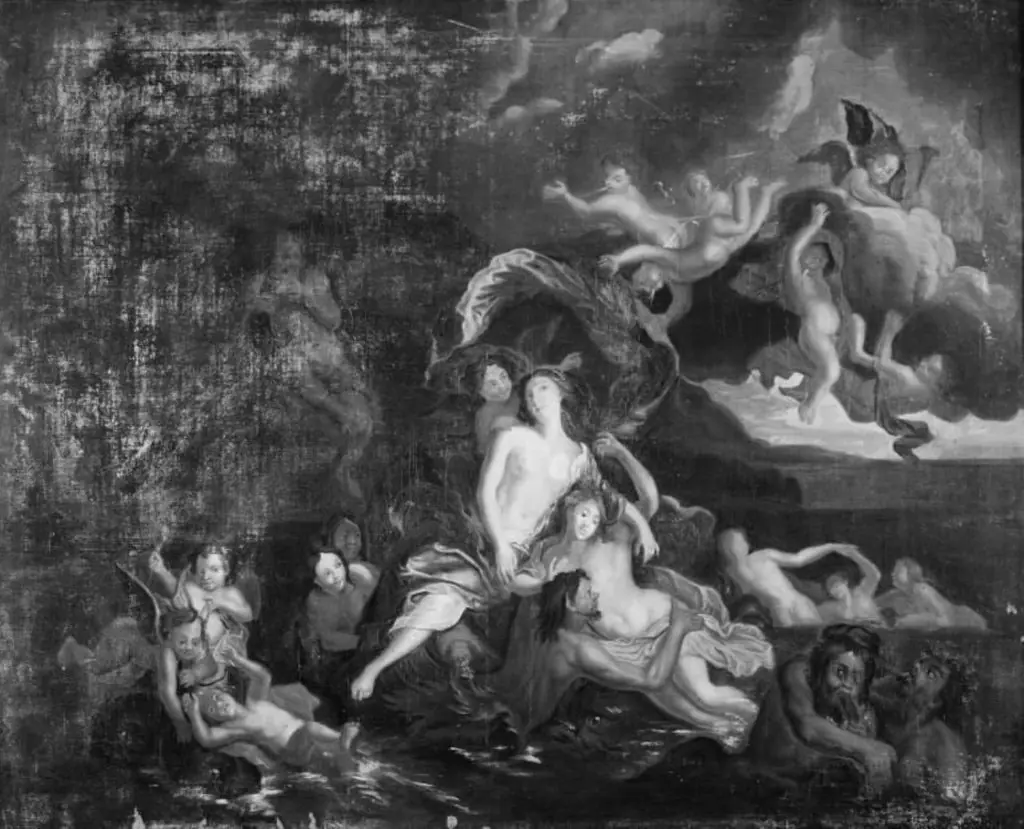 Galathea føres over havet, ledsaget af nymfer, tritoner og amoriner
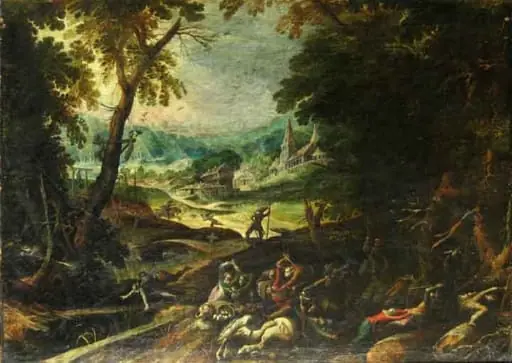 Atacul hoților
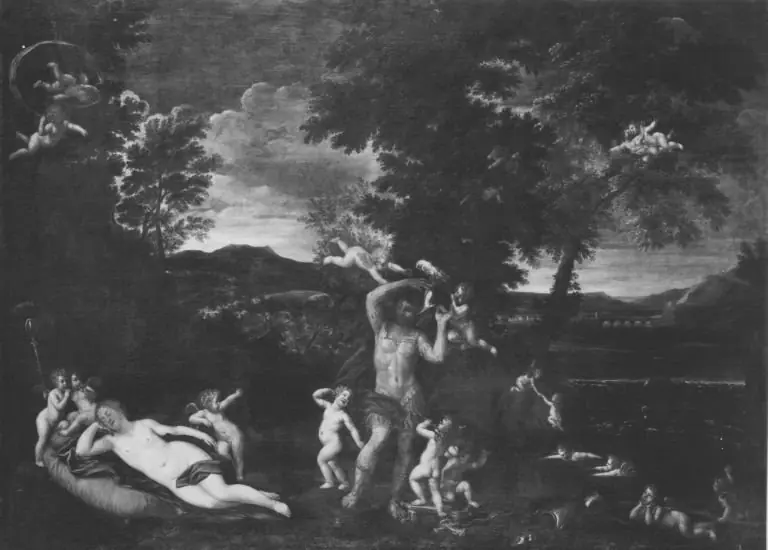 Venus, von Mars belauscht
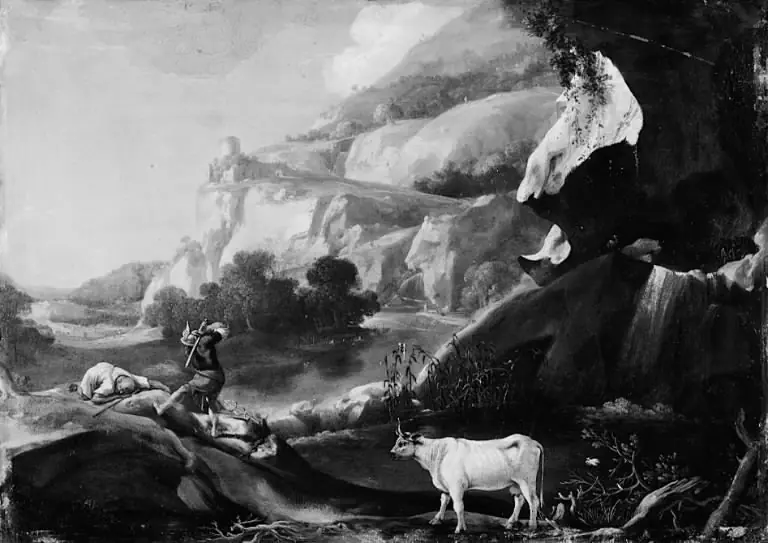 Landscape with Mercury and Argus
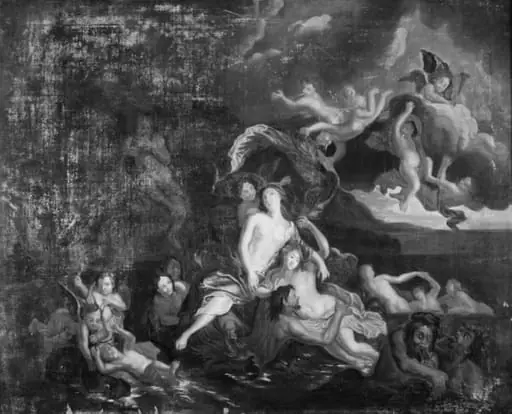 Galathea føres over havet, ledsaget af nymfer, tritoner og amoriner
 Saint Christopher
 The Apotheosis of the Arts