Artwork
Portrait of an Unknown Man
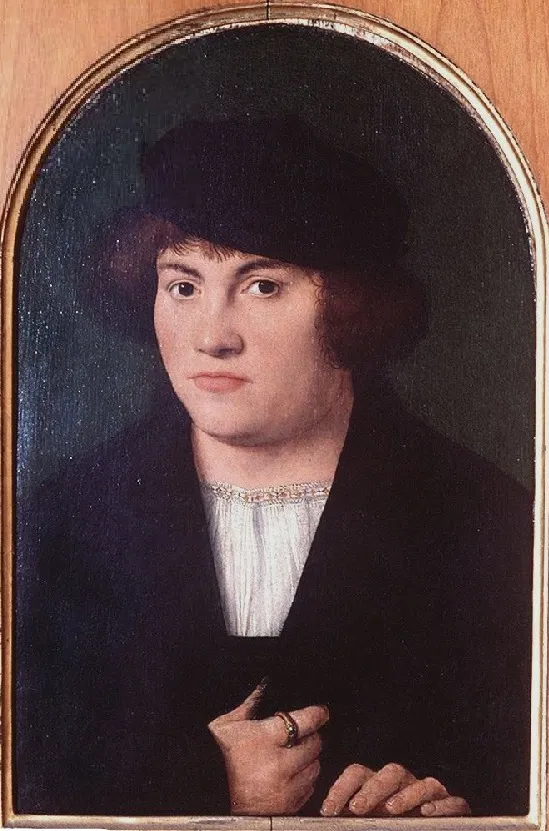
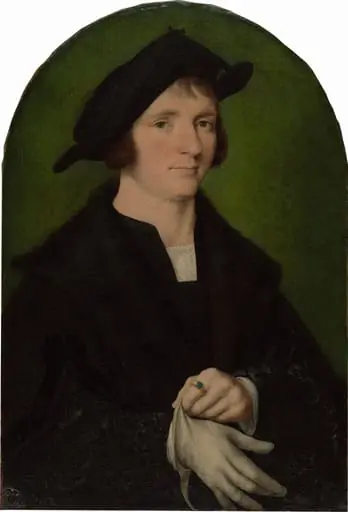
Portrait of an Unknown Man is an oil painting by the Northern Renaissance artist Joos van Cleve. It dates from 1512 and is held in the collection of the Uffizi Gallery.
About this work
Overview
Its compact scale and intimate focus align with the era’s preference for personal, psychologically grounded depictions rather than grand ceremonial imagery.
Painted in 1512 by Joos van Cleve, this oil portrait captures an unidentified man in mid-30s attire, likely a merchant or civic figure from Antwerp. Executed during the Northern Renaissance, the work reflects van Cleve’s position as a leading portraitist in a thriving artistic center. Its compact scale and intimate focus align with the era’s preference for personal, psychologically grounded depictions rather than grand ceremonial imagery.
Subject & Meaning
The sitter’s identity remains unknown, but his dignified bearing, plain yet refined clothing, and direct gaze suggest a person of modest wealth and social standing. The absence of symbols or heraldry implies a focus on individual presence rather than lineage or profession. His serious expression and steady eye contact convey quiet self-possession, characteristic of portraiture that valued inner character over external display.
Technique & Style
Van Cleve employed oil paint with precision, layering thin glazes to model the man’s face with subtle gradations of light and shadow. The chiaroscuro technique enhances the three-dimensionality of his features, particularly the jawline and cheekbones. The dark background isolates the figure, directing attention to the texture of fabric, the sheen of skin, and the quiet intensity of his gaze, all rendered with meticulous attention to detail.
History & Provenance
The painting entered the Uffizi Gallery’s collection in the 18th century, though its earlier ownership is undocumented. It was likely produced in van Cleve’s Antwerp workshop, which operated under the Guild of Saint Luke and produced both religious panels and secular portraits. Its survival in good condition suggests it was preserved by a private collector before entering institutional hands.
Context
In early 16th-century Antwerp, portraiture flourished alongside growing urban prosperity and humanist ideals. Artists like van Cleve synthesized the detailed realism of Early Netherlandish painting with the emerging Renaissance emphasis on individuality. This portrait reflects a shift from symbolic representation toward psychological realism, mirroring broader cultural changes in how identity and status were perceived.
Legacy
Van Cleve’s approach influenced later Northern portraitists through his balanced composition and restrained expressiveness. While not widely celebrated in his own time outside the Low Countries, his works, including this portrait, remain important examples of how regional traditions adapted Renaissance ideals. The painting continues to serve as a reference for studying the evolution of secular portraiture in Northern Europe.
Artist & collection
Artist
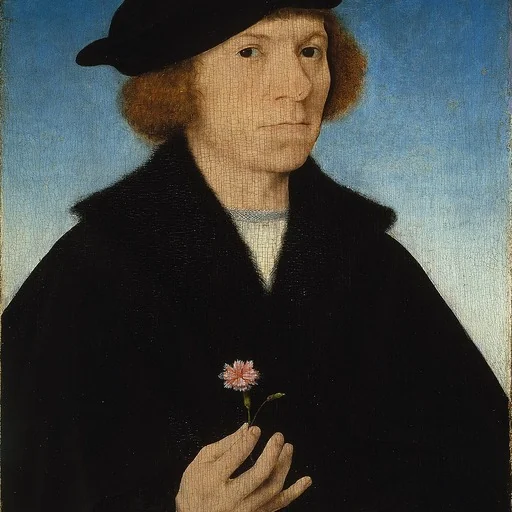
Joos van Cleve (; also Joos van der Beke; c. 1485–1490 – 1540/1541) was a leading painter active in Antwerp from his arrival there around 1511 until his death in 1540 or 1541. Within Dutch and Flemish Renaissance…

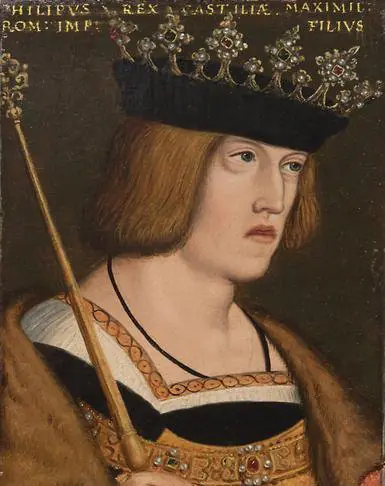 Porträt des König Philipp I. des Schönen
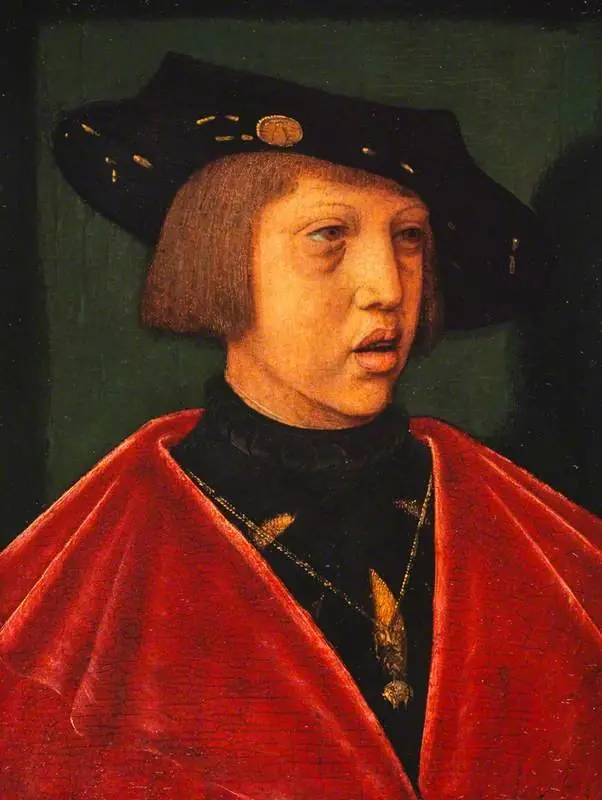 The Emperor Charles V (1500 - 1558) as a Child
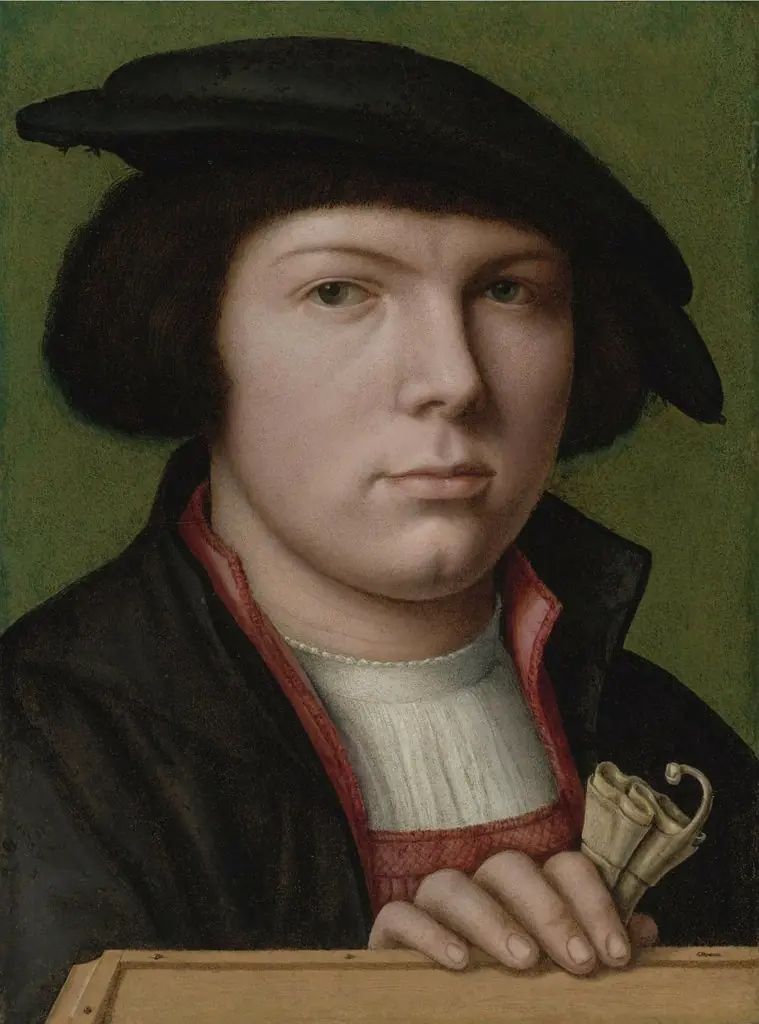 Portrait of a young man
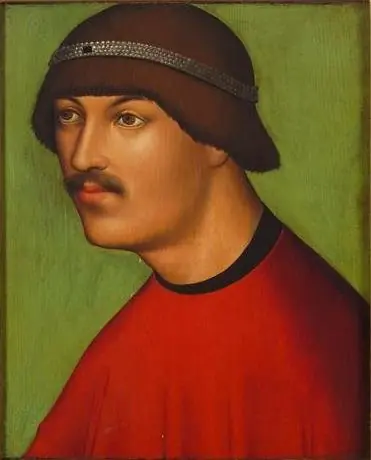 König Albrecht II. (1397-1439), Brustbild
 Portrait of a Man
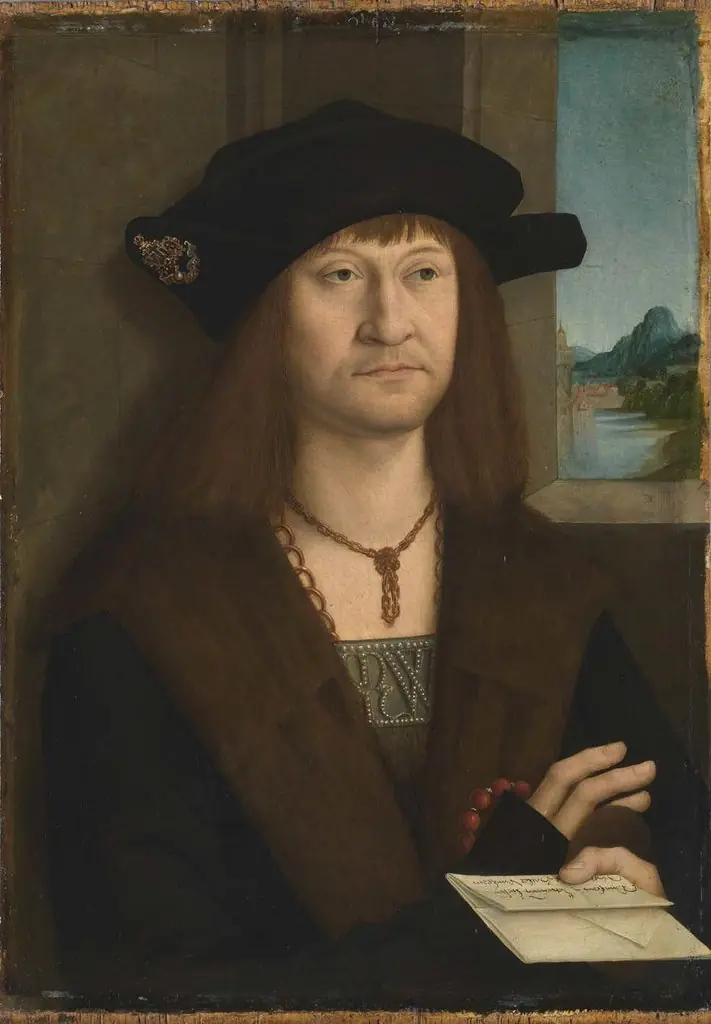 Bildnis des Hieronymus II. Haller zu Kalchreuth
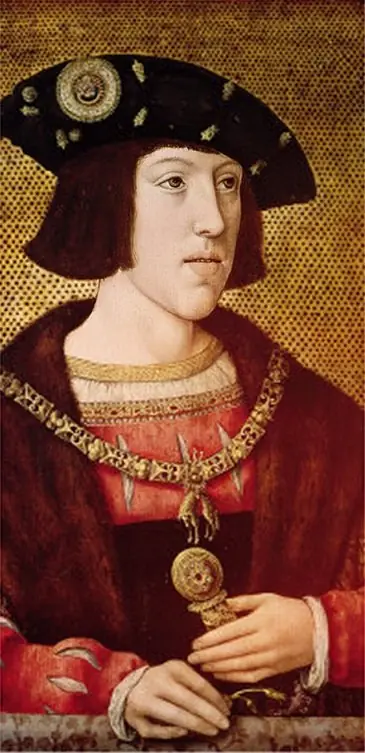 Portrait of Charles V
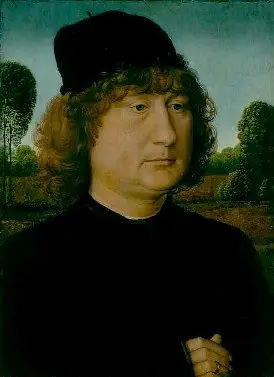 Portrait of a Man
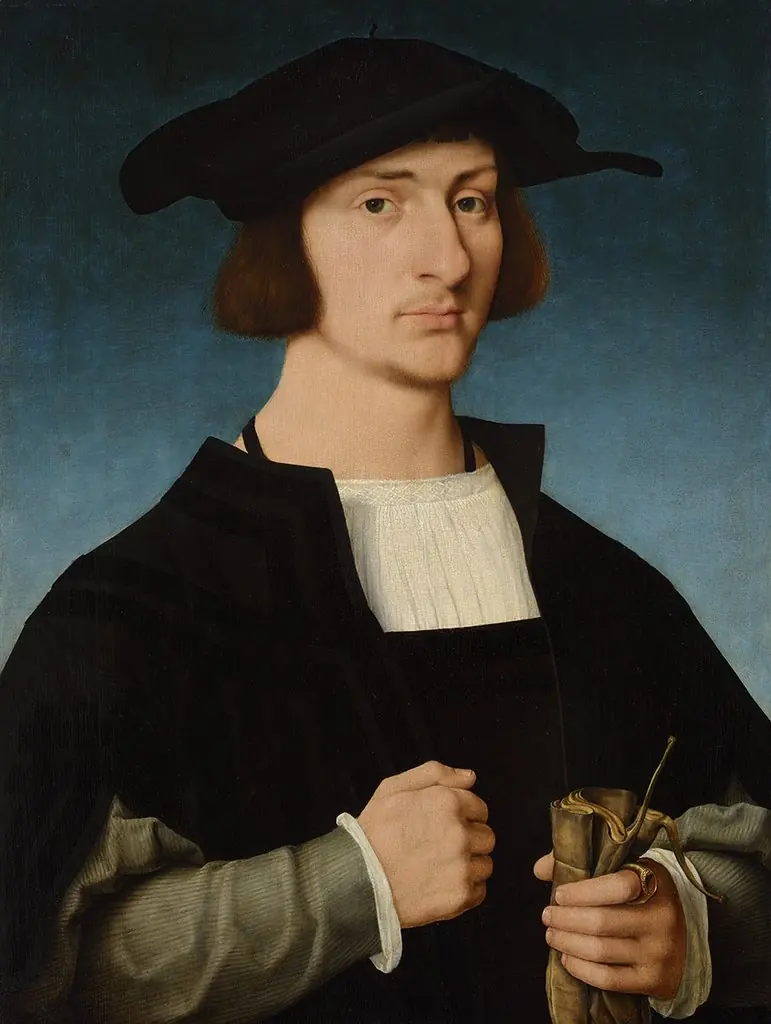 Portrait of a Young Man (Lyons)
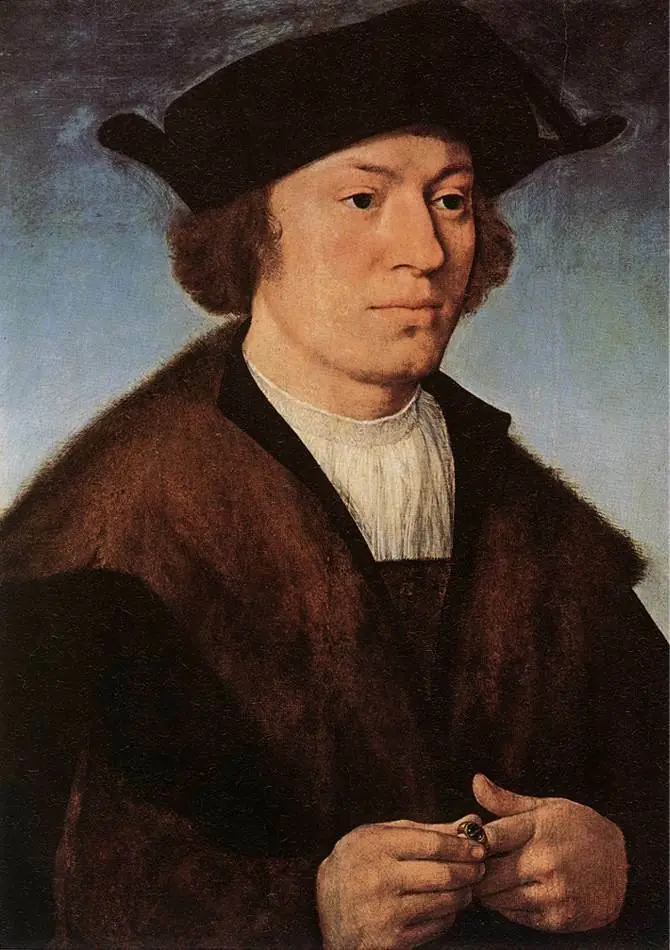 Portrait of a man
 Portrait of a young man
 Portrait of Heinrich Knoblauch