Artwork
Dama con abanico
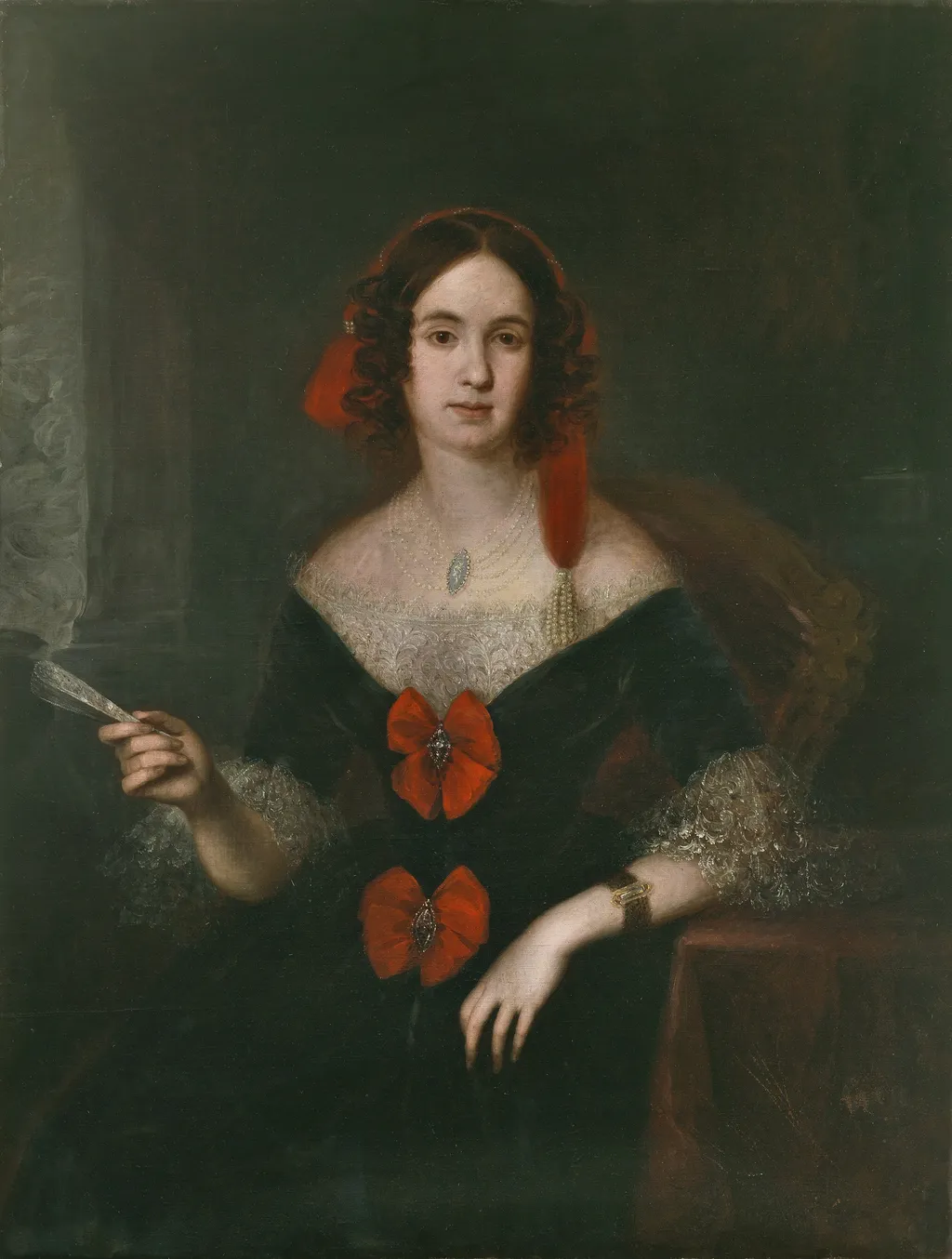
Dama con abanico is an oil painting by José Gutiérrez de la Vega. It dates from 1845 and is held in the collection of the Museo del Prado.
About this work
Overview
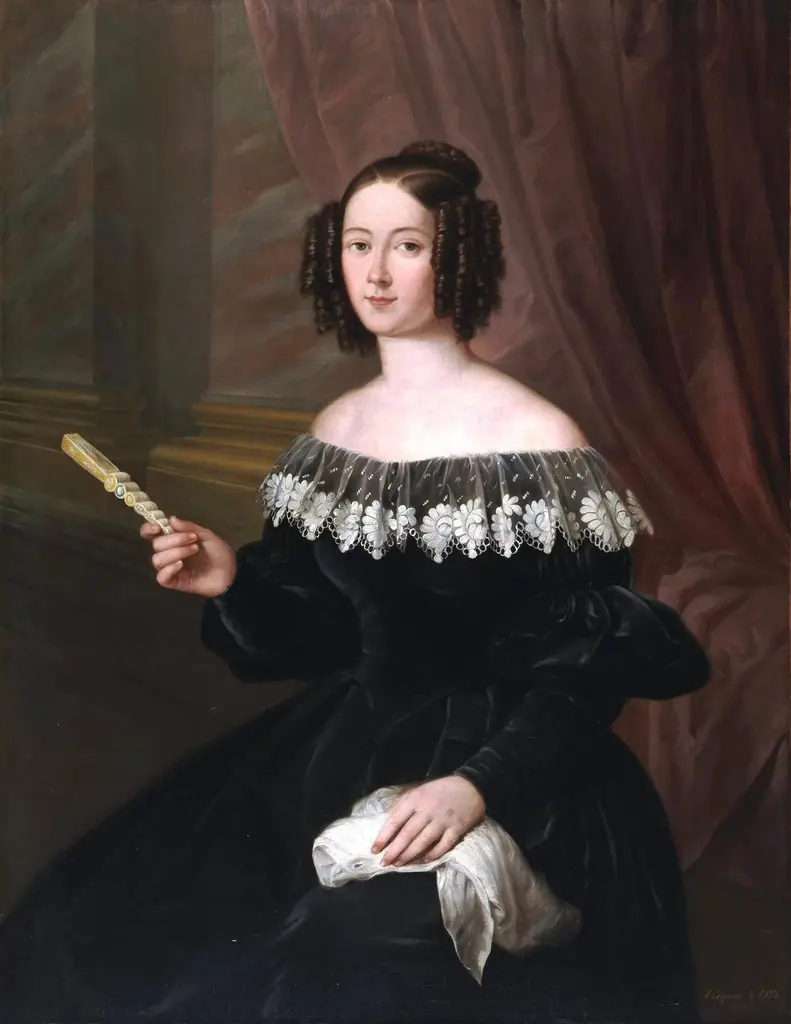
Created in 1845 by Spanish painter José Gutiérrez de la Vega, *Dama con abanico* is an oil on canvas portrait. The work presents a solitary female figure seated before a dark, unadorned backdrop, drawing attention to her attire and the delicate objects she holds.
Subject & Meaning
The sitter is shown in an elegant, somber dress accented with vivid red blossoms on the sleeves and a matching ribbon in her hair. In one hand she grips a small hand‑fan, while a gemstone rests on the other, suggesting refinement and perhaps a hint of personal adornment.
Technique & Style
Gutiérrez de la Vega employs a subtle chiaroscuro, allowing the woman's face to emerge from surrounding shadows with a gentle illumination. The contrast between the deep fabric and the bright floral detail creates a restrained yet striking visual emphasis, while the smooth brushwork conveys the texture of silk and metal.
History & Provenance
Since its completion, the painting has become part of the Museo del Prado’s collection, where it is displayed among other 19th‑century Spanish portraits. Its accession reflects the museum’s effort to represent the breadth of Gutiérrez de la Vega’s output, which includes both religious commissions and secular portraiture.
Context
The work belongs to a period in Spanish art when portraiture served both as a record of individual status and as a vehicle for exploring contemporary fashions. Gutiérrez de la Vega, known for his religious scenes, applied the same meticulous attention to detail in this secular piece, aligning it with the broader European tradition of refined, intimate portraiture.
Own this work as a print
Artist & collection
Artist
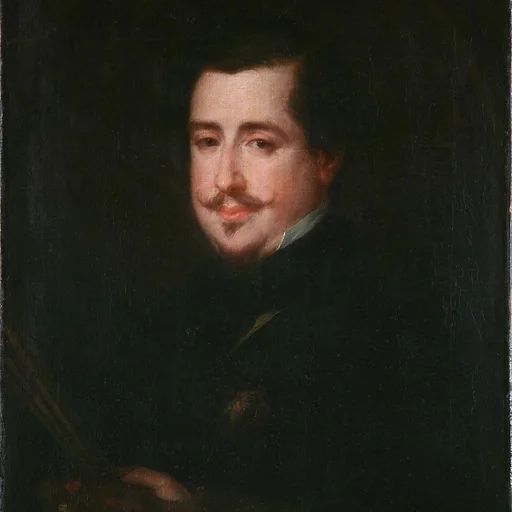
José Gutiérrez de la Vega y Bocanegra (26 December 1791 – December 1865) was a Spanish painter who specialized in portraits and religious subjects.

 Amparo Romero
 Skuespilleren Anna Nielsen
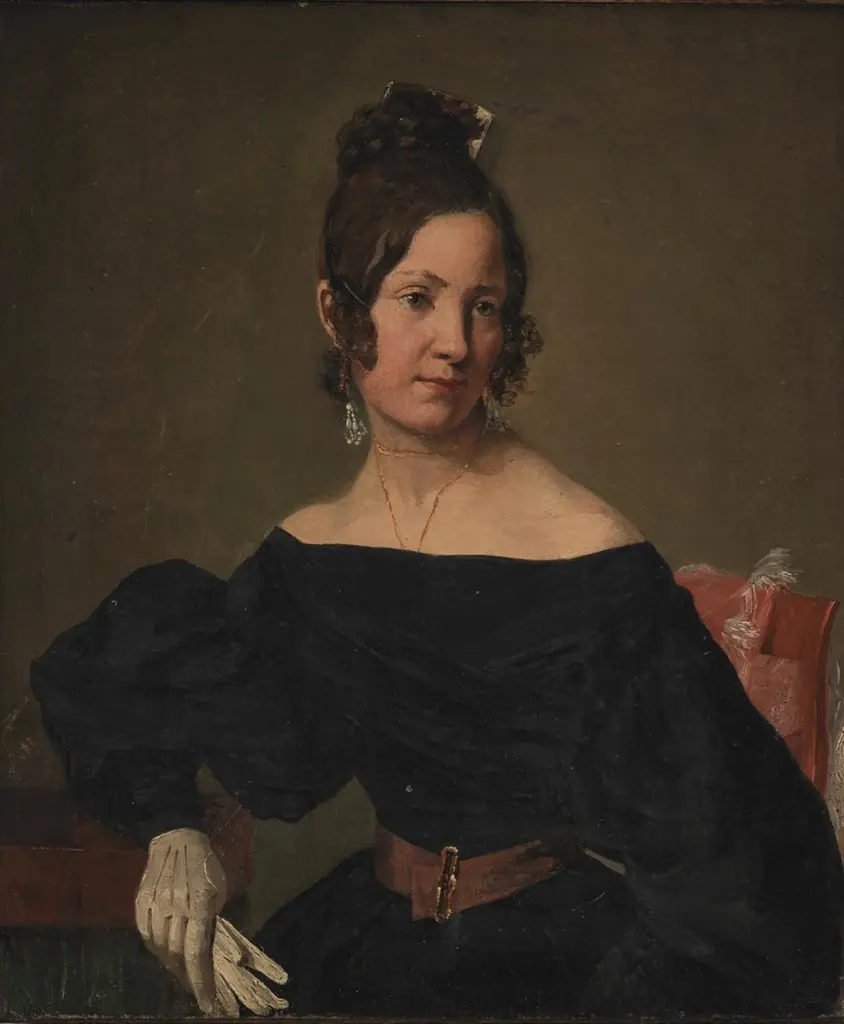 Actress Anna Nielsen
 Portrait of a Woman
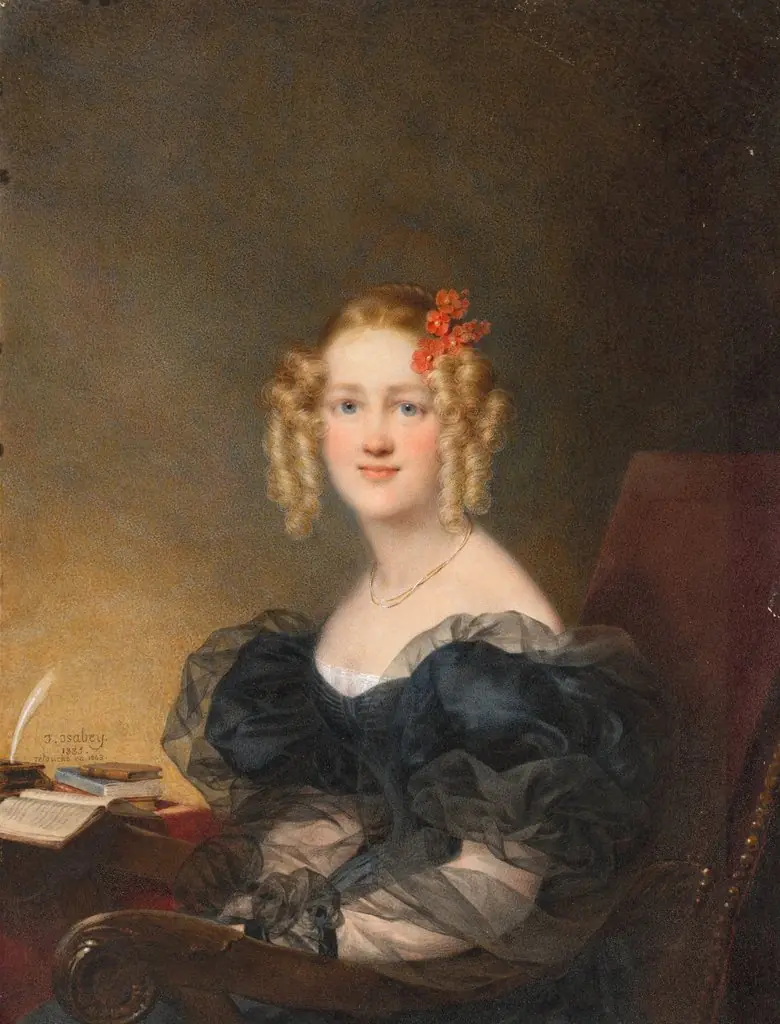 Portrait of a Woman
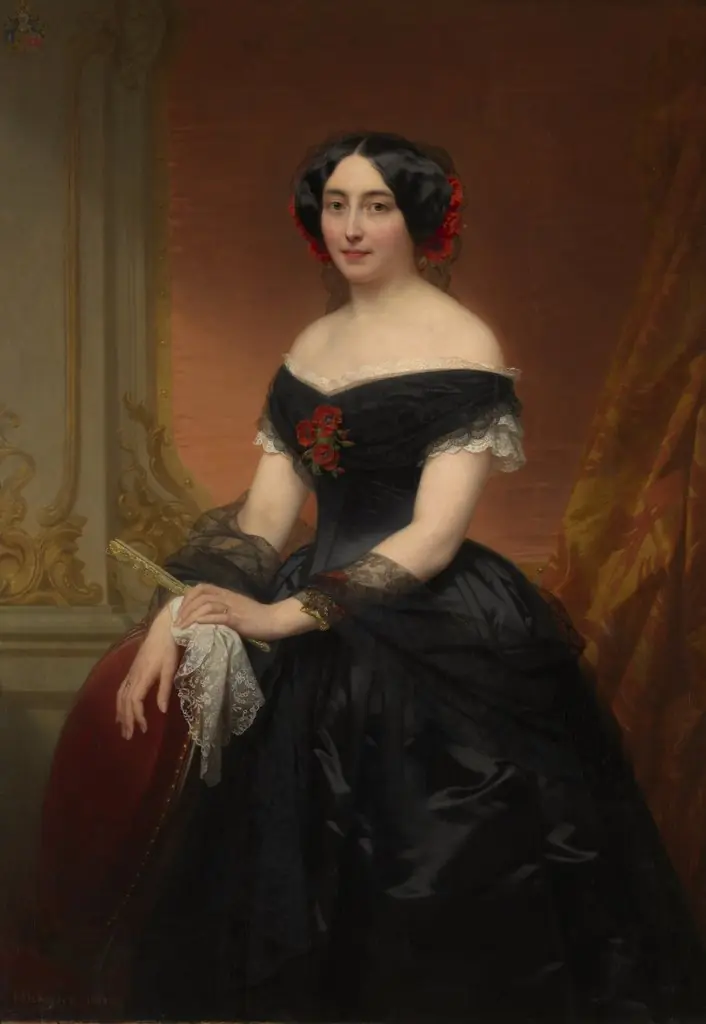 Madame Mols-de Brialmont
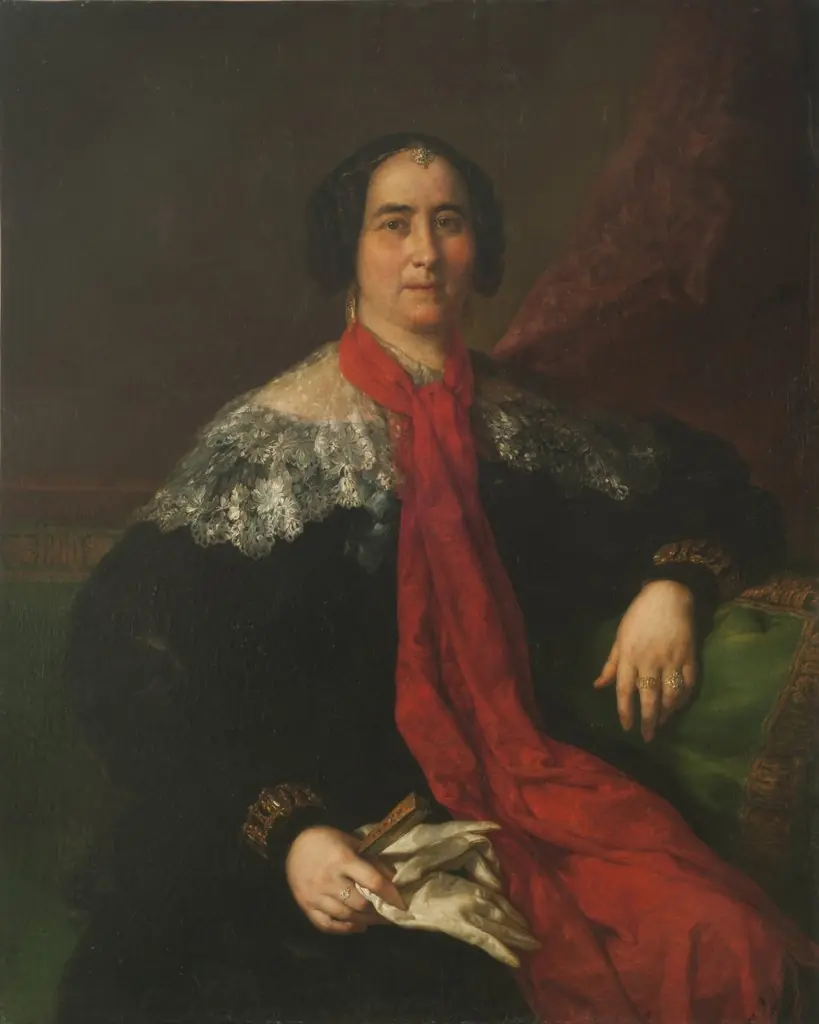 Spanish lady
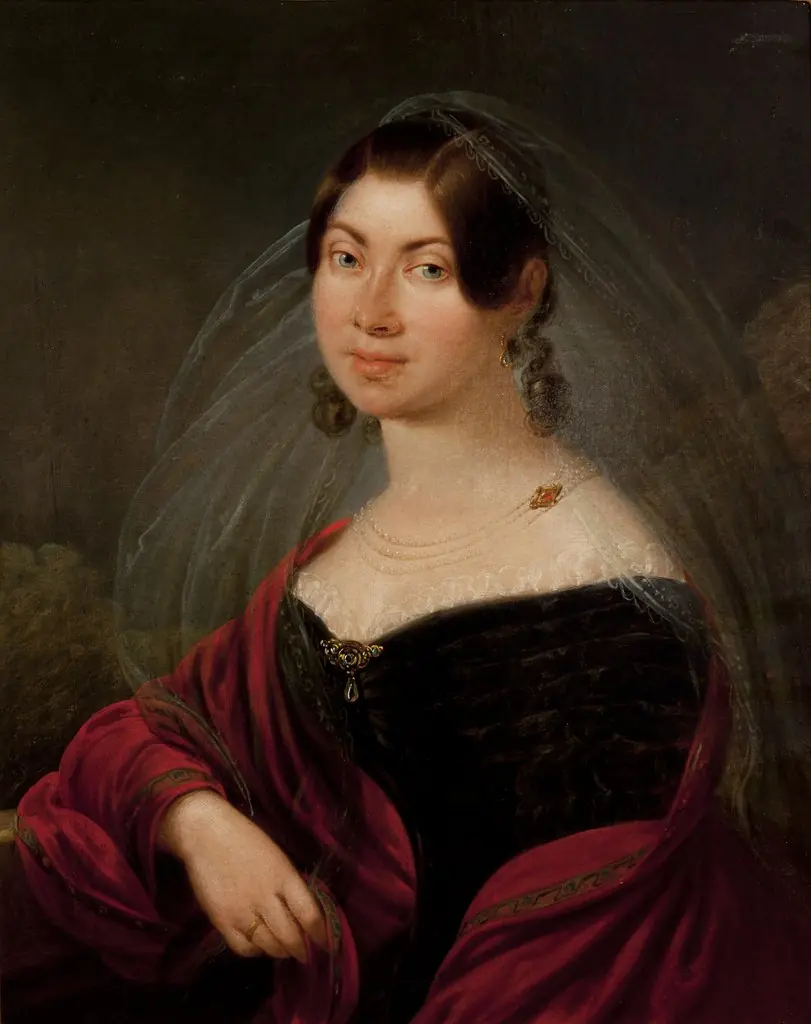 Portrait of Teresa Żebrawska née Hanowicz
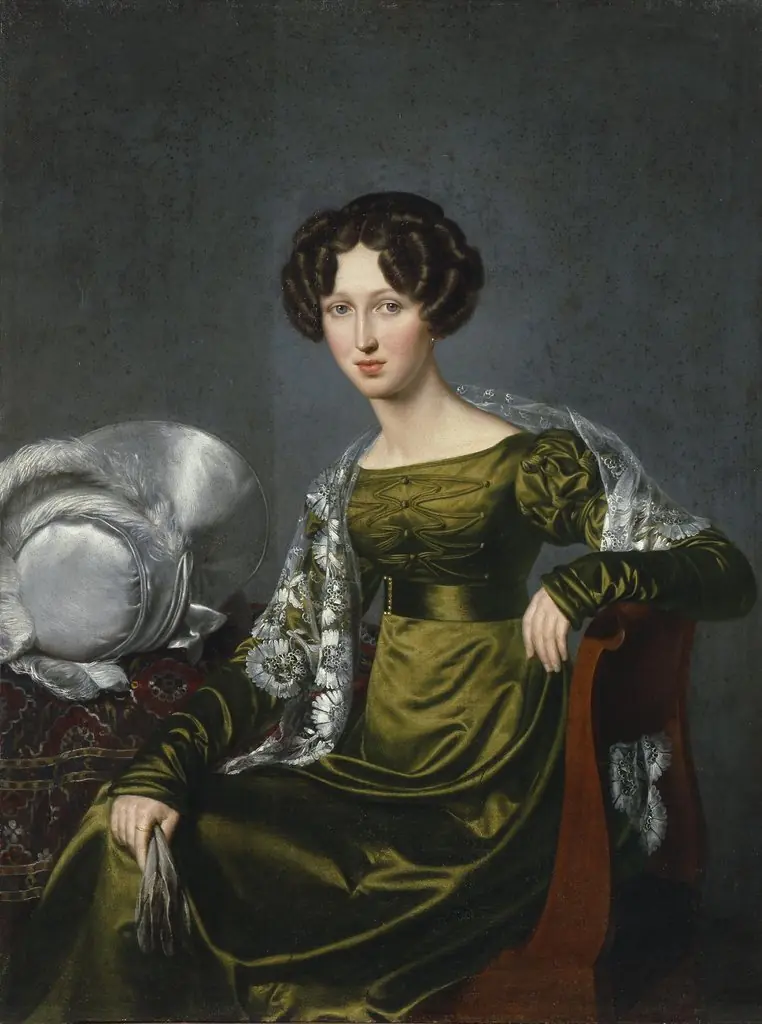 Portrait of Yelizaveta Paskaya-Sharapova
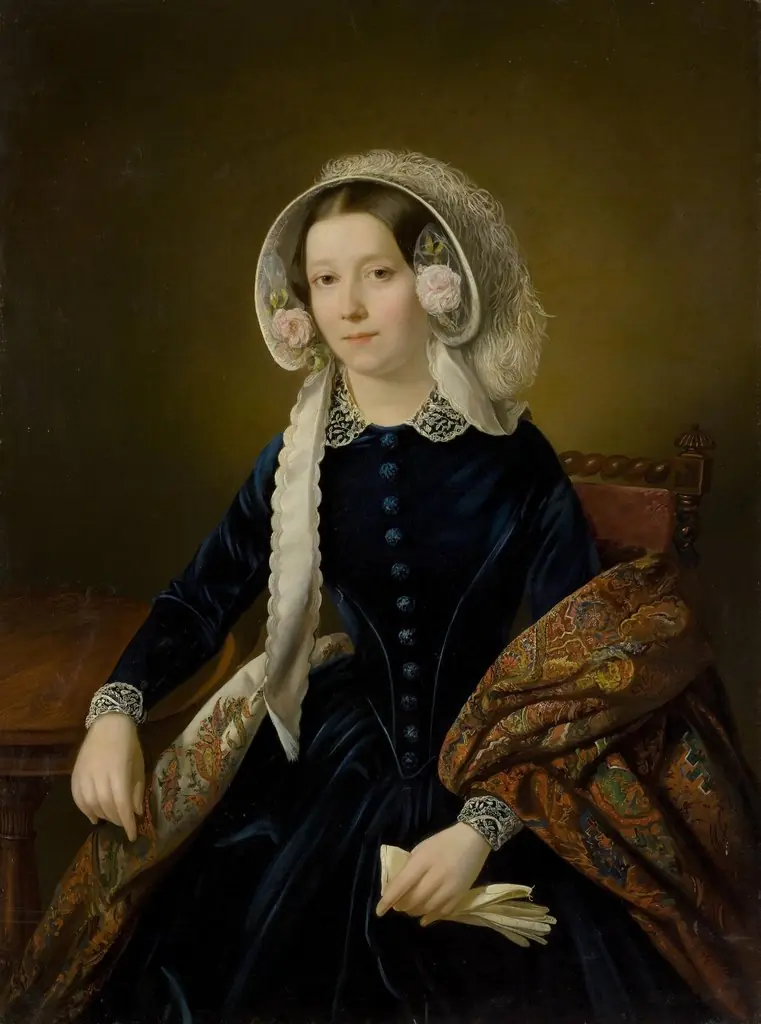 Portrait of the Mother of Kobylinsky, Member of the State Council
 Portrait of a lady in a cap
 Pilar Gandiola