Artwork
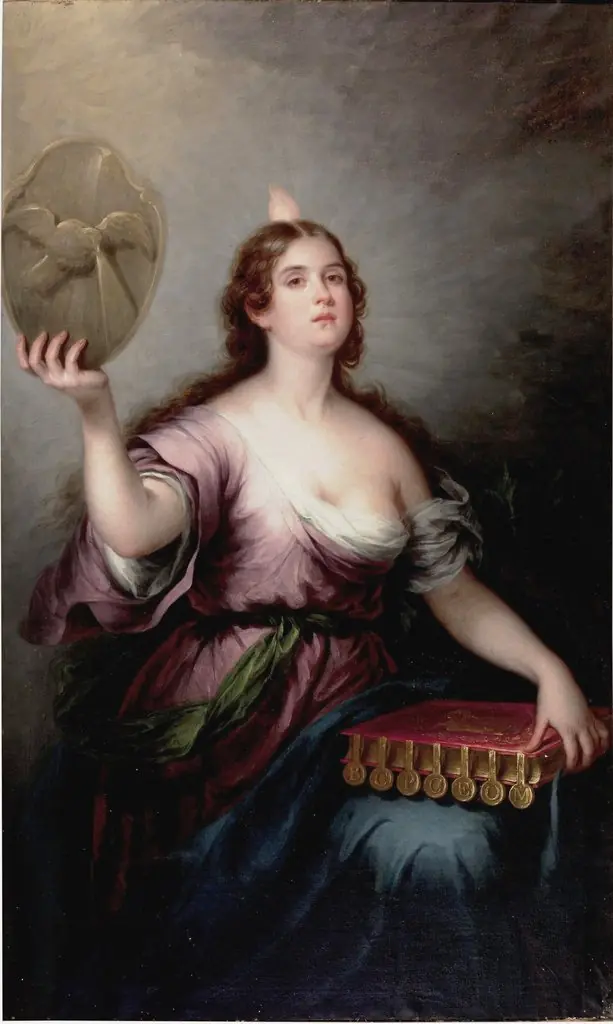
Alegoría del Nuevo Testamento
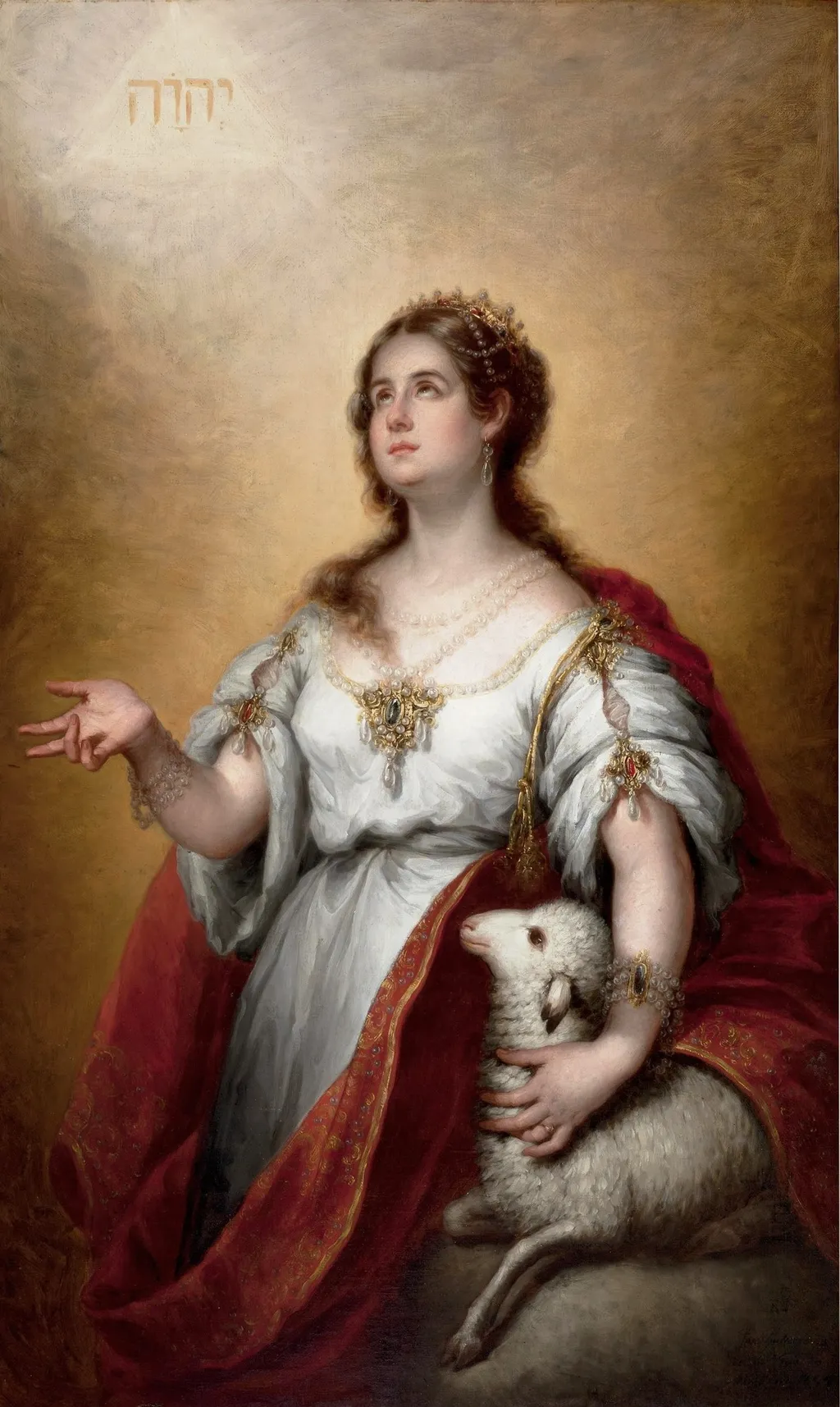
Alegoría del Nuevo Testamento is an oil painting by José Gutiérrez de la Vega. It dates from 1844 and is held in the collection of the Museo del Prado.
About this work
Overview
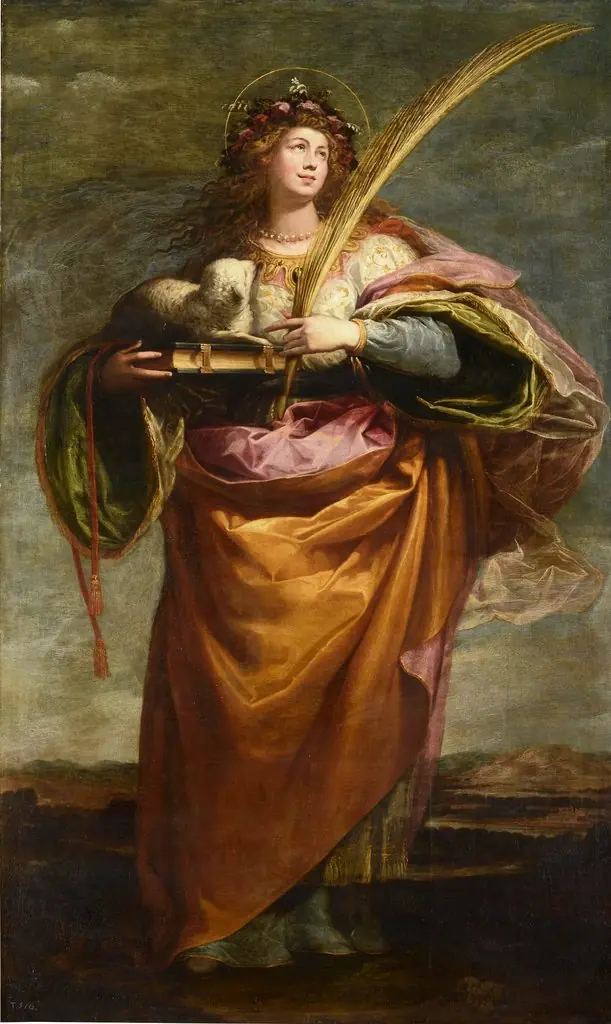
Created in 1844 by Spanish artist José Gutiérrez de la Vega, *Alegoría del Nuevo Testamento* is an oil painting that belongs to the Prado Museum’s collection. The work belongs to the artist’s series of religious and allegorical compositions, combining portraiture with symbolic elements to convey a theological theme.
Subject & Meaning
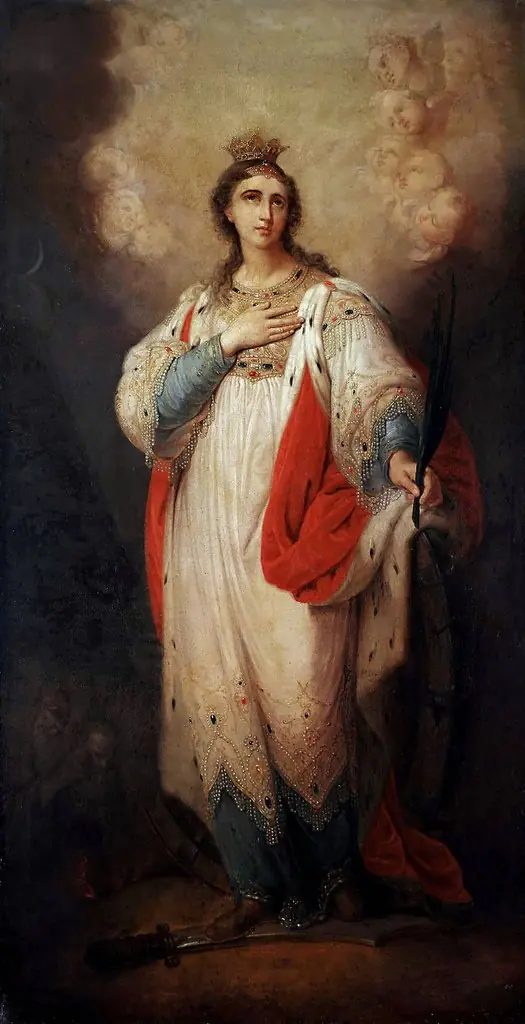
The central figure is a richly dressed woman, crowned and draped in a white gown edged with gold and a red mantle. She cradles a small white lamb in her left arm, a traditional emblem of innocence and Christ. Her raised right hand suggests a gesture of blessing or proclamation, reinforcing the painting’s reference to the New Testament.
Technique & Style
Gutiérrez de la Vega employs a restrained background that recedes into a soft focus, allowing the luminous fabrics and the delicate animal to dominate the visual field. The handling of light creates a subtle chiaroscuro effect, modeling the folds of the garments and the texture of the lamb with a tactile realism that heightens the work’s quiet drama.
History & Provenance
The painting was executed in the mid‑nineteenth century, a period when the artist was active in Madrid producing portraits and ecclesiastical commissions. After its creation, the canvas entered the national collection and is now displayed at the Museo del Prado, where it remains part of the institution’s holdings of Spanish religious art.
Own this work as a print
Artist & collection
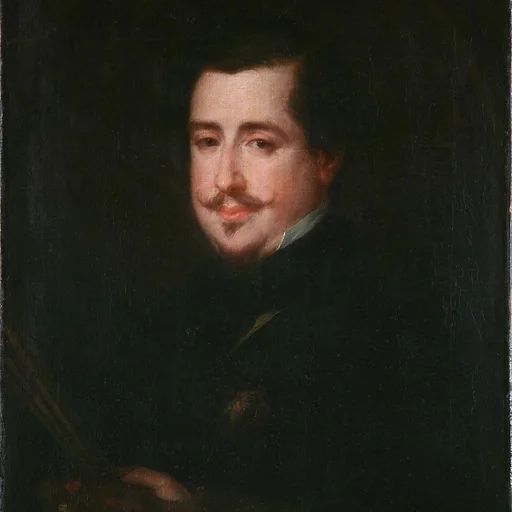
Artist
José Gutiérrez de la Vega y Bocanegra (26 December 1791 – December 1865) was a Spanish painter who specialized in portraits and religious subjects.