Artwork
Portrait of Prince Peter of Oldenburg
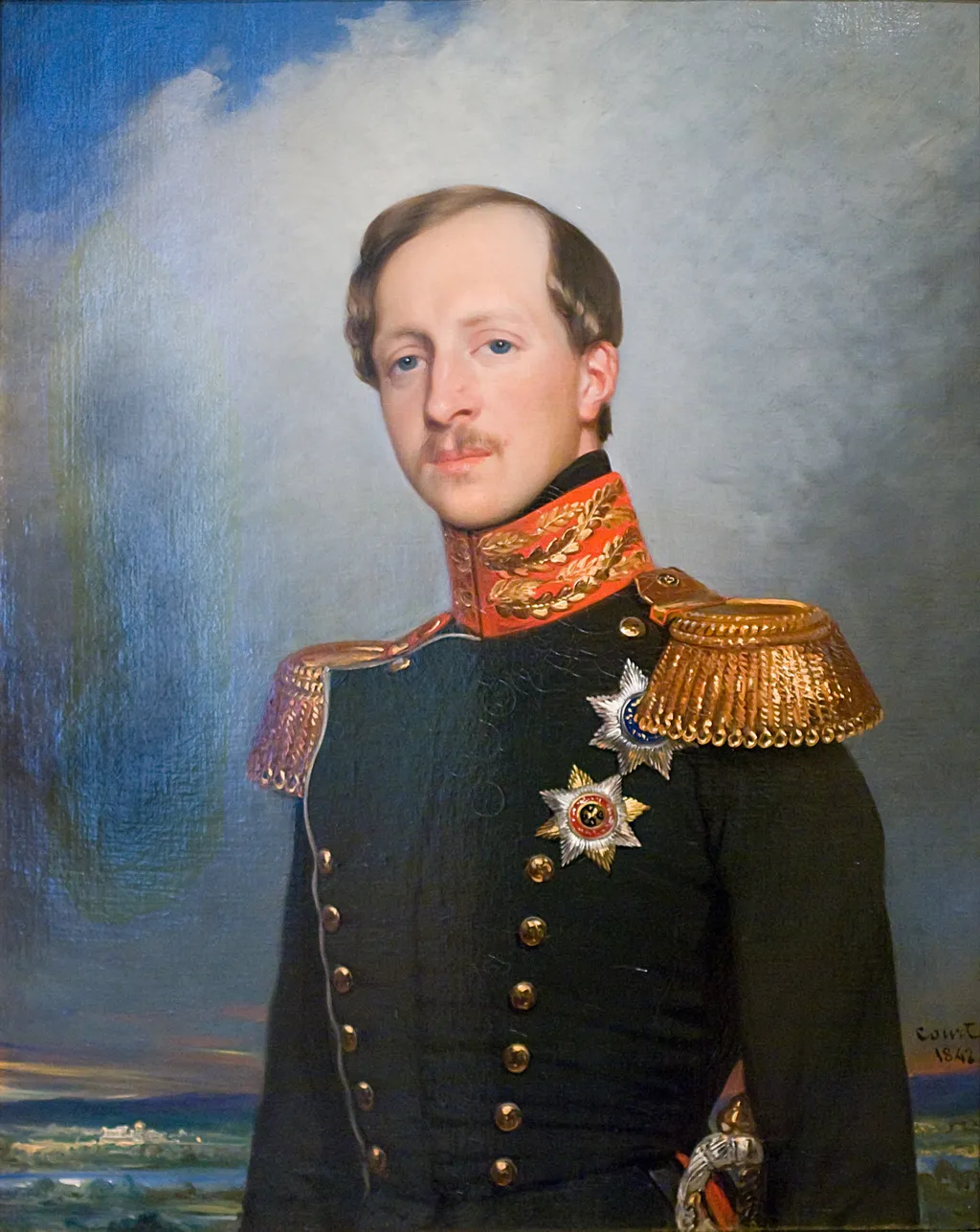
Portrait of Prince Peter of Oldenburg is an oil painting by Jean de Court. It dates from 1842 and is held in the collection of the Hermitage Museum. Painted in 1842 by French artist Joseph-Désiré Court, this oil portrait captures Prince Peter of Oldenburg in formal military attire.
About this work
Overview
The composition emphasizes dignity through controlled posture and restrained detail, typical of mid-19th-century aristocratic representation.
Painted in 1842 by French artist Joseph-Désiré Court, this oil portrait captures Prince Peter of Oldenburg in formal military attire. The work is part of the State Hermitage Museum’s collection and reflects Court’s specialization in portraiture and historical subjects. The composition emphasizes dignity through controlled posture and restrained detail, typical of mid-19th-century aristocratic representation.
Subject & Meaning
Prince Peter of Oldenburg is depicted as a military figure, his uniform marked by gold epaulets, a red collar, and a medal on the left breast. The sword at his hip and the steady gaze to the viewer’s left convey authority and composure. The portrait does not emphasize personal emotion but rather status and duty, aligning with the expectations of noble representation in imperial Russia during the period.
Technique & Style
Court employed precise brushwork to render the texture of the black uniform, metallic embellishments, and the soft gradations of the cloudy sky. The background’s muted landscape and atmospheric tones frame the figure without distraction. Lighting is even and directional, enhancing the three-dimensionality of the face and uniform while maintaining a formal, restrained aesthetic consistent with academic traditions of the time.
History & Provenance
Commissioned during Prince Peter’s time in Russia, the portrait entered the Hermitage’s collection shortly after its completion. Court, known for his work with European nobility, was likely engaged through courtly connections. The painting’s uninterrupted presence in the museum suggests it was valued as a record of imperial affiliation rather than a personal keepsake.
Context
In the 1840s, Russian aristocracy frequently commissioned portraits to affirm political and dynastic ties. Prince Peter, a member of a German noble house with ties to the Russian imperial family, was part of this network. Court’s style, rooted in French academic training, was favored in St. Petersburg for its clarity and decorum, making this portrait a product of cross-cultural elite patronage.
Legacy
The portrait remains a documented example of how European nobility used visual representation to project institutional authority. While not widely exhibited outside the Hermitage, it contributes to scholarly understanding of 19th-century portraiture as a tool of political identity. Court’s role in documenting minor royalty through precise, unembellished realism is preserved in such works.
Own this work as a print
Artist & collection
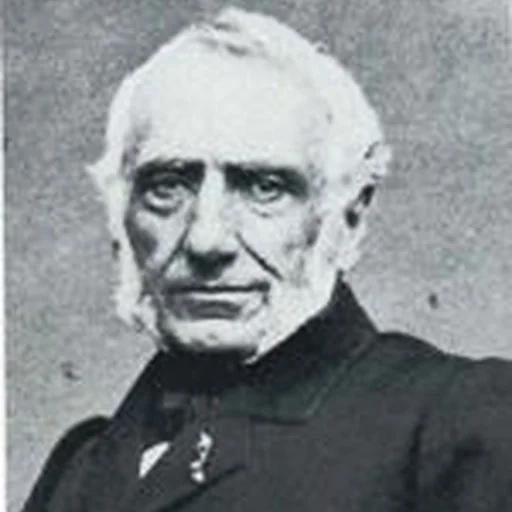
Artist
Joseph-Désiré Court (14 September 1797 – 23 January 1865) was a French painter who specialised in history painting and portrait painting.

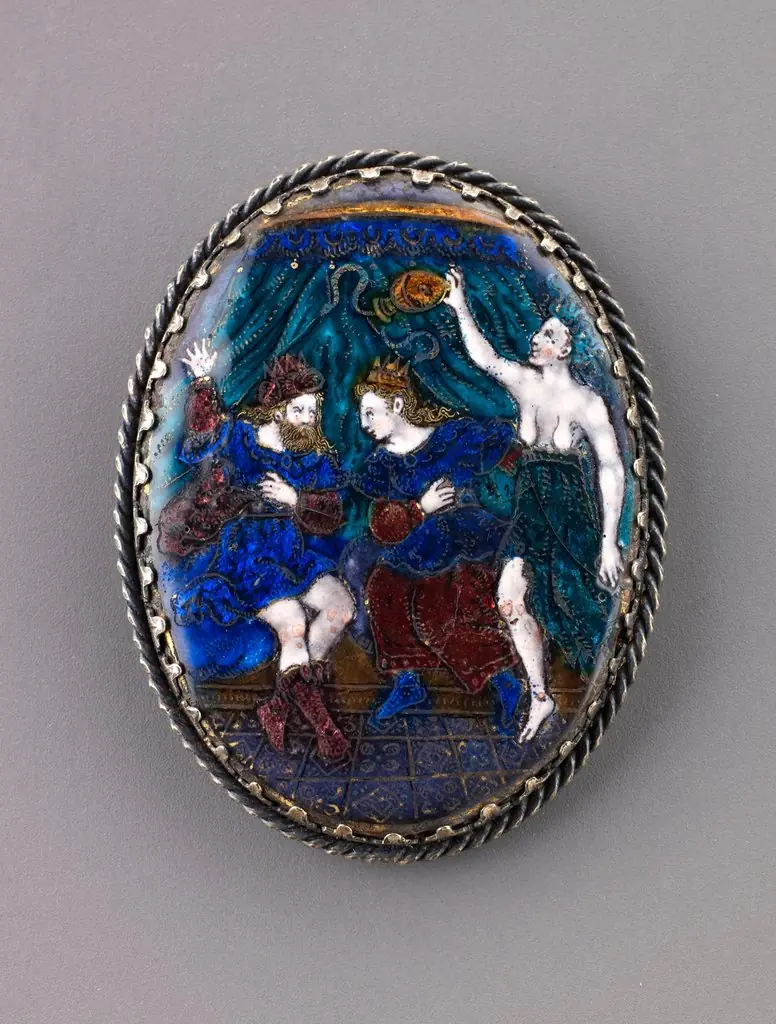 Watchcase cover: Tisiphone Casting Snakes at Athamas and Ino
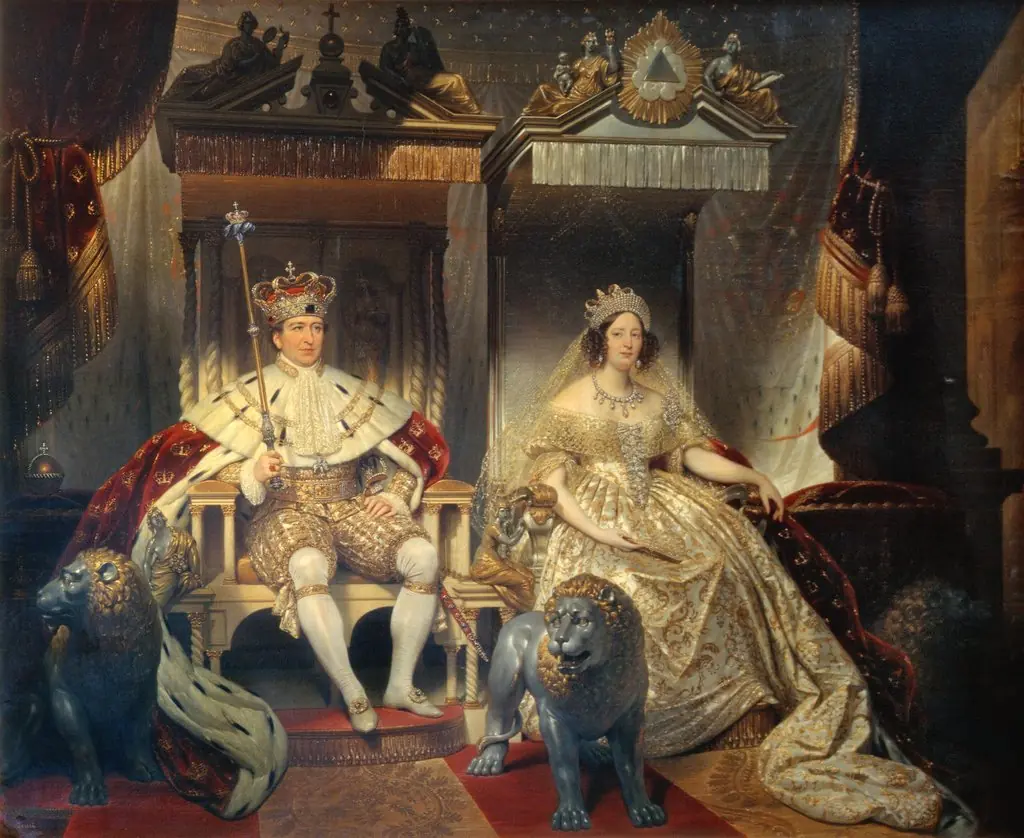 Christian VIII (1786-1848) and Queen Caroline Amalie (1796-1881) in Coronation Robes
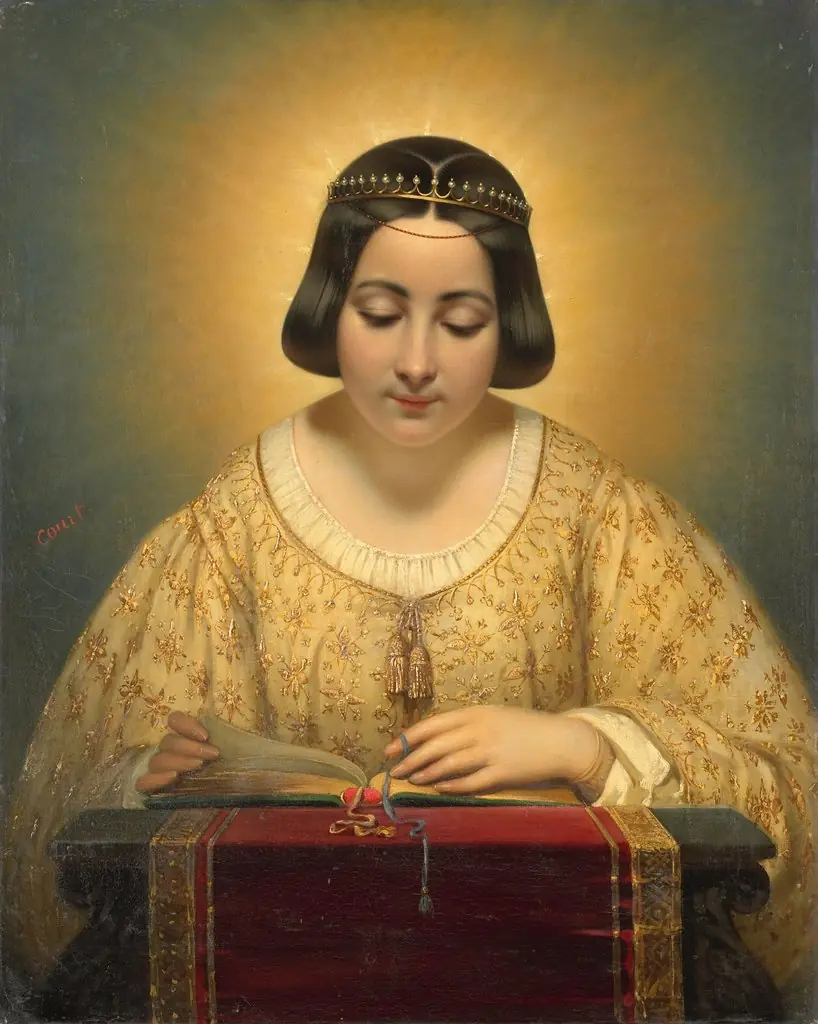 Countess de Pagès, née de Cornellan, as St Catherine
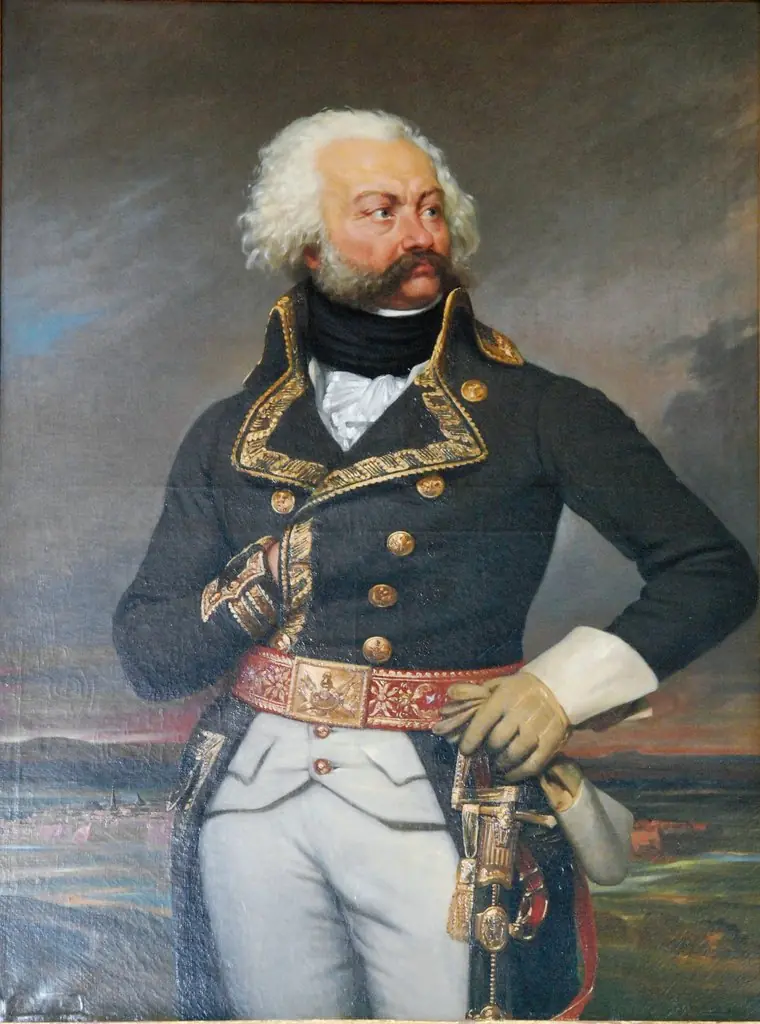 Adam-Philipe, comte de Custine, general-in-chief of the army of the Rhine in 1792 (1742-1793)
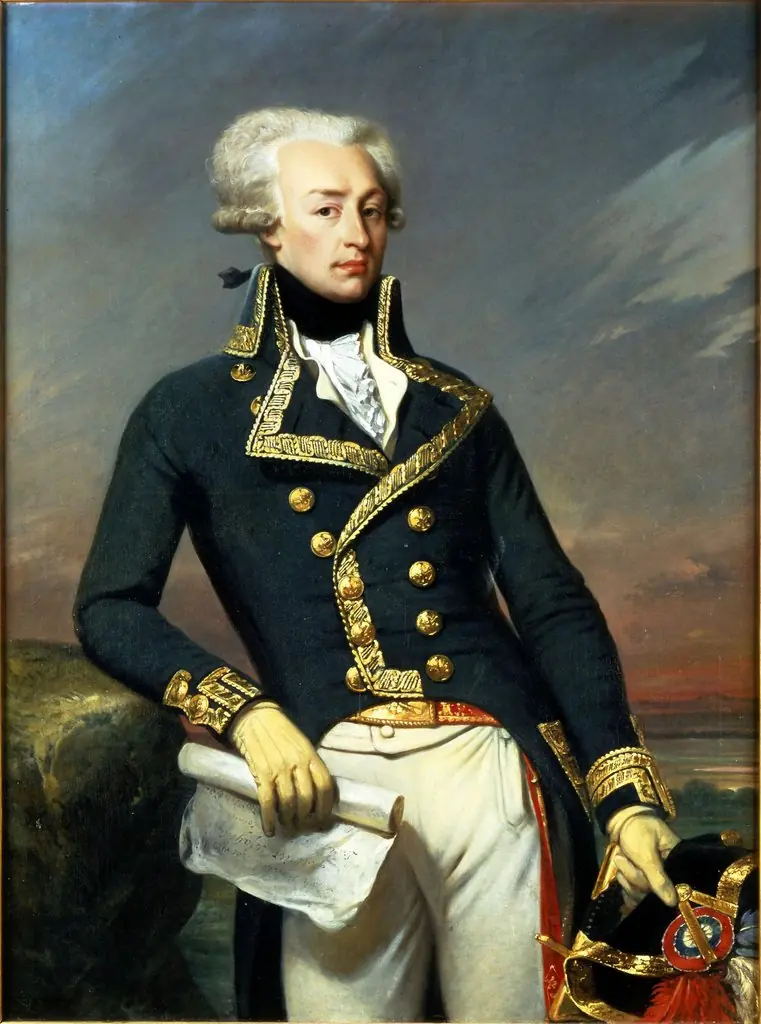 Portrait of Gilbert Motier the Marquis De La Fayette as a Lieutenant General, 1791
 De heilige Clara
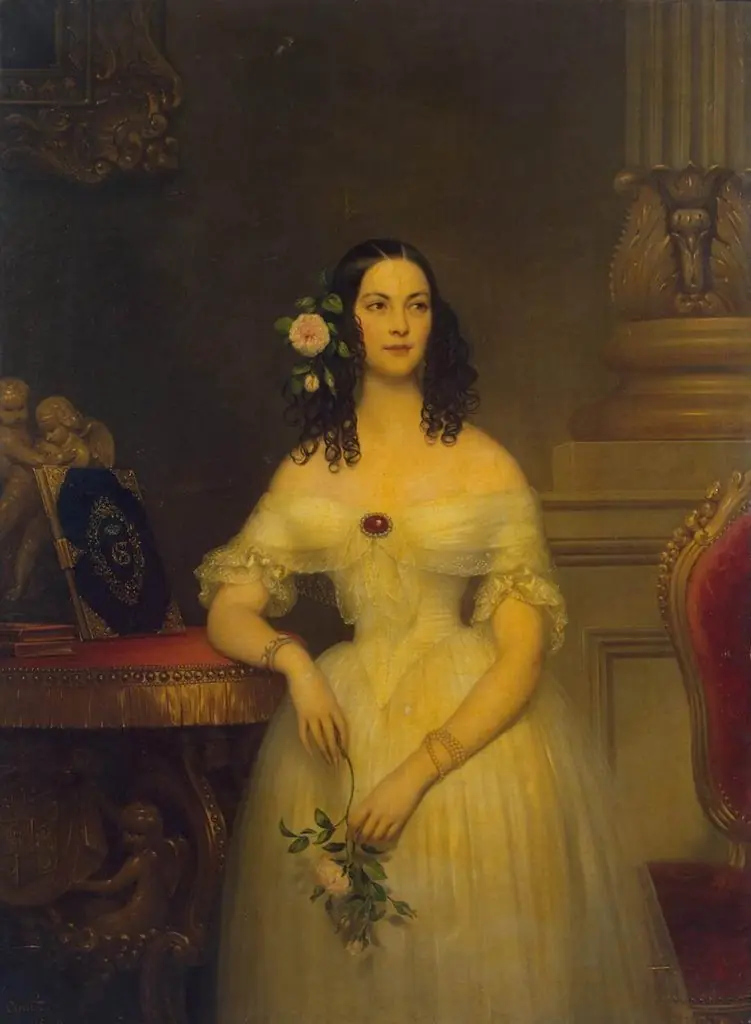 Portrait of Yekaterina Scherbatova
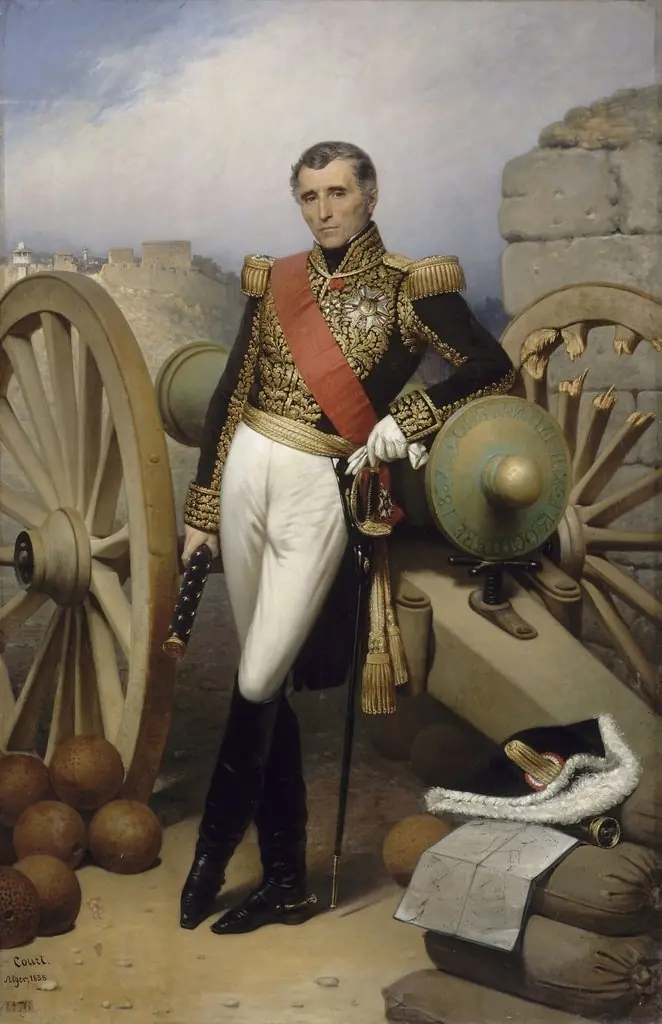 Sylvain-Charles, Count Valée, Marshal of France (1773-1846)
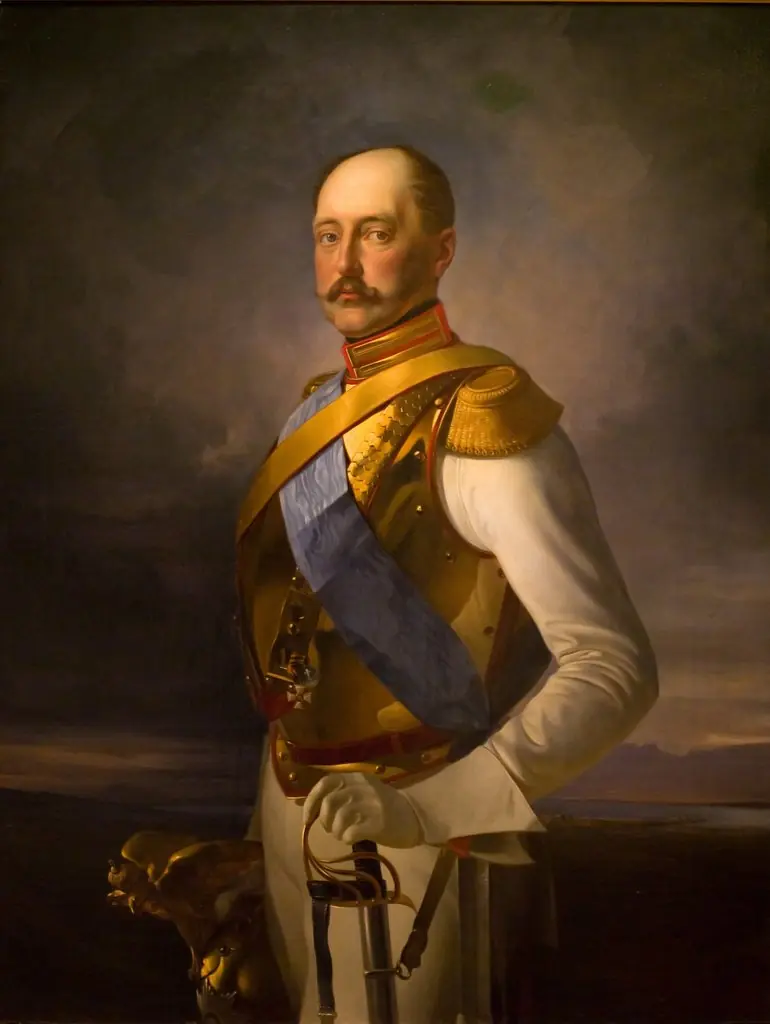 Portrait of Emperor Nicholas I
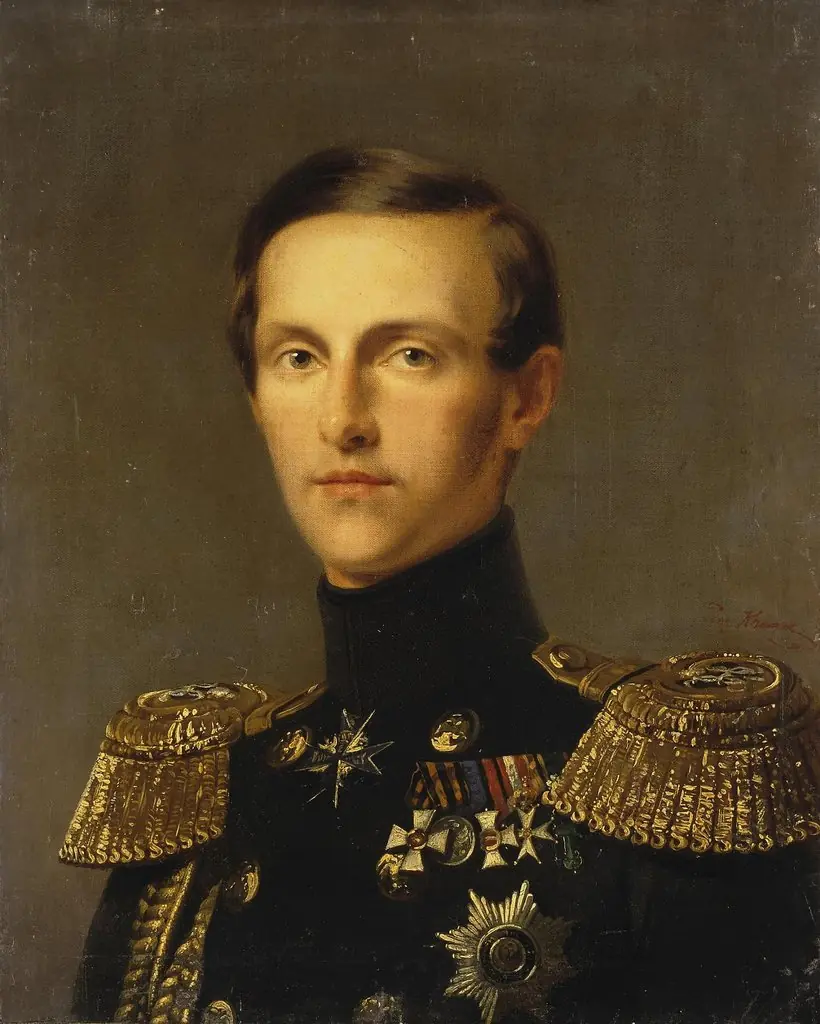 Portrait of Grand Duke Konstantin Nikolayevich
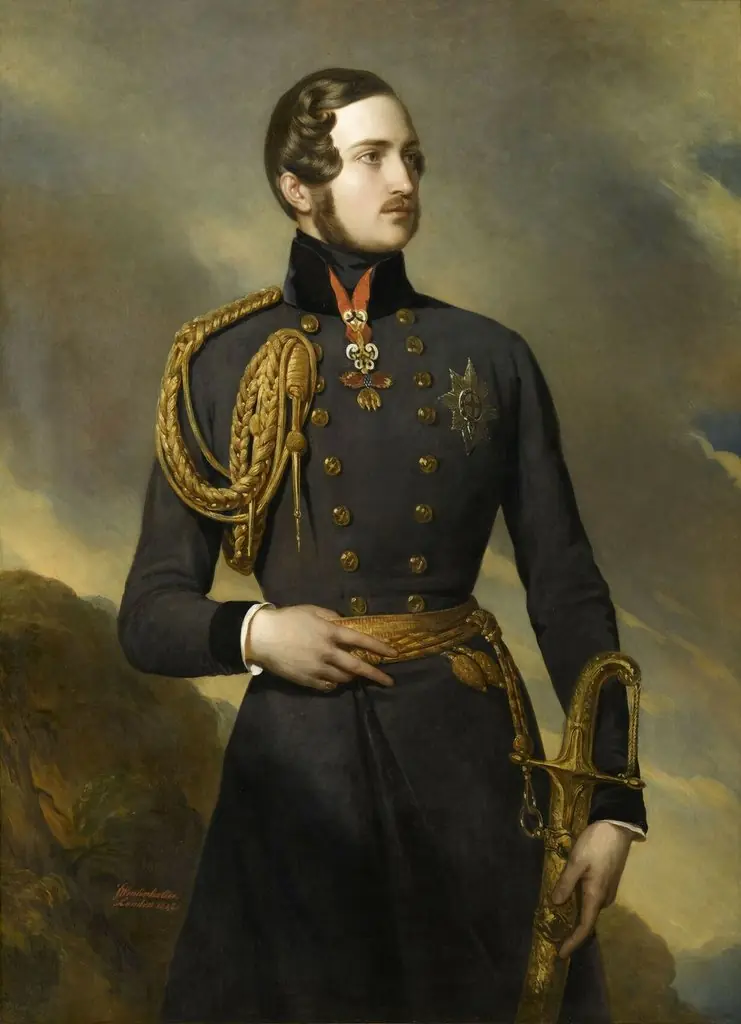 Albert of Saxe-Coburg-Gotha, Prince Consort (1819–1861)
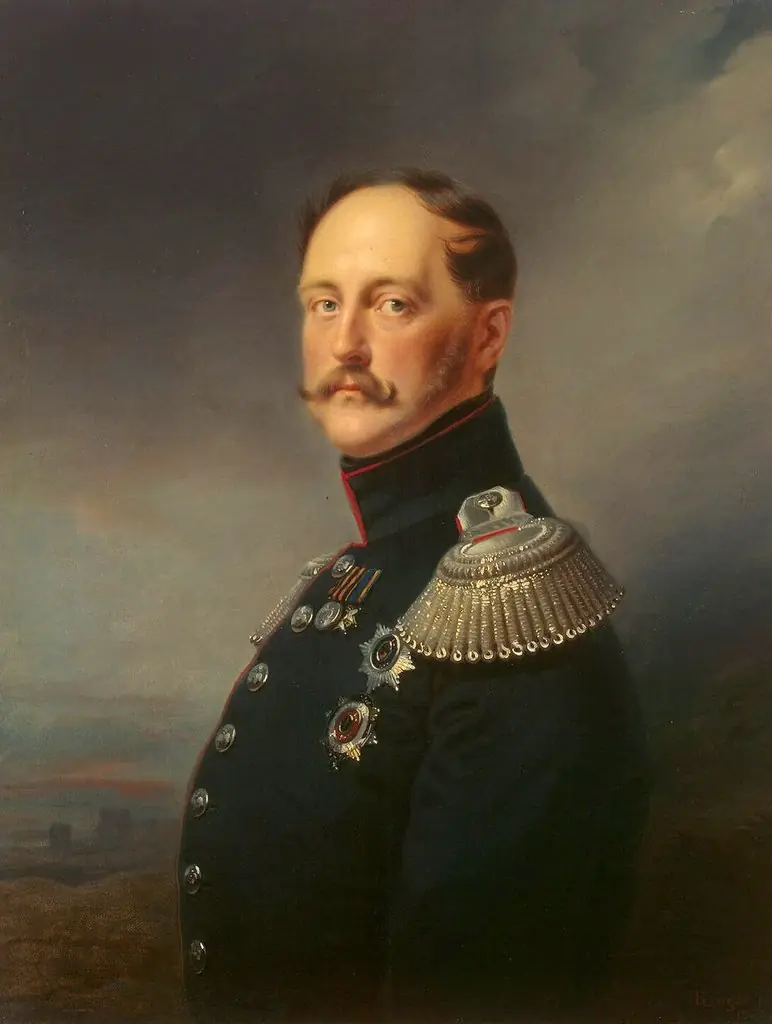 Portrait of Emperor Nicholas I
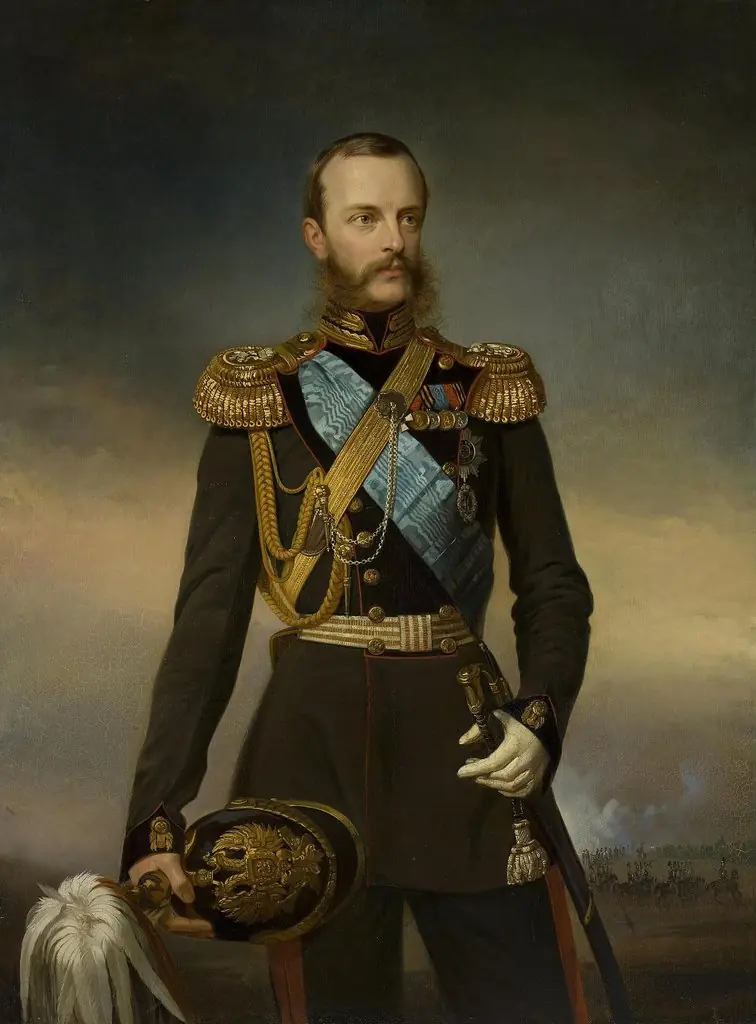 Portrait of Grand Duke Mikhail Nikolaevich
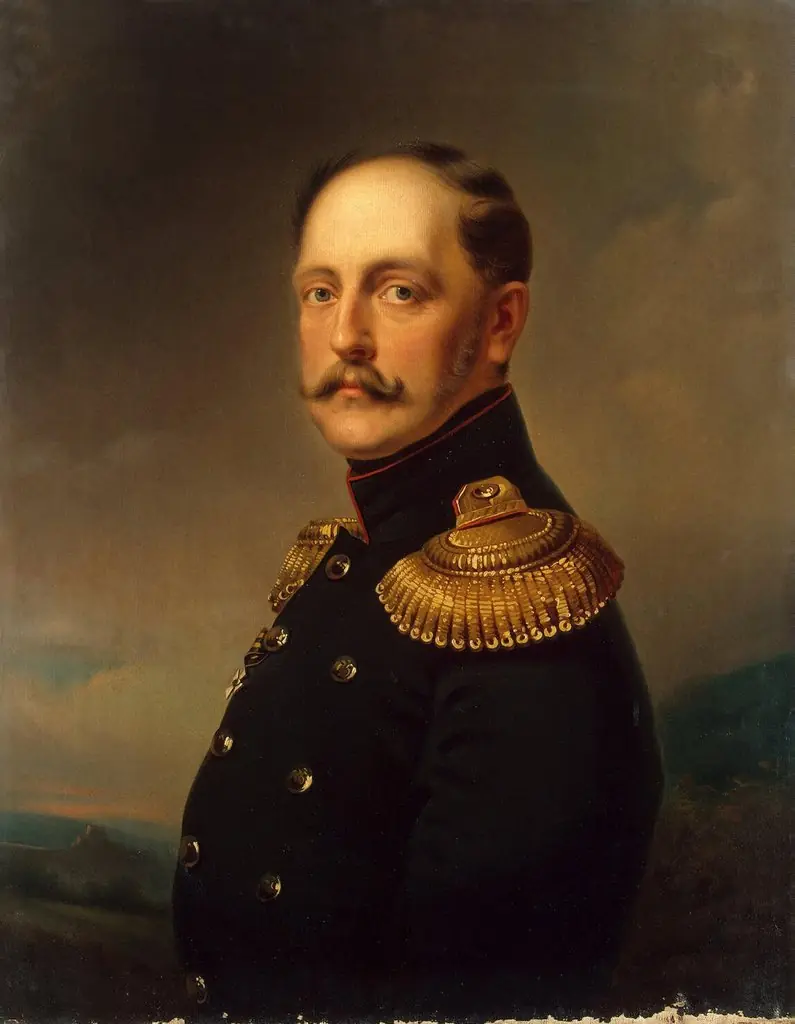 "Portrait of Emperor Nicholas I" Type of Kruger
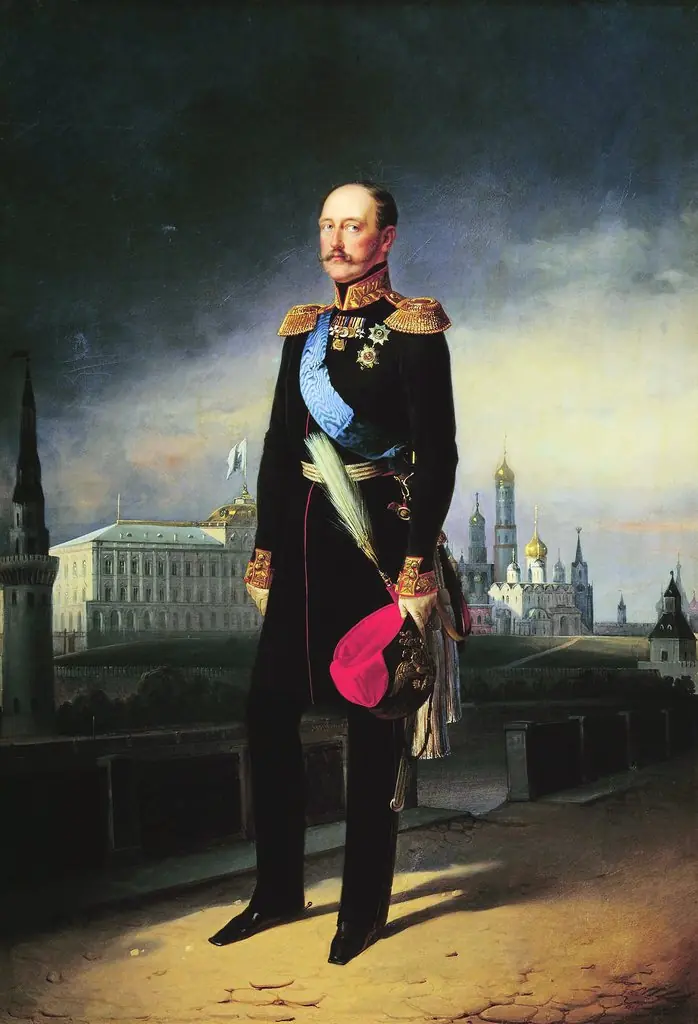 Portrait of Emperor Nicholas I
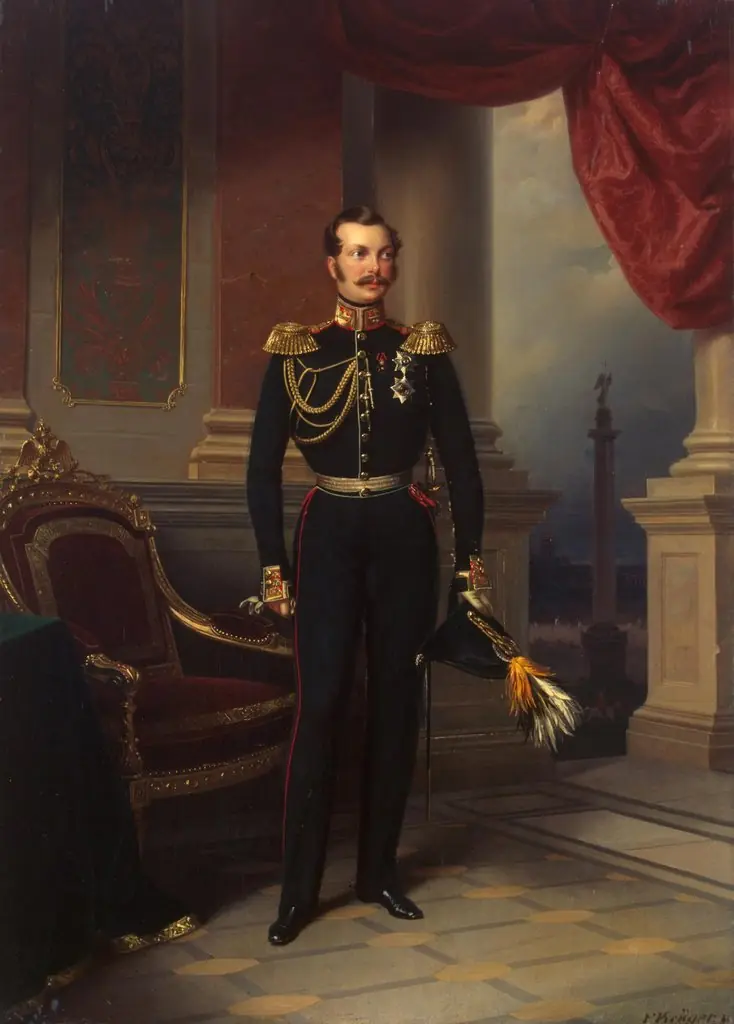 Portrait of Grand Prince Alexander Nikolayevich
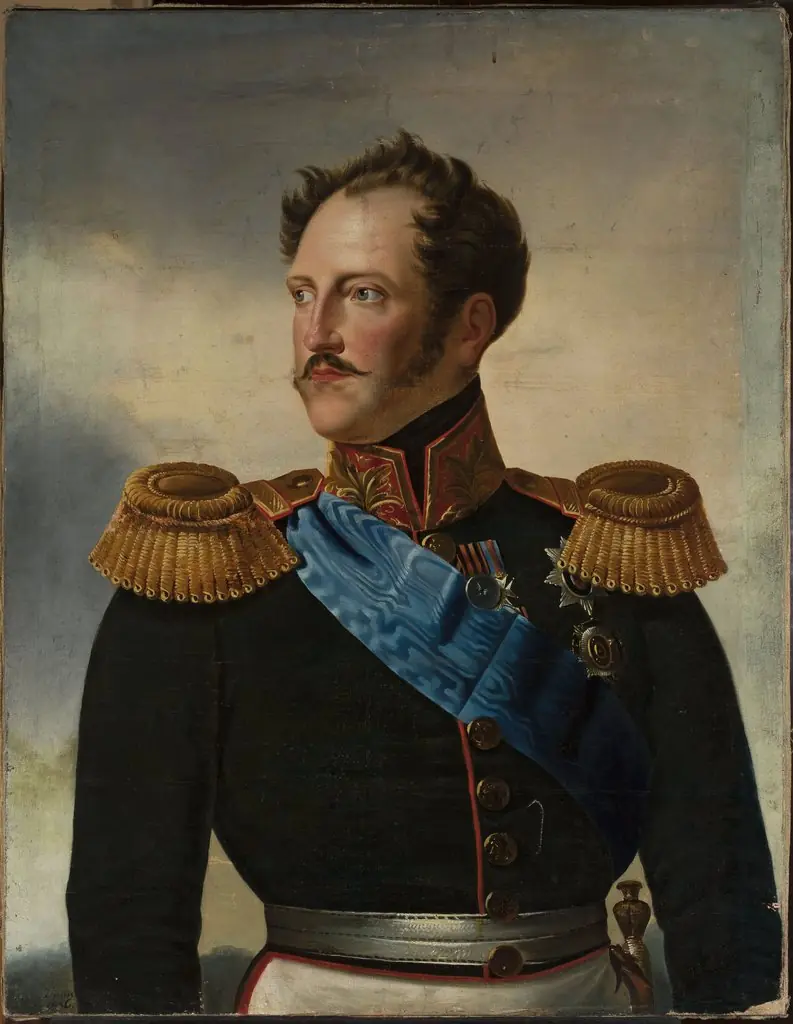 Portrait of Tsar Nicholas I
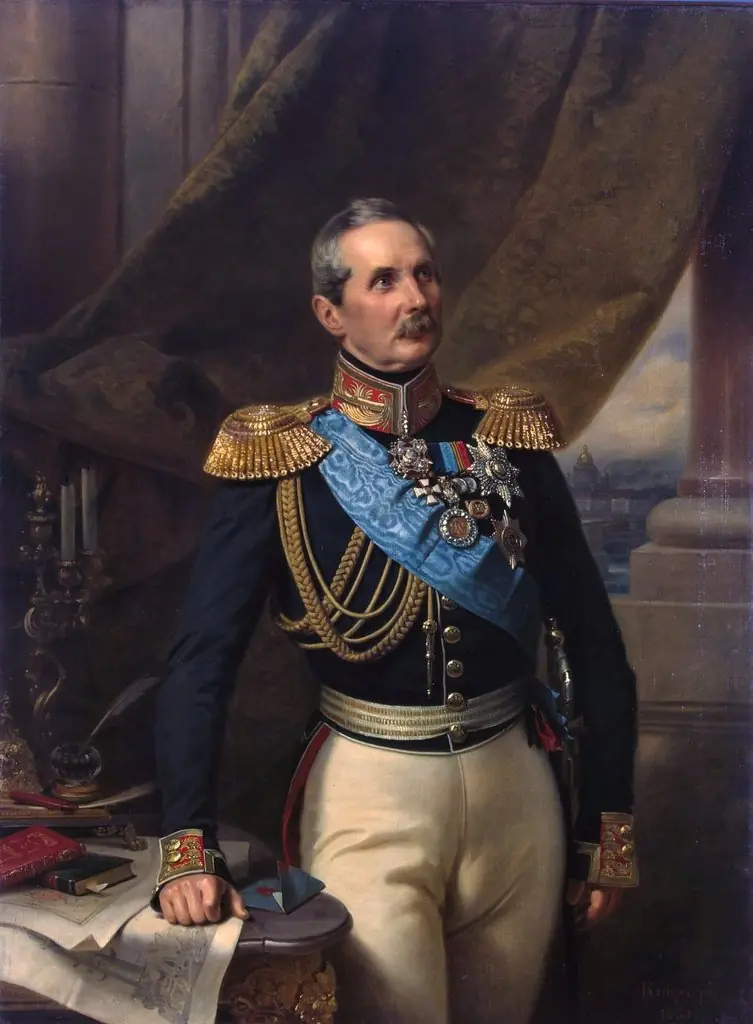 Portrait of Pyotr Kleinmichel
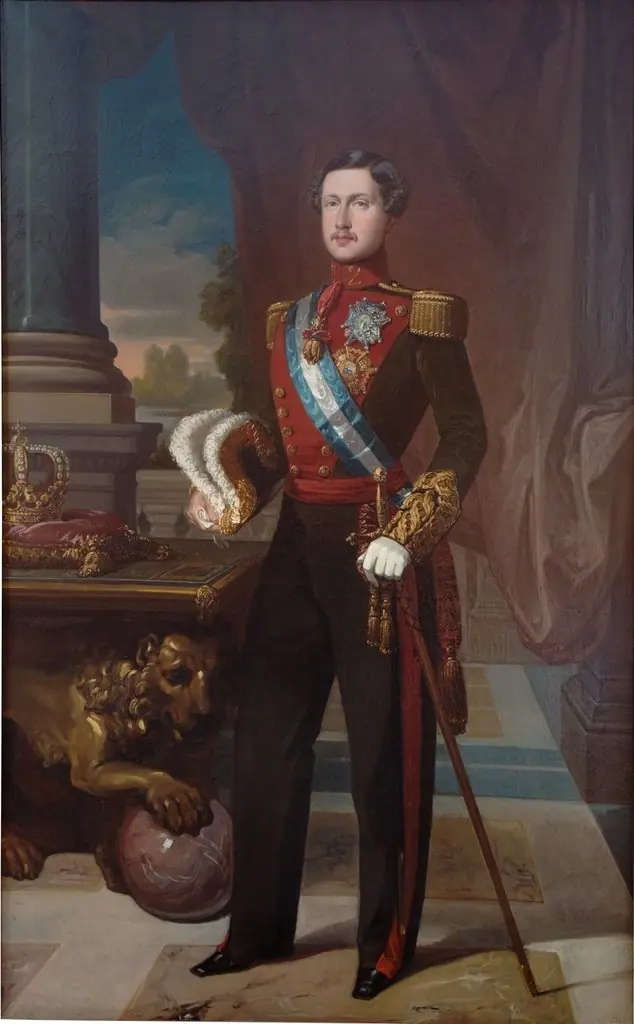 El rey Francisco de Asís con uniforme de capitán general
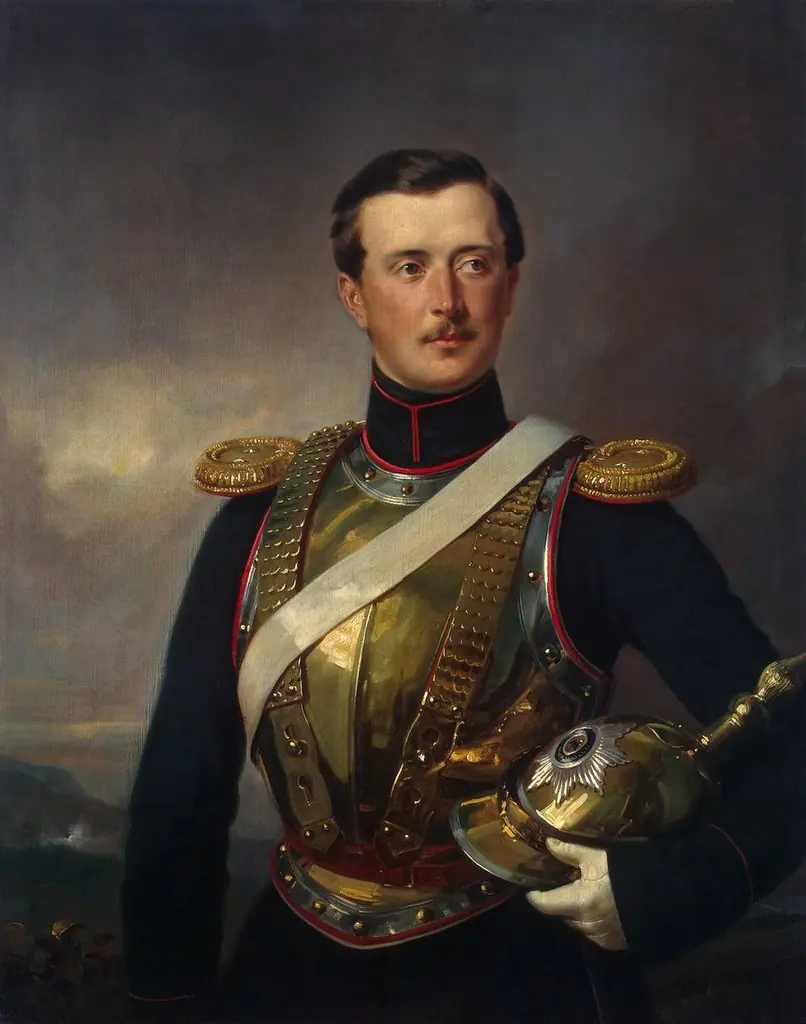 Portrait of Count Pyotr Shuvalov