Artwork
The engraver Joseph de Meulemeester at work in the lodges of Raphael in the Vatican
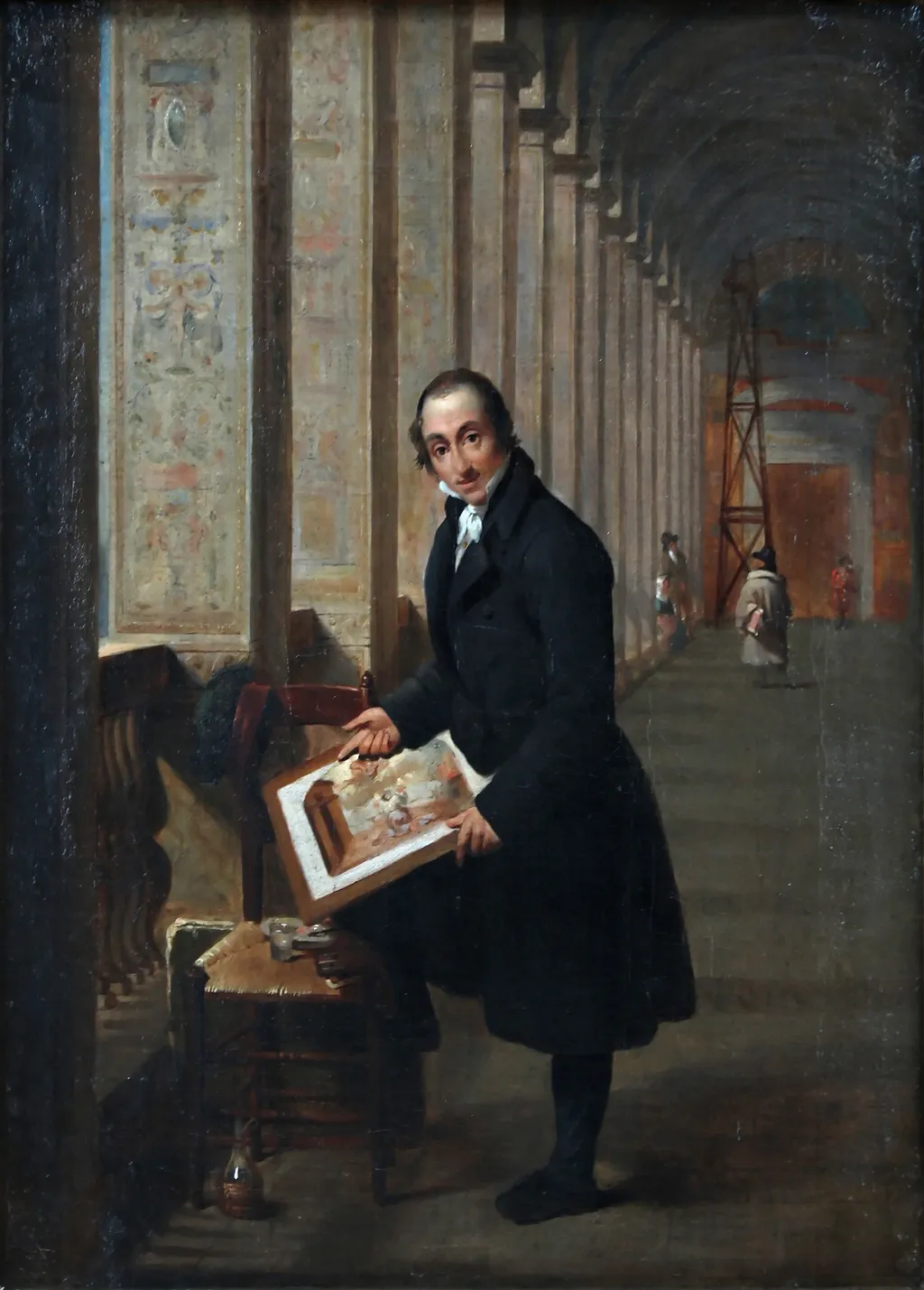
The engraver Joseph de Meulemeester at work in the lodges of Raphael in the Vatican is an oil painting by Joseph-François Ducq. It dates from 1813 and is held in the collection of the Royal Museums of Fine Arts of Belgium.
About this work
Overview
Joseph‑François Ducq, a Flemish painter active in the early nineteenth century, produced an oil work in 1813 that portrays the engraver Joseph de Meulemeester at work within the Raphael Rooms of the Vatican. The canvas, now part of the Royal Museums of Fine Arts of Belgium, captures a quiet, interior scene of artistic labor set against the grand architecture of the papal apartments.
Subject & Meaning
The composition centers on de Meulemeester, dressed in a dark coat and white cravat, holding a framed image of a woman in white.
The composition centers on de Meulemeester, dressed in a dark coat and white cravat, holding a framed image of a woman in white. He stands before towering columns and arches, suggesting the solemn atmosphere of the Vatican’s Raphael lodges. The painting emphasizes the contemplative nature of the engraving process, highlighting the reverence for classical heritage that informed both the subject and the artist’s interests.
Technique & Style
Ducq employs a restrained palette of muted tones to render the marble architecture and the figure’s attire, allowing the delicate rendering of light on the frame to draw the viewer’s eye. His careful modeling of facial expression and subtle gestures reflects the academic training he received in Bruges and Paris, while the precise handling of detail underscores his reputation for capturing nuanced human emotion.
History & Provenance
Created after Ducq’s Italian sojourn, the painting entered the collection of the Royal Museums of Fine Arts of Belgium, where it remains on display. The work was completed shortly before Ducq returned to Bruges in 1815 to assume a teaching position at the local academy, marking a mature phase in his career following earlier accolades such as a medal awarded in 1810.
Context
The early nineteenth century saw a renewed fascination with Renaissance sites among Northern European artists traveling to Italy. Ducq’s choice to depict an engraver at work in the Raphael Rooms reflects this broader cultural interest in the transmission of classical art forms and the role of printmaking in disseminating Renaissance imagery across Europe.
Artist & collection
Artist
Joseph-François Ducq, a Flemish historical and portrait painter, was born at Ledeghem in 1763.

Museum
Royal Museums of Fine Arts of Belgium
Continue through works from the same source collection.
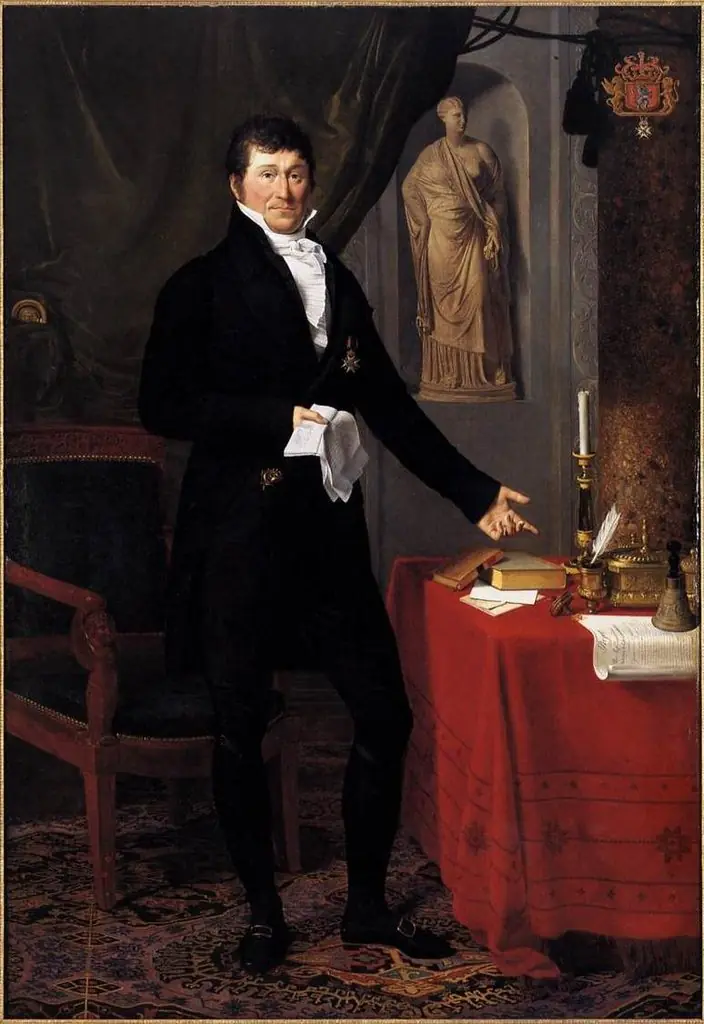 Portrait of Charles-Louis Baron de Keverberg de Kessel
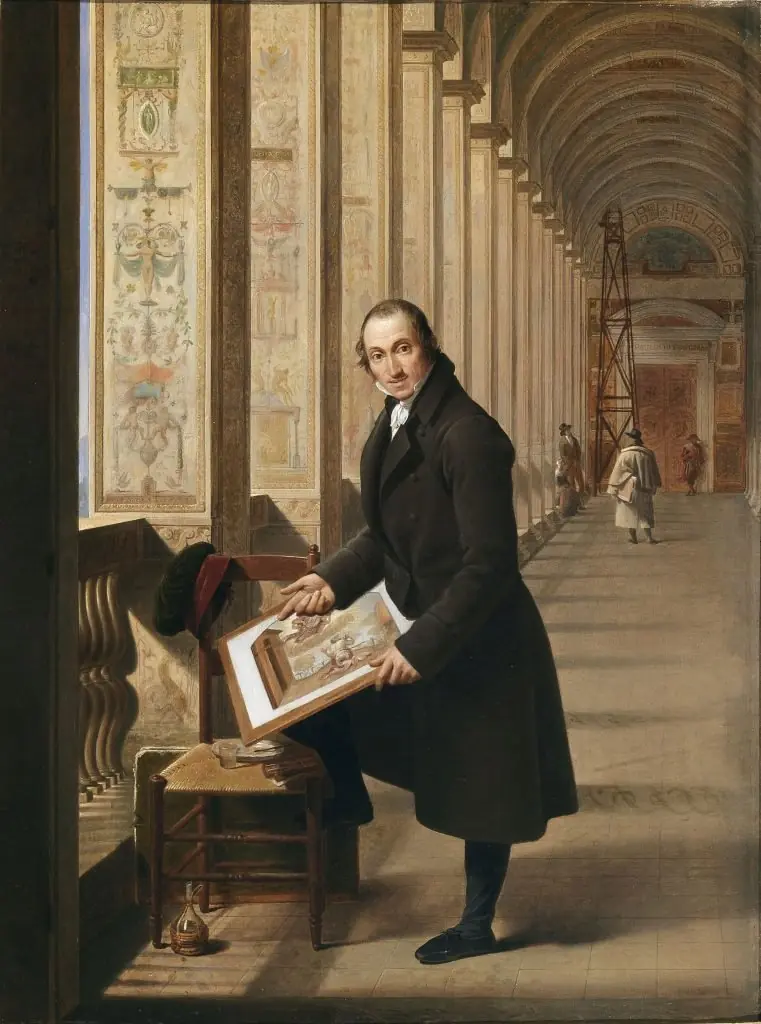 Portret van de graveur Joseph-Charles de Meulemeester aan het werk in de Loggia van het Vaticaan
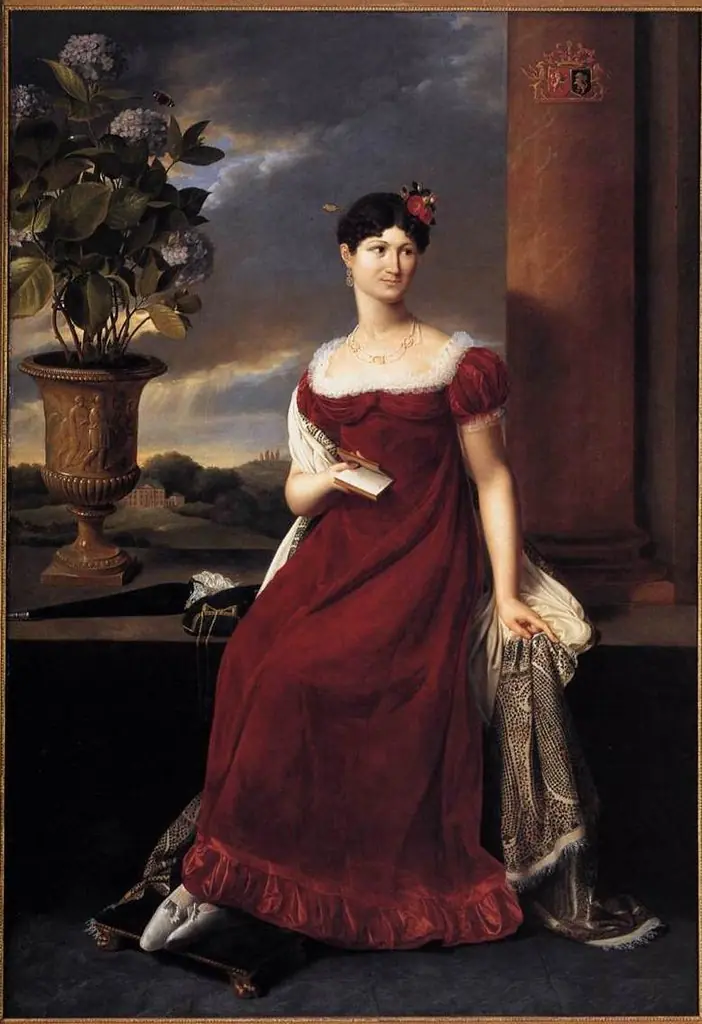 Mary Lodge, Bride of Baron Charles-Louis de Keverberg de Kessel
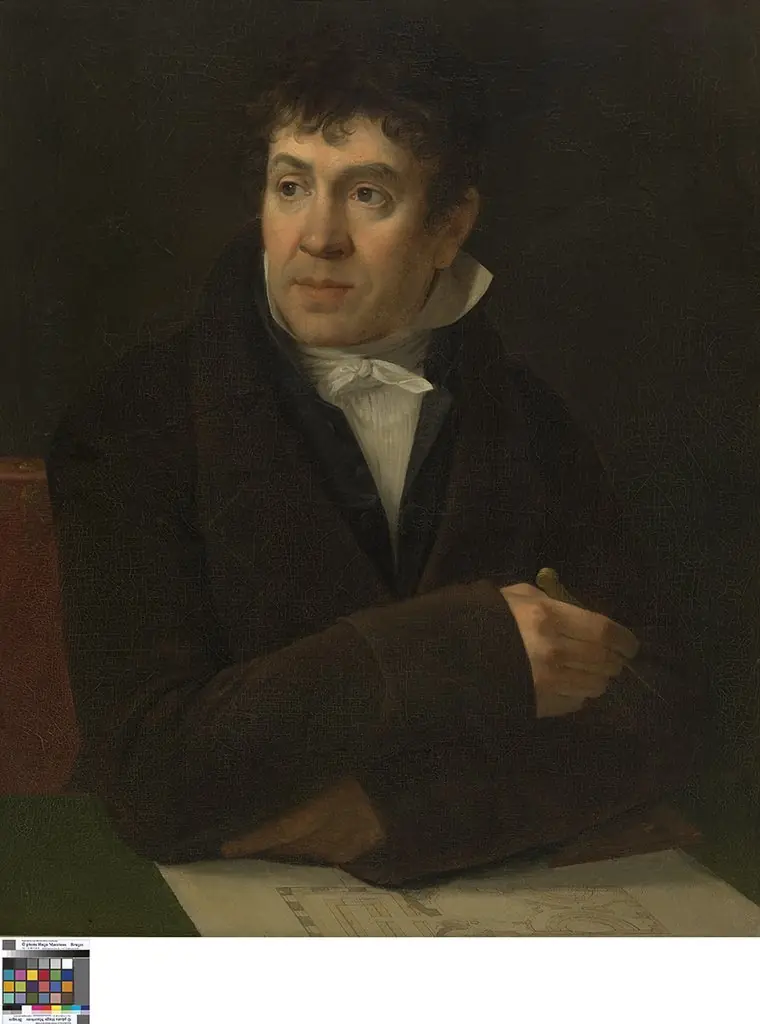 Portrait of Joseph François van Gierdegom
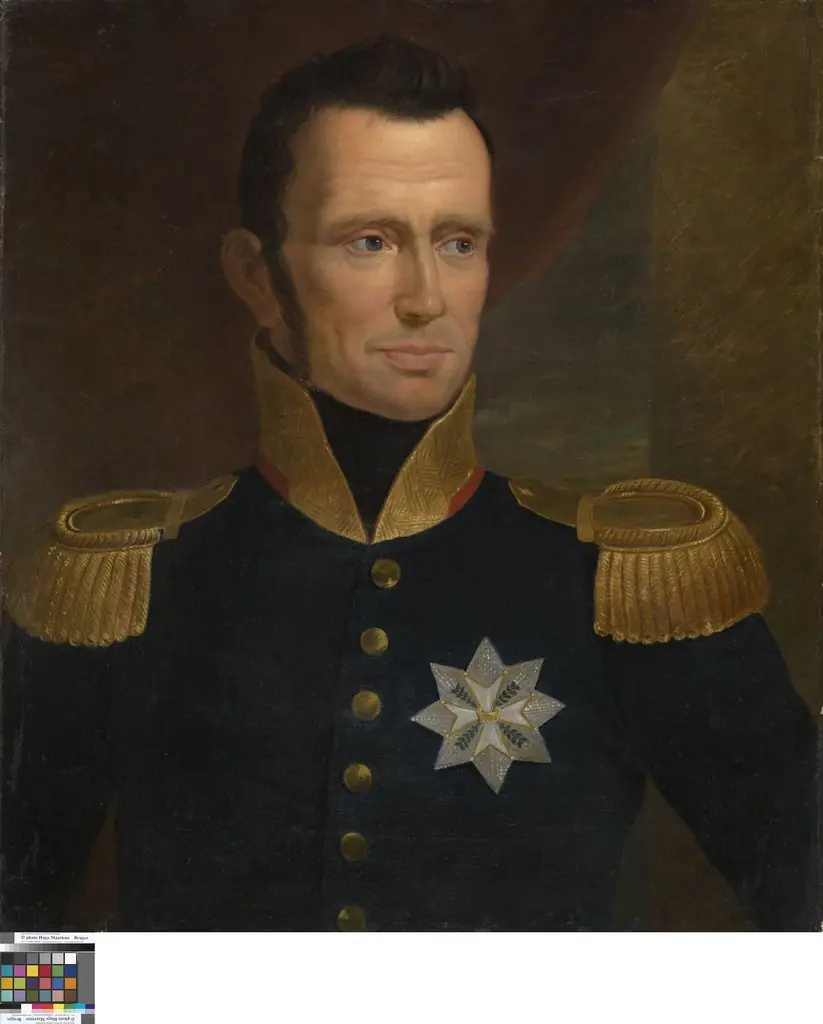 Portret van koning Willem I
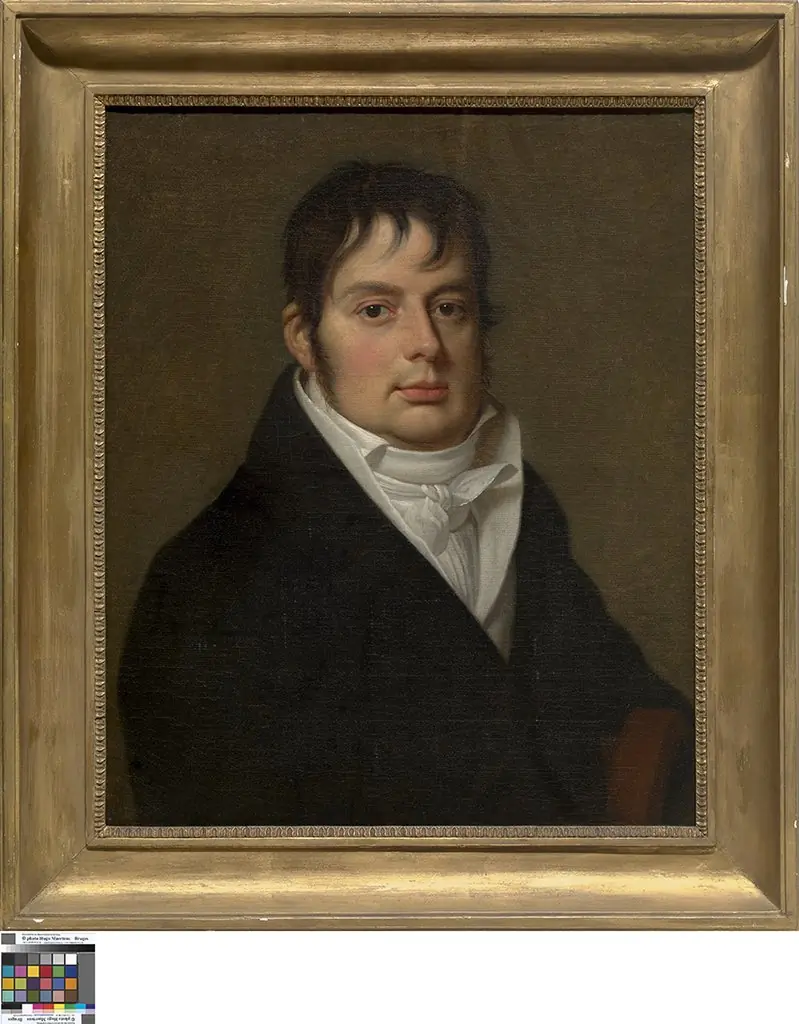 Portret van Geerebaert
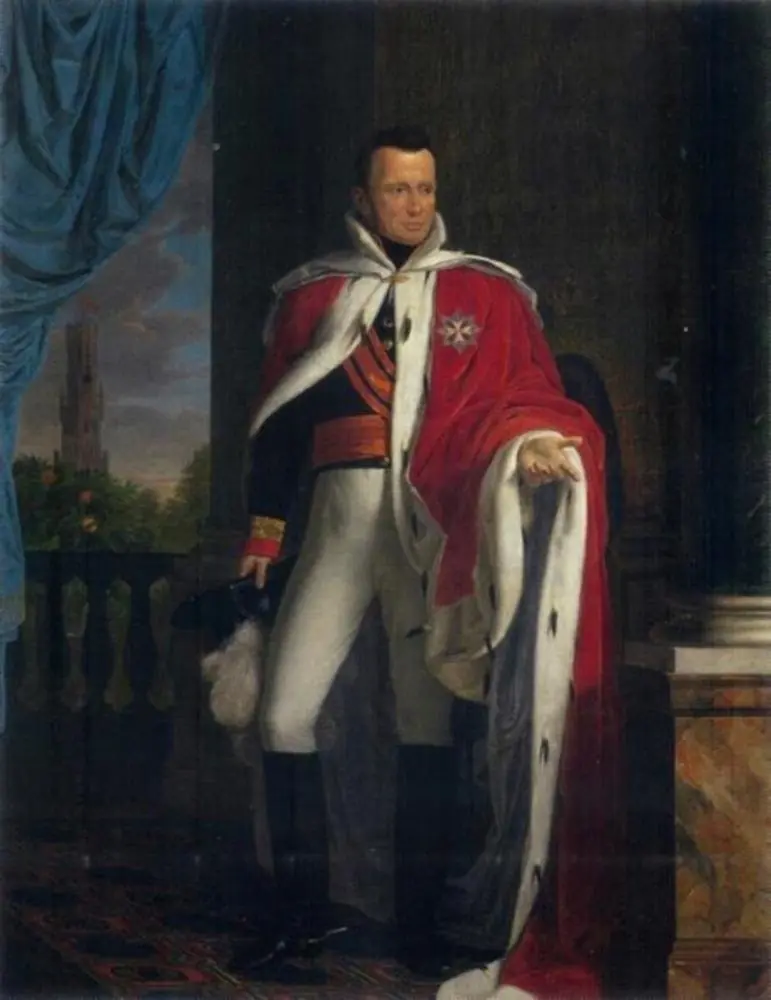 Portrait of king Willem I (1772-1843)
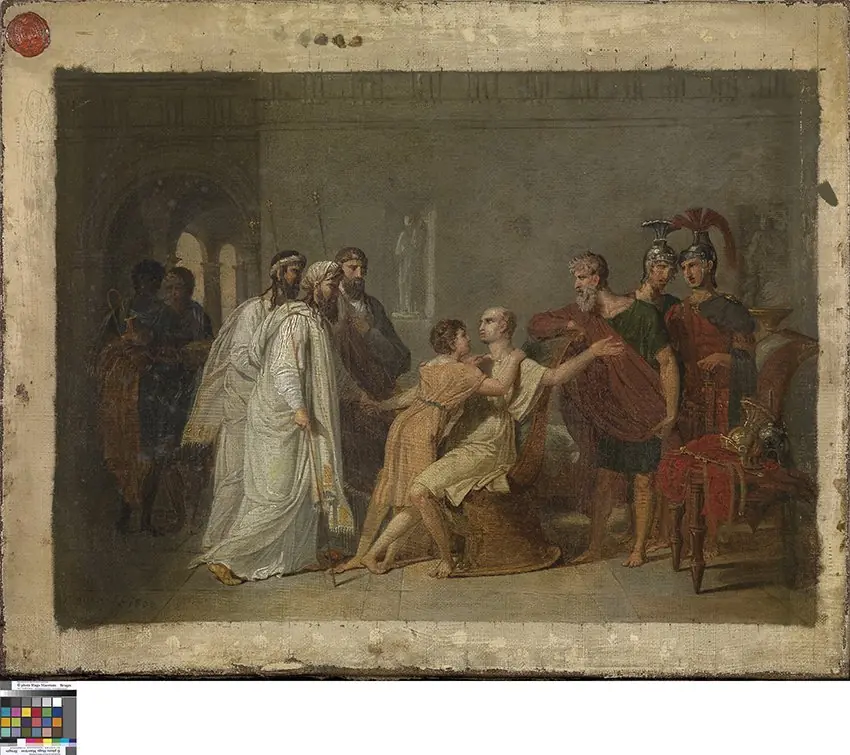 Terugkeer van Scipio's zoon
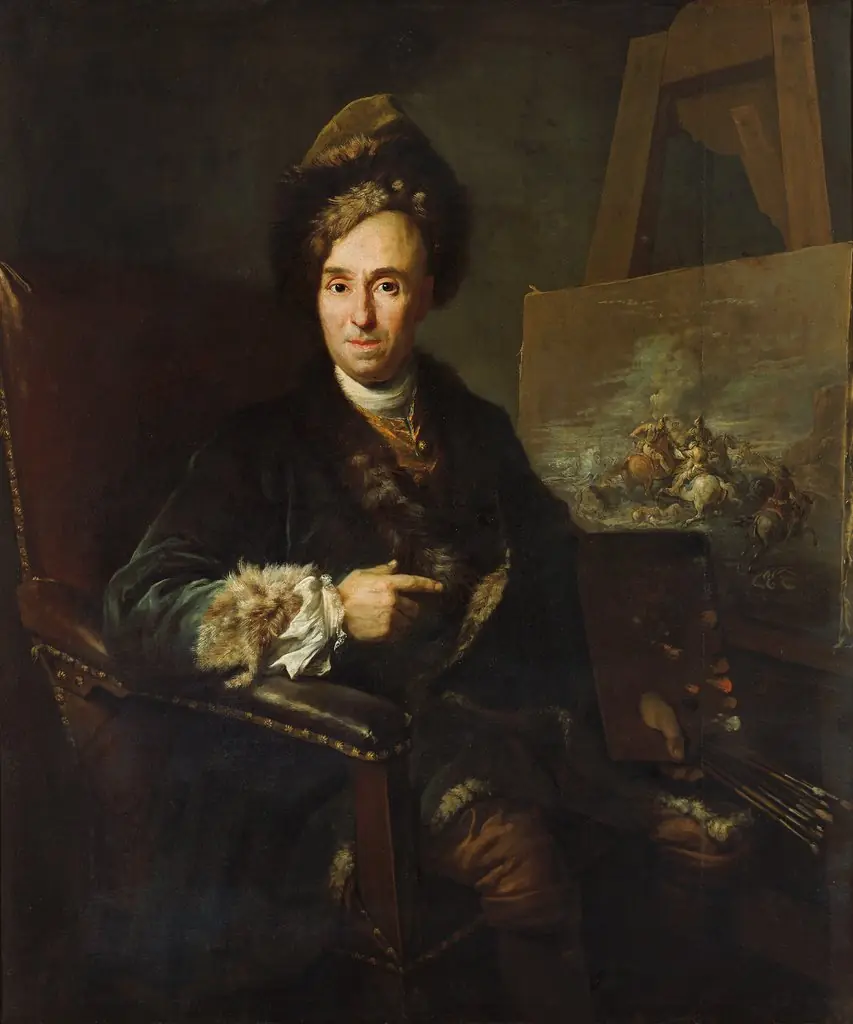 Portrait of the battle-painter Ignace-Jacques Parrocel
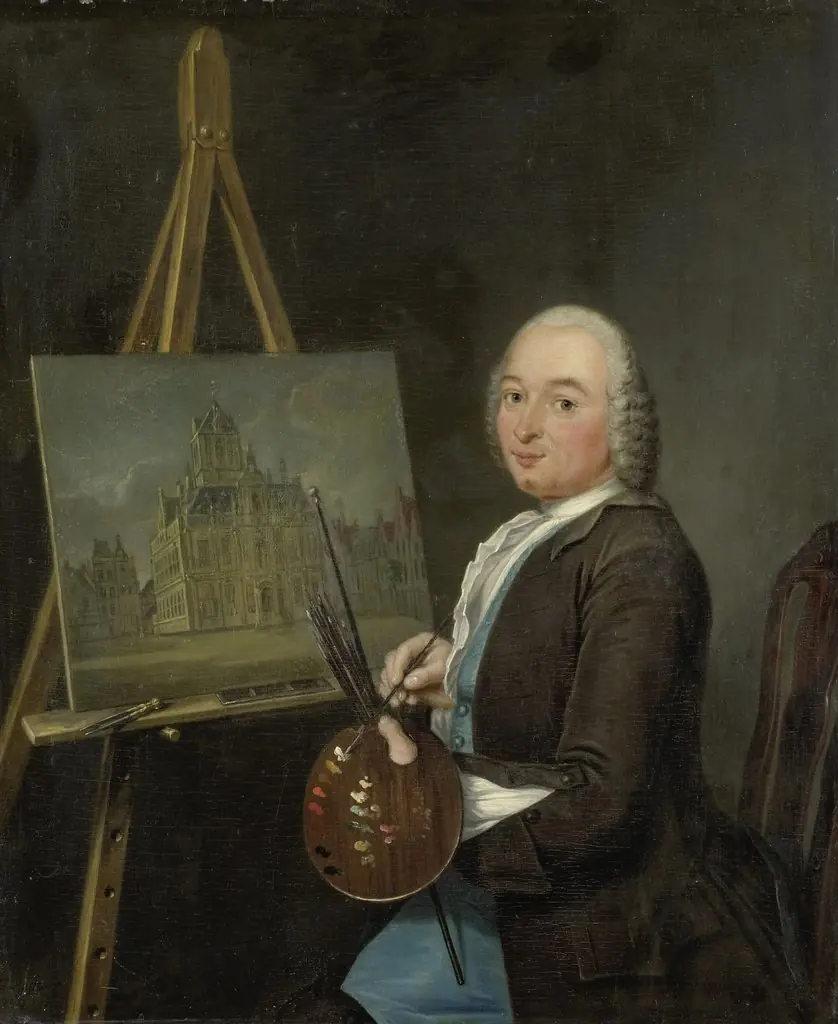 Portrait of Jan ten Compe, Painter and Art Dealer in Amsterdam
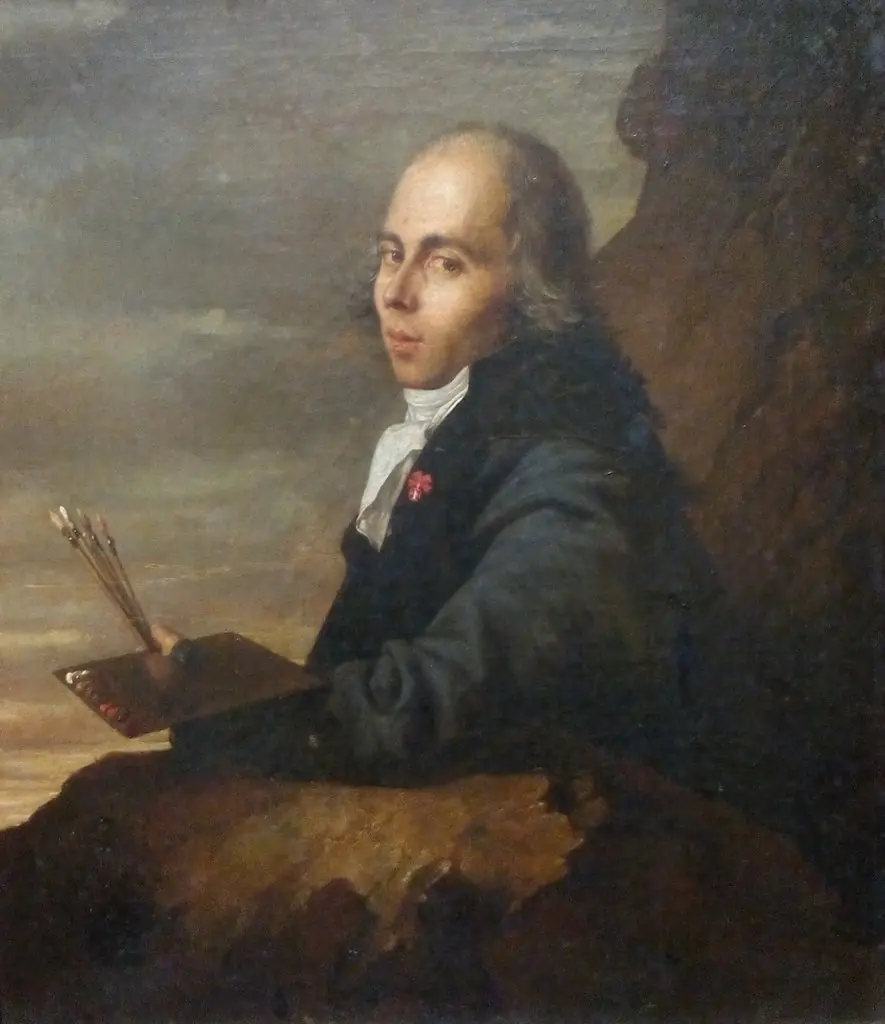 Auto-retrato
 Zelfportret
 Portrait of a Painter, probably the Artist himself
 Portrait of a Painter, probably the Artist himself
 Self-Portrait in the Studio
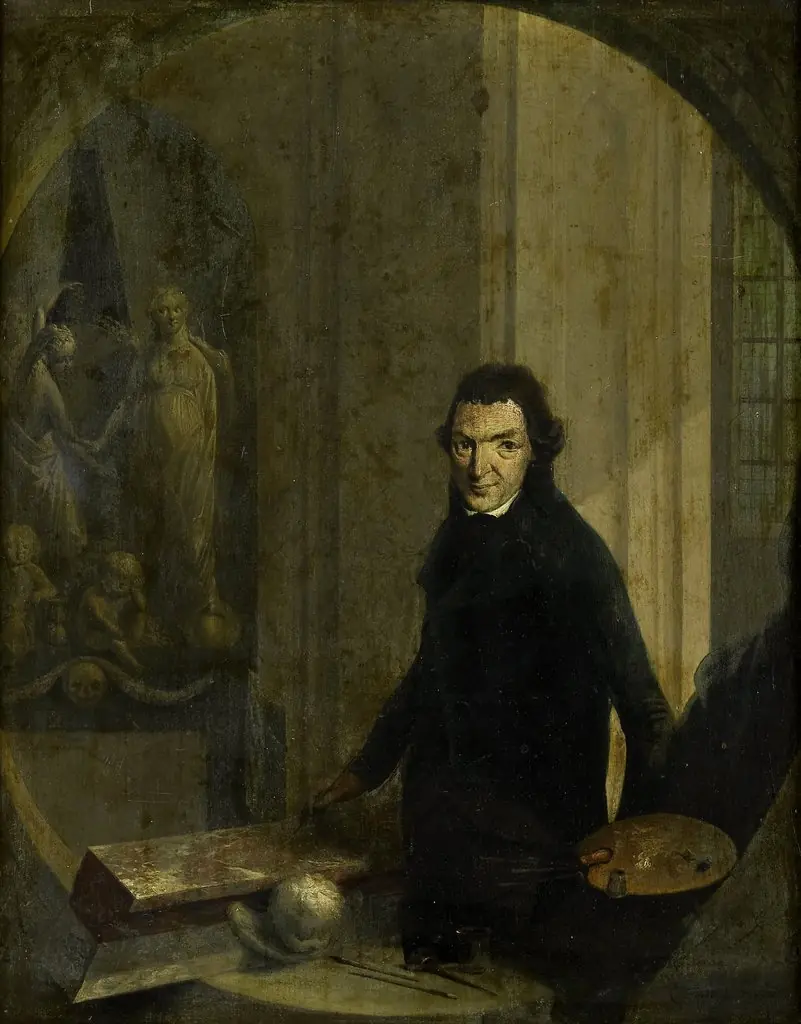 Self-Portrait
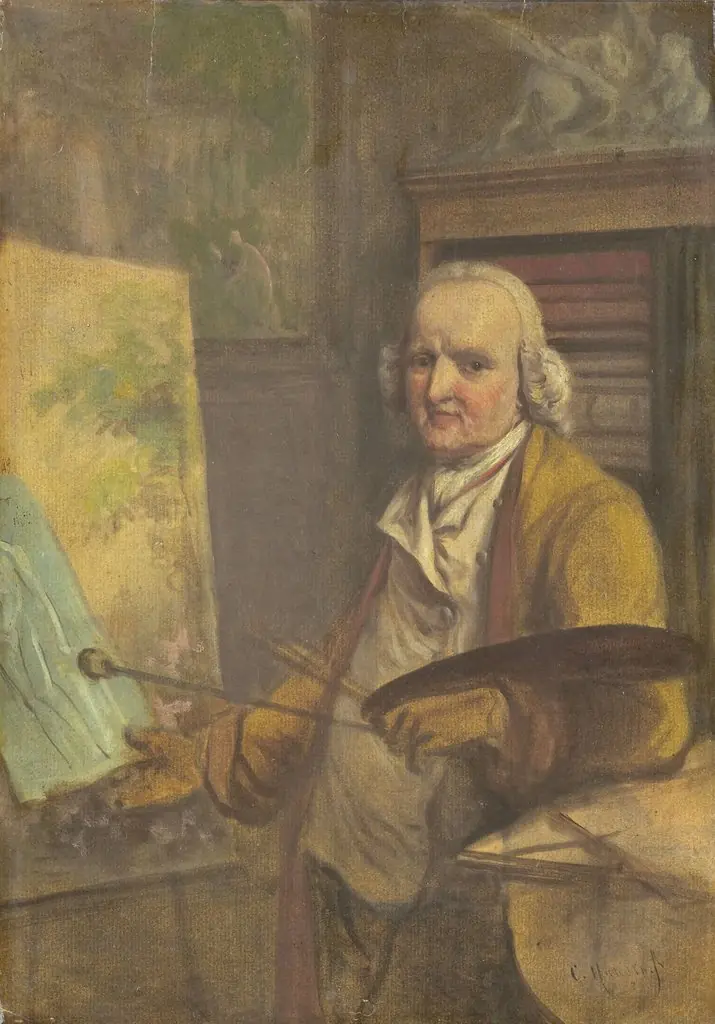 Self-Portrait
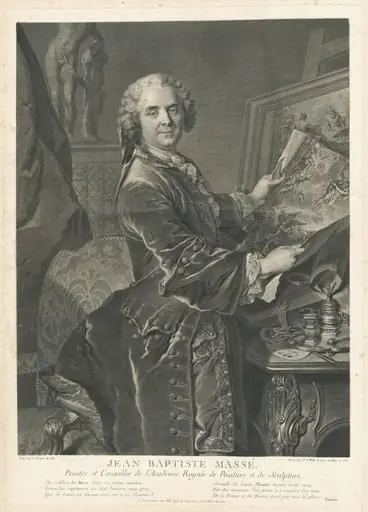 Jean Baptiste Massé
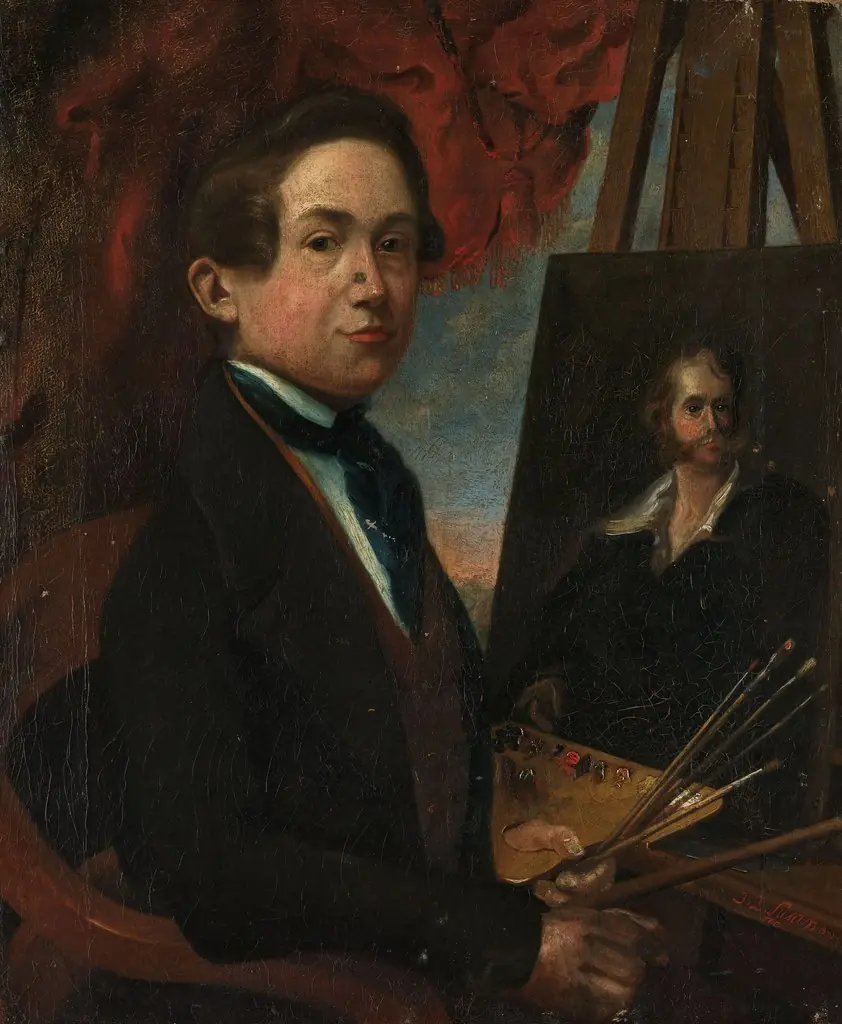 Self-Portrait