Artwork
Portrait of king Willem I (1772-1843)
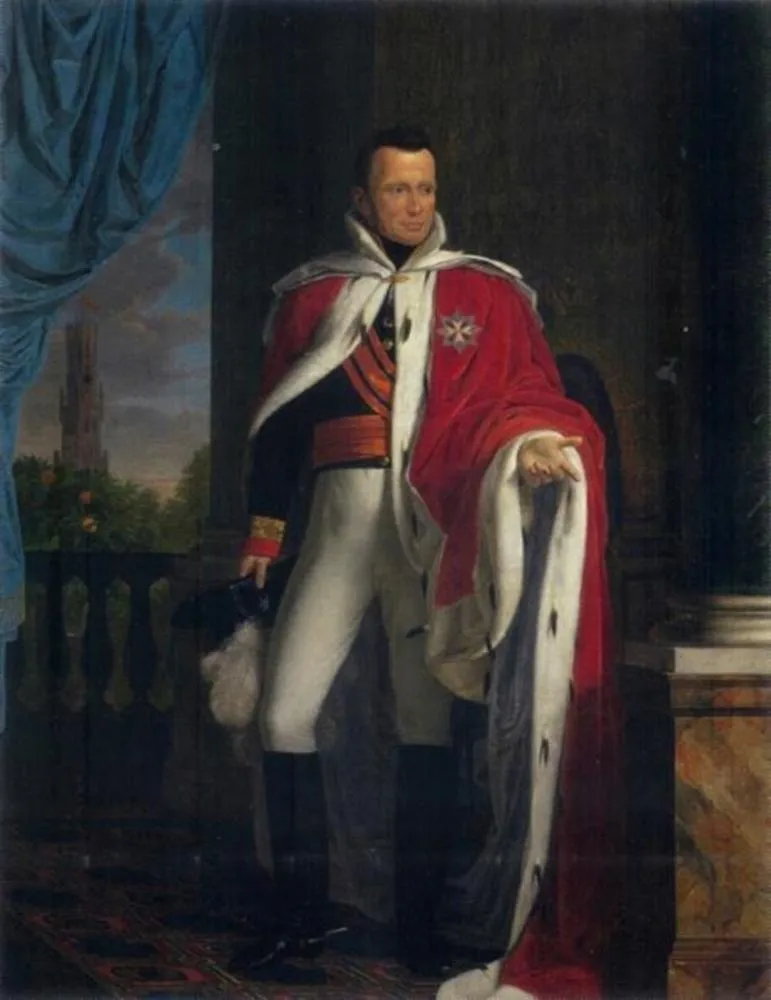
Portrait of king Willem I (1772-1843) is an oil painting by Joseph-François Ducq. It dates from 1820 and is held in the collection of the Groeningemuseum.
About this work
Overview
In 1820 the Flemish artist Joseph‑François Ducq executed an oil portrait of William I, the first king of the United Kingdom of the Netherlands. The work is held in the collection of the Groeningemuseum in Bruges and presents the monarch in a formal, interior setting.
Subject & Meaning
The sitter is shown standing in a spacious room, dressed in a red and white ceremonial robe with a white cape, his short black hair neatly trimmed. A sword rests in his right hand, a conventional symbol of sovereign authority, while the surrounding décor underscores his elevated status.
Technique & Style
Ducq employed a restrained palette and careful modelling of light to render the textures of fabric and metal. The composition balances the figure against architectural elements—a large window with blue drapery and a framed landscape—creating depth through subtle chiaroscuro without resorting to dramatic contrasts.
History & Provenance
Born in 1763, Ducq studied in Bruges and Paris before traveling to Italy, after which he returned to Bruges in 1815 and later taught at the local academy. The portrait entered the Groeningemuseum’s holdings as part of its collection of 19th‑century Flemish paintings, reflecting the museum’s focus on regional artistic heritage.
Context
The painting was produced shortly after William I’s accession in 1815, a period when the new monarch sought to assert his legitimacy across the newly formed kingdom. Portraits such as Ducq’s served both diplomatic and propagandistic purposes, presenting the king in regal attire within an elegant interior.
Artist & collection
Artist
Joseph-François Ducq, a Flemish historical and portrait painter, was born at Ledeghem in 1763.

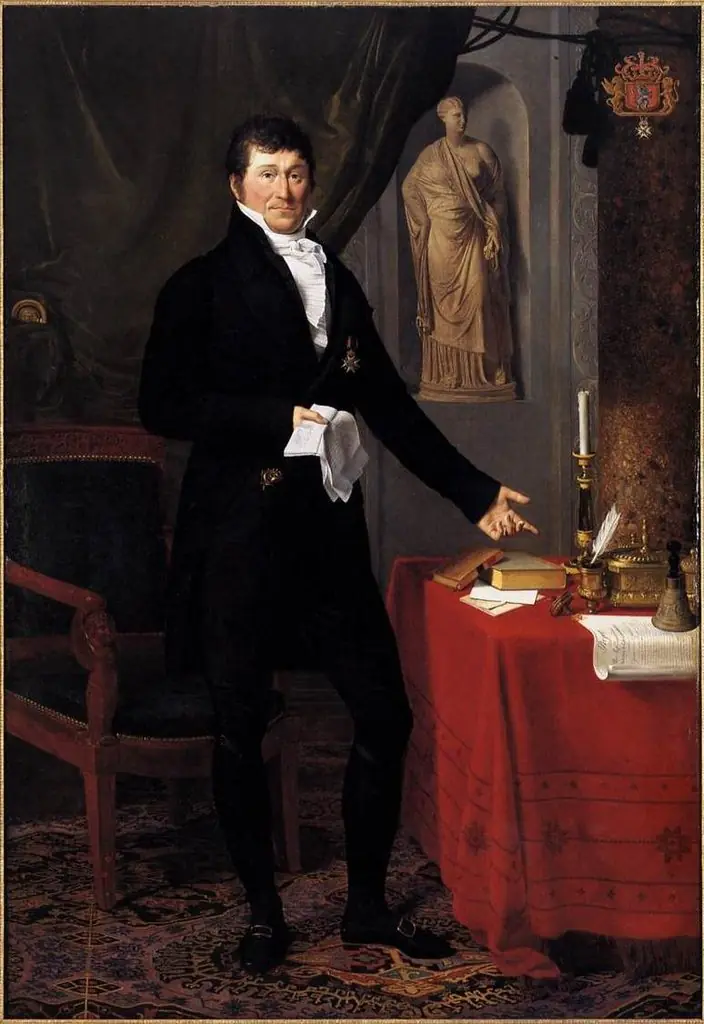 Portrait of Charles-Louis Baron de Keverberg de Kessel
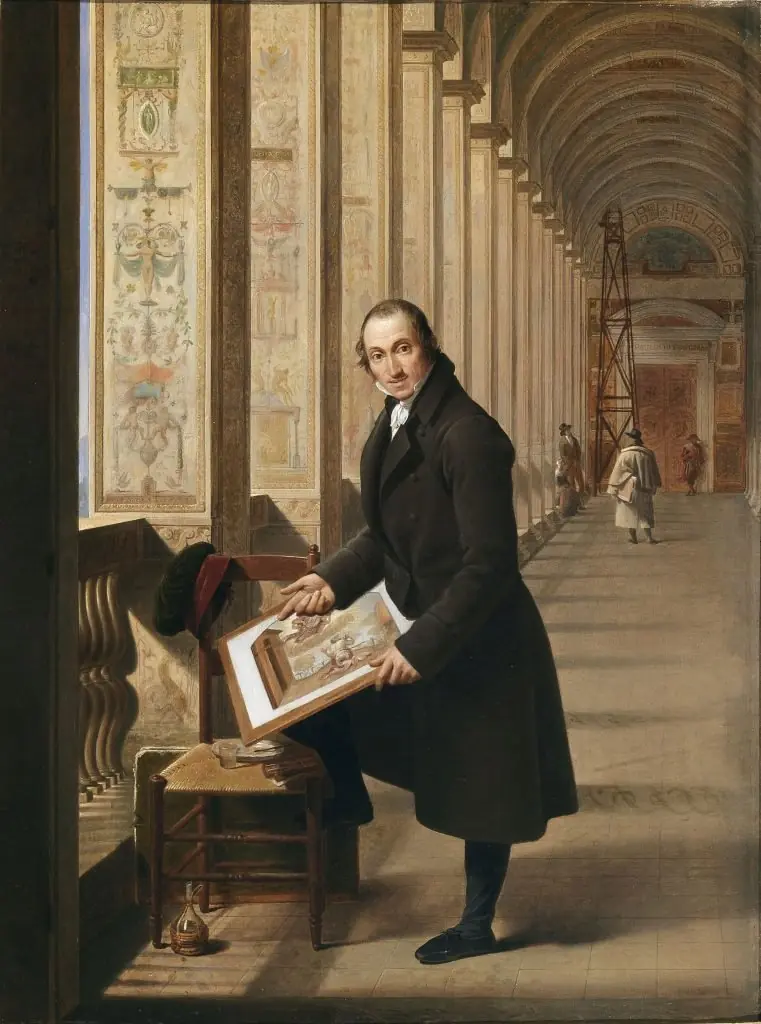 Portret van de graveur Joseph-Charles de Meulemeester aan het werk in de Loggia van het Vaticaan
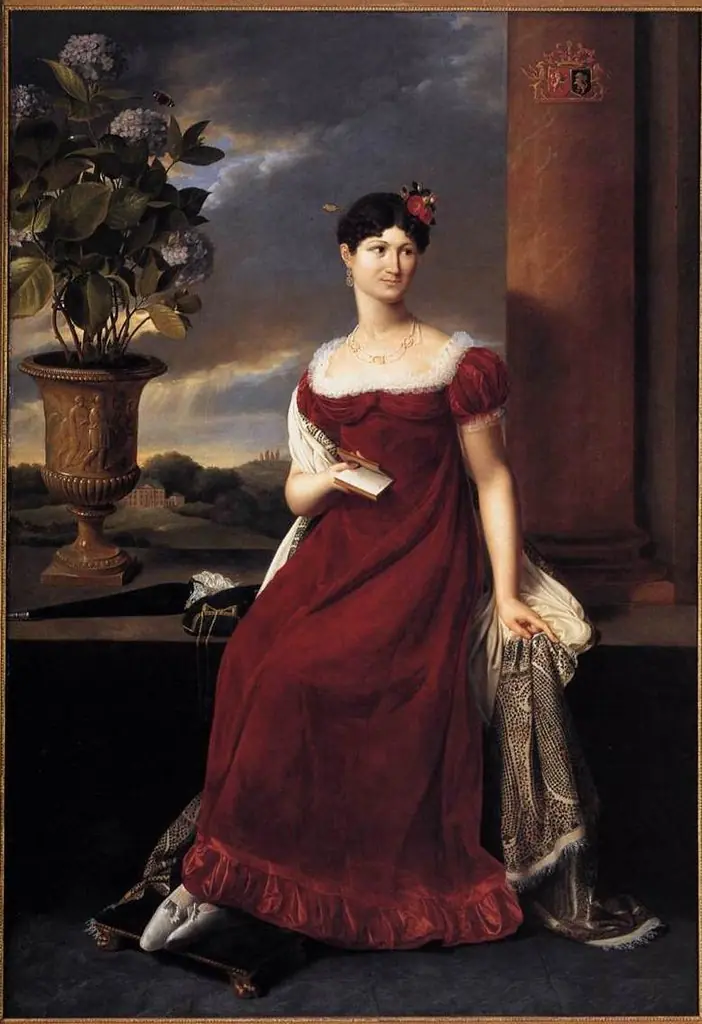 Mary Lodge, Bride of Baron Charles-Louis de Keverberg de Kessel
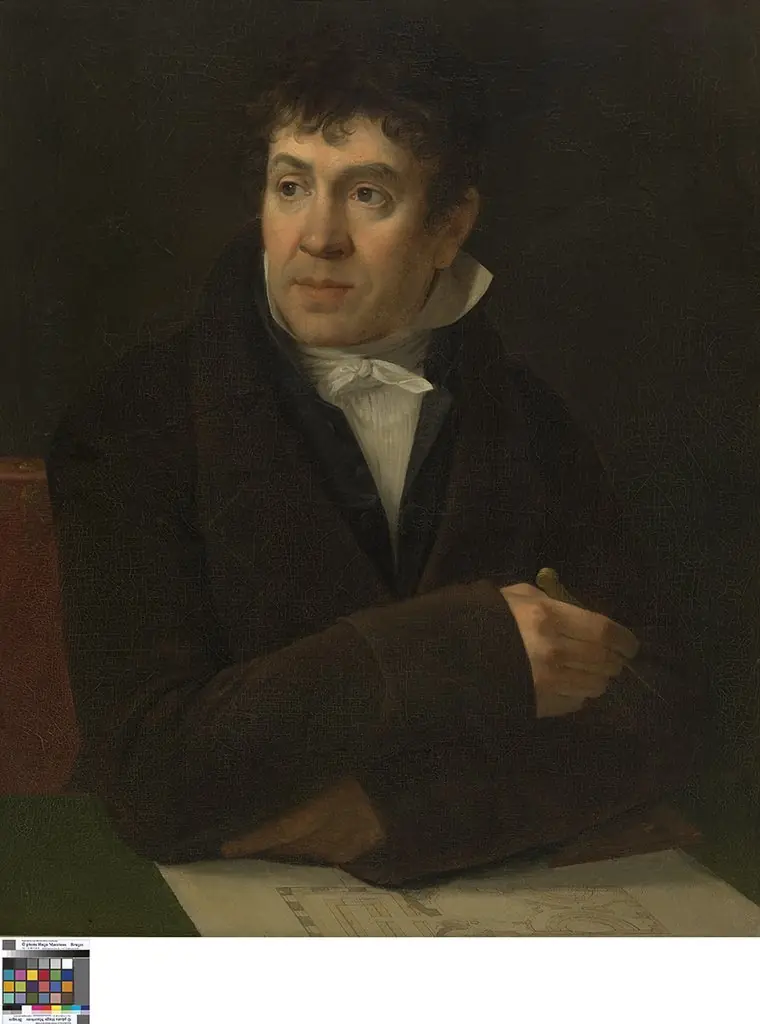 Portrait of Joseph François van Gierdegom
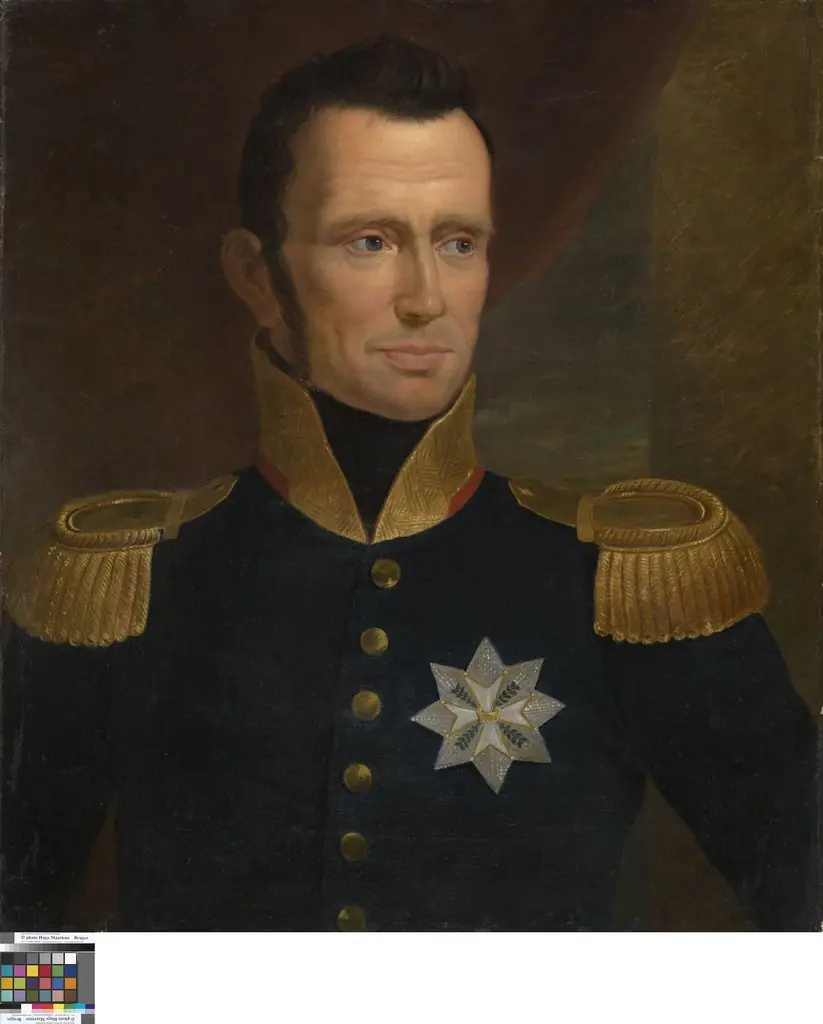 Portret van koning Willem I
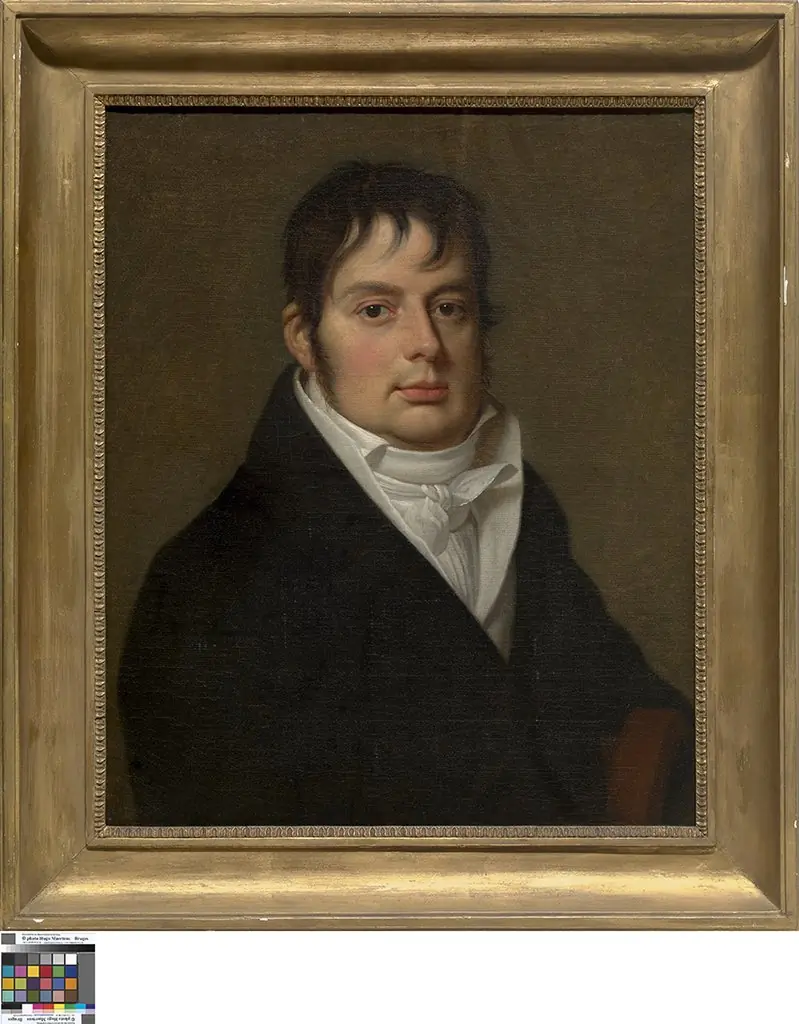 Portret van Geerebaert
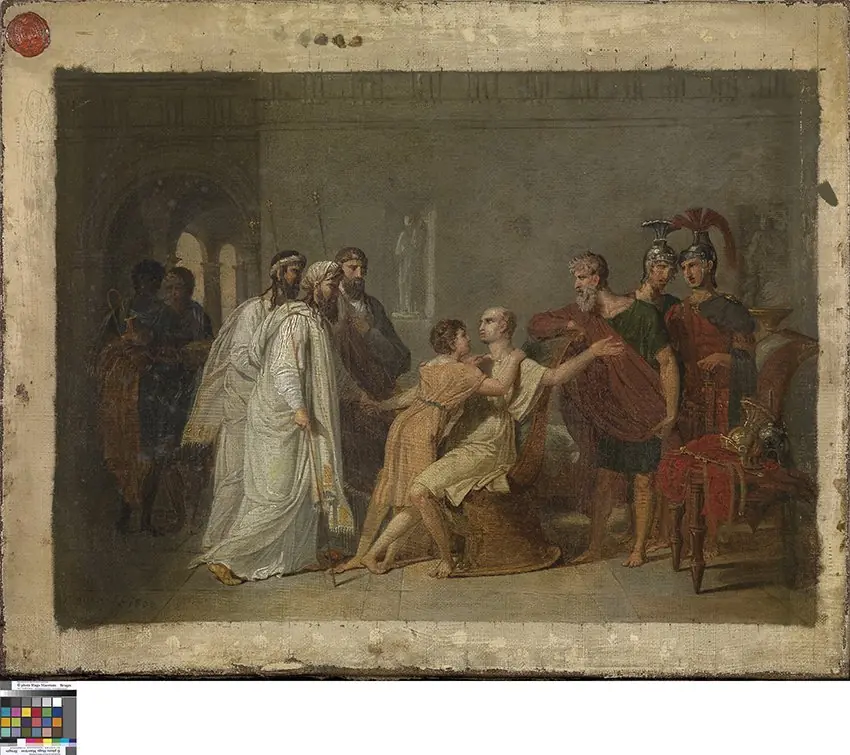 Terugkeer van Scipio's zoon
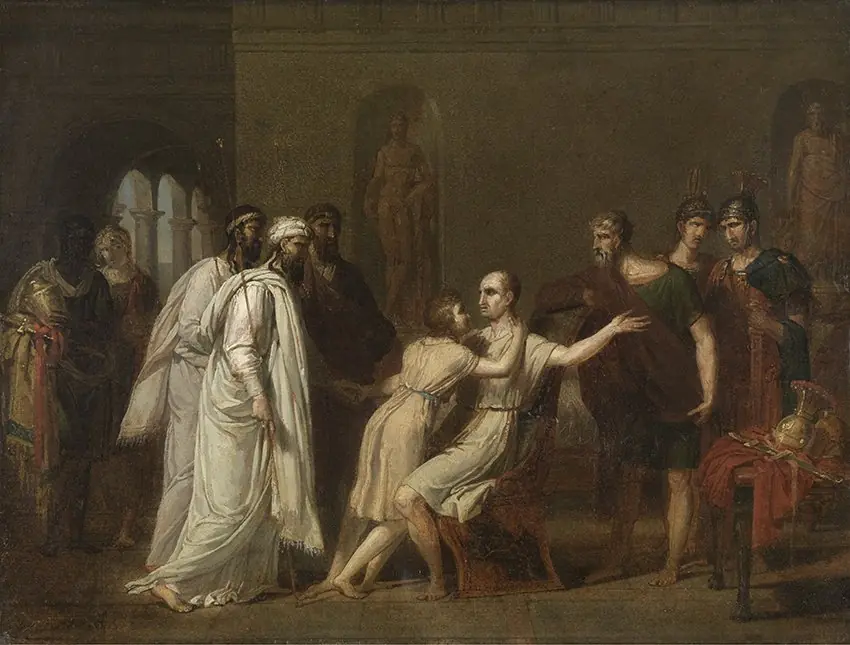 Terugkeer van Scipio's zoon
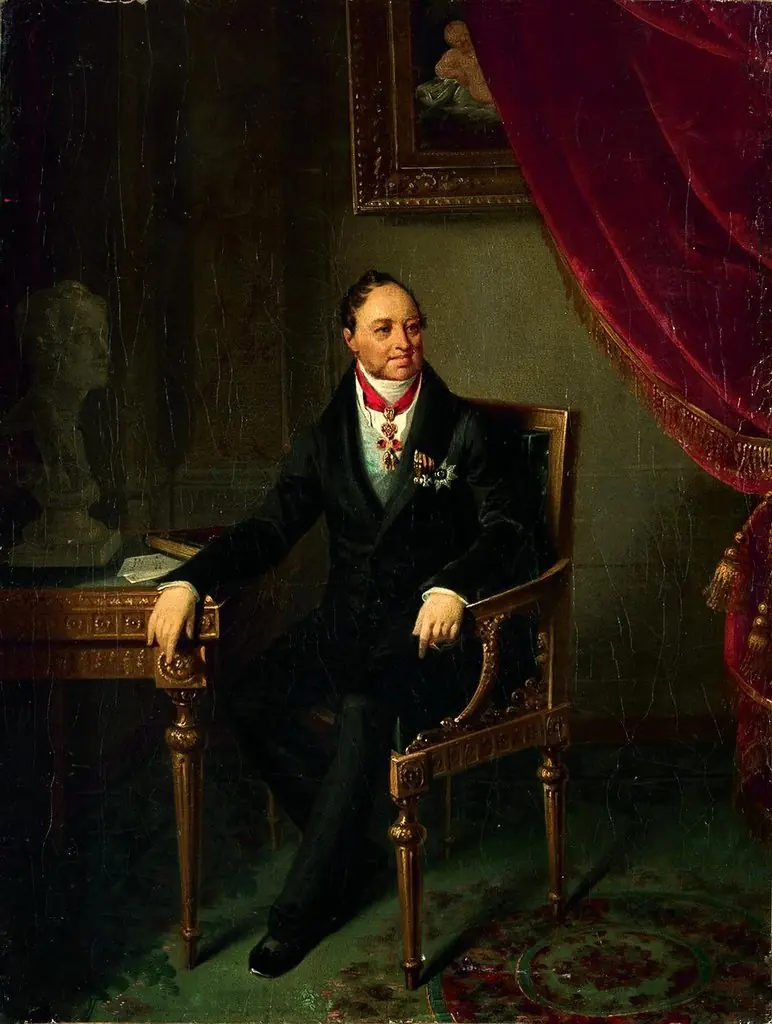 Portrait of D.P.Tatischev
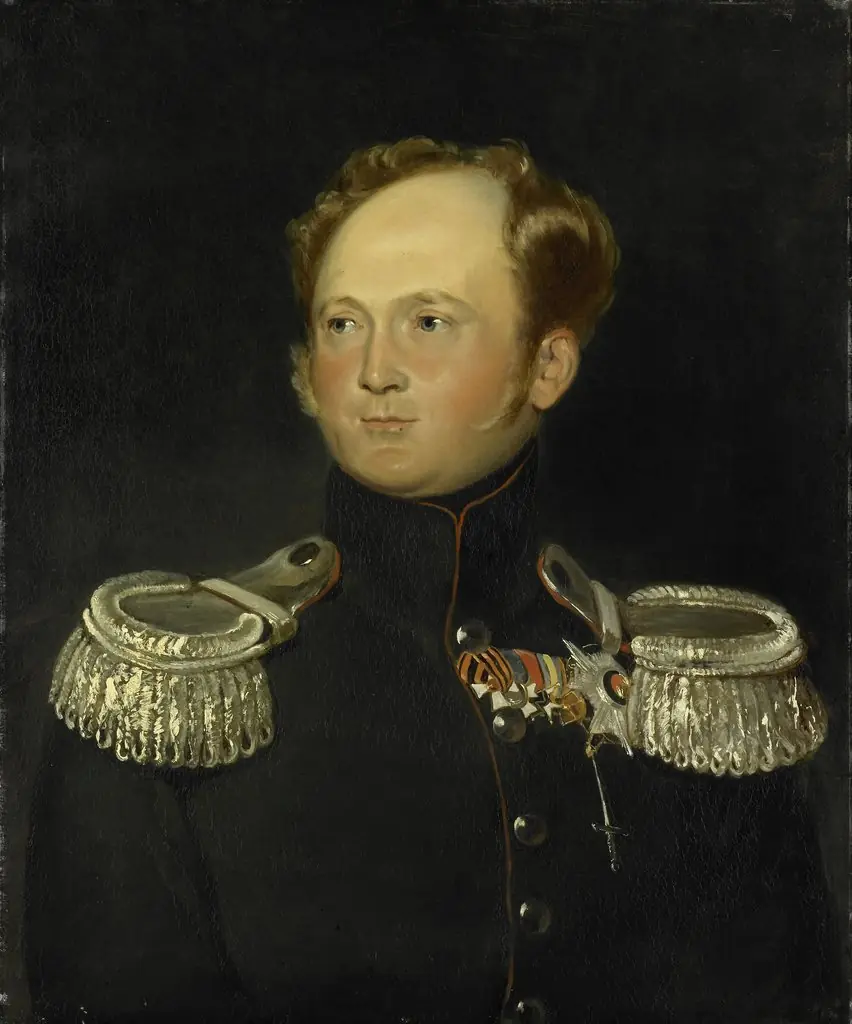 Portrait of Alexander I, Emperor of Russia
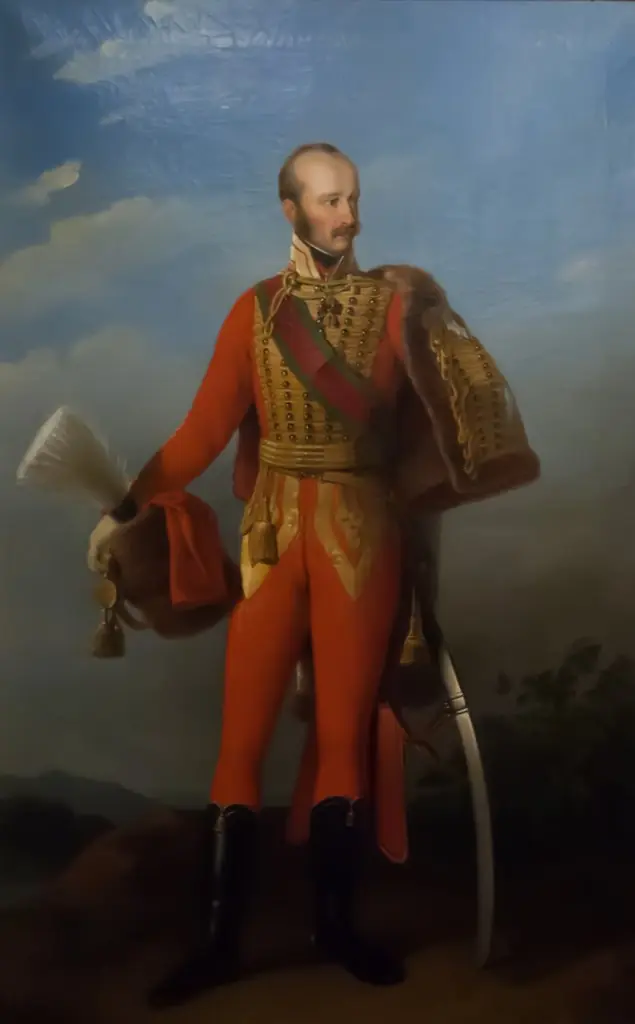 Porträt des Archduke Joseph, Palatine of Hungary (1776-1847)
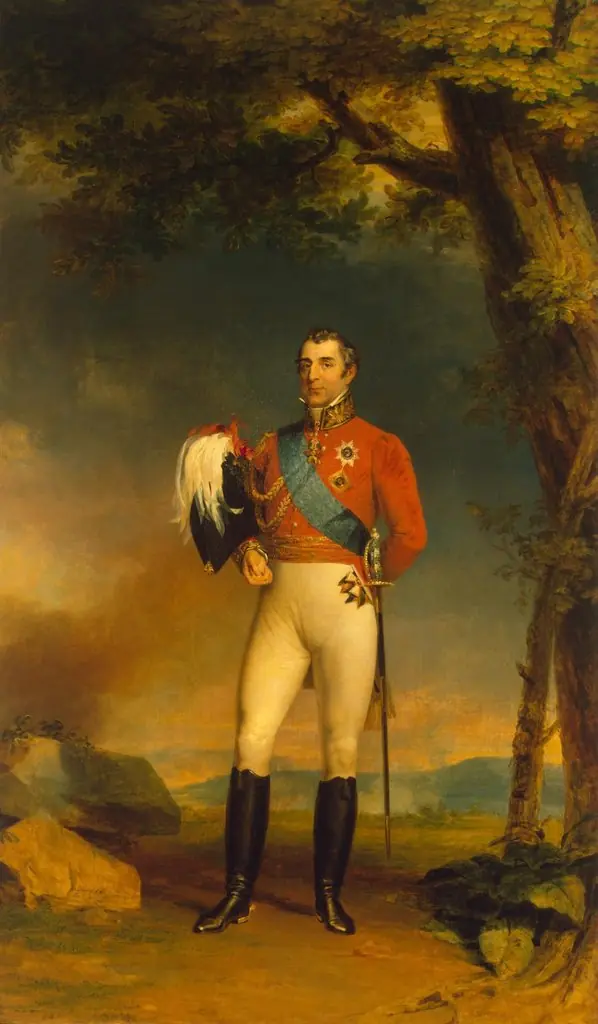 Portrait of Duke of Wellington (1769-1852)
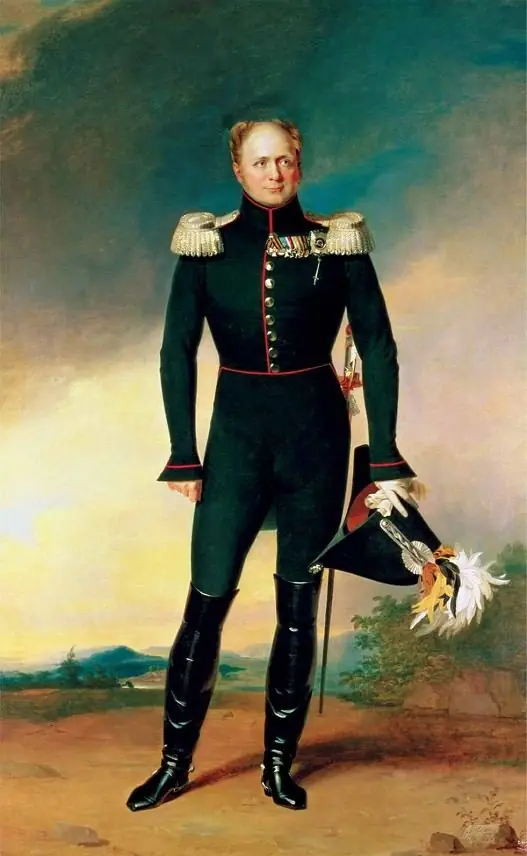 Portrait of Emperor Alexander I
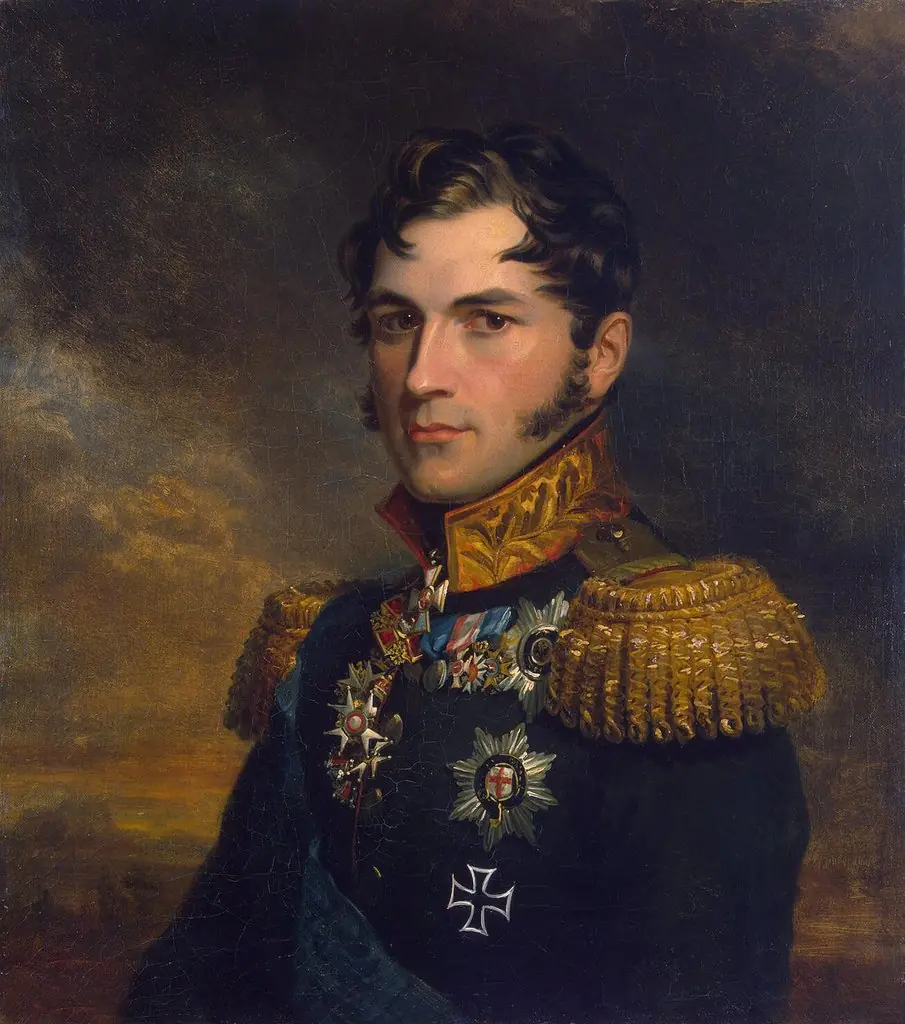 Portrait of Leopold, Prince of Saxe-Coburg (1790-1865)
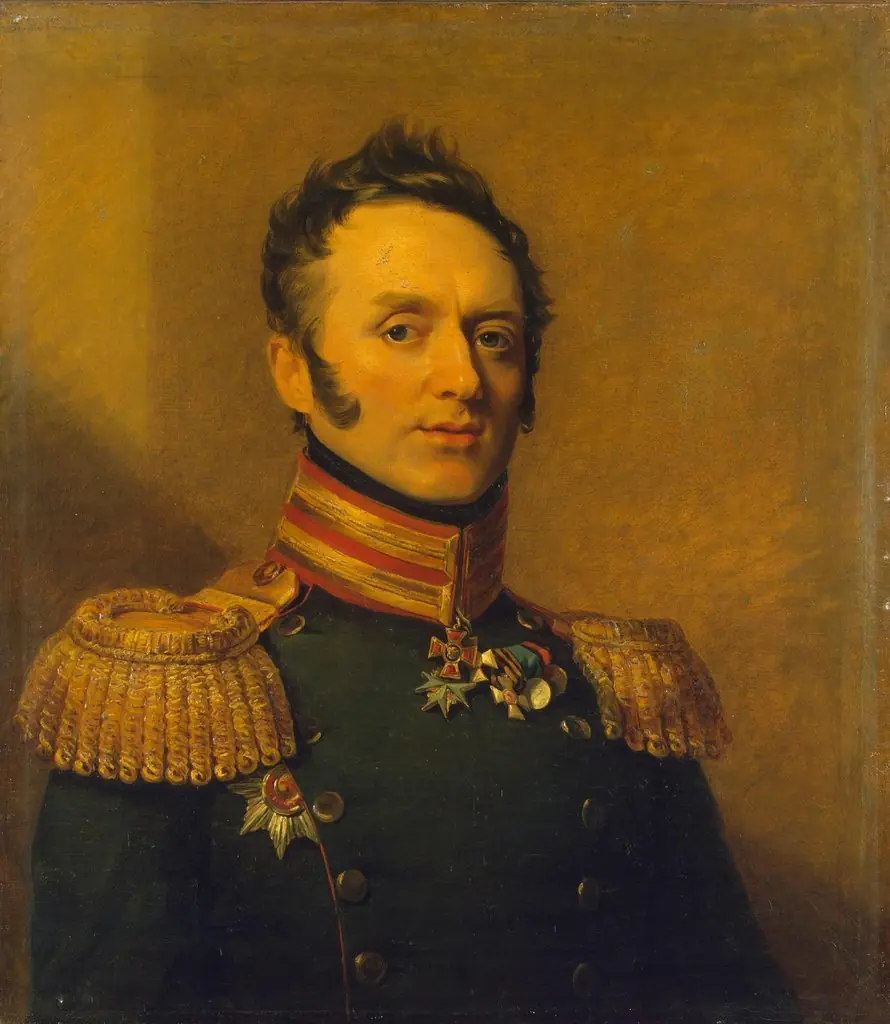 Portrait of Ivan F. Udom (1769-1821) (1st)
 Portrait of Konstantin Kh. von Benckendorf (1785-1828) (2nd)
 Portrait of Admiral F.F.Ushakov
 Portrait of Paisy S. Kaisarov (1783-1844)