Artwork
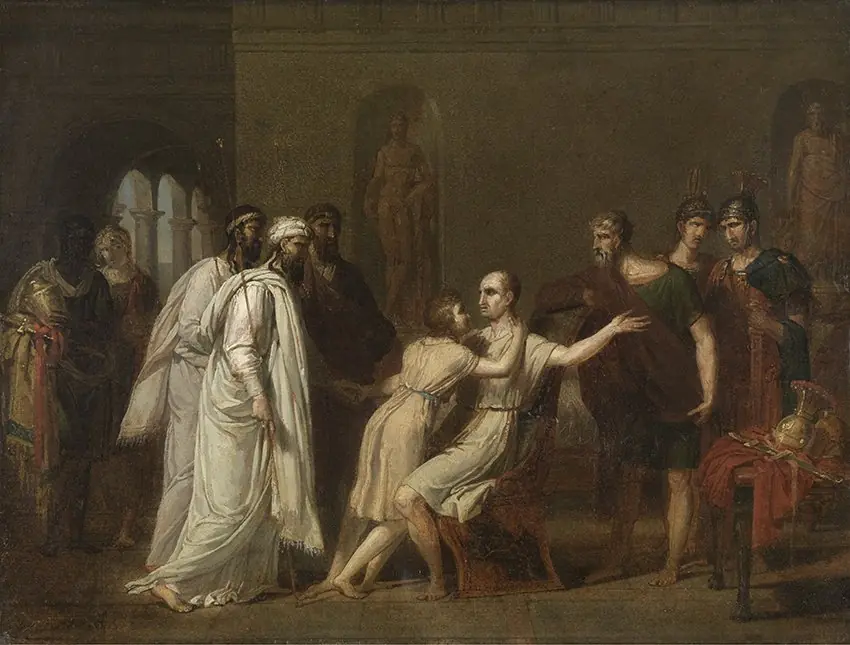
Terugkeer van Scipio's zoon
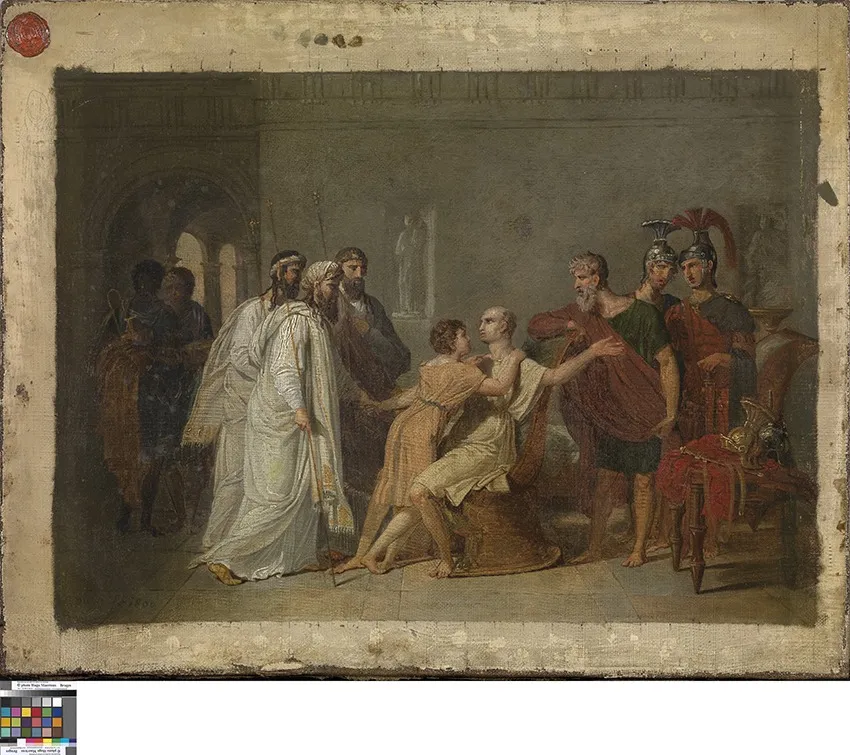
Terugkeer van Scipio's zoon is an oil painting by Joseph-François Ducq. It dates from 1800 and is held in the collection of the Groeningemuseum.
About this work
Overview
The work presents a staged encounter of figures dressed in Roman‑style garments, arranged within a spacious interior marked by arched openings.
Created in 1800 by Flemish painter Joseph‑François Ducq, *Terugkeer van Scipio's zoon* is an oil on canvas now housed in the Groeningemuseum. The work presents a staged encounter of figures dressed in Roman‑style garments, arranged within a spacious interior marked by arched openings. Light and shadow model the forms, while the composition draws the viewer’s eye across the varied postures of the group.
Subject & Meaning
The central figure is Scipio Africanus, rendered in classical armor, surrounded by companions in white, brown and red robes. The title suggests the moment of the general’s son’s return, a theme drawn from Roman historiography that emphasizes filial duty and the restoration of honor. The interaction among the figures, some touching and others gesturing, conveys a narrative of reunion and mutual respect.
Technique & Style
Ducq employs a meticulous handling of texture, using layered brushwork to differentiate the sheen of metal, the softness of fabric, and the architectural stone. Subtle chiaroscuro models the bodies, creating depth within the interior space. The palette balances warm earth tones with cooler whites, reinforcing the historic atmosphere while maintaining a clear, academic finish characteristic of late‑18th‑century Flemish painting.
History & Provenance
Born in 1763, Ducq trained in Bruges before continuing his studies in Paris and later traveling to Italy, experiences that informed his historical subjects. After his Italian sojourn he returned to Bruges, where he was appointed professor at the Bruges Academy. The painting entered the Groeningemuseum’s collection, where it remains part of the institution’s representation of Flemish academic art.
Context
The work reflects the neoclassical interest in antiquity that prevailed across Europe at the turn of the 19th century. By selecting a Roman episode, Ducq aligns with contemporary tastes for moralizing history paintings, while his academic background ensures a precise, didactic approach to composition and narrative. The piece thus illustrates the intersection of Flemish training and broader European classicism.
Artist & collection
Artist
Joseph-François Ducq, a Flemish historical and portrait painter, was born at Ledeghem in 1763.

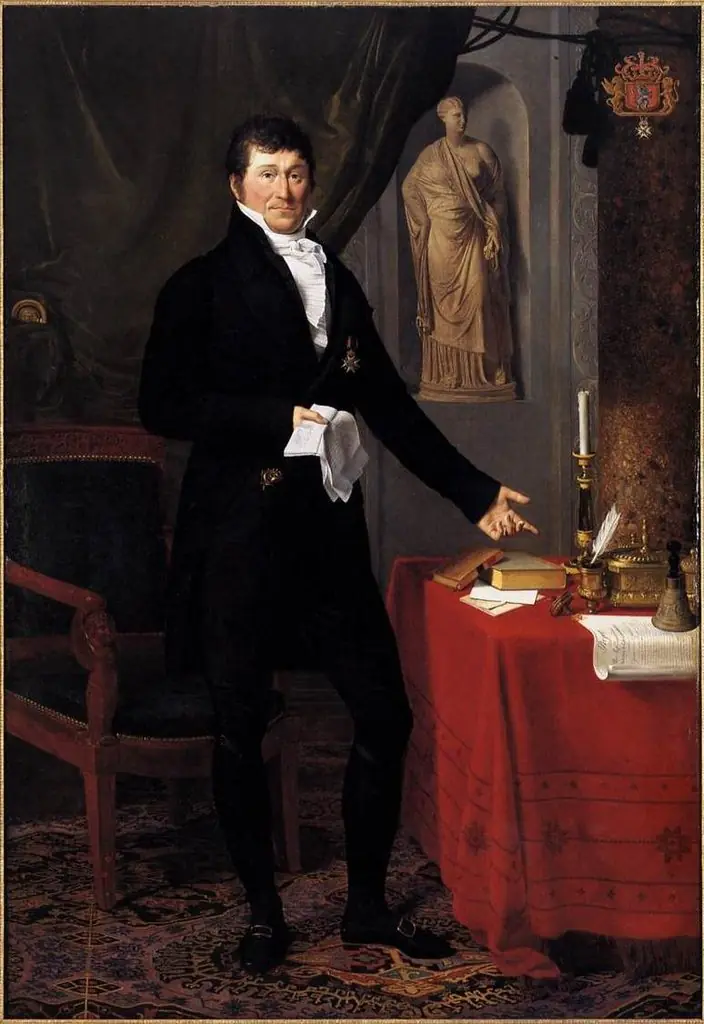 Portrait of Charles-Louis Baron de Keverberg de Kessel
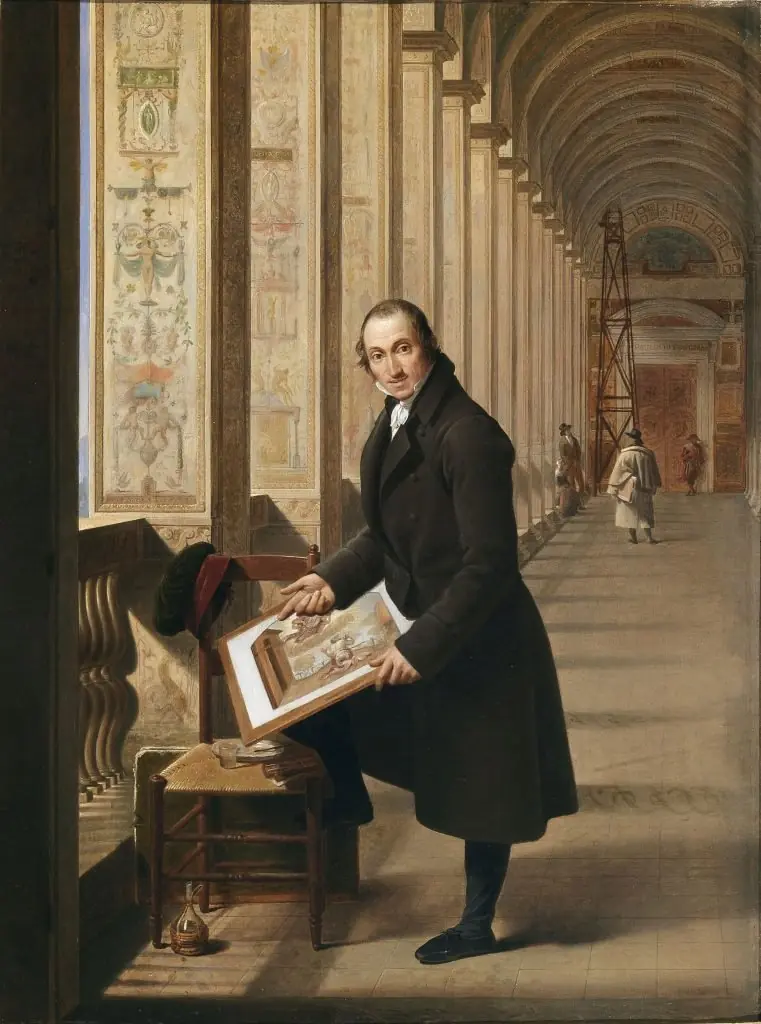 Portret van de graveur Joseph-Charles de Meulemeester aan het werk in de Loggia van het Vaticaan
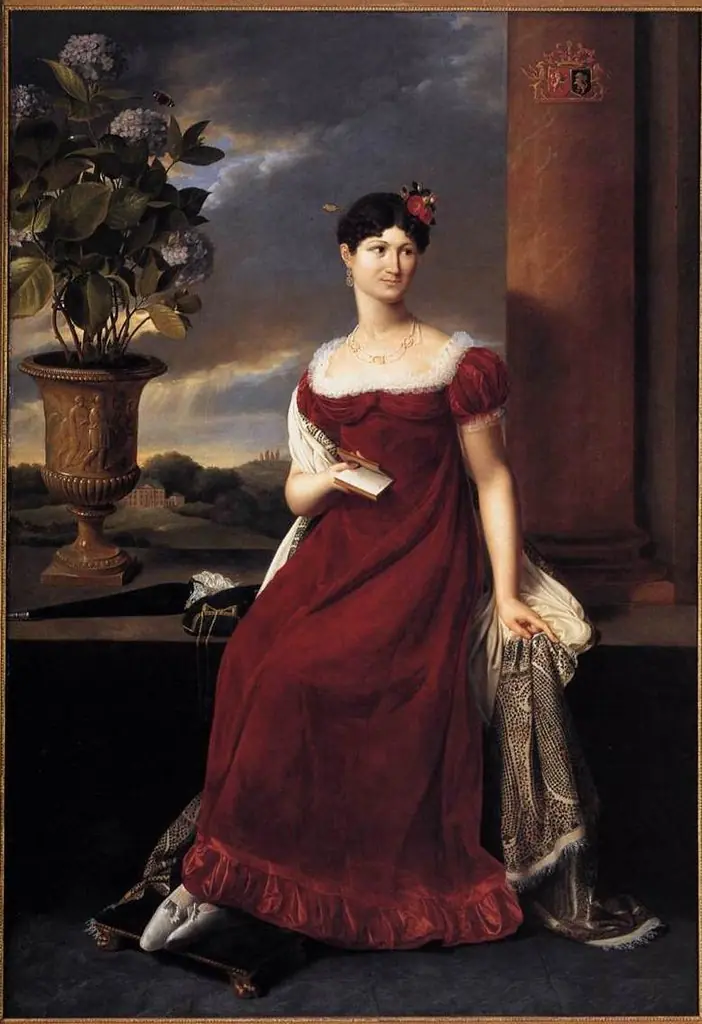 Mary Lodge, Bride of Baron Charles-Louis de Keverberg de Kessel
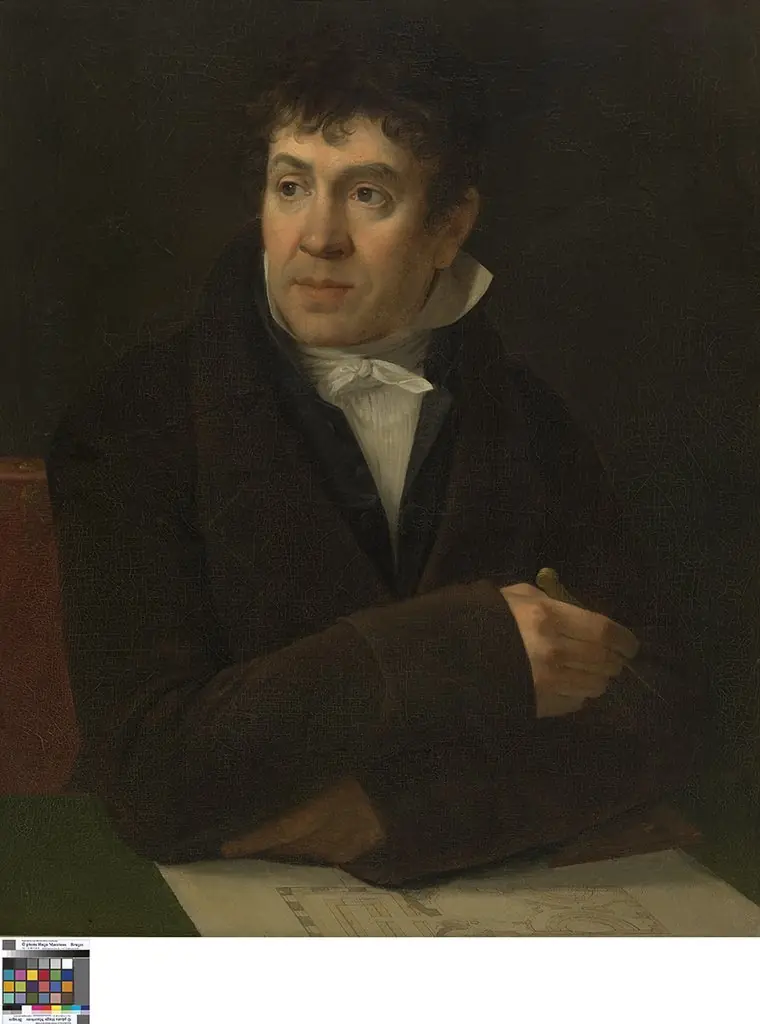 Portrait of Joseph François van Gierdegom
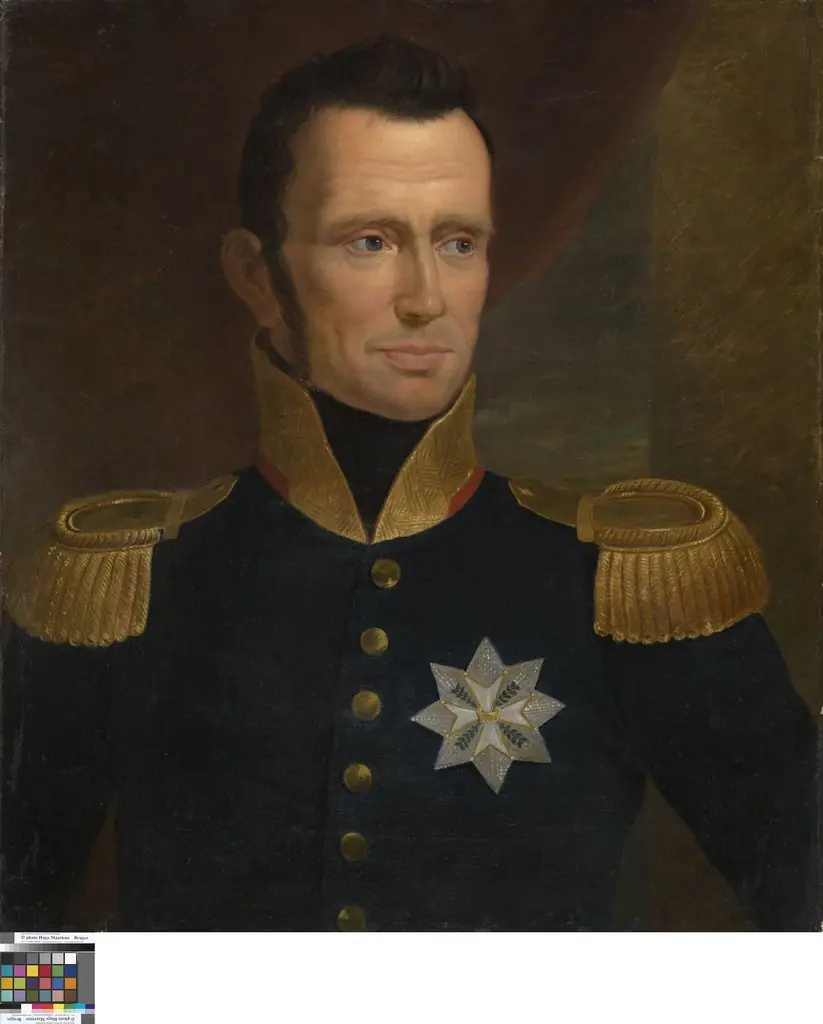 Portret van koning Willem I
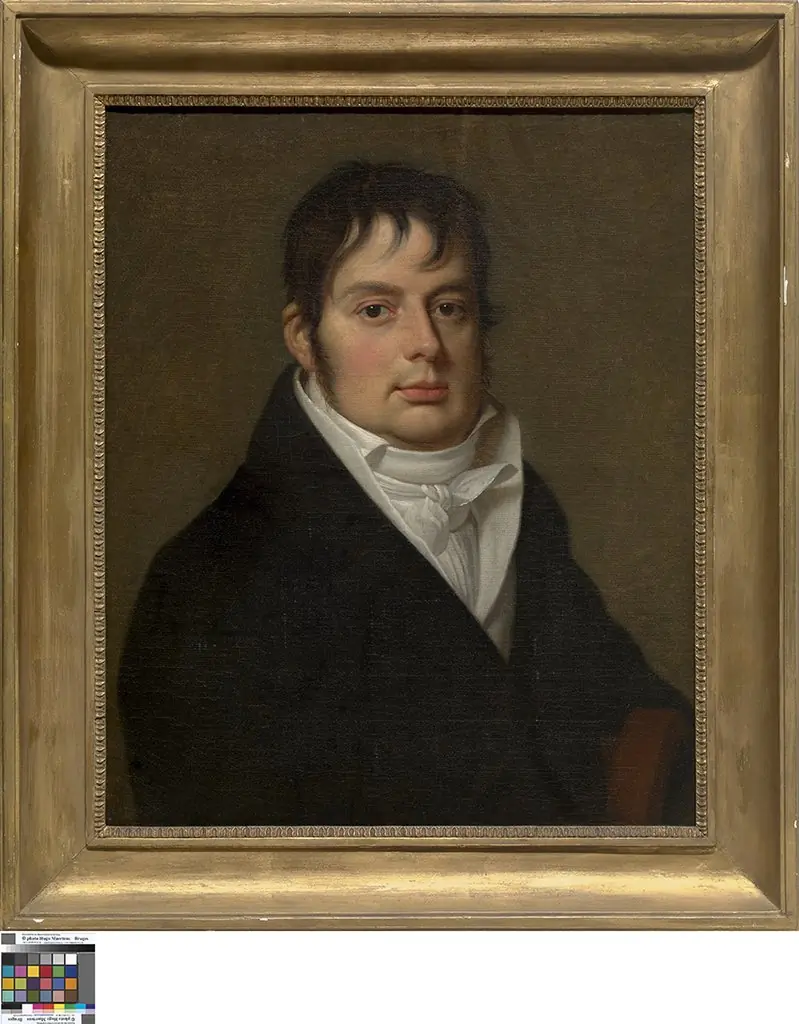 Portret van Geerebaert
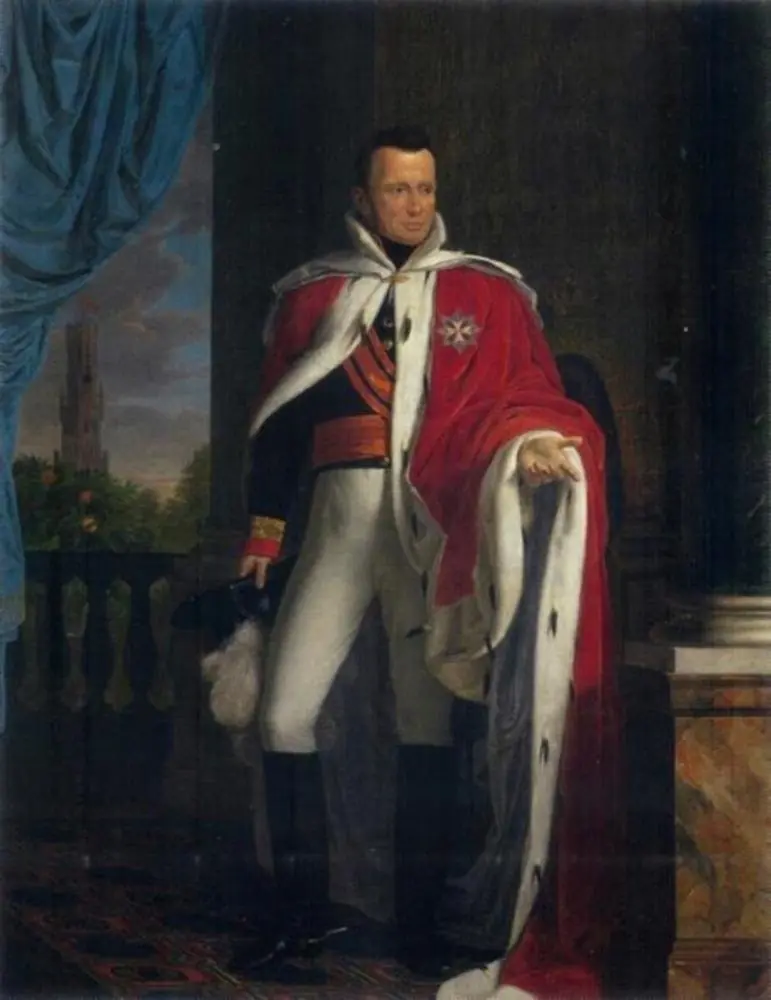 Portrait of king Willem I (1772-1843)
 Terugkeer van Scipio's zoon
 De dood van Phocio
 De thuiskomst van de verloren zoon
 Killer of Darius before Alexander (King Porus and Alexander the Great)
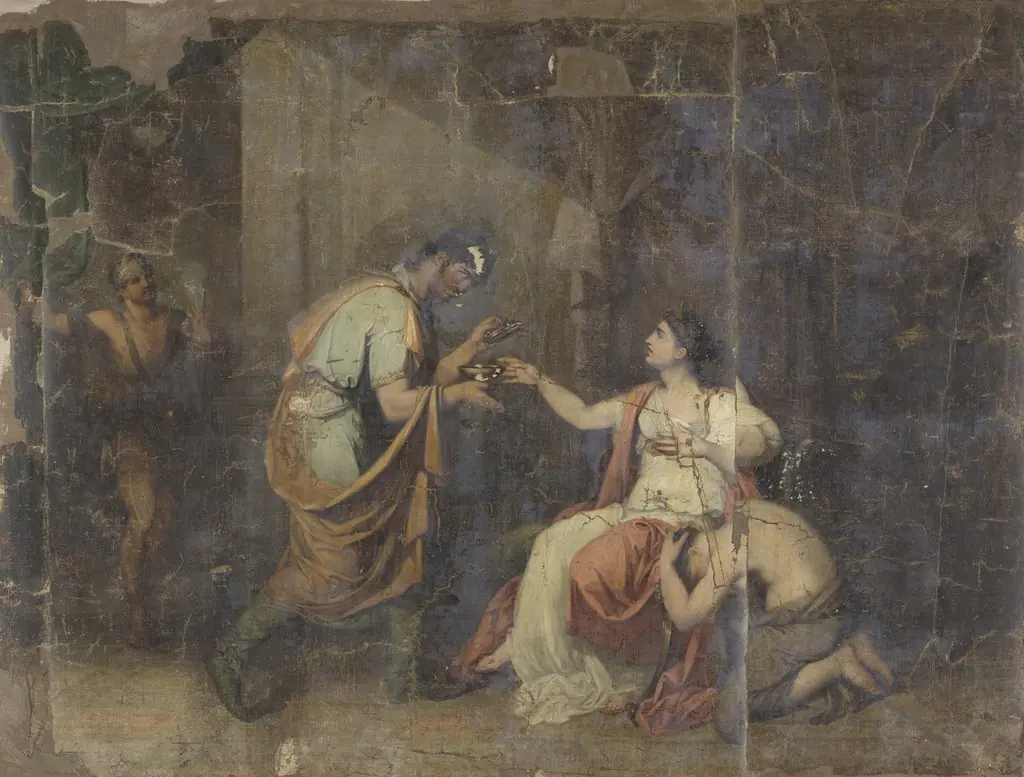 The Death of Sophonisba, Queen of Numidia
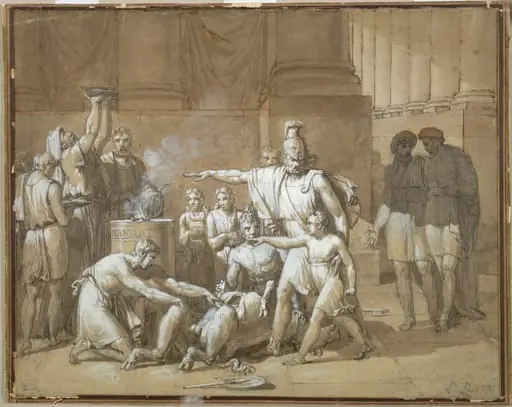 Hannibal Swearing Eternal Enmity toward Rome
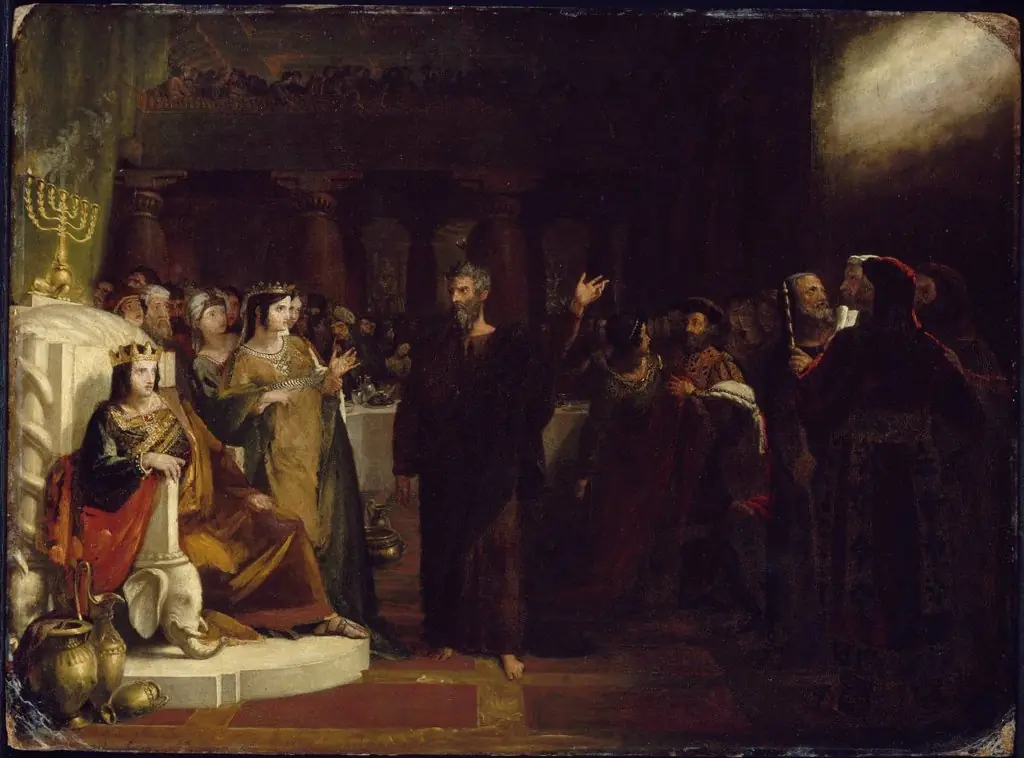 Study for Belshazzar's Feast
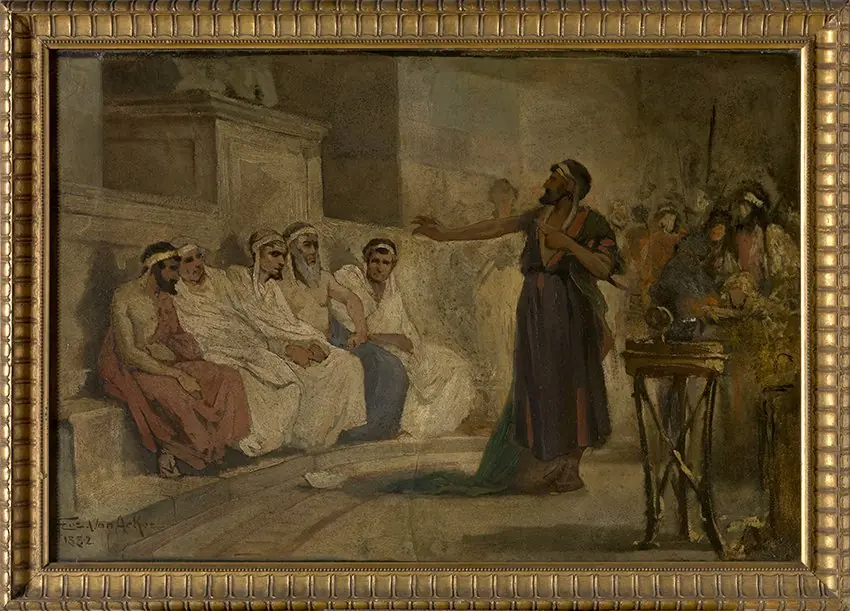 De heilige Paulus voor de Areopagus in Athene
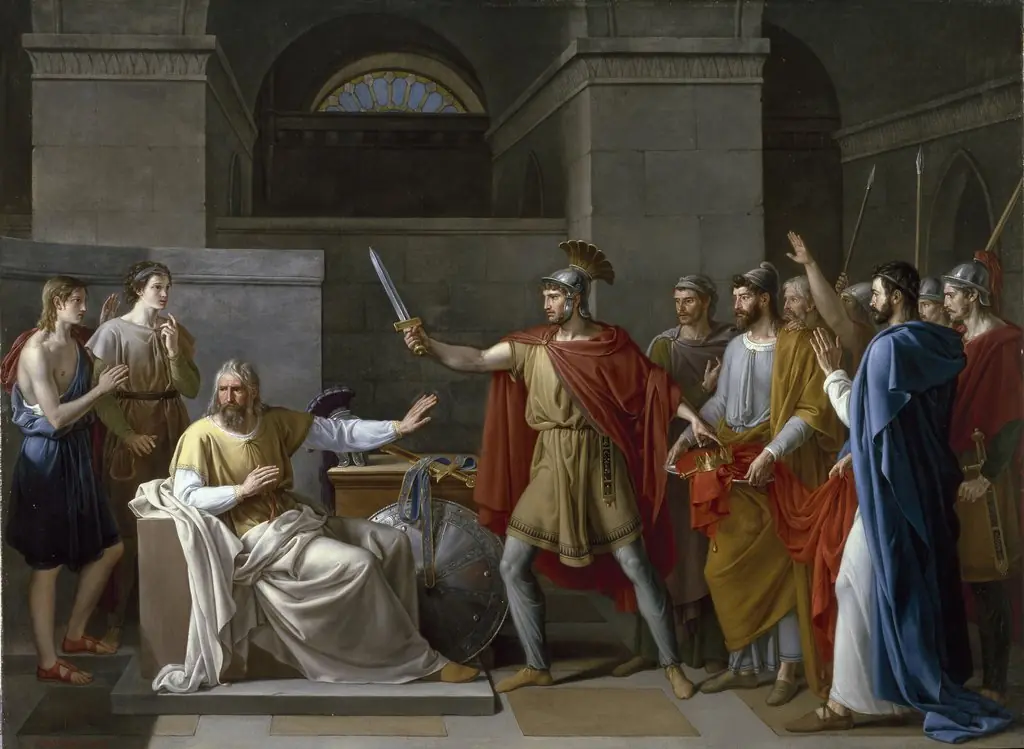 Wamba renouncing the Crown
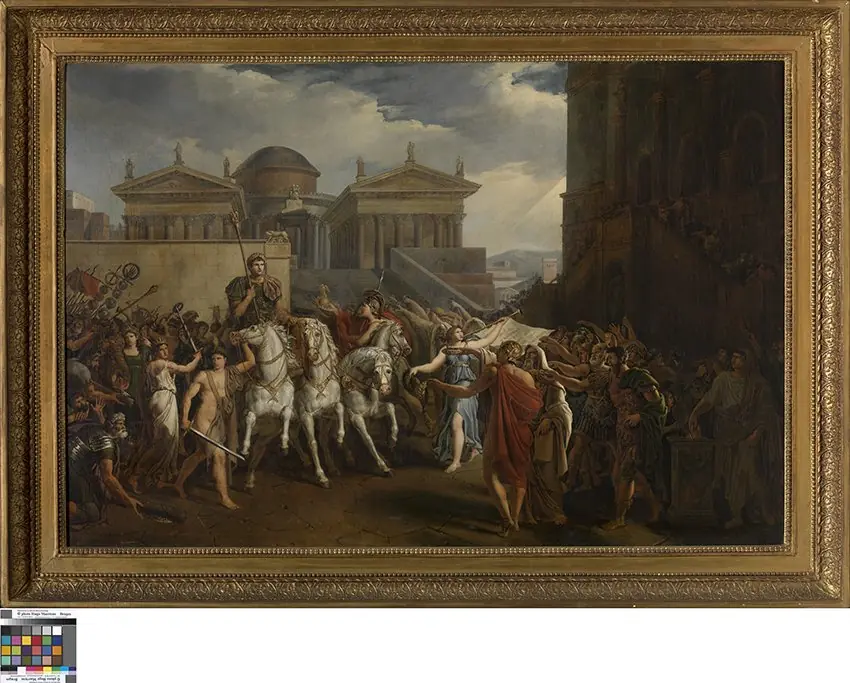 Triomftocht van keizer Trajanus
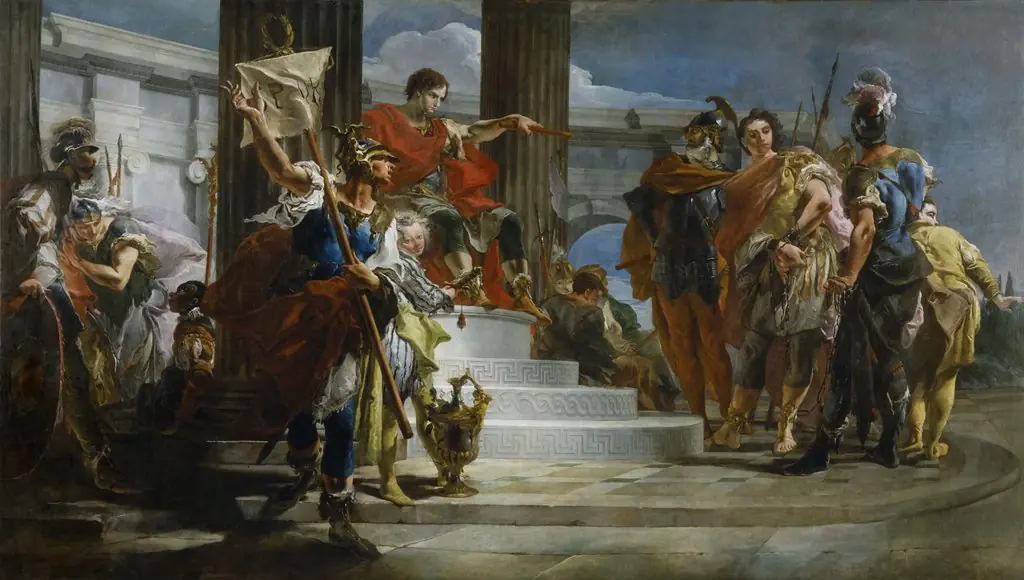 Scipio Africanus Freeing Massiva
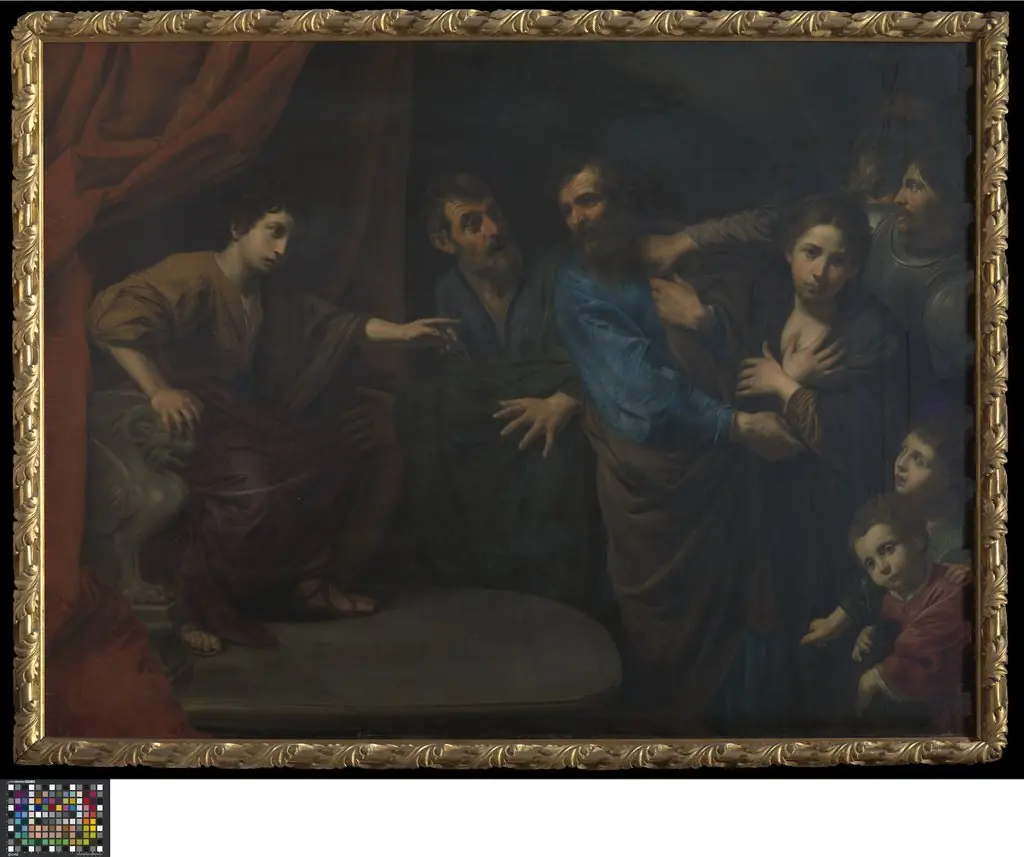 Oordeel van Daniël