Artwork
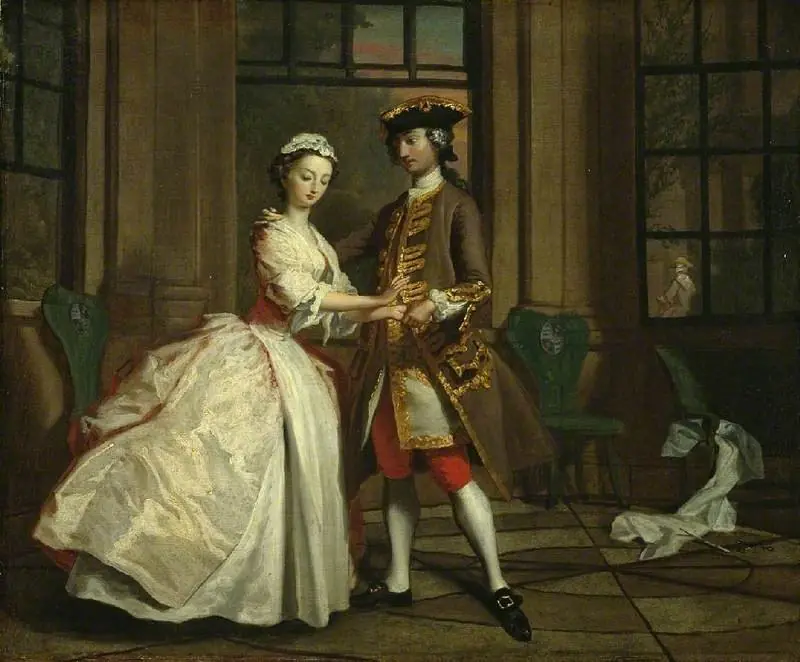
Pamela shows Mr Williams a hiding place for their letters
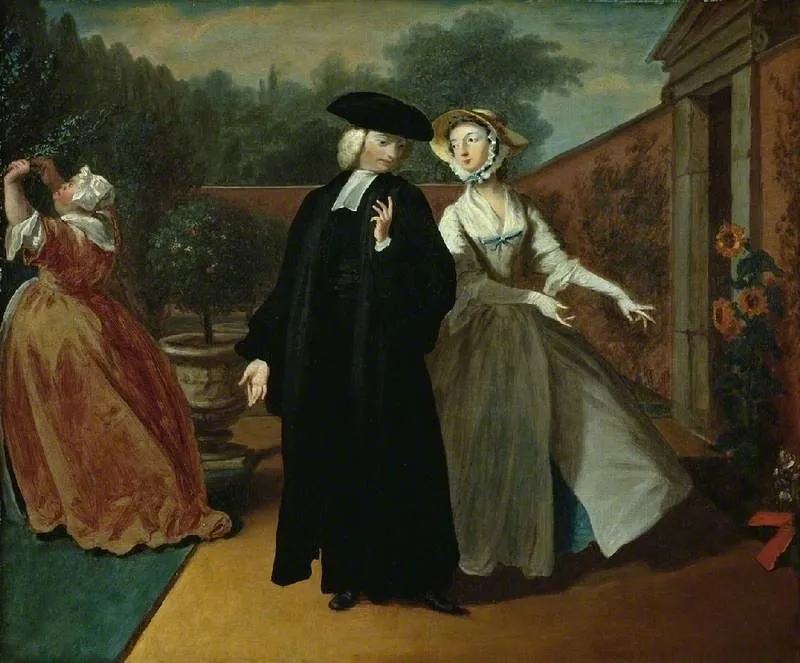
Pamela shows Mr Williams a hiding place for their letters is an oil painting by Joseph Highmore. It dates from 1744 and is held in the collection of the Fitzwilliam Museum.
About this work
Overview
The composition captures a tender, clandestine exchange, rendered with restrained elegance and attention to domestic detail.
Painted in 1744 by Joseph Highmore, this oil on canvas work depicts a quiet moment between two figures in a garden. It is part of a series illustrating scenes from Samuel Richardson’s novel Pamela, and is currently held in the collection of the Fitzwilliam Museum in Cambridge. The composition captures a tender, clandestine exchange, rendered with restrained elegance and attention to domestic detail.
Subject & Meaning
The scene illustrates a moment from Richardson’s novel where the servant Pamela reveals a hidden spot for secret correspondence with Mr. Williams, a family friend. Her hand resting on his chest conveys both trust and restraint, reflecting the novel’s themes of virtue and coded social interaction. The presence of a third figure in the background, partially obscured, suggests surveillance or the ever-present scrutiny of class and gender norms.
Technique & Style
Highmore employs soft modeling and muted tones to convey intimacy without drama. The figures are rendered with precise detail in their clothing and posture, while the garden setting is rendered with loose, atmospheric brushwork. Light falls gently across the figures, emphasizing their connection without theatricality. The composition avoids overt emotion, favoring psychological subtlety over narrative spectacle.
History & Provenance
The painting was created as part of a twelve-panel series commissioned to visualize scenes from Pamela, a widely read novel of the time. It remained in private collections until entering the Fitzwilliam Museum’s holdings in the 19th century. Its survival as a complete series is rare, making this work a significant artifact of 18th-century literary illustration in visual form.
Context
Highmore’s series emerged during a period when the novel was reshaping public discourse on morality, class, and gender. The painting reflects the growing cultural interest in domestic life and emotional nuance. Unlike grand historical subjects, this work elevates private moments, aligning with the rise of the middle-class reader and the novel’s influence on visual culture.
Legacy
Highmore’s Pamela series stands as one of the earliest sustained visual interpretations of a contemporary novel. Its quiet realism influenced later narrative painting in Britain, particularly in its focus on psychological realism over melodrama. The work remains a key reference for understanding how literature and visual art intersected in the 18th-century public imagination.
Artist & collection

Artist
Joseph Highmore (13 June 1692 – 3 March 1780) was an English painter of portraits, conversation pieces and history subjects, illustrator and writer.

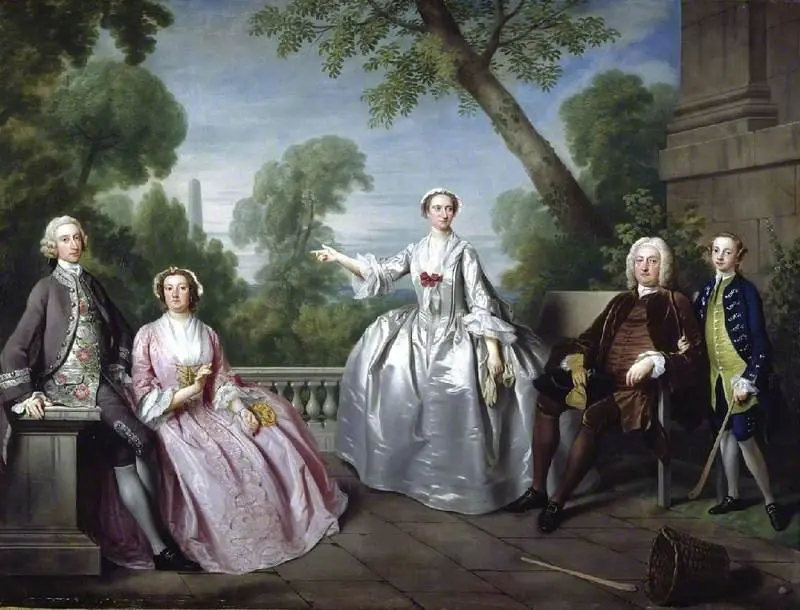 The Andrews Family
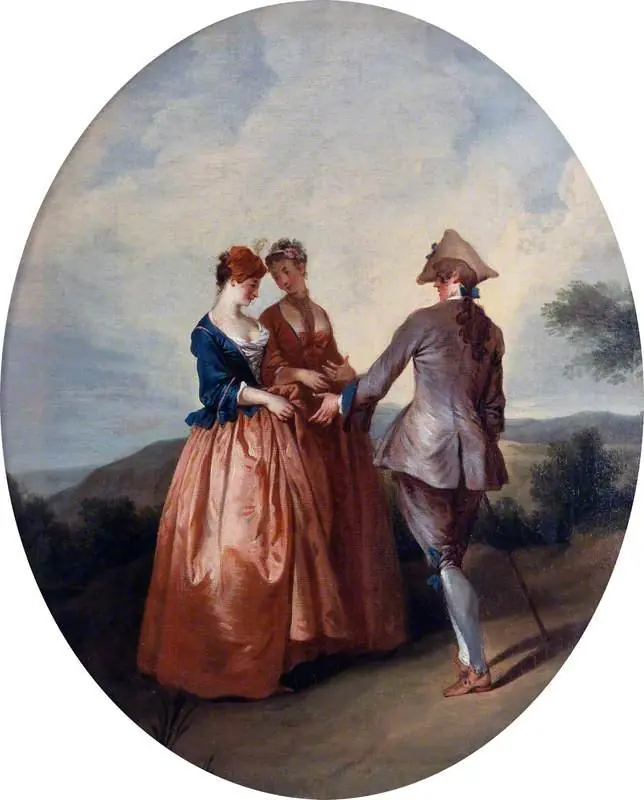 Cavalier and Two Ladies
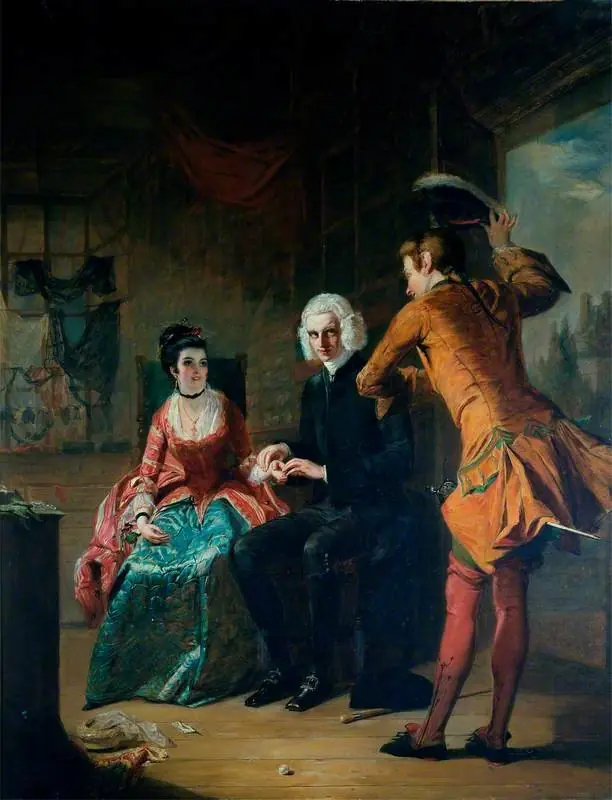 Scene from Laurence Sterne's 'A Sentimental Journey'
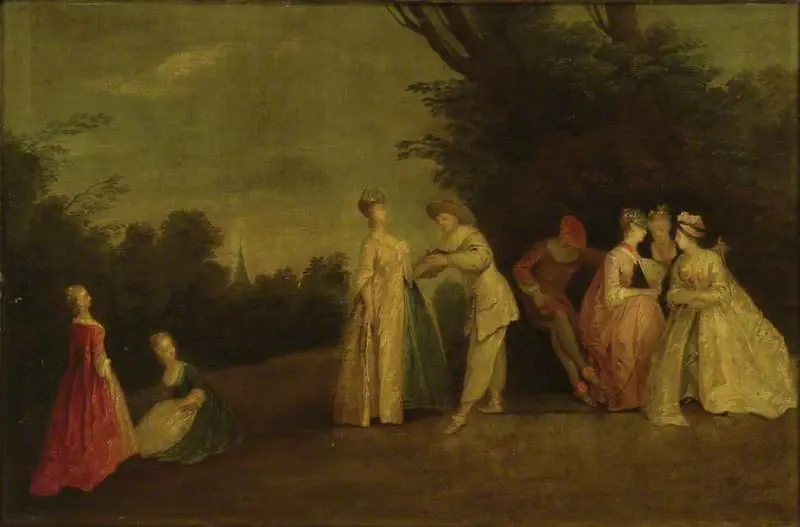 Fête galante
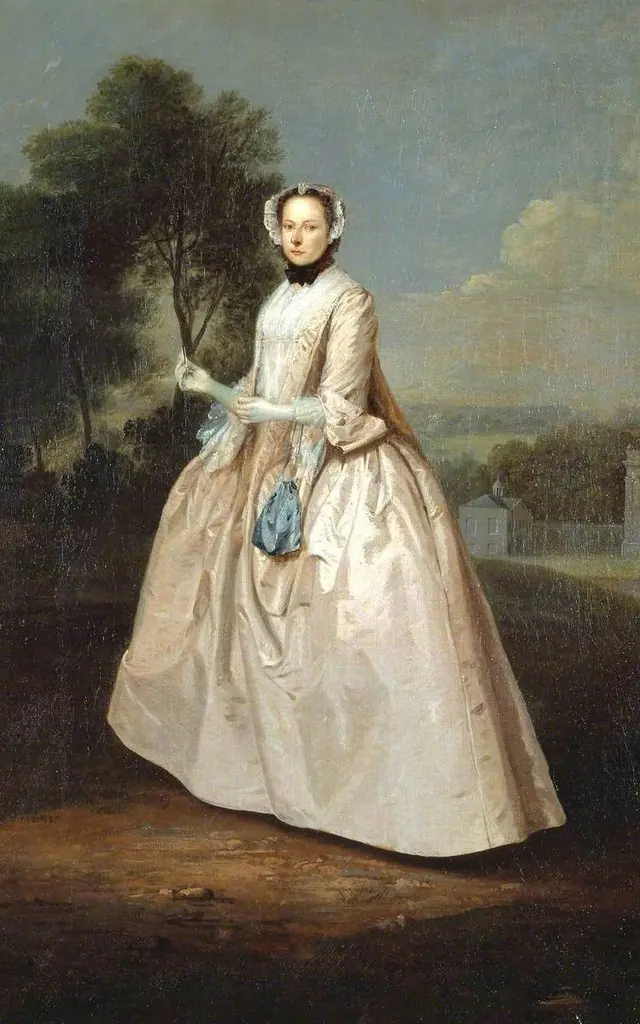 Portrait of a Lady
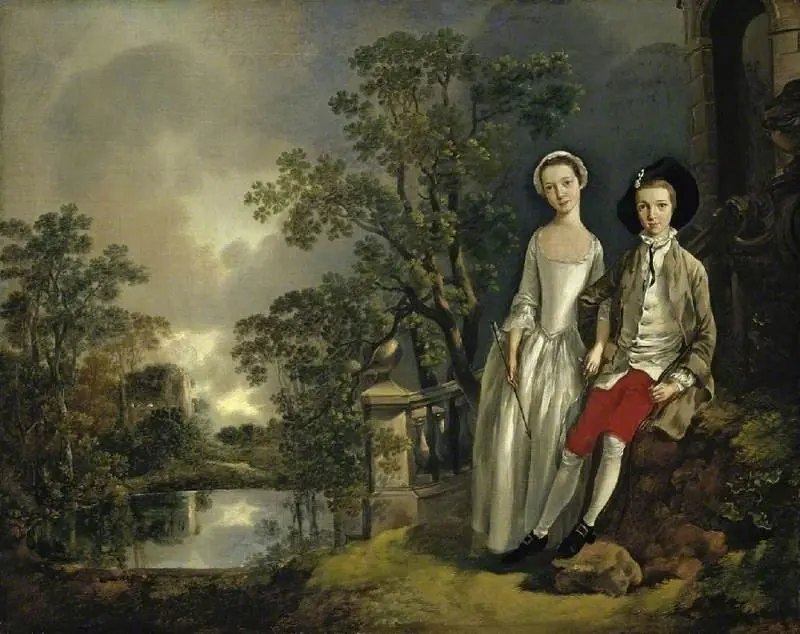 Heneage Lloyd and his Sister, Lucy
 Fête galante
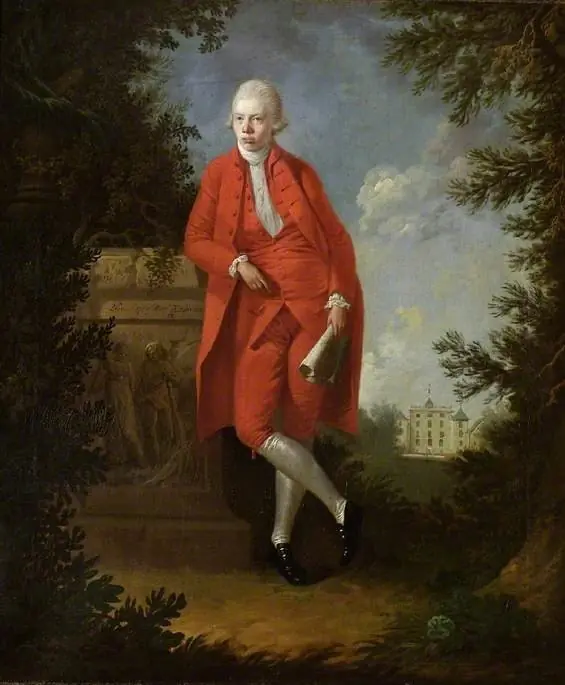 Young man in red
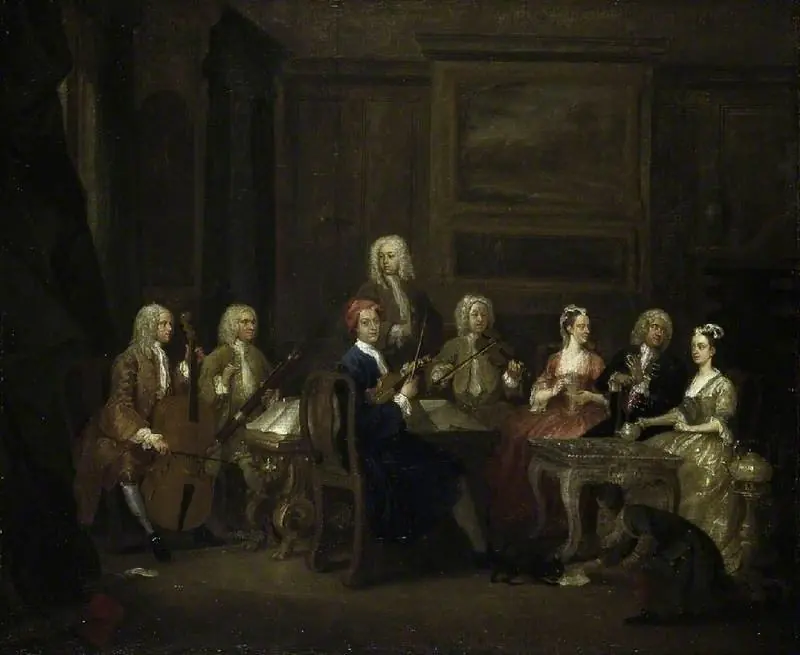 A Musical Party, The Mathias family
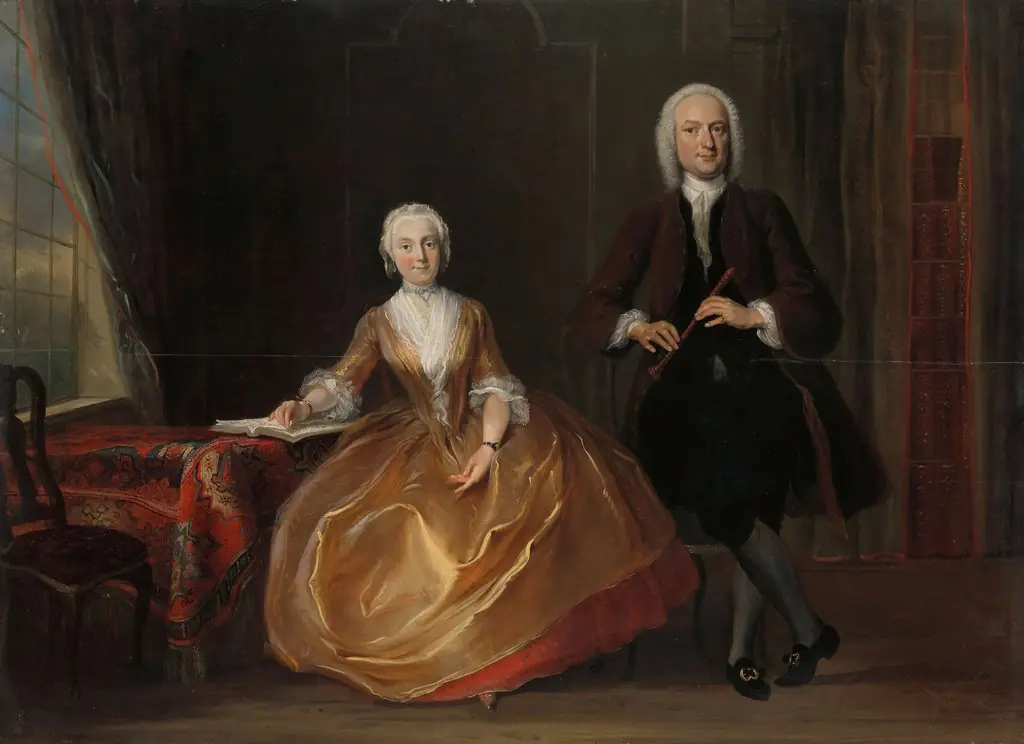 A Couple Making Music
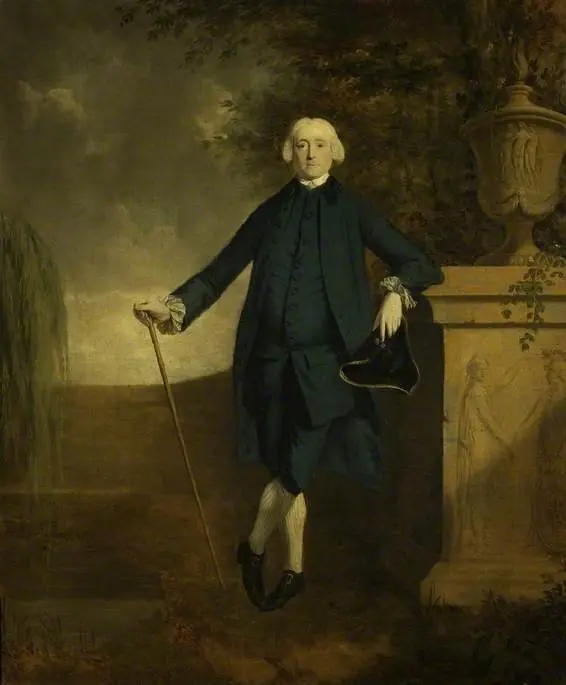 Francis Page of Newbury
 Pamela and Mr B. in the summer house