Artwork
Architecture of the Middle Ages: Shrine of the Countess de la Warre in Boxgrove Priory, Sussex
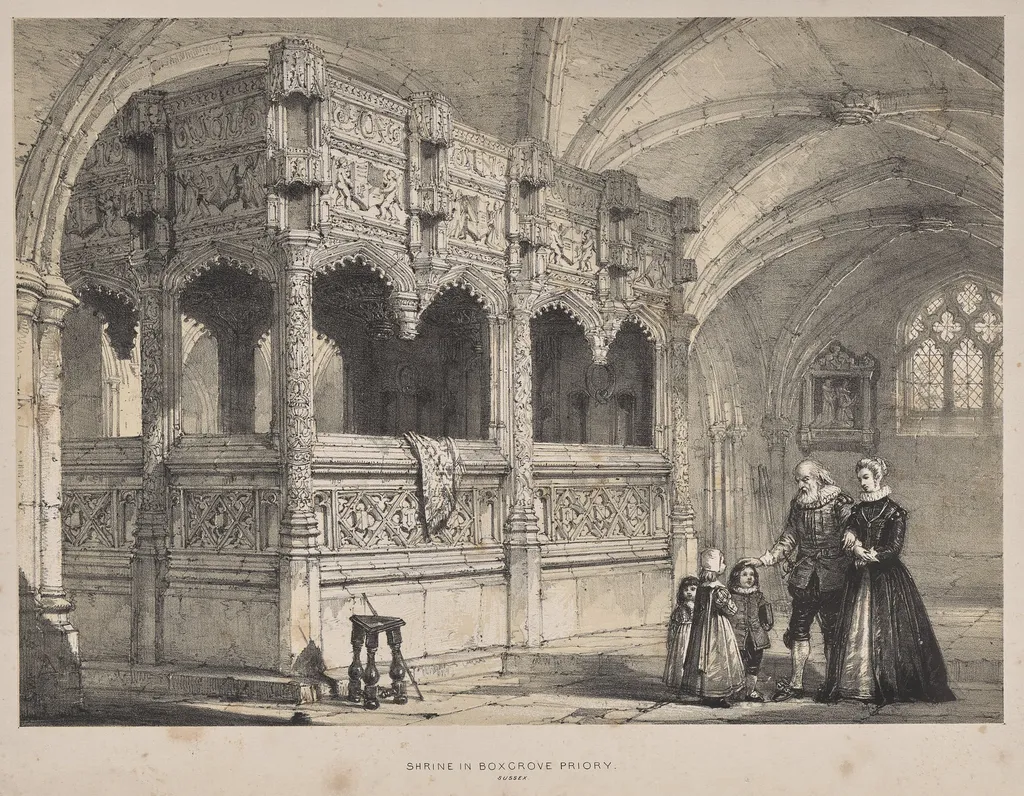
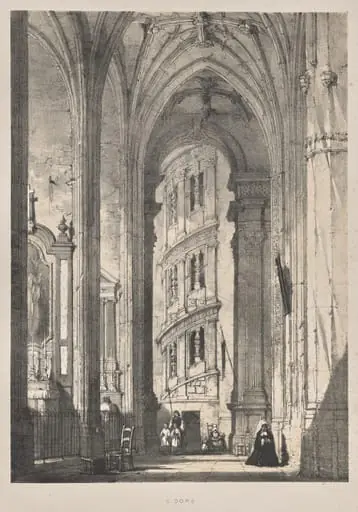
Architecture of the Middle Ages: Shrine of the Countess de la Warre in Boxgrove Priory, Sussex is a print by the Romanticist artist Joseph Nash. It dates from 1838 and is held in the collection of the Cleveland Museum of Art.
About this work
Overview
Joseph Nash produced this watercolour in 1838 as part of his systematic documentation of medieval English architecture.
Joseph Nash produced this watercolour in 1838 as part of his systematic documentation of medieval English architecture. The work depicts the shrine of the Countess de la Warre within Boxgrove Priory, a Cistercian foundation in Sussex. Nash, known for his precise renderings of historic buildings, captured the structure with careful attention to its physical presence, reflecting his broader project to record England’s architectural heritage before further decay or alteration.
Subject & Meaning
The shrine, dedicated to a noblewoman buried in the priory, serves as a focal point of devotional memory. Nash includes two figures—likely descendants or worshippers—standing before it with two children, suggesting continuity of familial and spiritual reverence. Their presence humanizes the monument, grounding its religious significance in lived tradition rather than abstract grandeur.
Technique & Style
Nash employed fine-line watercolour and careful tonal gradation to render the shrine’s intricate woodcarvings and the dim interior of the priory. Deep shadows emphasize the weight of stone and the texture of aged timber, while the detailed figures are rendered with restrained realism. His method prioritizes accuracy over dramatic effect, aligning with antiquarian practices of the period rather than Romantic embellishment.
History & Provenance
Boxgrove Priory, dissolved in the 16th century, retained its architectural fragments into the 19th century, making it a subject of antiquarian interest. Nash’s watercolour was created during a period of heightened awareness of medieval heritage, preceding major conservation efforts. The work likely served as a record for scholars and patrons, later incorporated into his larger publication project on historic English residences.
Context
In the 1830s, British artists and antiquarians increasingly turned to medieval sites as repositories of national identity. Nash’s work emerged alongside growing interest in Gothic revival and the preservation of ecclesiastical ruins. His depictions were not idealized but documented, offering a visual archive that responded to concerns about the loss of historical fabric amid industrial change.
Legacy
Nash’s watercolours, including this one, contributed to the visual record of England’s medieval architecture at a critical moment. Though not widely exhibited in his lifetime, his illustrations became reference points for later historians and restorers. The precision of his work ensured its enduring utility as a documentary source, preserving details of structures that have since altered or vanished.
Artist & collection
Artist
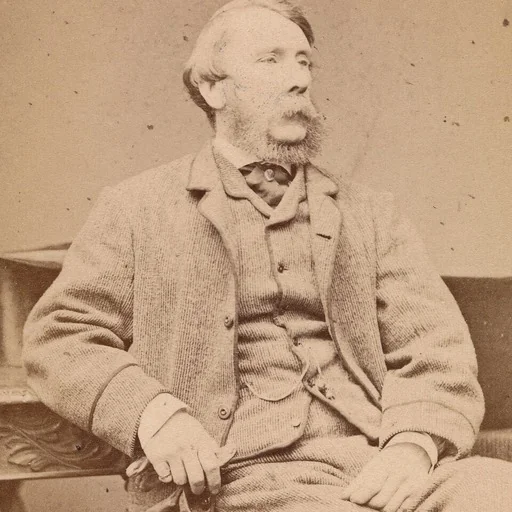
Joseph Nash (17 December 1809 – 19 December 1878) was an English watercolour painter and lithographer, specialising in historical buildings. His major work was the 4-volume Mansions of England in the Olden Time, published from 1839–49.

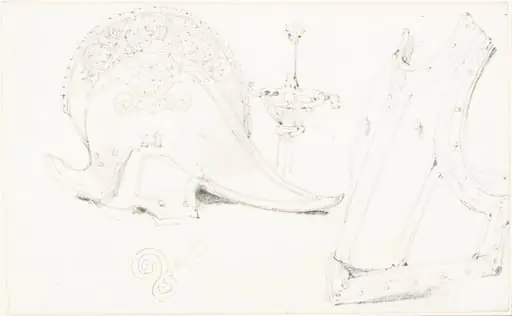 Study of a Helmet, Breastplate, and Rapier
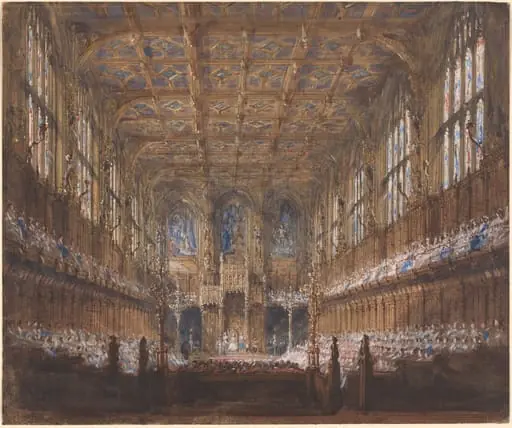 The State Opening of Parliament in the Rebuilt House of Lords
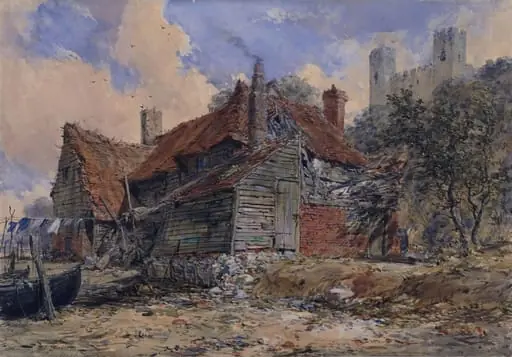 Rochester
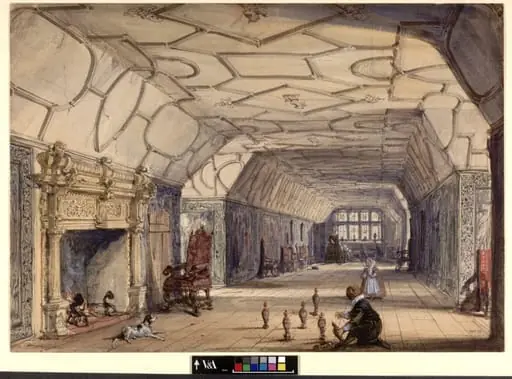 The gallery at Knole House, near Sevenoaks
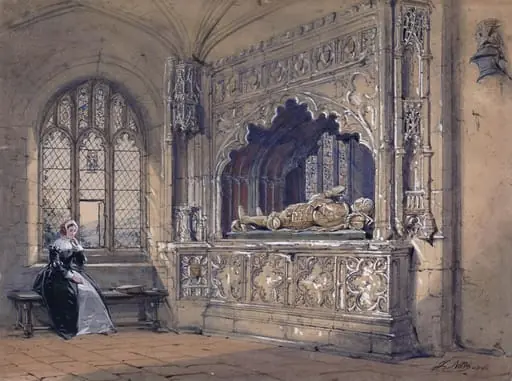 The supposed tomb of Thomas Fiennes, in Herstmonceux Church, Sussex, looking south-east from the North Chapel
 Speke Hall, Lancashire
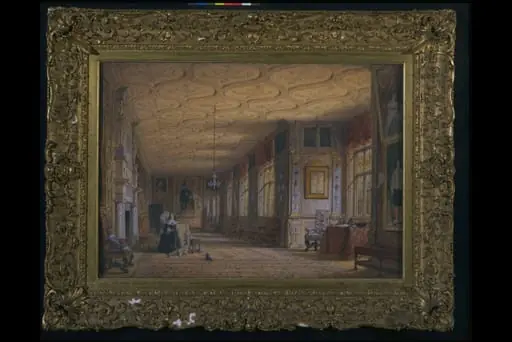 The Cartoon Gallery at Knole
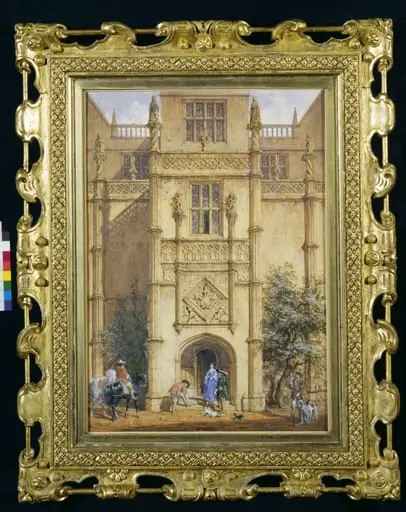 The Porch at Montacute House, Somerset
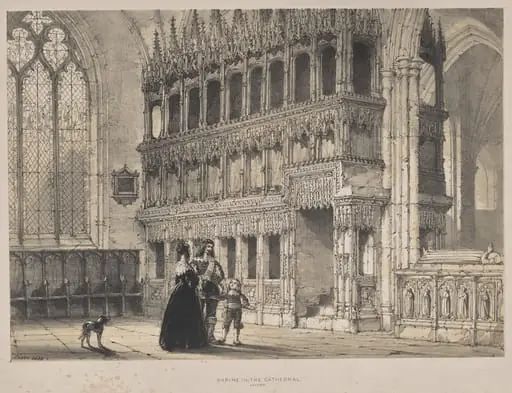 Architecture of the Middle Ages: Shrine of St. Fridswode, Cathedral, Oxford
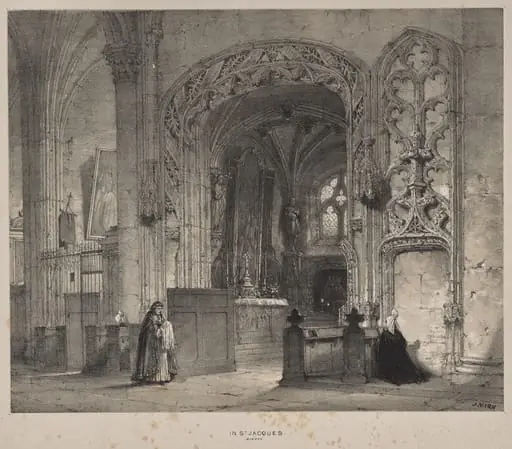 Architecture of the Middle Ages: Chapel in St. Jacques, Dieppe
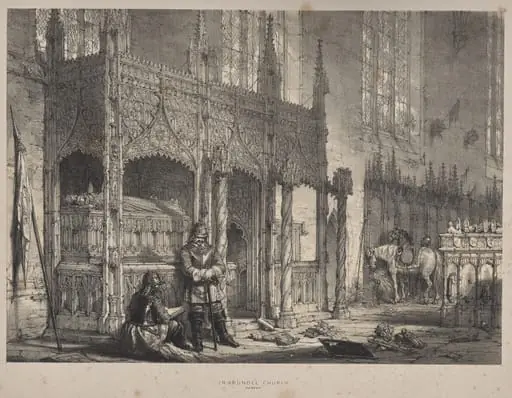 Architecture of the Middle Ages: In Arundel Church, Sussex
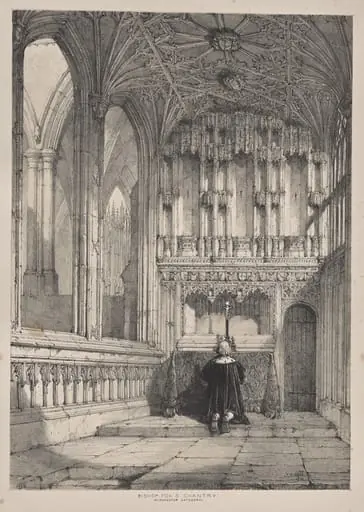 Architecture of the Middle Ages: Bishop Fox's Chantry, Winchester Cathedral
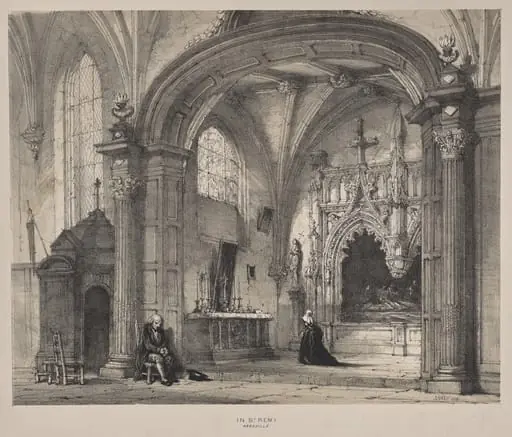 Architecture of the Middle Ages: In St. Remi, Abbeville
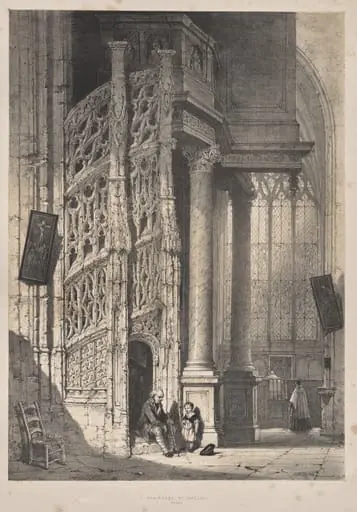 Architecture of the Middle Ages: Staircase, St. Maclou, Rouen
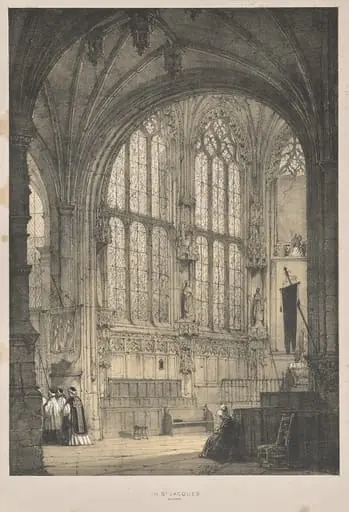 Architecture of the Middle Ages: In St. Jacques, Dieppe, East End, Interior
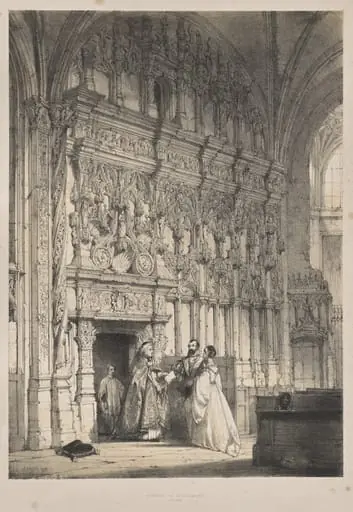 Architecture of the Middle Ages: Screen in St. Jacques, Dieppe
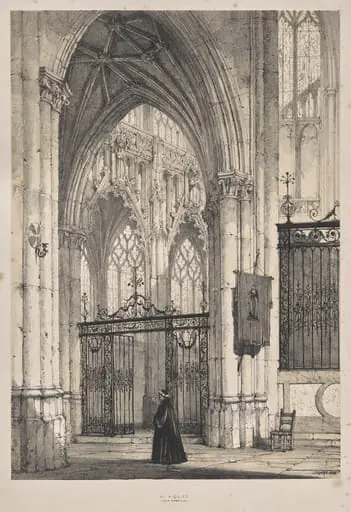 Architecture of the Middle Ages: Church of St. Riquier, near Abbeville
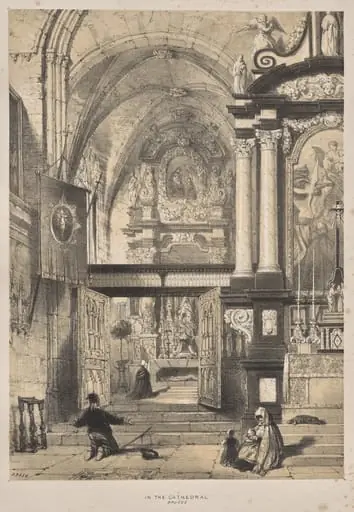 Architecture of the Middle Ages: In the Cathedral, Bruges
 Architecture of the Middle Ages: Church of St. Gisors, Interior