Artwork
Architecture of the Middle Ages: Louviers, Normandy, South Porch
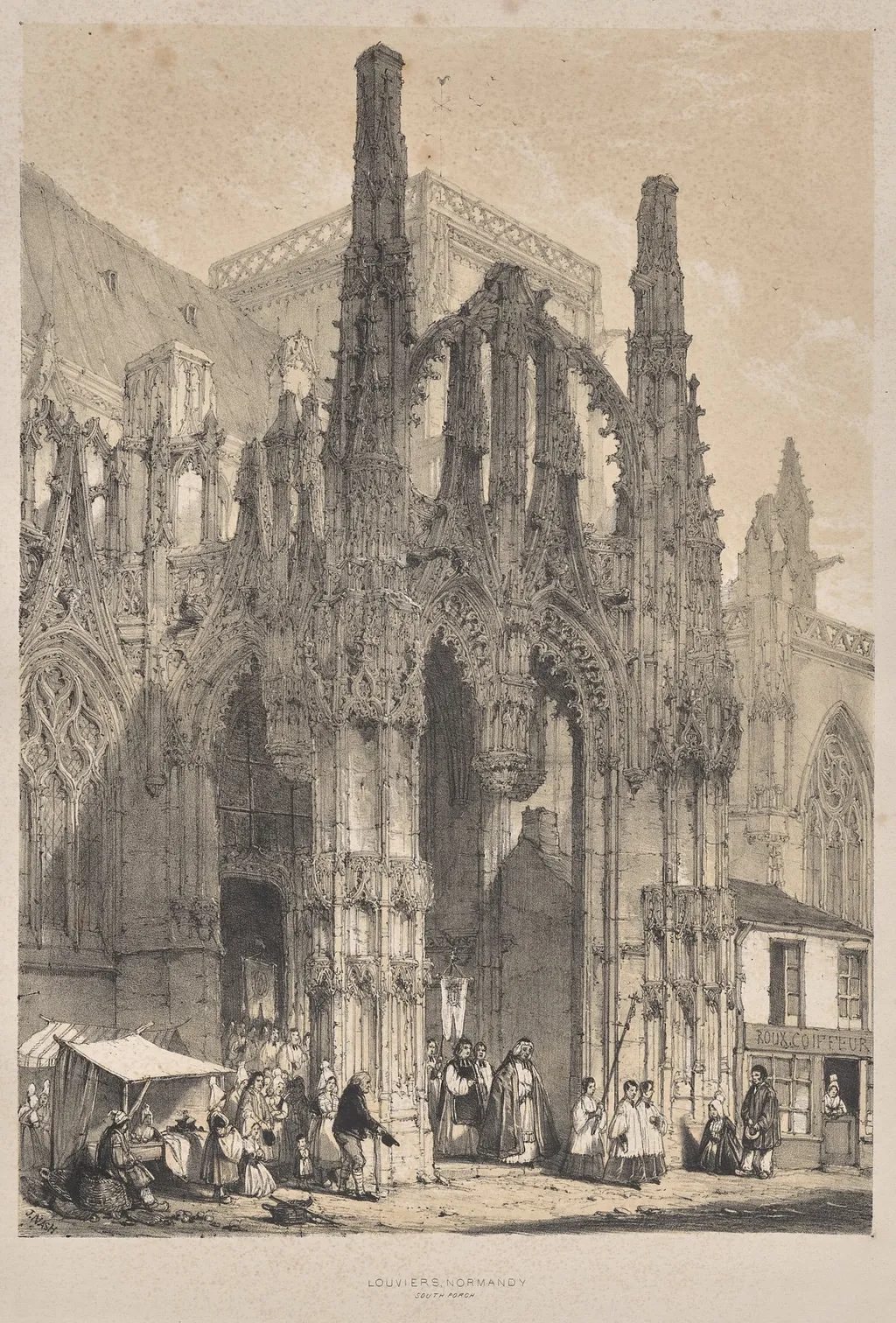
Architecture of the Middle Ages: Louviers, Normandy, South Porch is a print by the Romanticist artist Joseph Nash. It dates from 1838 and is held in the collection of the Cleveland Museum of Art.
About this work
Overview
Created in 1838, this watercolour by British artist Joseph Nash records the south porch of the church at Louviers in Normandy. The composition captures a deteriorating Gothic façade, with its slender, spiraled columns and sharply pointed arches, rendered in a restrained palette that emphasizes texture and form over colour.
Subject & Meaning
The drawing presents a quiet urban scene: figures in period attire move among the ruins, some bearing signs, while a modest shop bearing the name "ROU & COFFEUR" occupies the right side. A temporary tent shelters a few seated observers on the left, suggesting a moment of everyday life intersecting with historic decay.
Technique & Style
Nash employs meticulous line work that resembles an architectural plan, detailing carvings and fragmented windows with precision. Subtle chiaroscuro models the stone surfaces, using light and shadow to convey depth and the weight of the Gothic structure without relying on vivid coloration.
History & Provenance
The piece forms part of Nash's broader effort to document medieval architecture, a pursuit that culminated in his four‑volume series "Mansions of England in the Olden Time." While originally produced as a study for that publication, the watercolour now resides in a public collection dedicated to 19th‑century British prints.
Context
During the early Victorian era, interest in medieval heritage surged, influencing both scholarly research and popular taste. Nash's work reflects this climate, offering a visual record that bridges antiquarian curiosity with the emerging discipline of architectural conservation.
Artist & collection
Artist
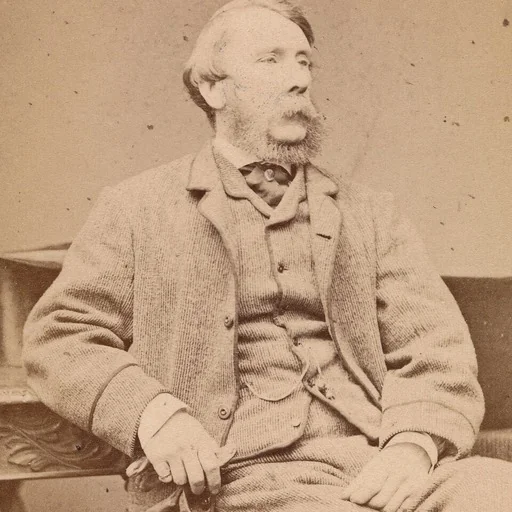
Joseph Nash (17 December 1809 – 19 December 1878) was an English watercolour painter and lithographer, specialising in historical buildings. His major work was the 4-volume Mansions of England in the Olden Time, published from 1839–49.

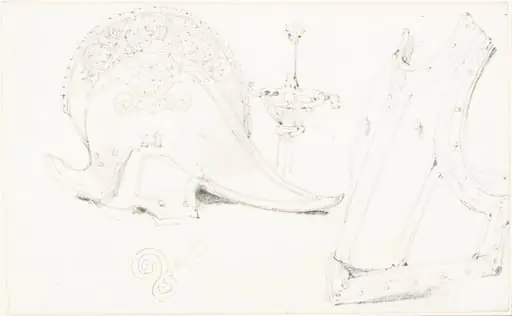 Study of a Helmet, Breastplate, and Rapier
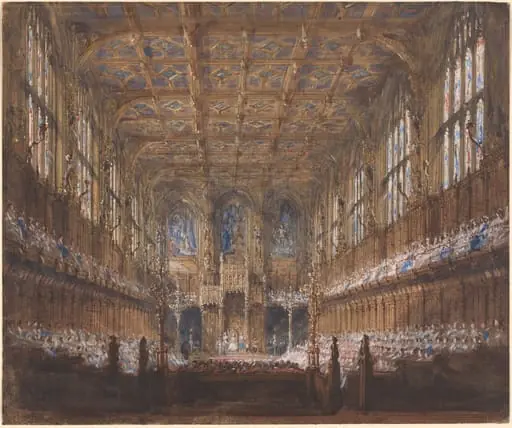 The State Opening of Parliament in the Rebuilt House of Lords
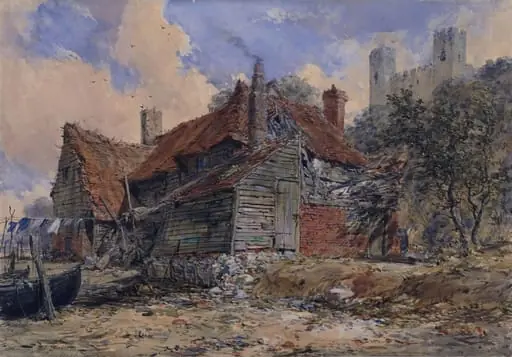 Rochester
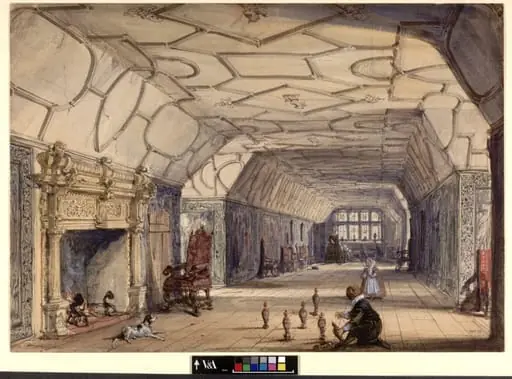 The gallery at Knole House, near Sevenoaks
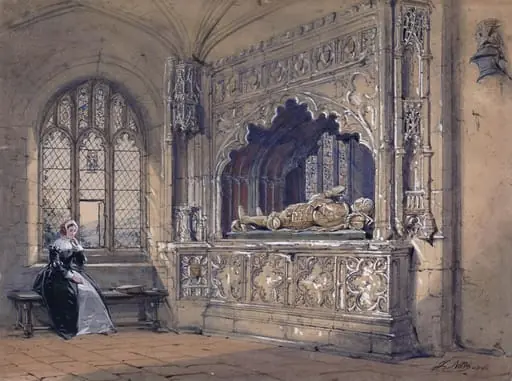 The supposed tomb of Thomas Fiennes, in Herstmonceux Church, Sussex, looking south-east from the North Chapel
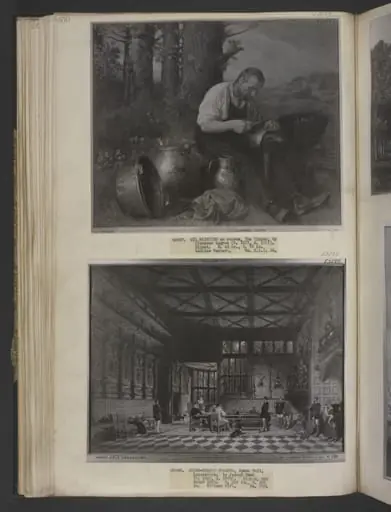 Speke Hall, Lancashire
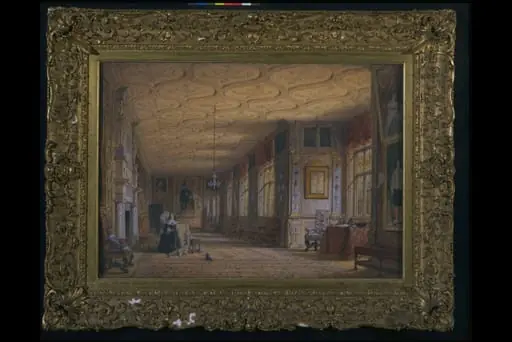 The Cartoon Gallery at Knole
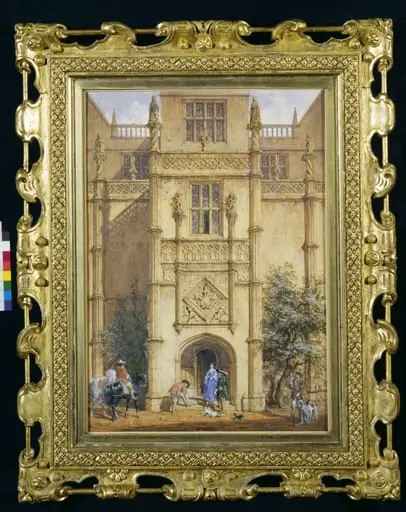 The Porch at Montacute House, Somerset
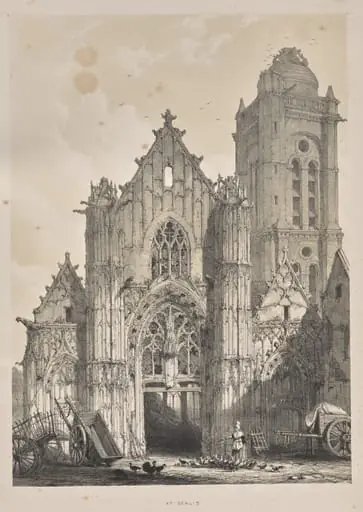 Architecture of the Middle Ages: At Senlis
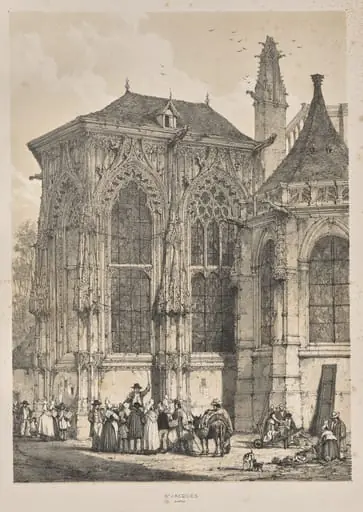 Architecture of the Middle Ages: St. Jacques, Dieppe, East End, Exterior
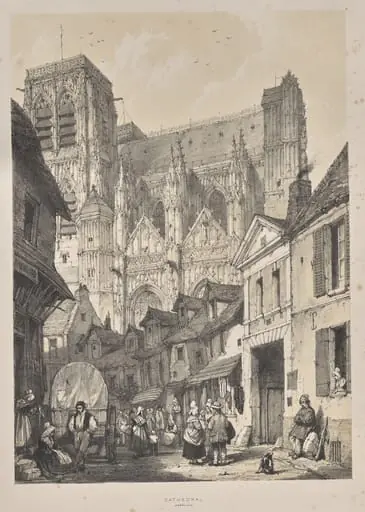 Architecture of the Middle Ages: Cathedral, Abbeville
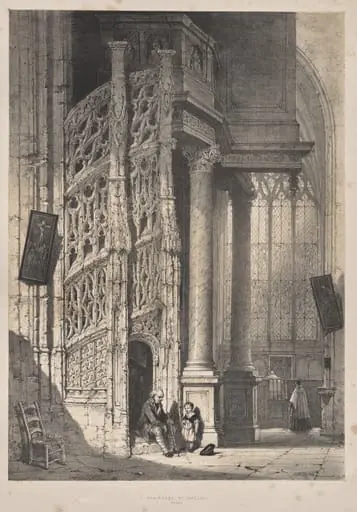 Architecture of the Middle Ages: Staircase, St. Maclou, Rouen
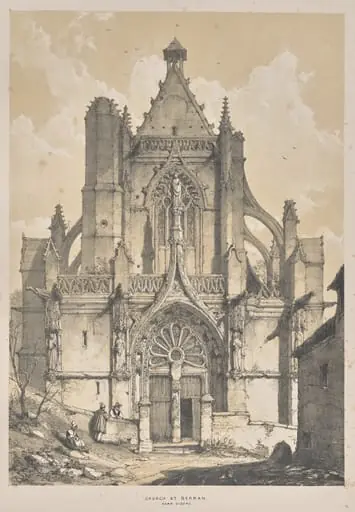 Architecture of the Middle Ages: Church at Serran, near Gisore
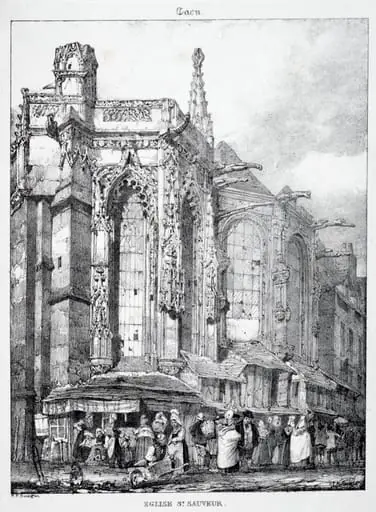 Restes et Fragmens d'Architecture du Moyen Age: Église St. Sauveur, Caën
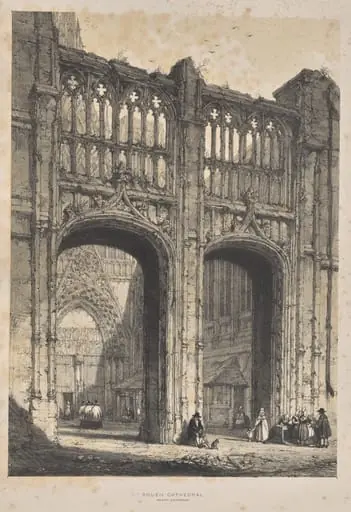 Architecture of the Middle Ages: Rouen Cathedral, North Entrance
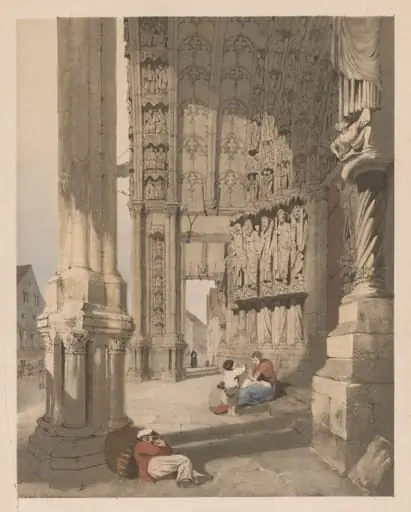 Picturesque Architecture in Paris, Ghent, Antwerp, Rouen, Etc.: South Porch of Chartres Cathedral,
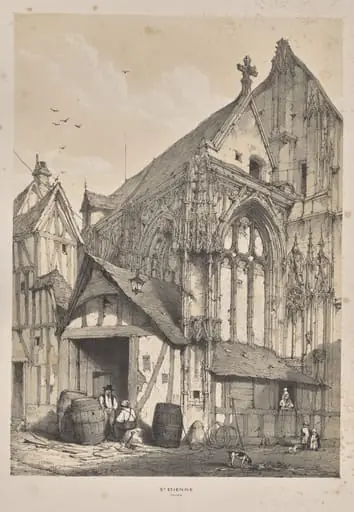 Architecture of the Middle Ages: St. Etienne, Rouen
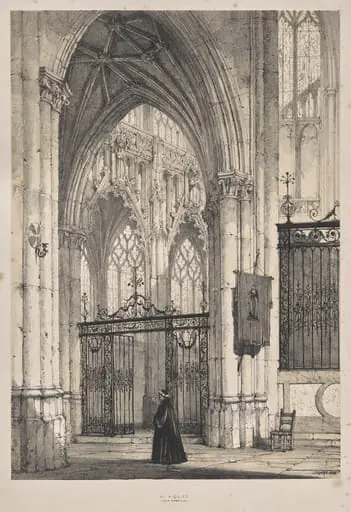 Architecture of the Middle Ages: Church of St. Riquier, near Abbeville
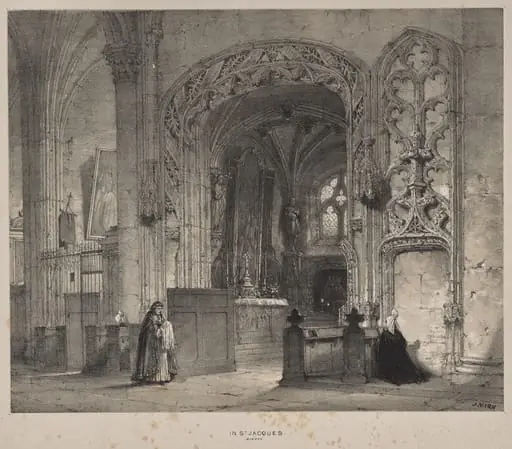 Architecture of the Middle Ages: Chapel in St. Jacques, Dieppe
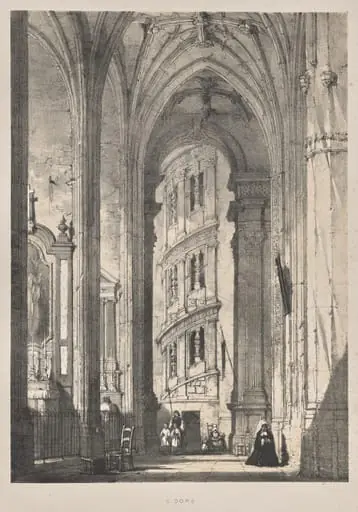 Architecture of the Middle Ages: Church of St. Gisors, Interior