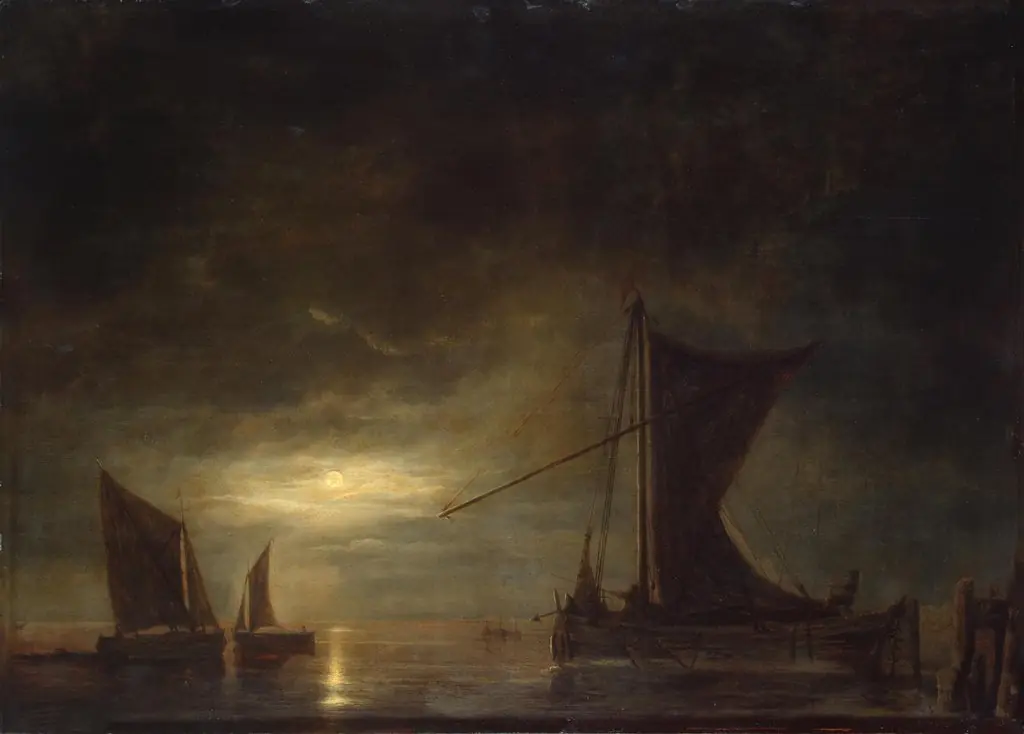
Artwork
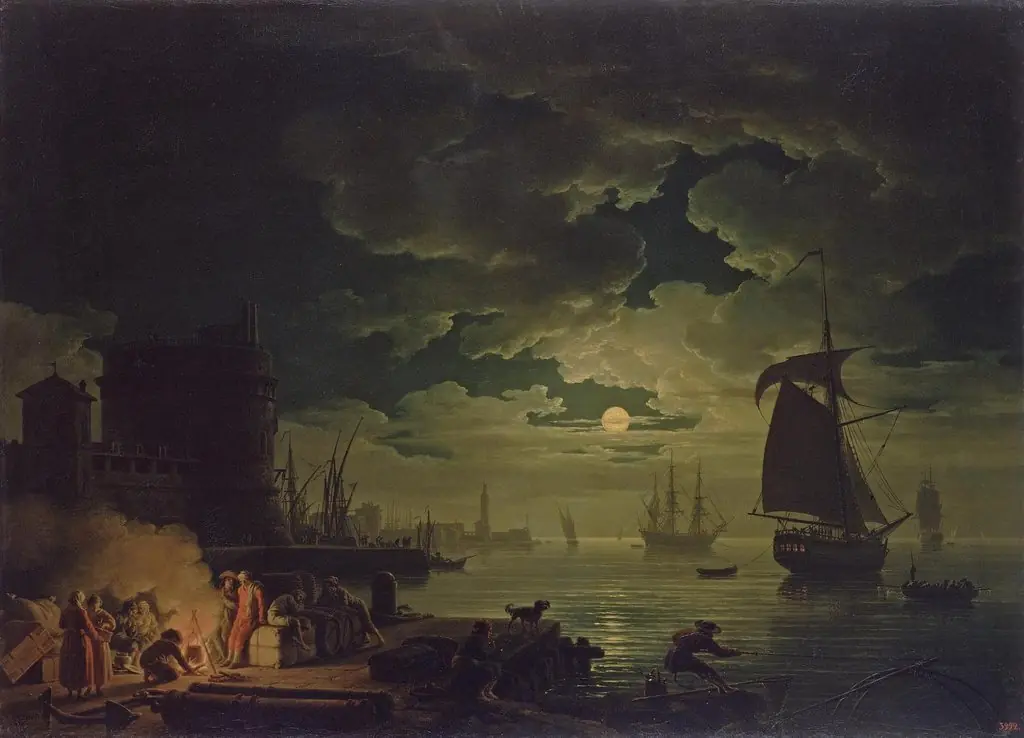
Coastal Scene in Moonlight
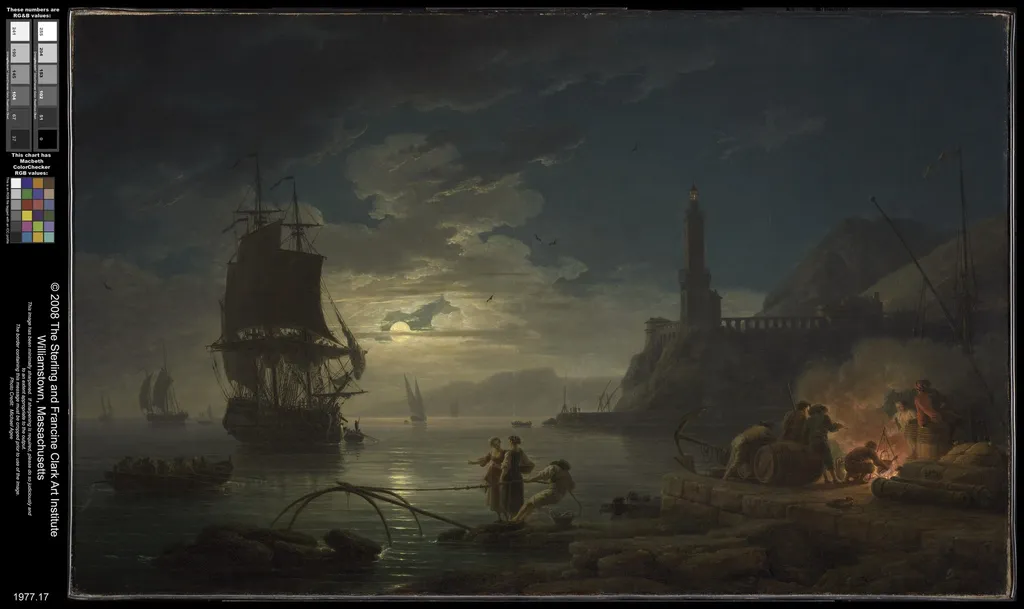
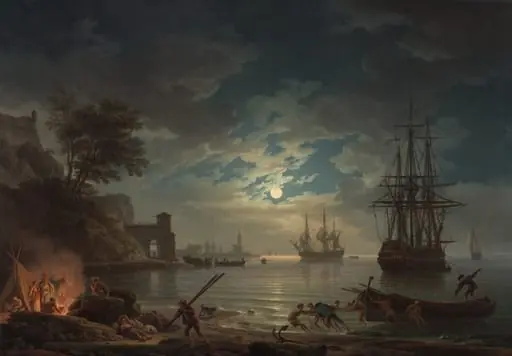
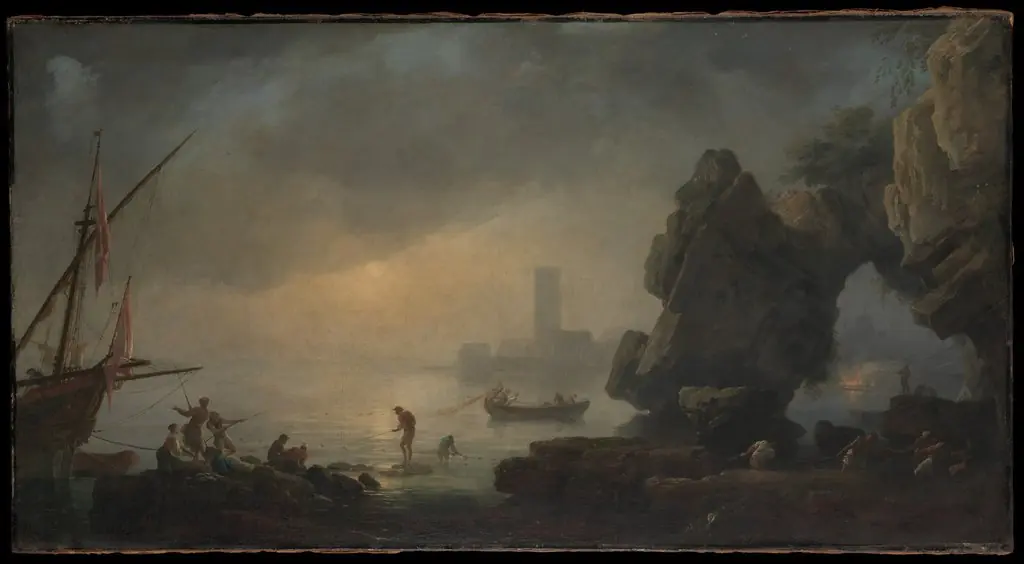
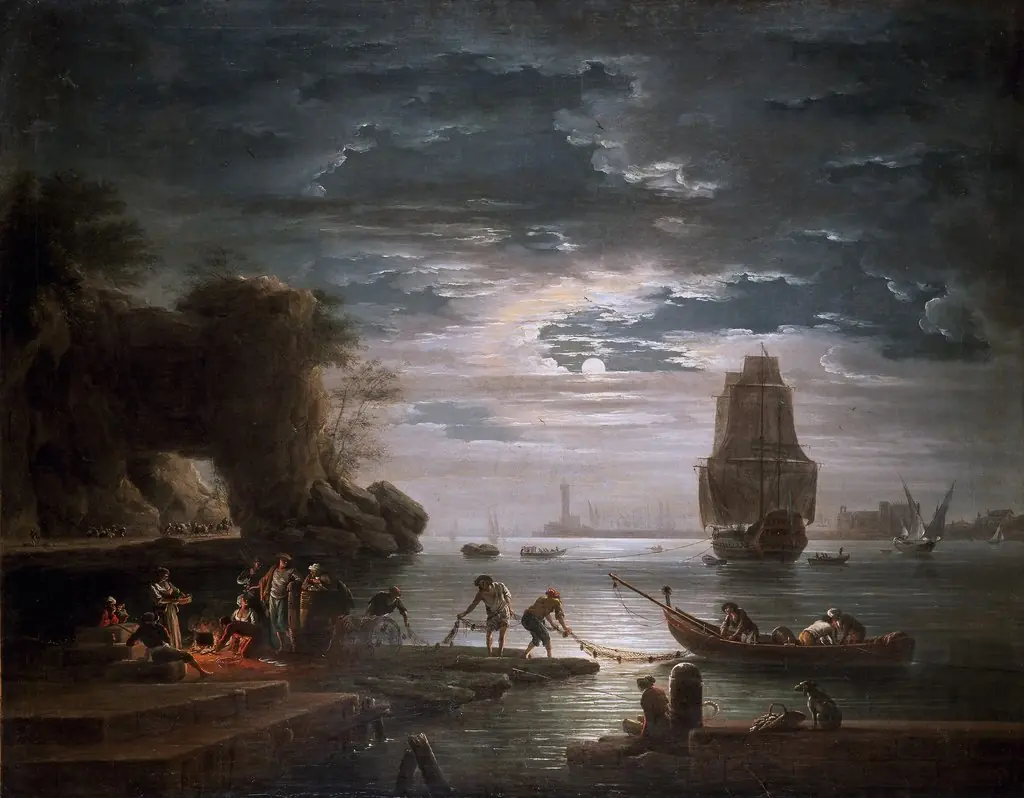
Coastal Scene in Moonlight is an oil painting by the Rococo painting artist Claude-Joseph Vernet. It dates from 1769 and is held in the collection of the Clark Art Institute. Created in 1769, this oil painting presents a nocturnal coastal vista bathed in moonlight.
About this work
Overview
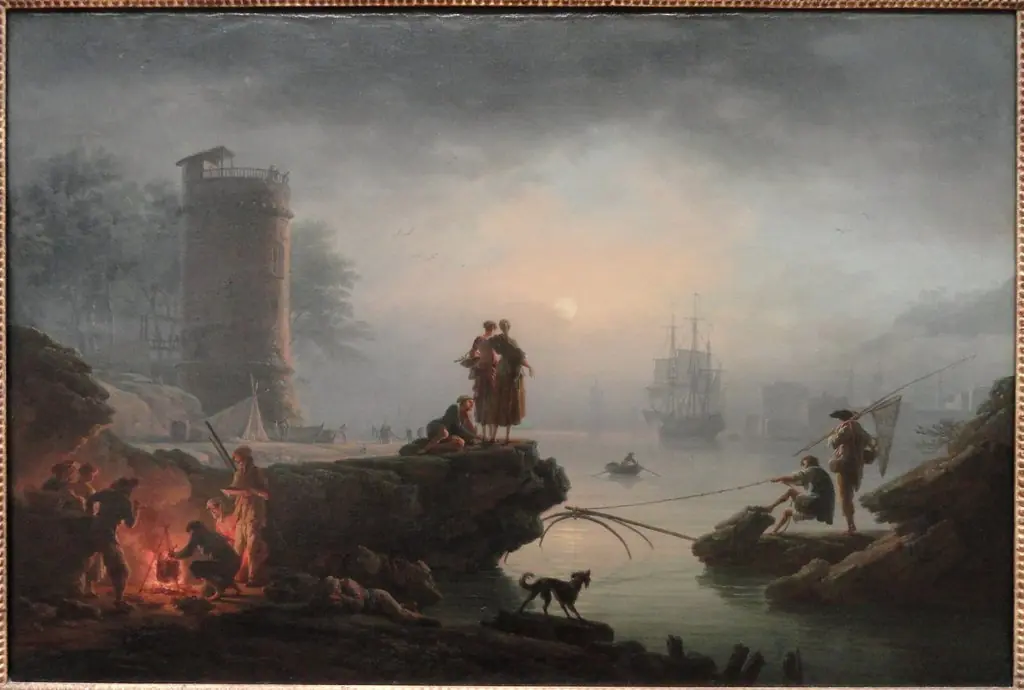
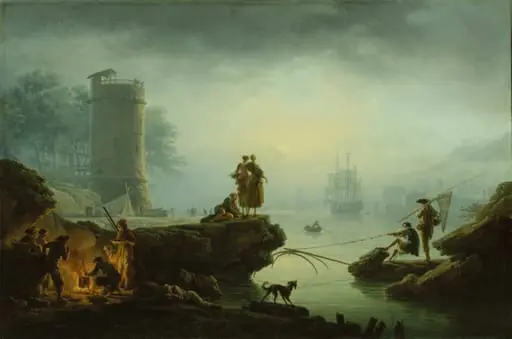
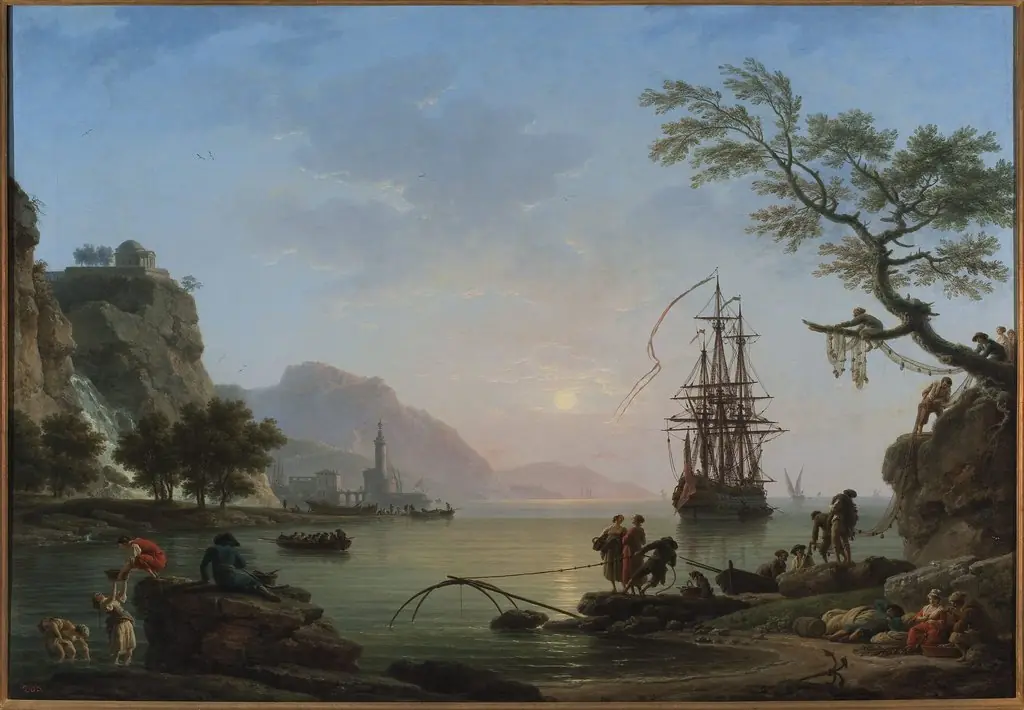
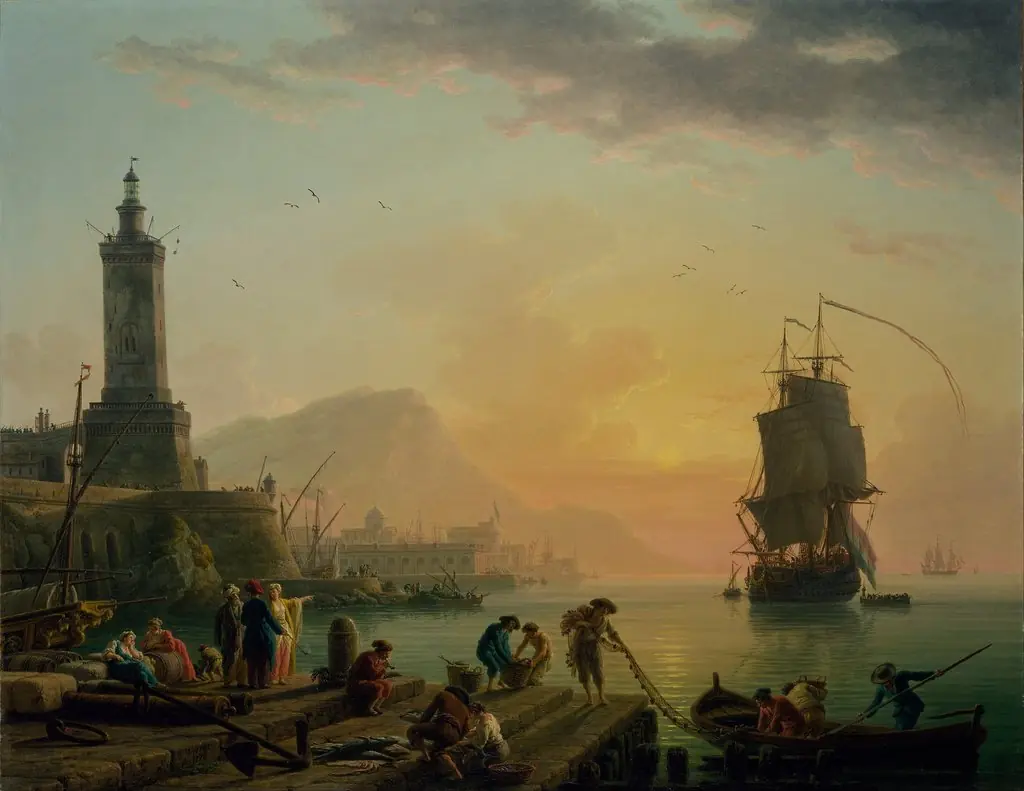
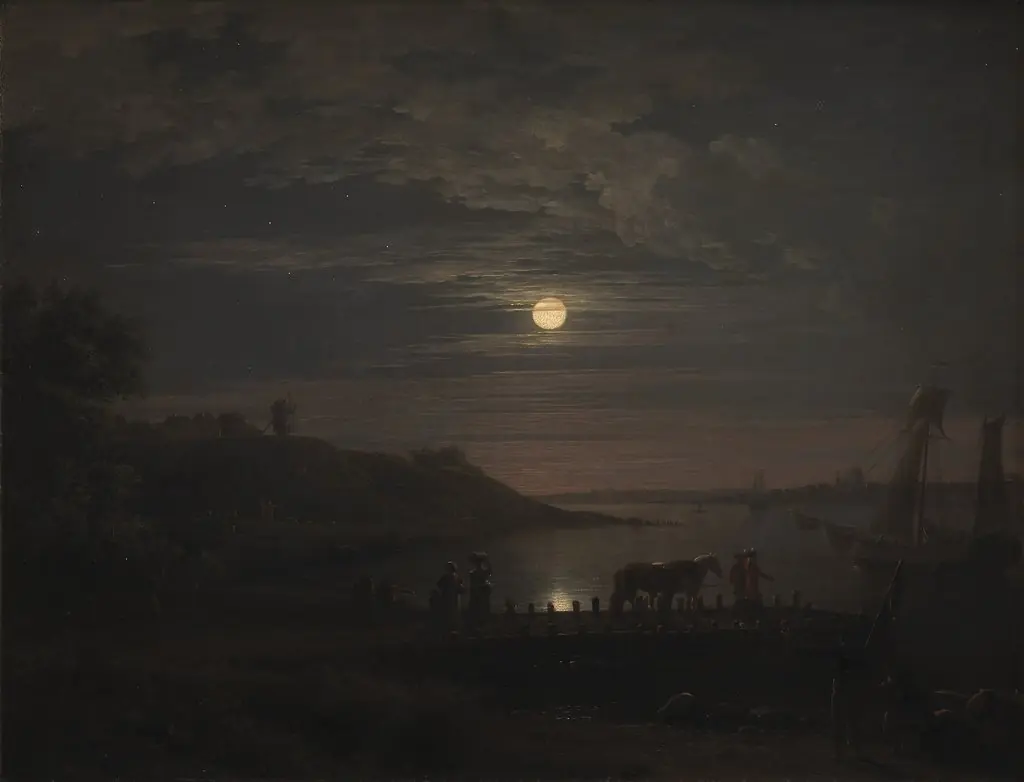
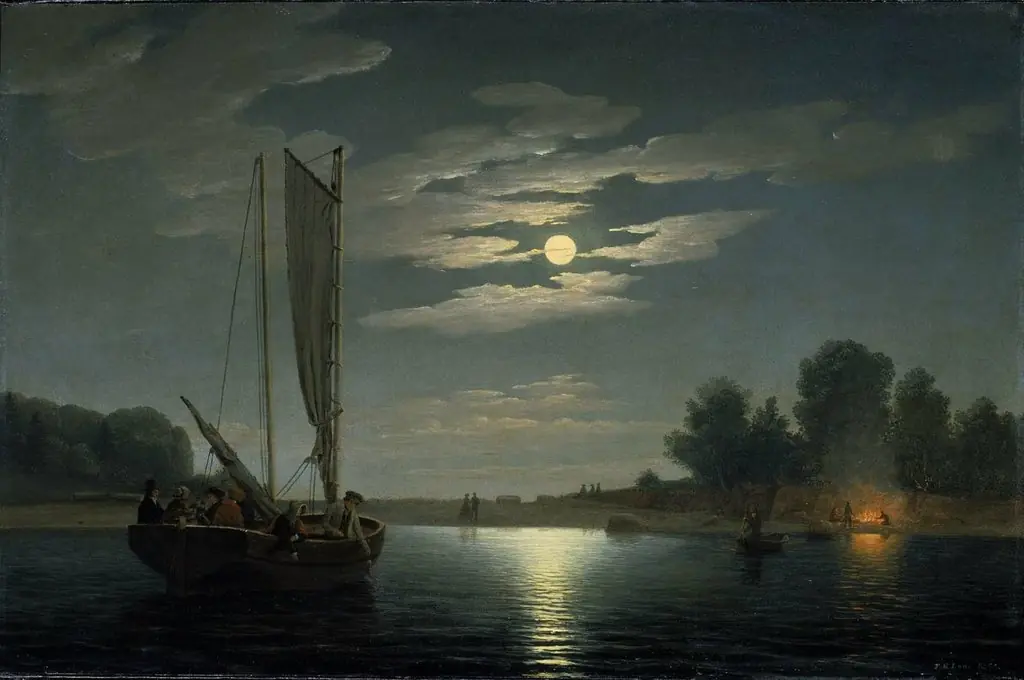
Created in 1769, this oil painting presents a nocturnal coastal vista bathed in moonlight. The composition balances a tranquil shoreline with figures gathered around a modest fire and small vessels navigating the gently rippled sea. Soft clouds dominate the sky, while the lunar glow subtly illuminates the water’s surface, establishing a calm yet luminous atmosphere.
Subject & Meaning
The scene captures a moment of quiet leisure along the shore, where humans interact with both fire and water under the night sky. The juxtaposition of the warm firelight against the cool lunar illumination suggests a dialogue between human activity and the natural environment, emphasizing the serenity of maritime life after dark.
Technique & Style
Employing chiaroscuro, the artist renders a pronounced contrast between light and shadow, enhancing depth and three‑dimensionality. The delicate handling of moonlit reflections and the soft modeling of clouds reflect the Rococo’s penchant for atmospheric nuance, while the meticulous rendering of the sea and figures demonstrates the painter’s skill in maritime subjects.
History & Provenance
The work originates from the French painter Joseph Vernet, renowned for his detailed seascapes. Vernet’s reputation as a leading marine artist of the 18th century is reinforced by this piece, which aligns with his broader oeuvre. His artistic lineage continued through his children, Carle Vernet and Marguerite Émilie Chalgrin, who also pursued painting.
Artist & collection
Artist
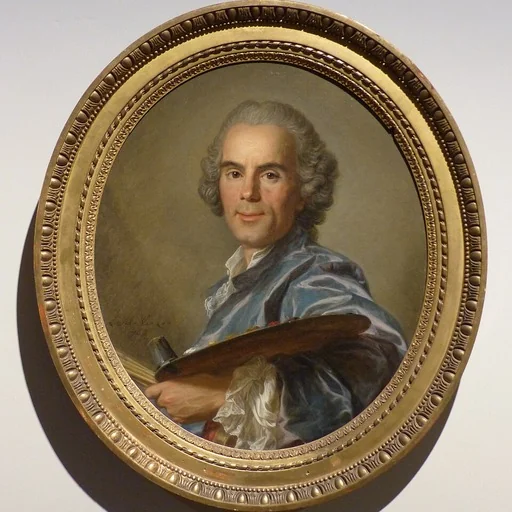
Claude-Joseph Vernet (French pronunciation: ; 14 August 1714 – 3 December 1789) was a French painter. His son Carle Vernet and daughter Marguerite Émilie Chalgrin were also painters.