Artwork
Indian Widow
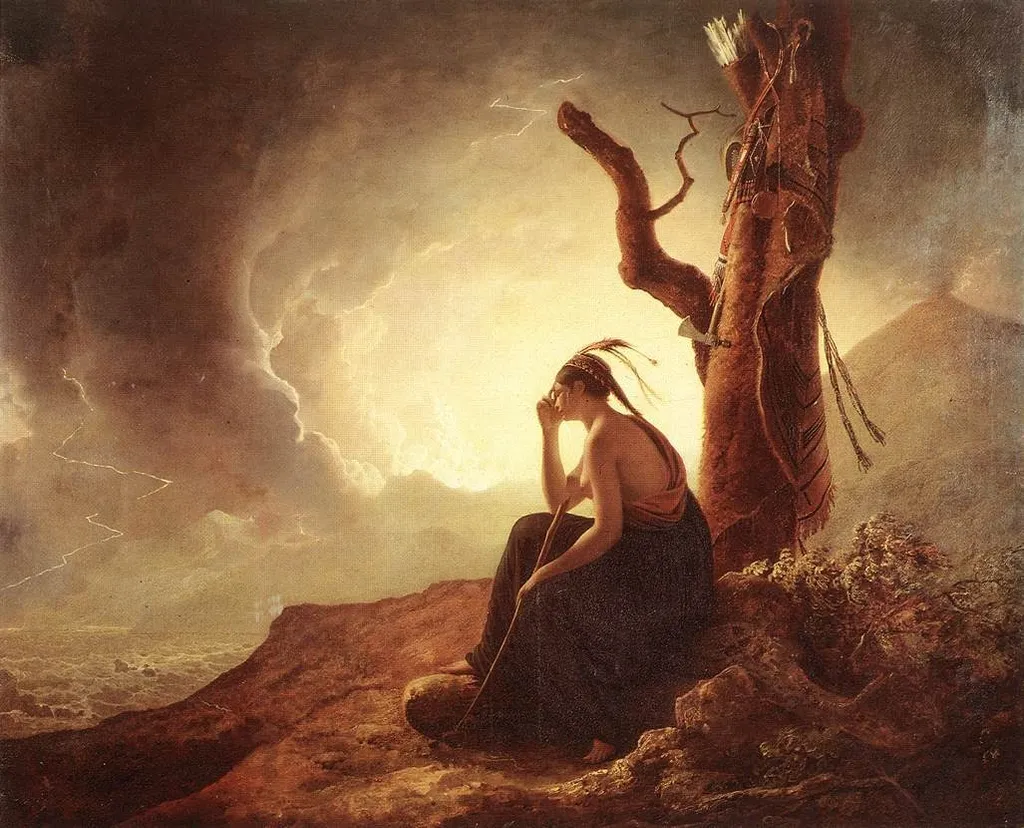
Indian Widow is an oil painting by Joseph Wright of Derby. It dates from 1792 and is held in the collection of the Derby Museum and Art Gallery.
About this work
Overview
Painted on canvas, the work diverges from Wright’s more typical candlelit interiors, instead presenting a figure in a naturalistic, windswept landscape.
Joseph Wright of Derby completed *Indian Widow* in 1792, a portrait of a solitary female figure set against a turbulent sky. Painted on canvas, the work diverges from Wright’s more typical candlelit interiors, instead presenting a figure in a naturalistic, windswept landscape. The composition emphasizes emotional stillness amid dramatic atmospheric tension, reflecting Wright’s continued interest in psychological depth and light dynamics.
Subject & Meaning
The figure is portrayed as a woman of Indigenous North American descent, seated on a rocky ledge, dressed in dark garments with a red upper garment and feathered headband. She holds a hatchet and wears a quiver, suggesting both warrior status and mourning. Her downward gaze and slumped posture convey grief, possibly referencing the loss of a spouse, aligning with colonial-era narratives of the 'noble savage' in mourning. The painting invites reflection on identity, loss, and cultural representation.
Technique & Style
Wright applied chiaroscuro with bold, expressive brushwork to model the figure against a stormy, darkened sky. Light falls sharply across her face and upper body, isolating her from the gloom and intensifying the emotional weight. The texture of her clothing and the roughness of the rock are rendered with decisive strokes, while the sky is loosely painted, suggesting movement and unease. This interplay of precision and spontaneity underscores the tension between human vulnerability and natural forces.
History & Provenance
The painting entered the collection of Derby Museum and Art Gallery in the 19th century, likely through the artist’s local connections. Wright, based in Derby, maintained ties to the region’s intellectual circles, and his works were often acquired by patrons familiar with his explorations of human emotion and natural phenomena. *Indian Widow* remained in the same municipal collection since its acquisition, with no documented public exhibitions until the 20th century.
Context
Created during a period of British imperial expansion and growing fascination with Indigenous cultures, the painting reflects contemporary European interpretations of Native American life, often filtered through romanticized or tragic stereotypes. Wright’s choice to depict a solitary Indigenous woman—unusual for his oeuvre—may have responded to literary or ethnographic sources circulating in Enlightenment circles, blending observation with imaginative reconstruction.
Legacy
Though not widely exhibited, *Indian Widow* remains a distinctive work in Wright’s output, illustrating his willingness to engage with non-European subjects and psychological intensity beyond his usual scientific or domestic themes. It stands as an early example of a British artist attempting to portray Indigenous identity with somber dignity, even if shaped by the biases of its time. The painting continues to prompt discussion on representation and artistic interpretation in colonial contexts.
Artist & collection
Artist
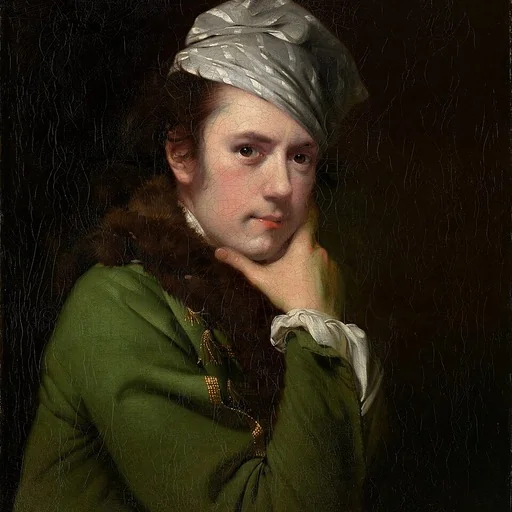
Joseph Wright (3 September 1734 – 29 August 1797), styled Joseph Wright of Derby, was an English painter who specialised in portrait painting and landscape art.

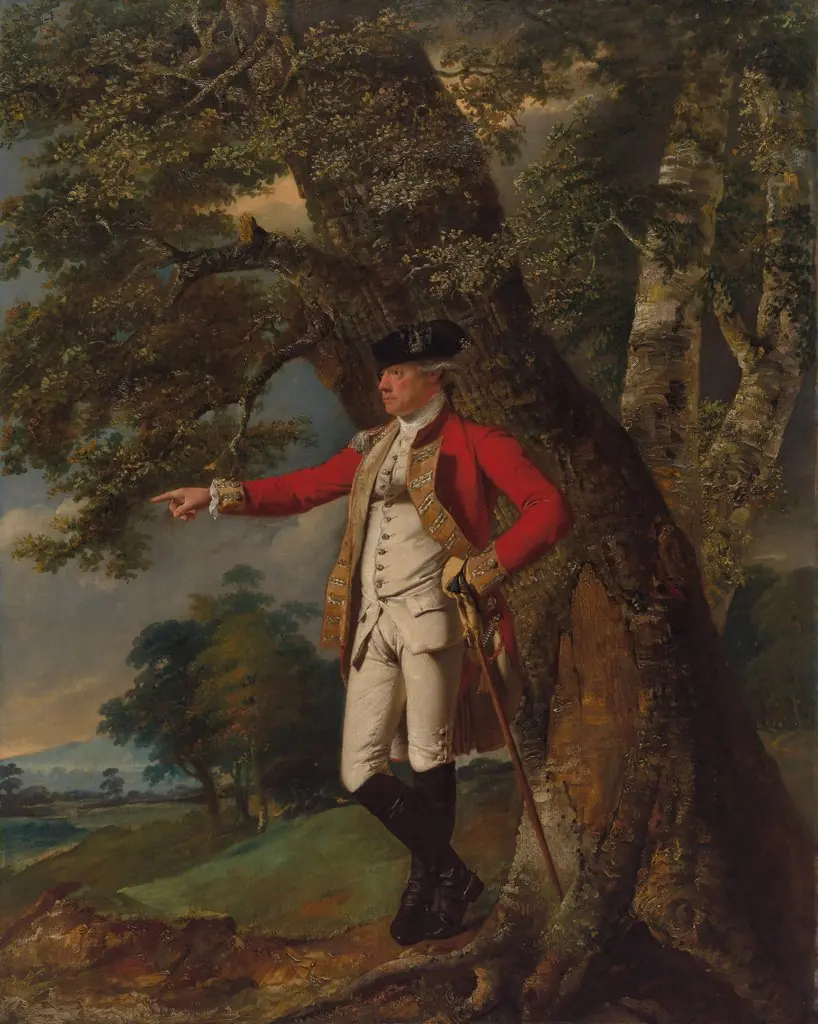 Portrait of Colonel Charles Heathcote
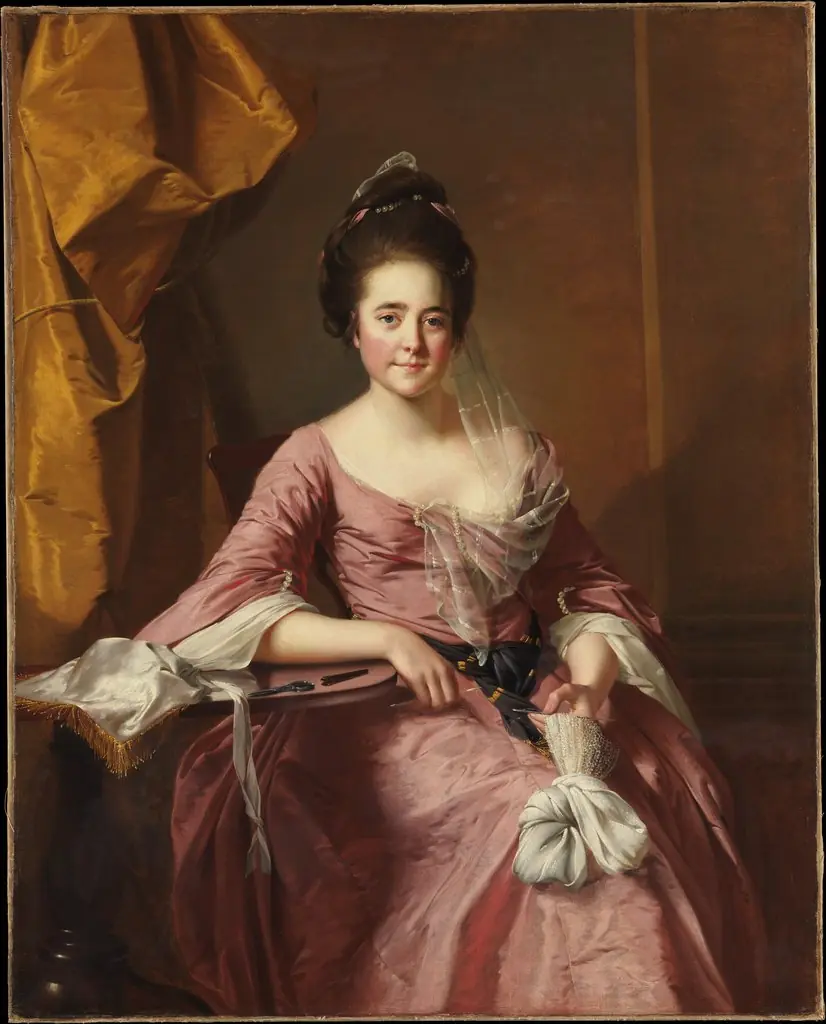 Portrait of a Woman
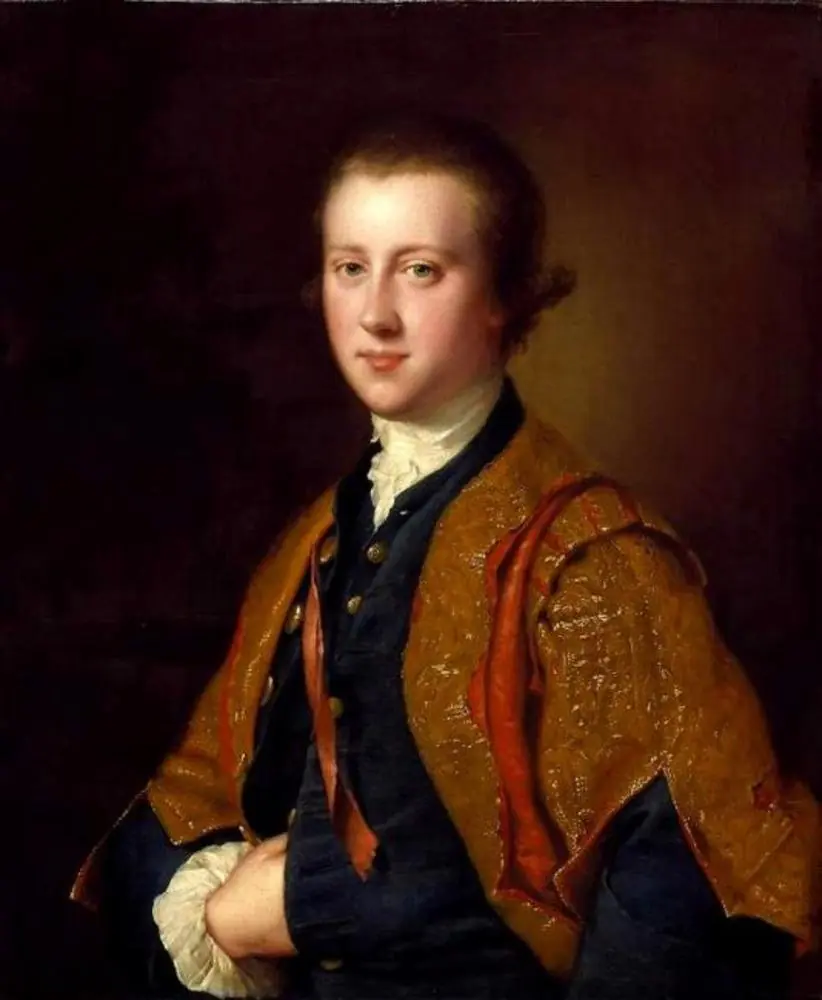 The Hon. Richard Fitzwilliam, 7th Viscount Fitzwilliam of Merrion
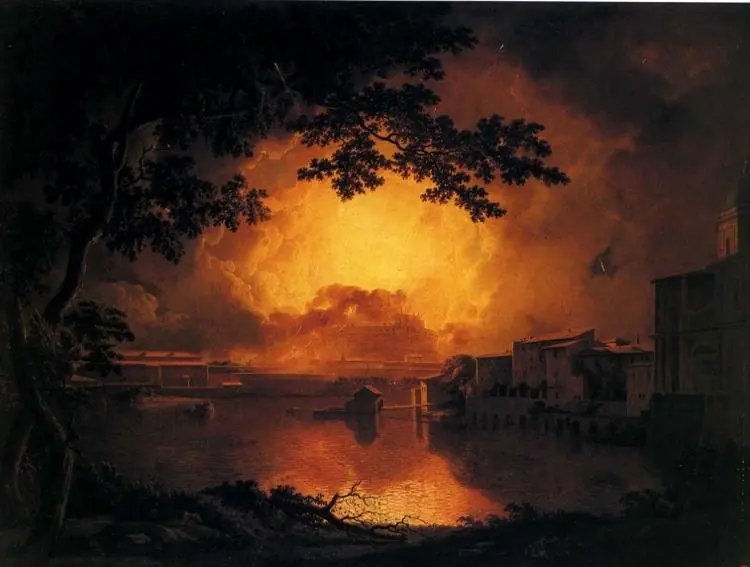 The Girandola at the Castel Sant'Angelo in Rome
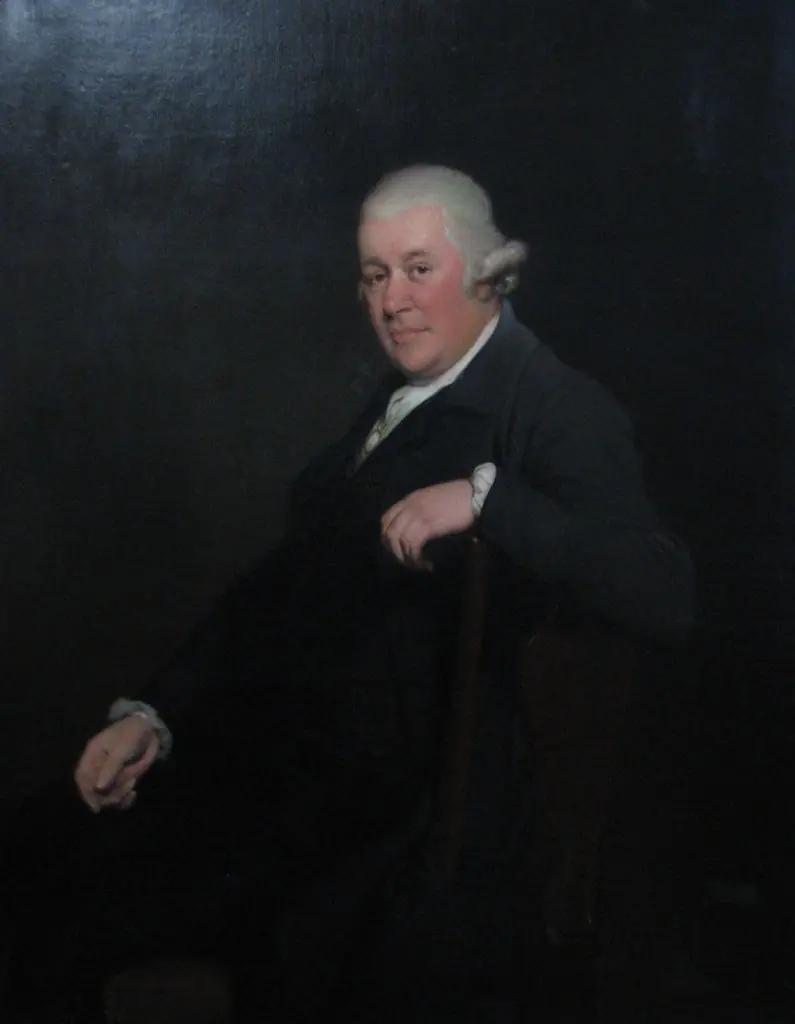 Reverend Basil Bury Beridge
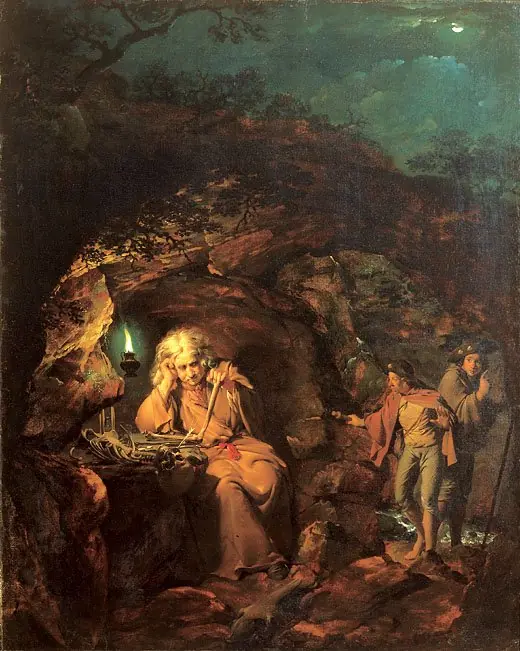 A Philosopher by Lamplight
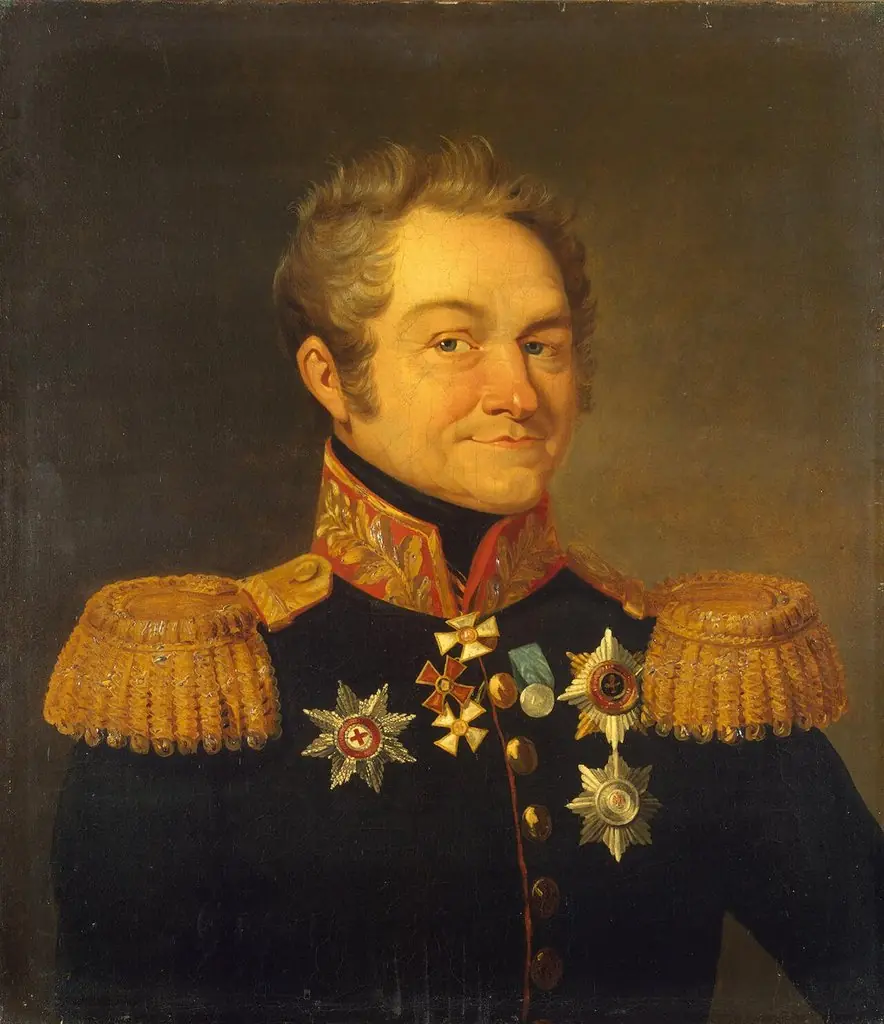 Portrait of Alexander B. Fock (1763-1825)
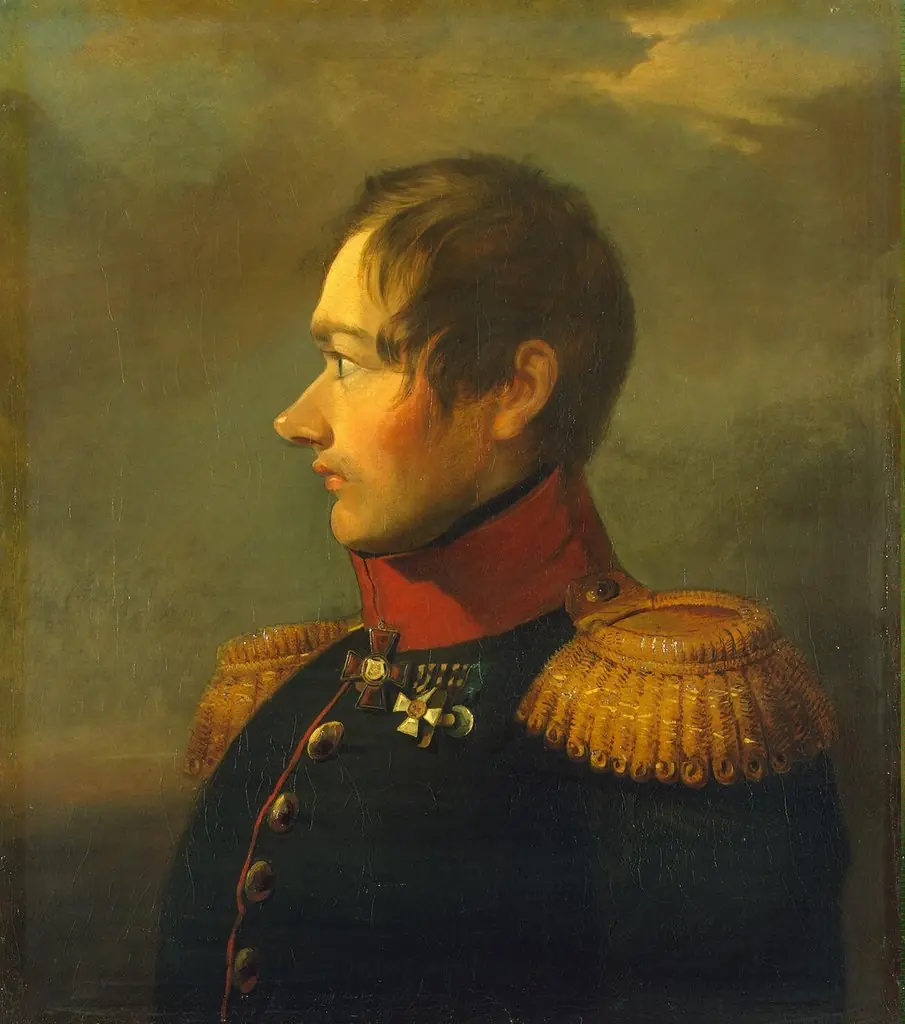 Portrait of Fyodor A. Lindfors (1760-1813)
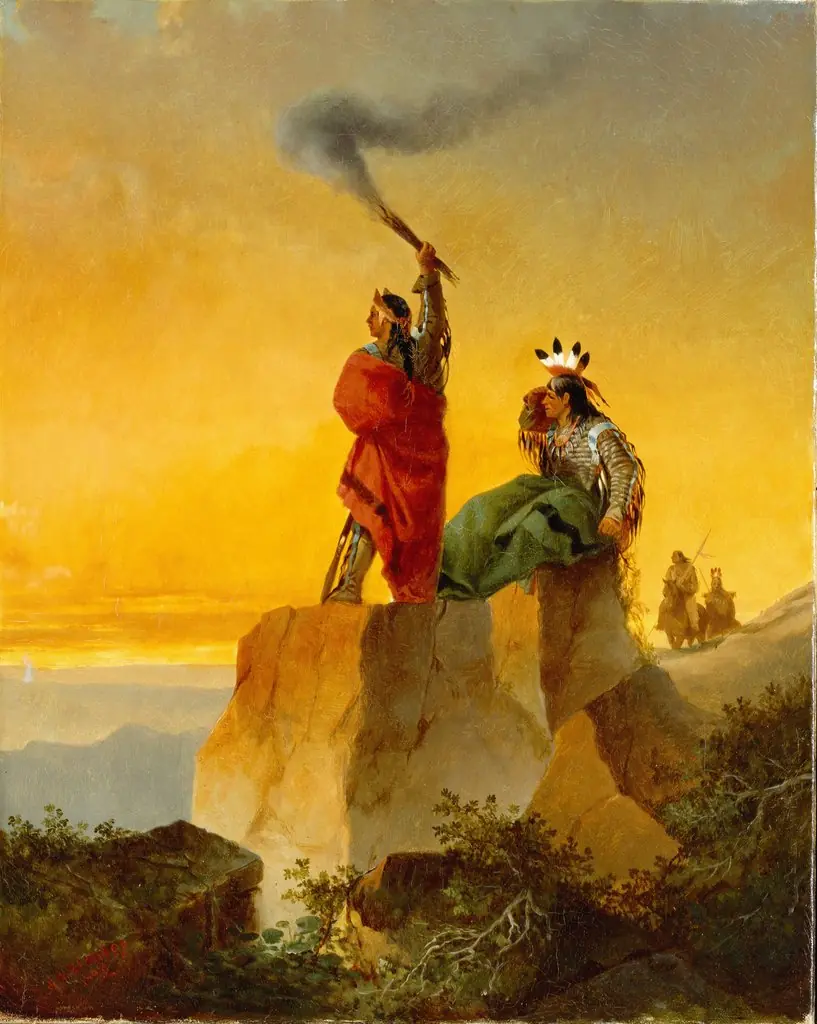 Indian Telegraph
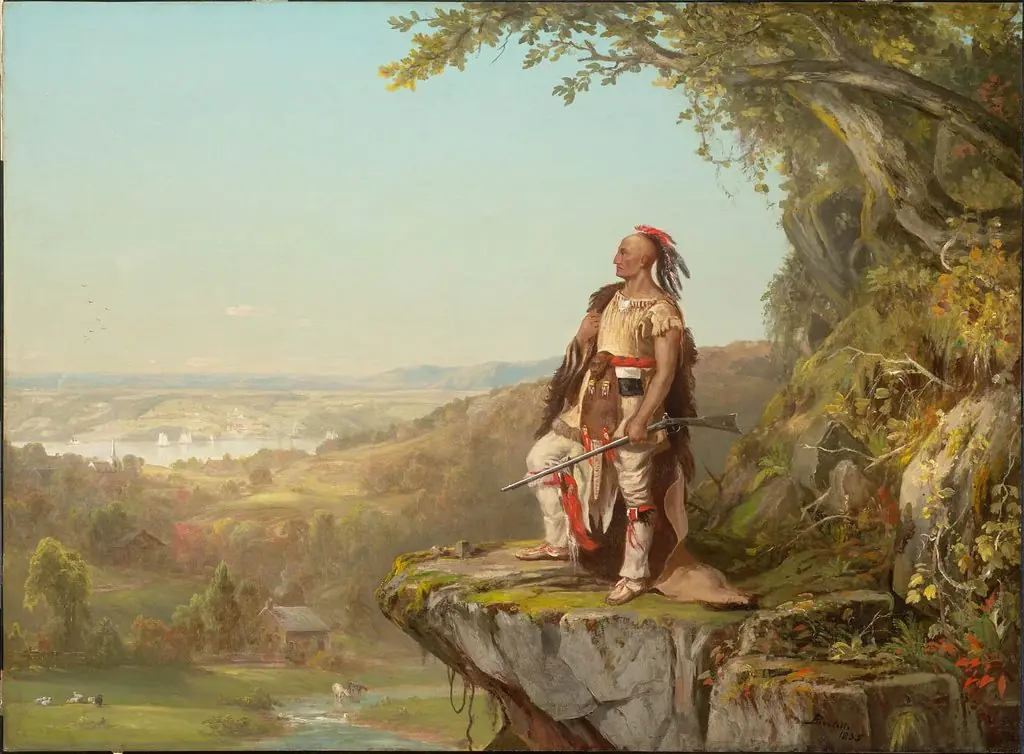 Indian Surveying a Landscape
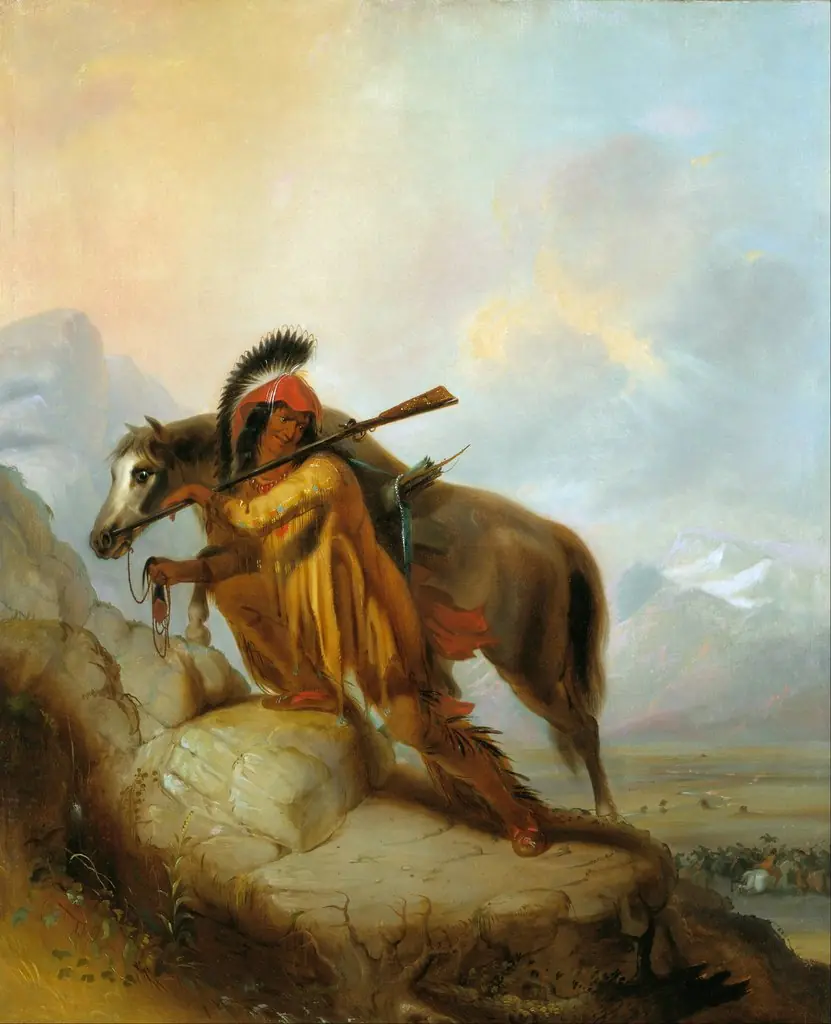 The Scalplock
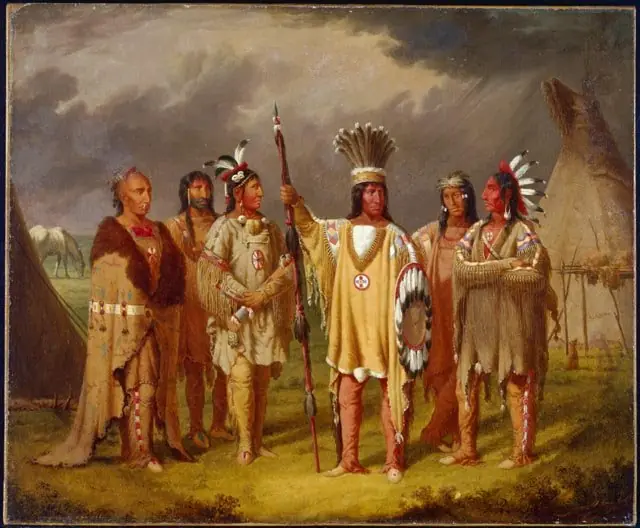 Big Snake, Chief of the Blackfoot Indians, Recounting his War Exploits to Five Subordinate Chiefs
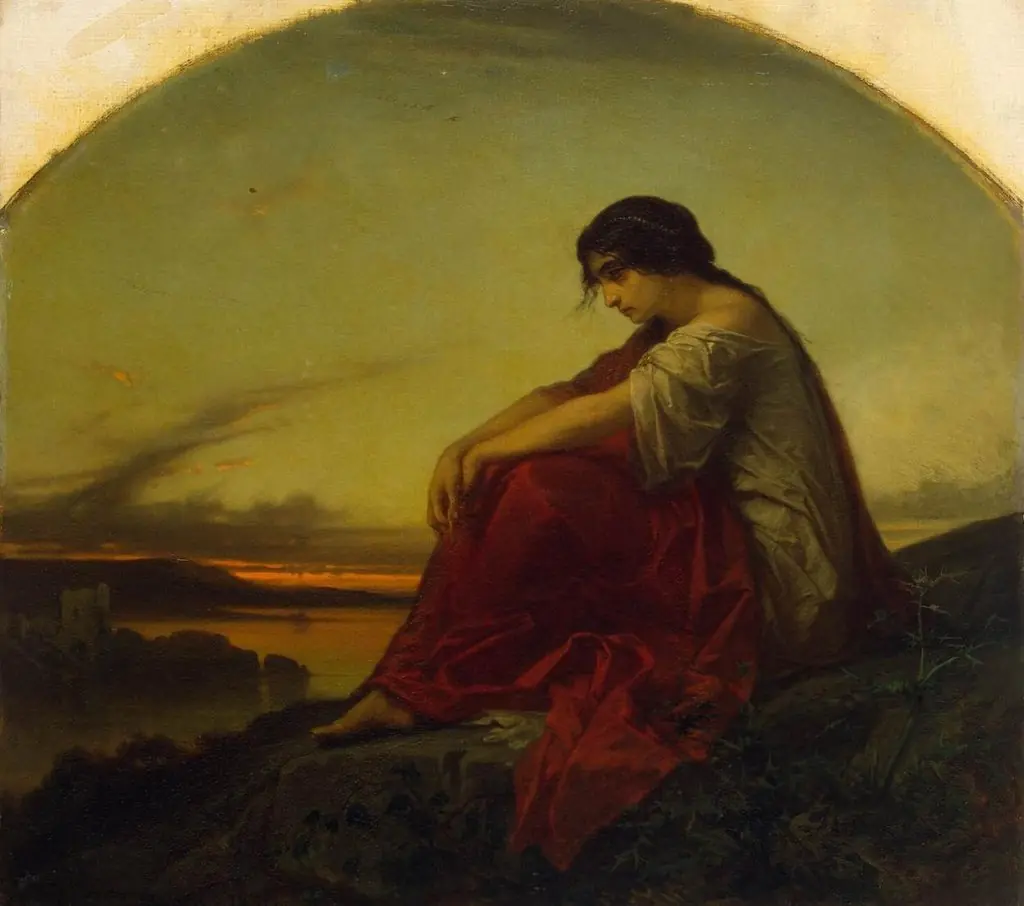 Disillusion
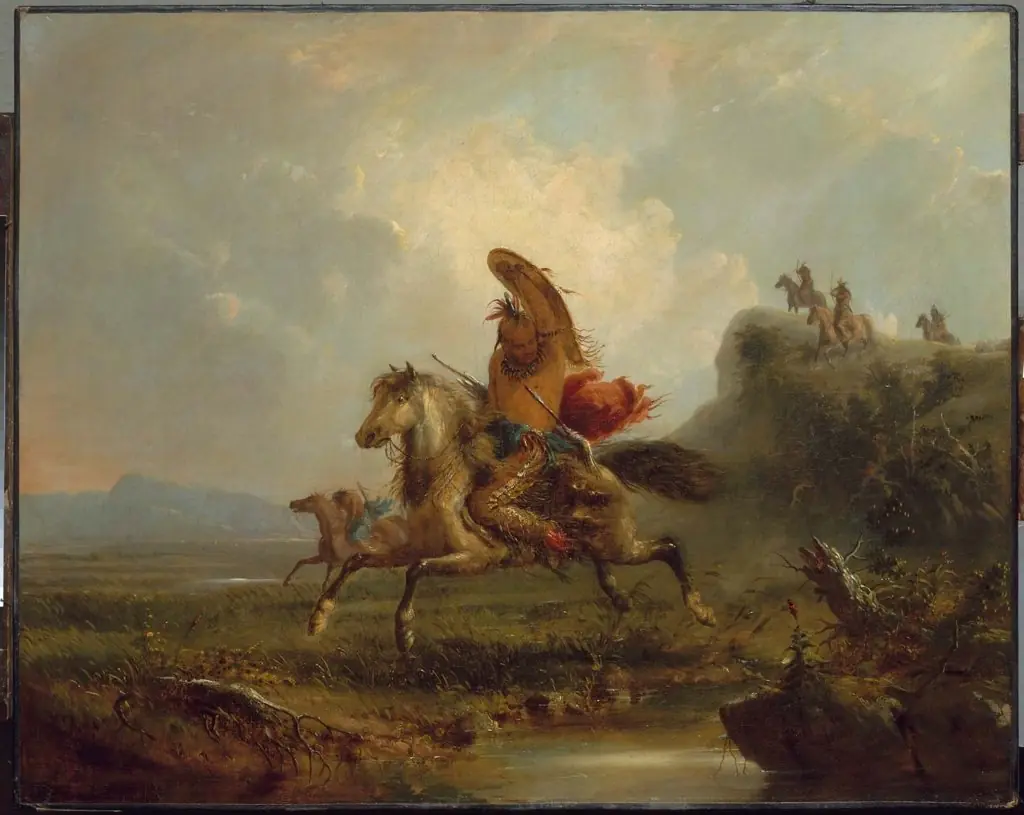 War Ground
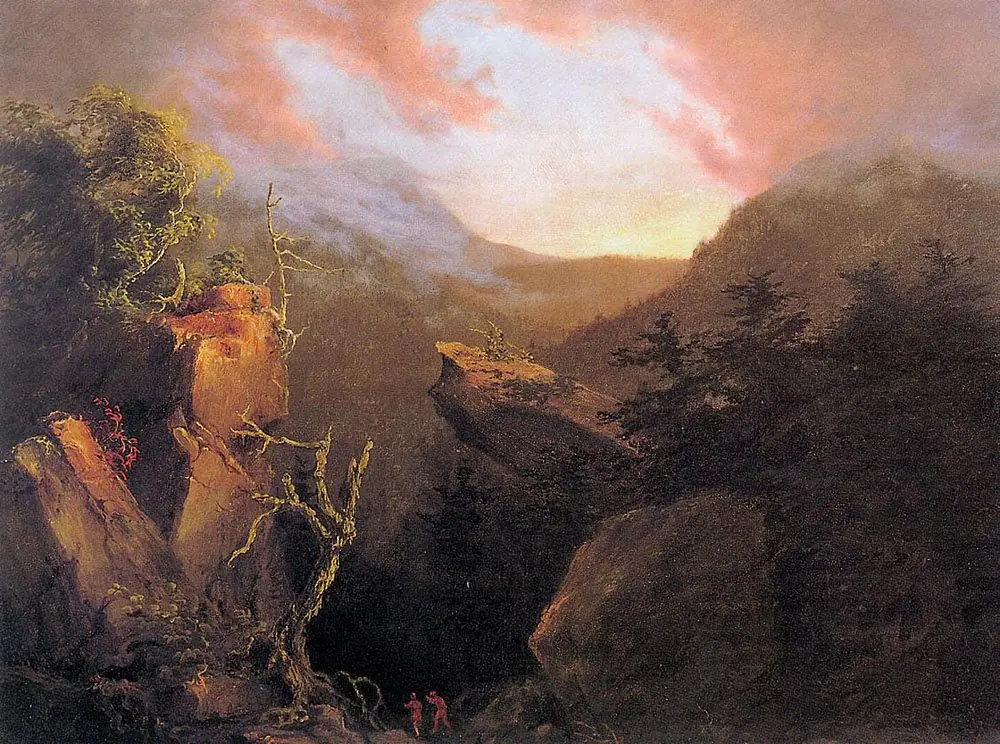 Mountain Sunrise, Catskill
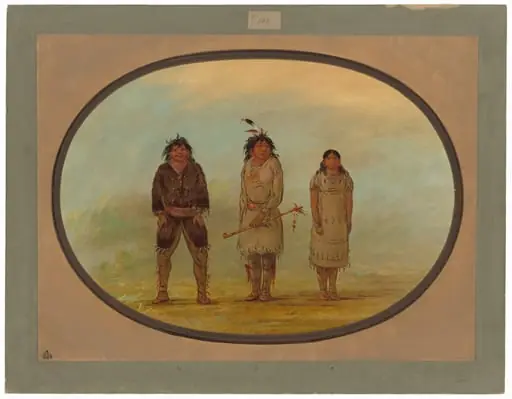 Three Selish Indians
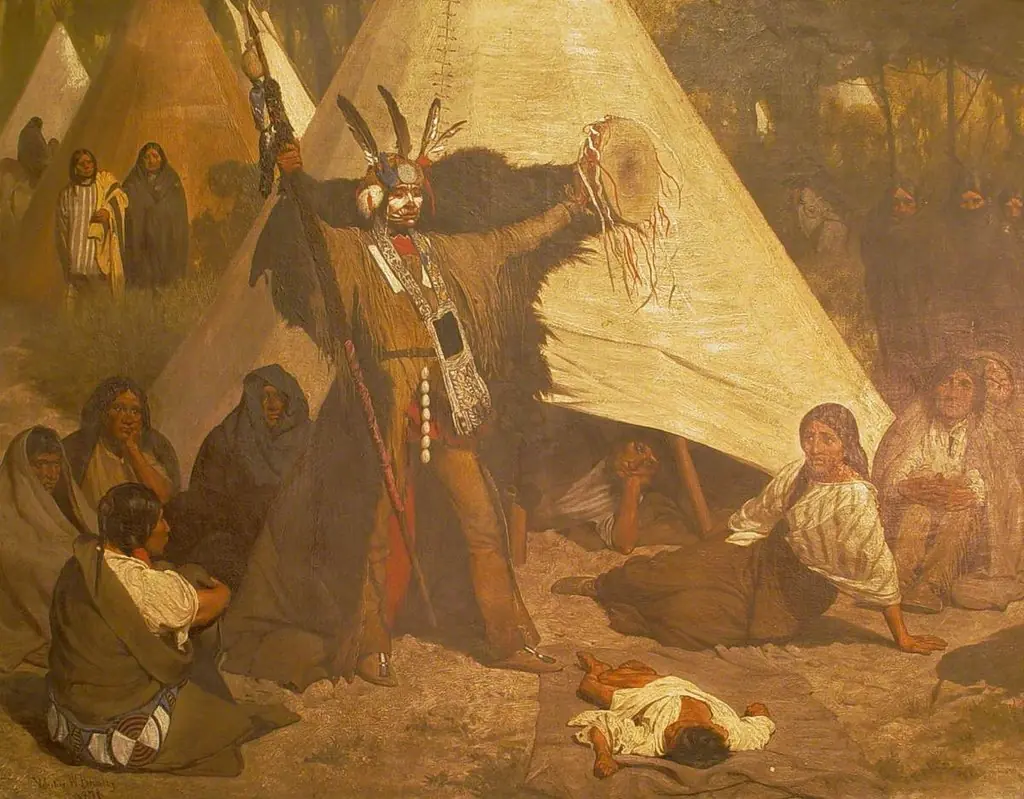 Native North American Medicine Man
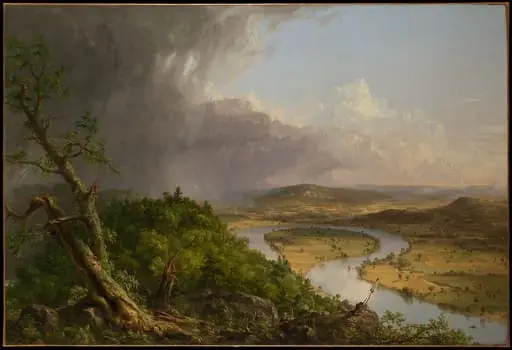 View from Mount Holyoke, Northampton, Massachusetts, after a Thunderstorm—The Oxbow
 Ball Playing among the Sioux Indians
 See-non-ty-a, an Iowa Medicine Man