Artwork
Penelope Unraveling Her Web
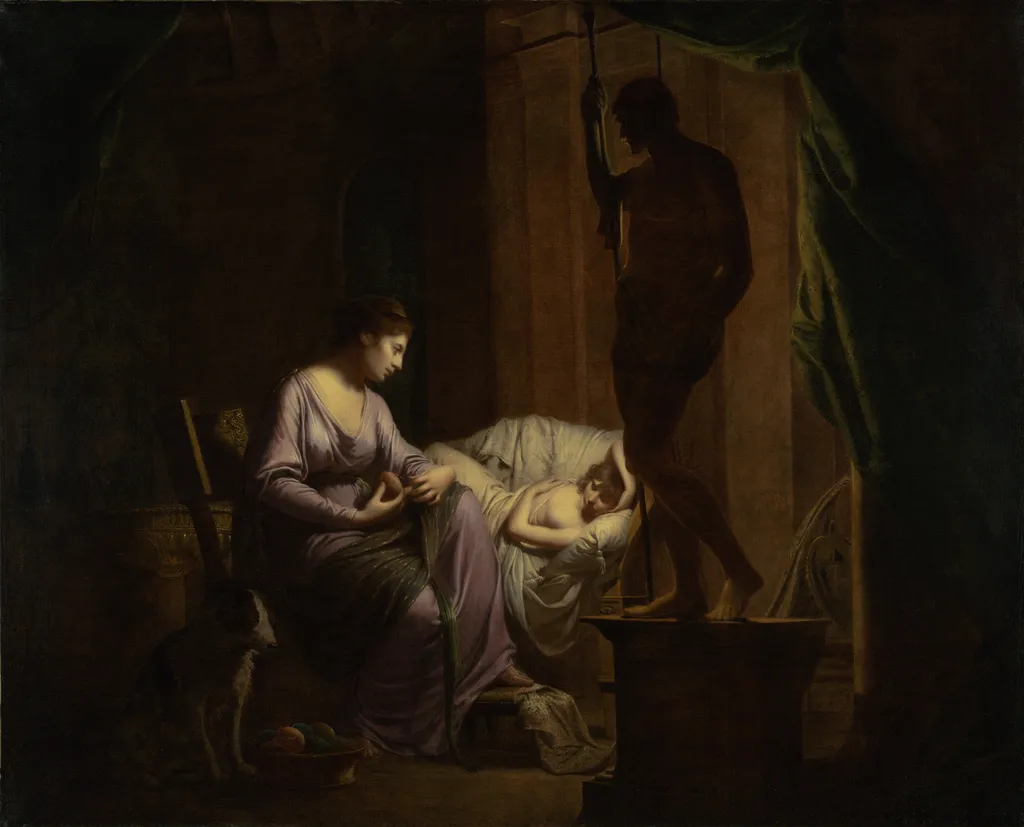
Penelope Unraveling Her Web is an oil painting by the Rococo painting artist Joseph Wright of Derby. It dates from 1793 and is held in the collection of the J. Paul Getty Museum.
About this work
Overview
It illustrates a moment from Homer’s *Odyssey*, in which Penelope, wife of Odysseus, delays suitors by secretly undoing her nightly weaving.
Painted in 1793, *Penelope Unraveling Her Web* is an oil on canvas work by Joseph Wright of Derby. It illustrates a moment from Homer’s *Odyssey*, in which Penelope, wife of Odysseus, delays suitors by secretly undoing her nightly weaving. Wright’s focus on a solitary figure in near-darkness reflects his interest in psychological depth and controlled illumination, distinguishing this piece from his more commonly known scientific or industrial subjects.
Subject & Meaning
The scene captures Penelope in quiet defiance, her hands engaged in the deliberate act of undoing her tapestry. This act symbolizes patience, loyalty, and resistance to forced remarriage during Odysseus’s long absence. The stillness of the figure, contrasted with the motion of the unraveling thread, conveys inner resolve. The presence of a loyal dog and a distant statue of a classical figure reinforce themes of fidelity and antiquity.
Technique & Style
Wright employs chiaroscuro to isolate Penelope within a deep shadow, drawing attention to her hands and the fabric’s texture. His use of impasto adds tactile weight to the folds of her robe and the woven threads, enhancing the sense of physical labor. The background is minimized, eliminating distraction and focusing the viewer’s attention on the intimate, almost theatrical moment. The style leans toward Neoclassical restraint rather than Rococo ornamentation.
History & Provenance
Completed in 1793, the painting remained in private collections until entering the J. Paul Getty Museum’s holdings. It is one of Wright’s few mythological subjects, made late in his career when he increasingly turned to narrative and emotional themes. Its provenance reflects its status as a thoughtful, introspective work rather than a popular commission, aligning with Wright’s evolving artistic priorities in his final decades.
Context
While Wright is best known for scenes of scientific inquiry and industrial progress, this painting reveals his engagement with classical literature during a period of renewed interest in antiquity. The late 18th century saw a surge in literary and mythological subjects among British artists, often used to explore moral and emotional states. Penelope’s quiet endurance resonated with contemporary ideals of female virtue and stoicism.
Legacy
Though less celebrated than Wright’s candlelit experiments or industrial scenes, *Penelope Unraveling Her Web* stands as a quiet testament to his ability to convey psychological complexity through light and gesture. It exemplifies how classical narratives were adapted in British art to express personal and moral themes, influencing later 19th-century painters who sought emotional depth in historical subjects.
Own this work as a print
Artist & collection
Artist
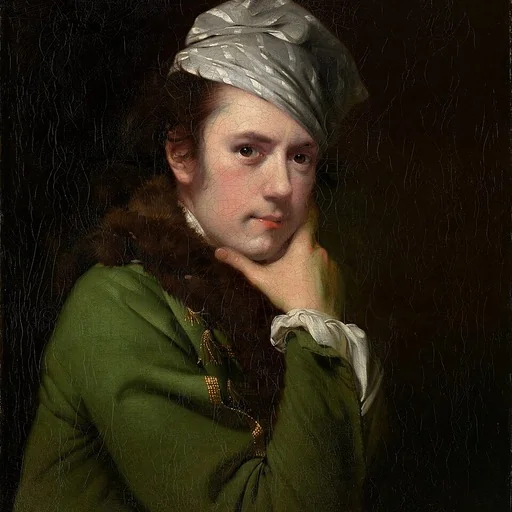
Joseph Wright (3 September 1734 – 29 August 1797), styled Joseph Wright of Derby, was an English painter who specialised in portrait painting and landscape art.

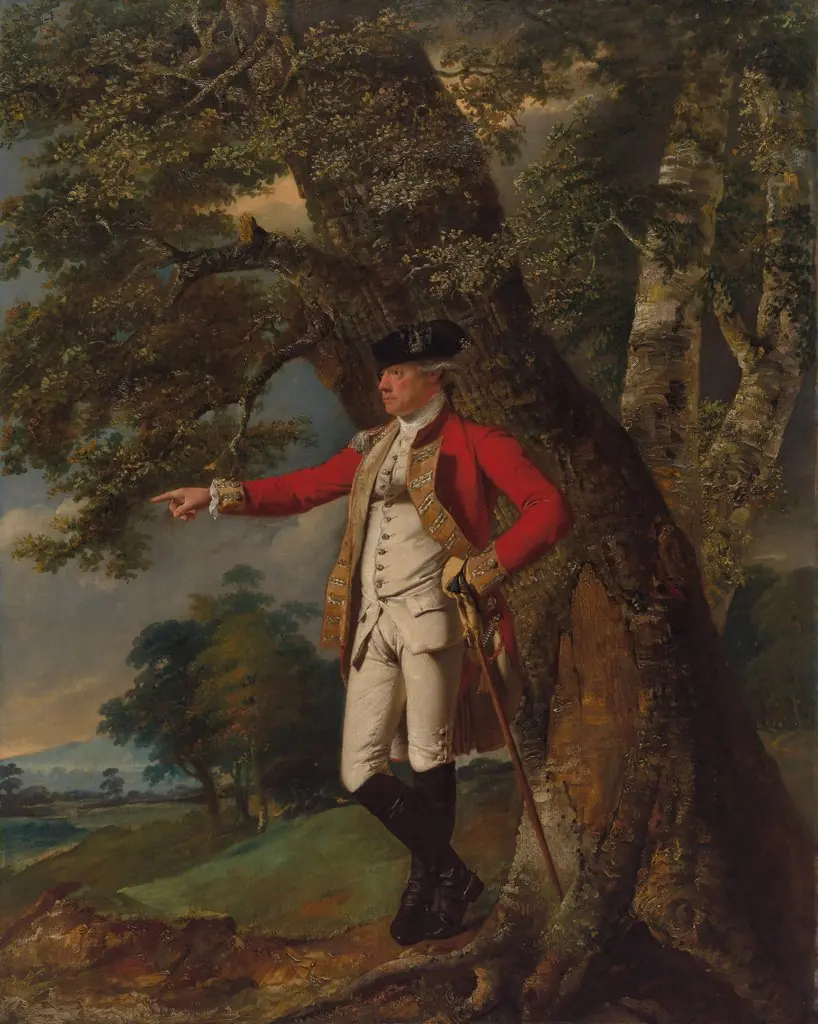 Portrait of Colonel Charles Heathcote
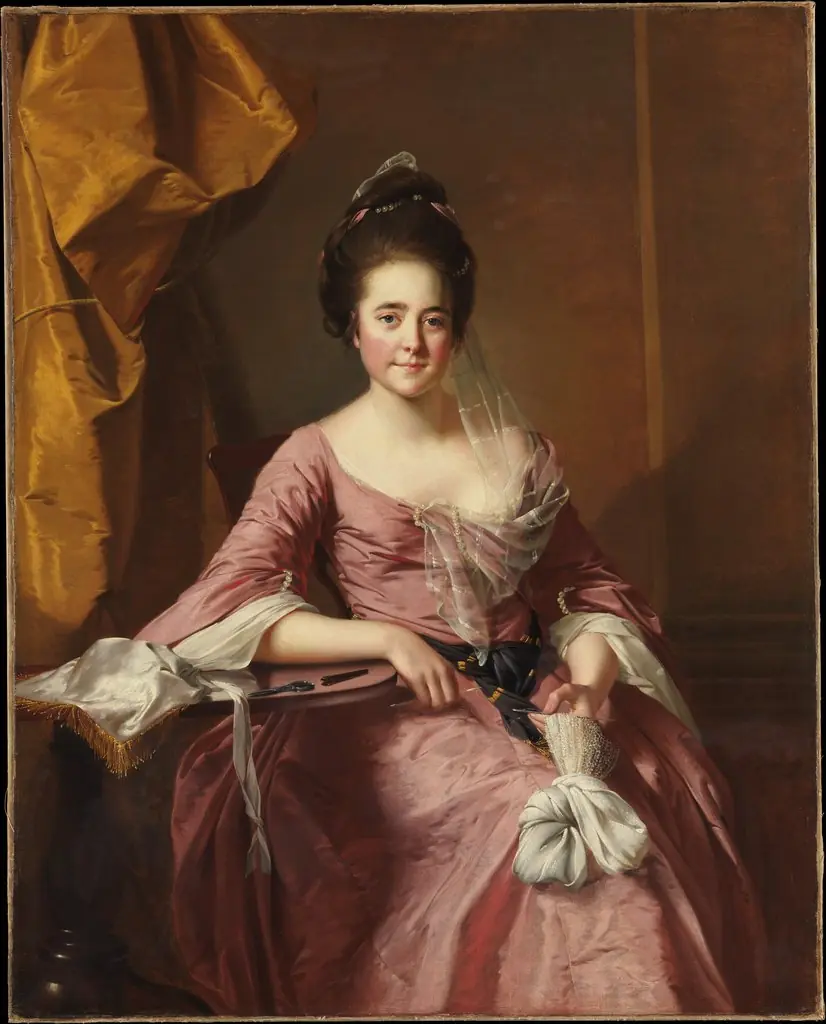 Portrait of a Woman
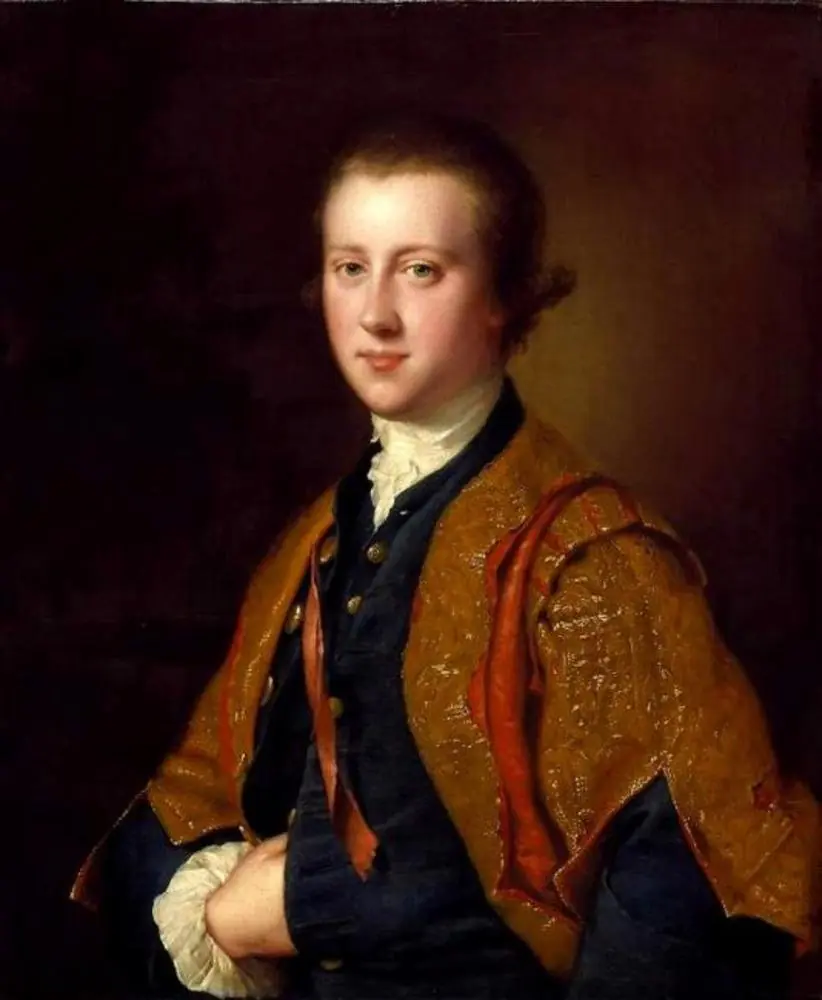 The Hon. Richard Fitzwilliam, 7th Viscount Fitzwilliam of Merrion
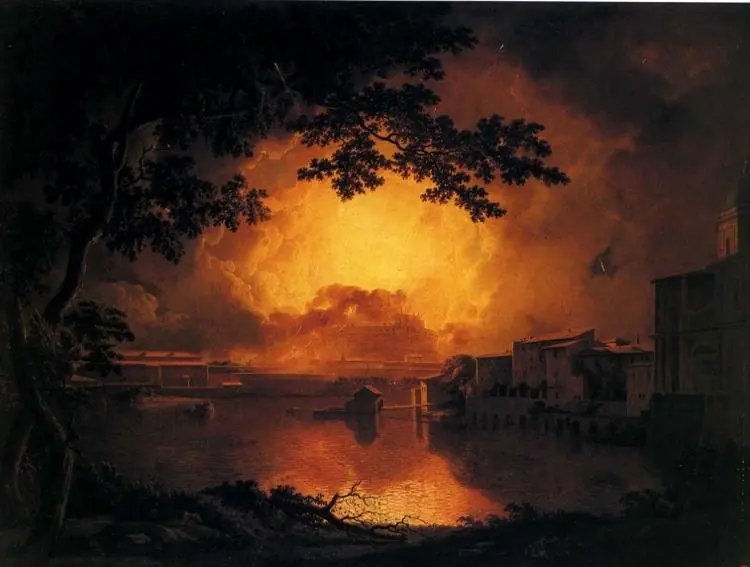 The Girandola at the Castel Sant'Angelo in Rome
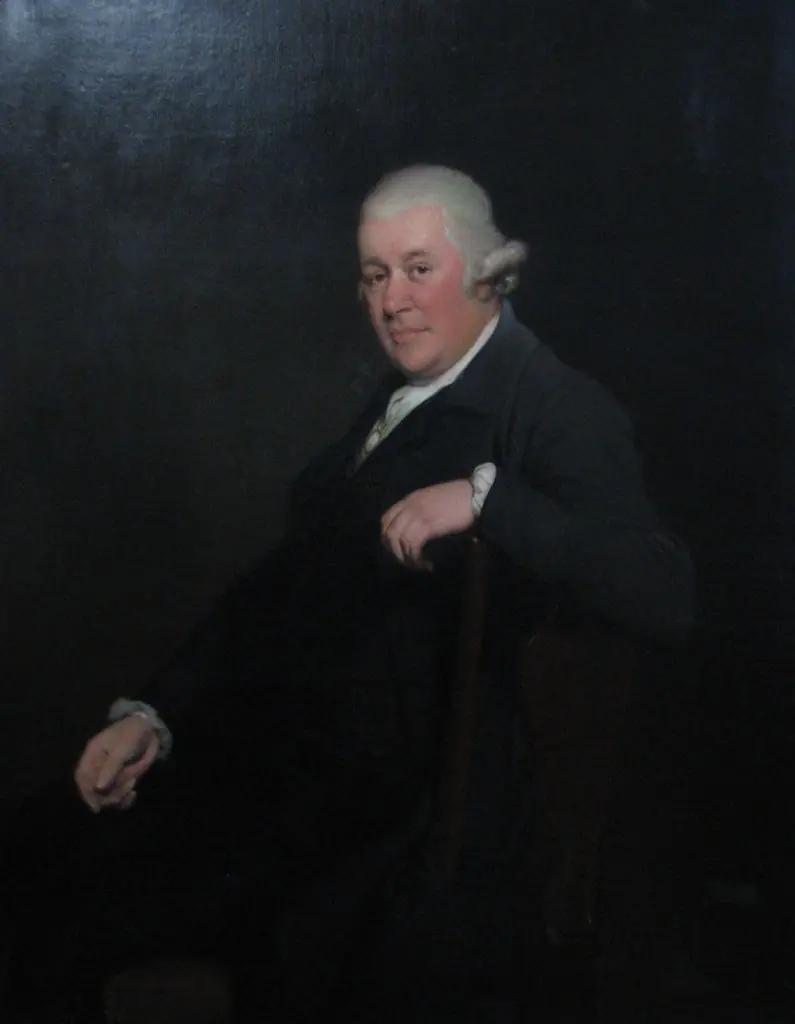 Reverend Basil Bury Beridge
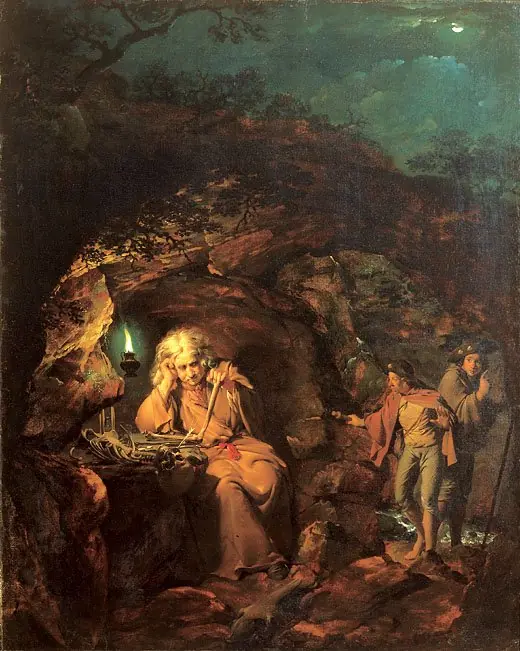 A Philosopher by Lamplight
 Portrait of Alexander B. Fock (1763-1825)
 Portrait of Fyodor A. Lindfors (1760-1813)
 The Return of Ulysses. Scene from Homer´s Ulysses
 The Return of Ulysses. Scene from Homer´s Ulysses
 The Corinthian Maid
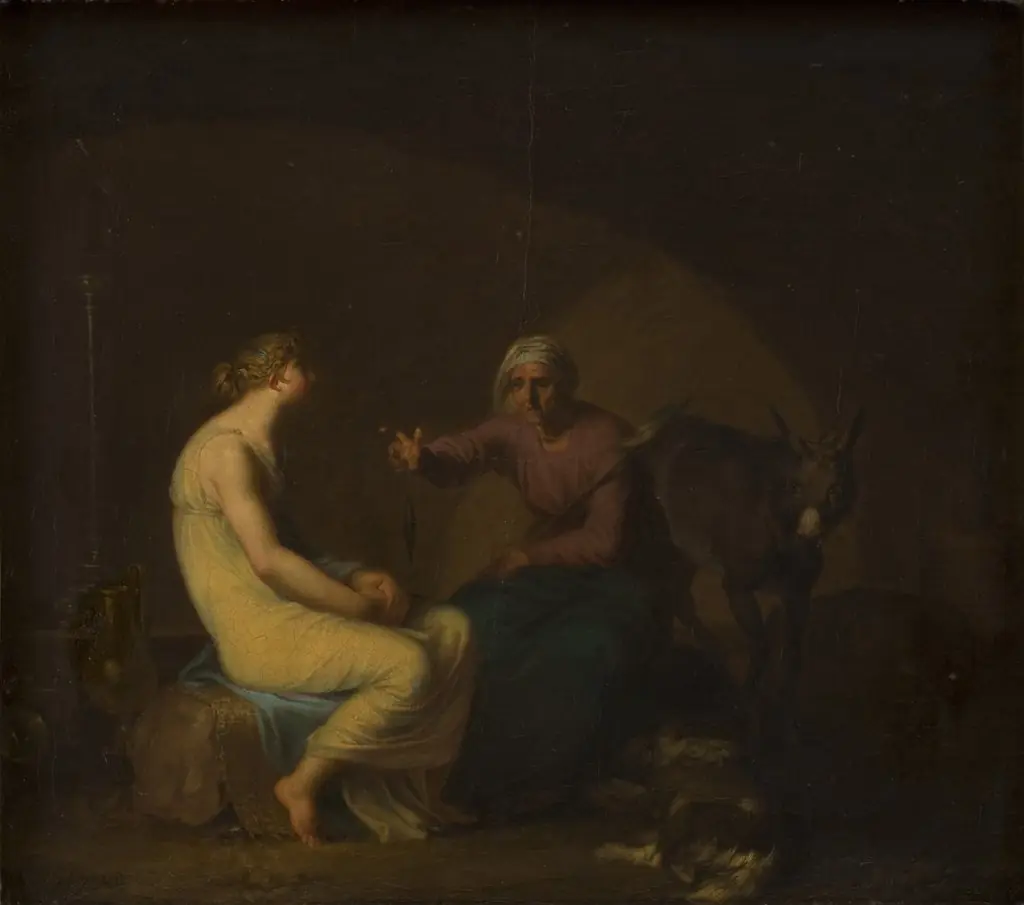 The robber's housekeeper comforts the young girl by telling the myth of Amor and Psyche. Motif from Apulejus, The Golden Donkey
 Paulus the Apostle defending himself at the Trial in Caesarea
 Røverbandens husholderske trøster den unge pige ved at fortælle myten om Amor og Psyche. Motiv fra Apulejus: Det gyldne æsel
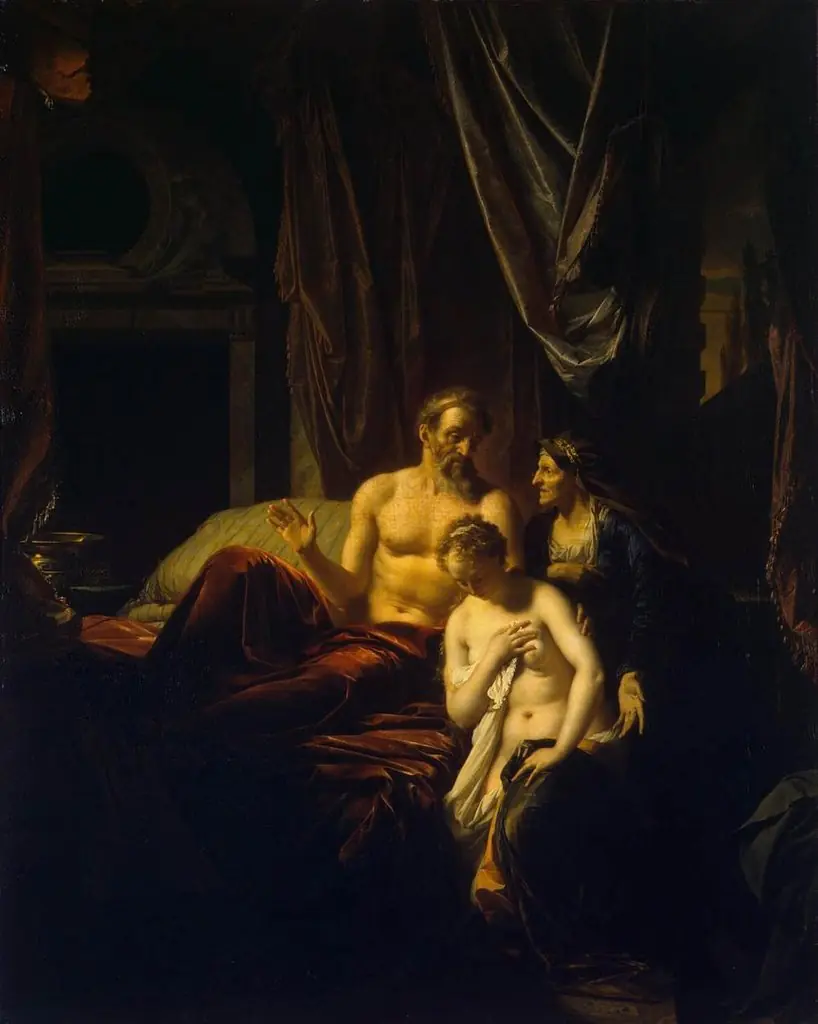 Sarah Bringing Hagar to Abraham
 The Flight into Egypt
 Mercury and Proserpina
 Geburt des Adonis
 Death of Meleager
 The Happy Family