Artwork
Charles Fitzroy, 2nd Duke of Grafton
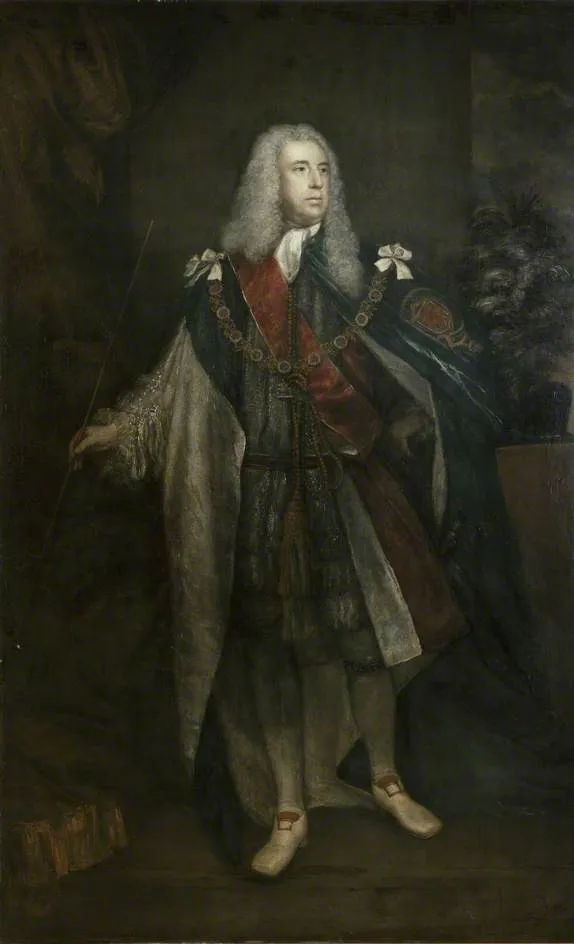
Charles Fitzroy, 2nd Duke of Grafton is an oil painting by the Rococo painting artist Joshua Reynolds. It dates from 1756 and is held in the collection of the Ashmolean Museum.
About this work
Overview
The work reflects the transitional aesthetic of mid-18th-century British portraiture, bridging Rococo elegance with emerging classical restraint.
This 1756 oil portrait by Joshua Reynolds captures Charles FitzRoy, the 2nd Duke of Grafton, as a figure of aristocratic presence. Reynolds, then emerging as a leading portraitist in England, rendered the sitter with a blend of naturalism and elevated formality. The work reflects the transitional aesthetic of mid-18th-century British portraiture, bridging Rococo elegance with emerging classical restraint.
Subject & Meaning
The Duke is portrayed not in a domestic setting but as a dignitary, clad in ceremonial attire that evokes authority rather than daily life. The extended hand holding a staff, the fur-lined cape, and the red sash suggest status and institutional role, possibly alluding to his position in court or military hierarchy. The composed posture and direct gaze convey calm command, aligning with ideals of noble conduct.
Technique & Style
Reynolds employed chiaroscuro to model the Duke’s form, using soft transitions between light and shadow to define volume without harsh edges. The dark, atmospheric background isolates the figure, enhancing the luminosity of the white shirt, fur trim, and skin tones. Brushwork is refined yet visible in the texture of fabric and hair, balancing precision with a sense of lived presence.
History & Provenance
Commissioned during Reynolds’s early rise to prominence, the portrait remained within the Grafton family for generations. It entered public collections in the 19th century and is now held in a major British institution. Its documented lineage supports its authenticity and underscores its role as a record of aristocratic identity during a period of shifting social and artistic norms.
Context
Painted in the decade before Reynolds became president of the Royal Academy, this work reflects the growing expectation that portraiture should convey moral and social gravitas. While European Rococo influences lingered in decorative detail, British patrons increasingly favored dignified, restrained imagery—this portrait exemplifies that shift, merging elegance with a new sense of civic seriousness.
Legacy
The portrait stands as an early example of Reynolds’s 'Grand Style,' a deliberate effort to elevate portraiture to the level of history painting. Though not his most famous work, it helped establish a visual language for British aristocracy that influenced generations of portraitists. Its compositional discipline and psychological nuance became benchmarks for academic portraiture in the late 18th century.
Artist & collection
Artist
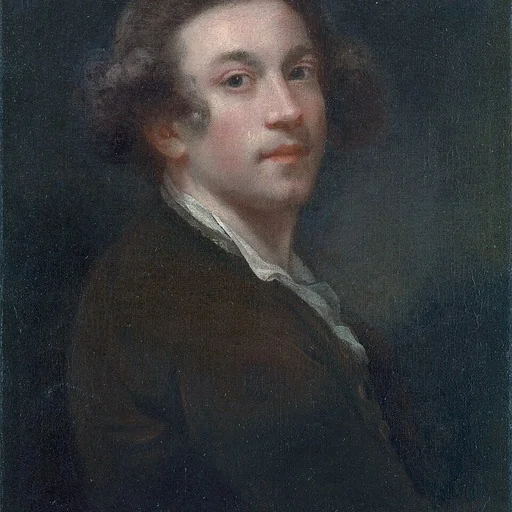
Sir Joshua Reynolds (16 July 1723 – 23 February 1792) was an English painter who specialised in portraits.

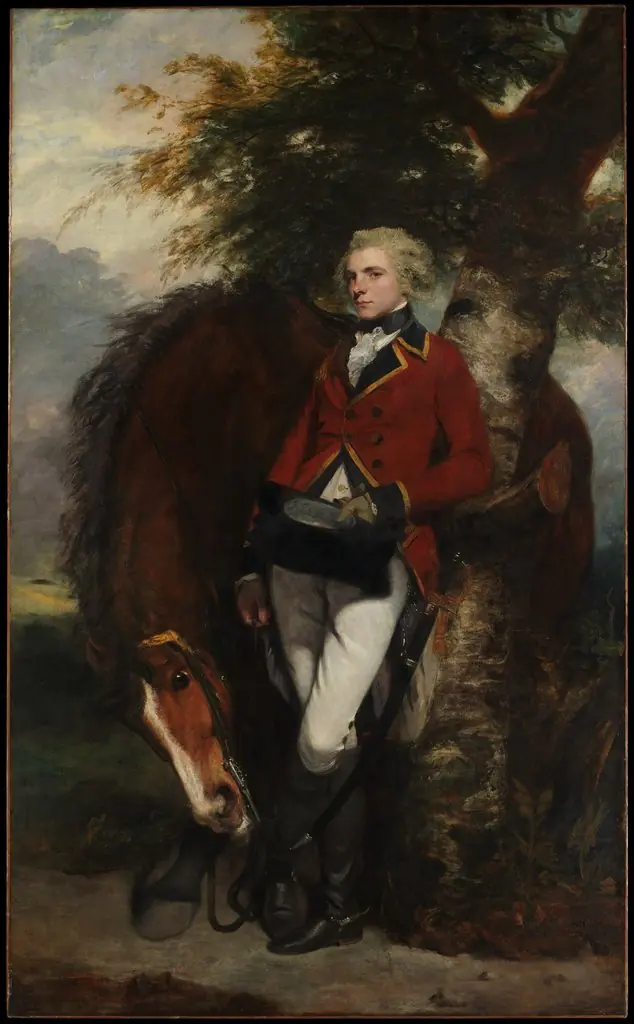
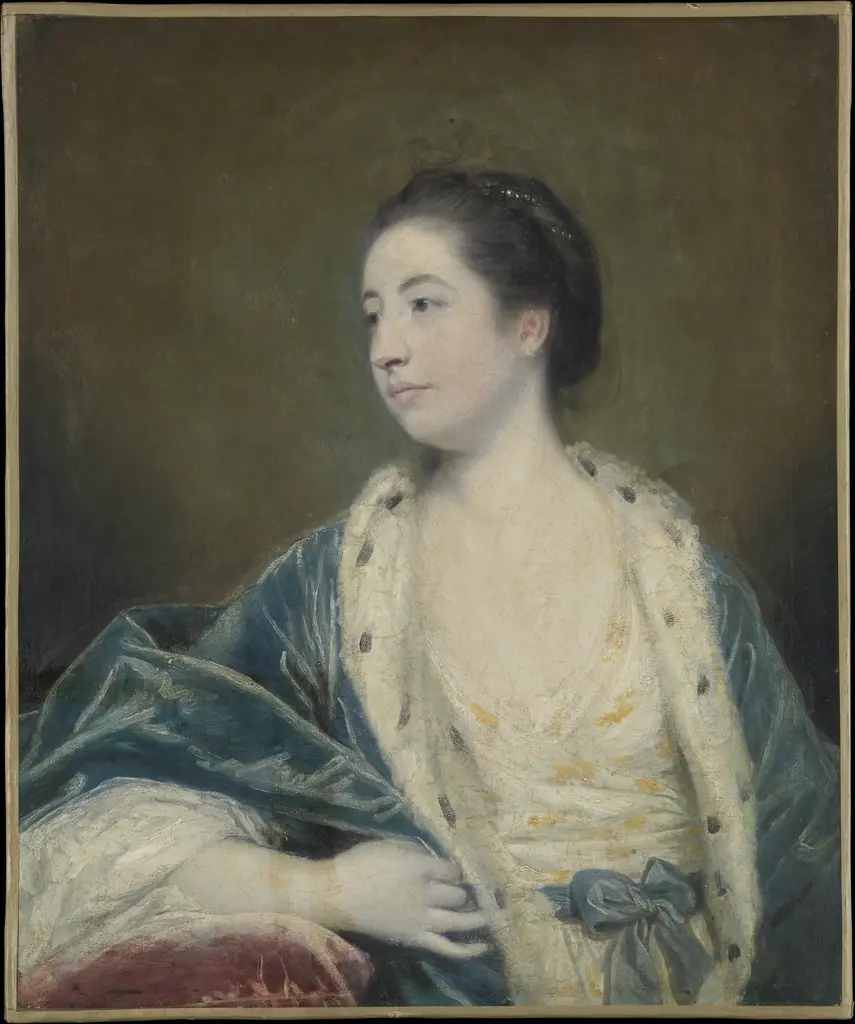
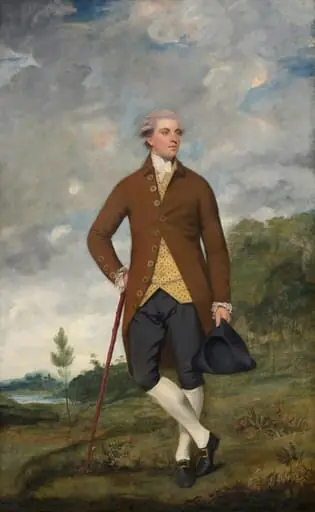
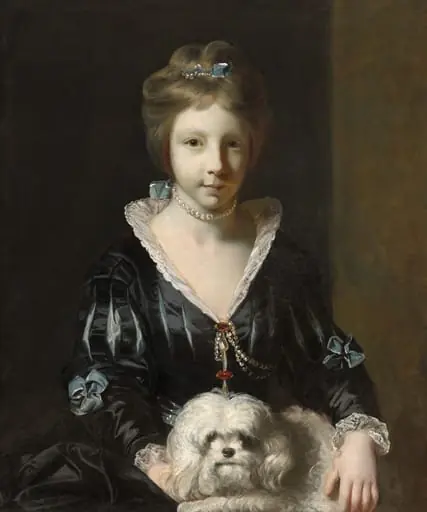
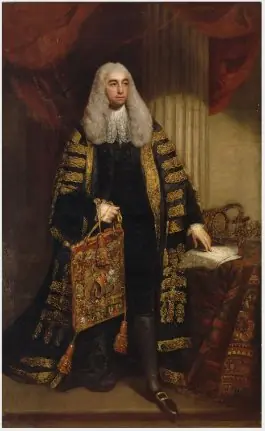 Portrait of John Fitzgibbon, Earl of Clare (1749-1802)
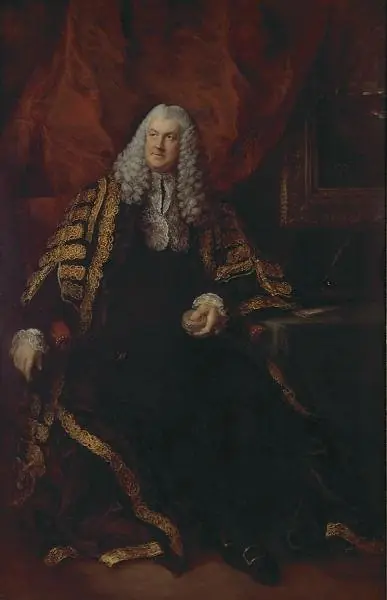 The Rt Hon. Charles Wolfran Cornewall
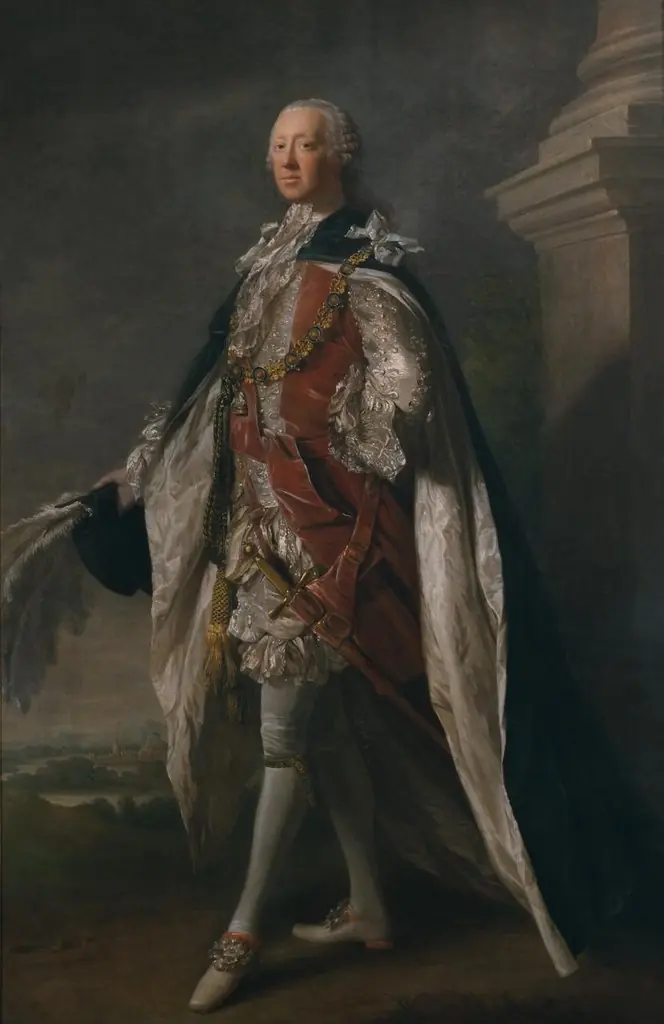 Richard Grenville, 2nd Earl Temple
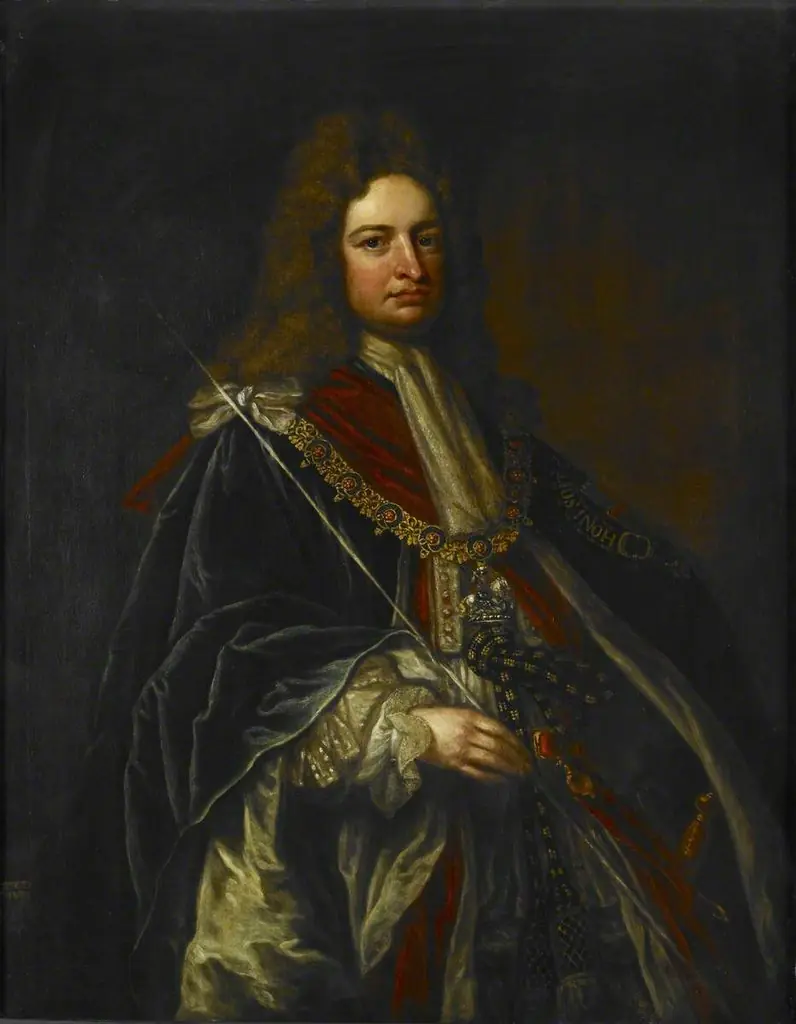 Robert Harley (1661–1724), 1st Earl of Oxford and Mortimer
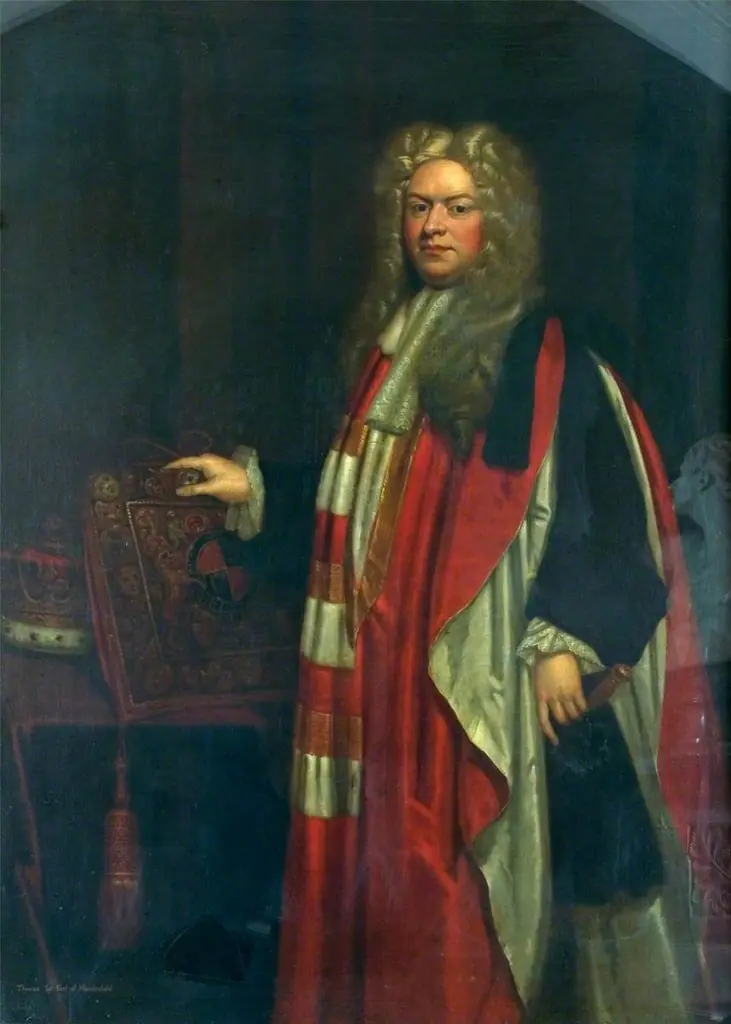 Sir Thomas Parker (1666–1732)
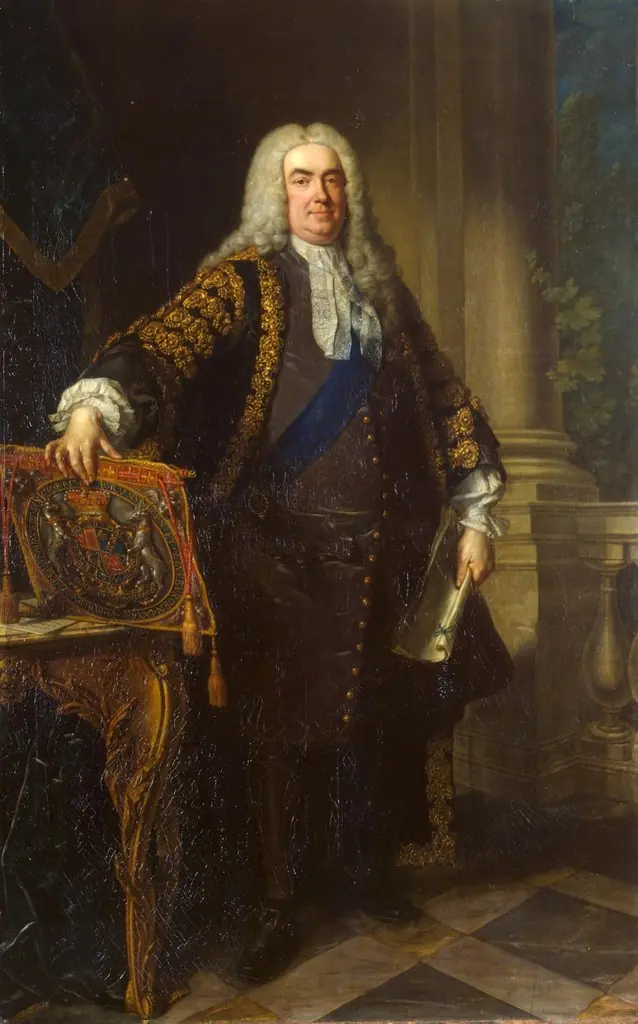 Portrait of Sir Robert Walpole
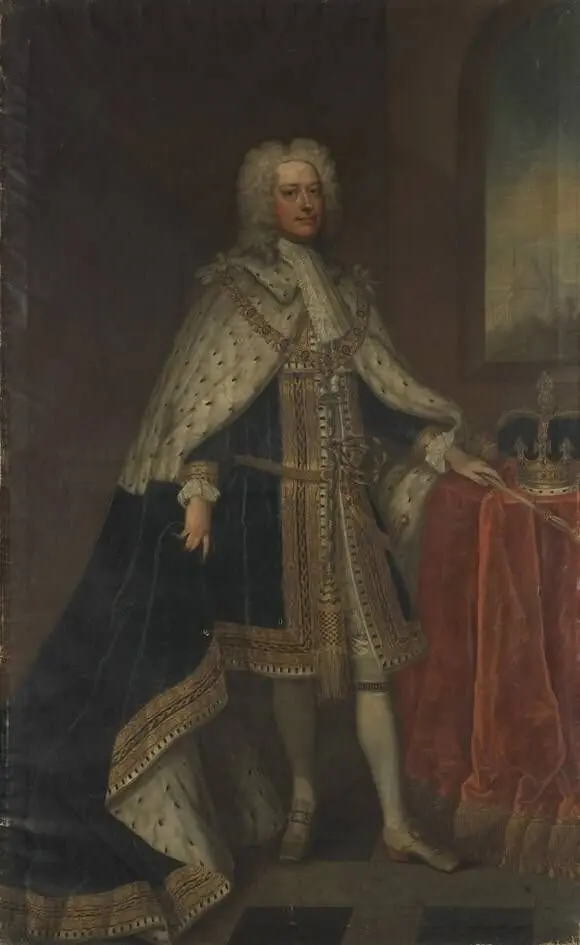 König Georg II. von England (Krönungsporträt) (Werkstatt)
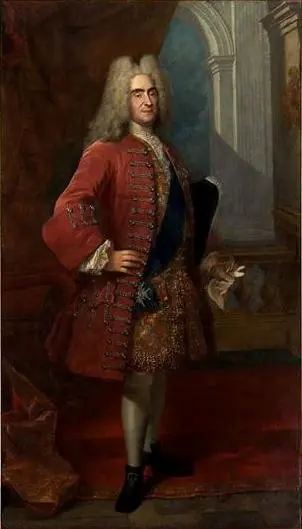 Portrait of Augustus II of Poland (1670-1733)
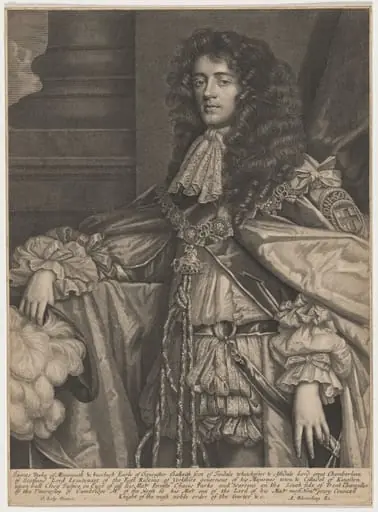 James, Duke of Monmouth and Buccleuch
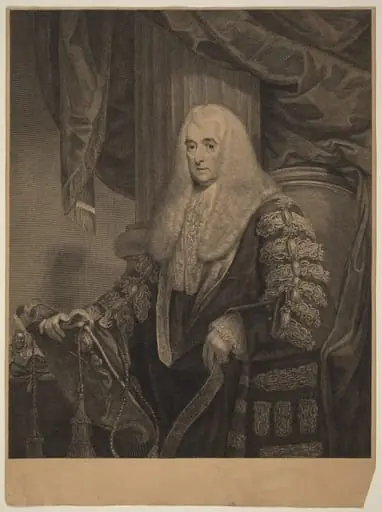 Alexander, Lord Loughborough
 Baron FitzGibbon
 Baron Pryse