Artwork
Cleopatra
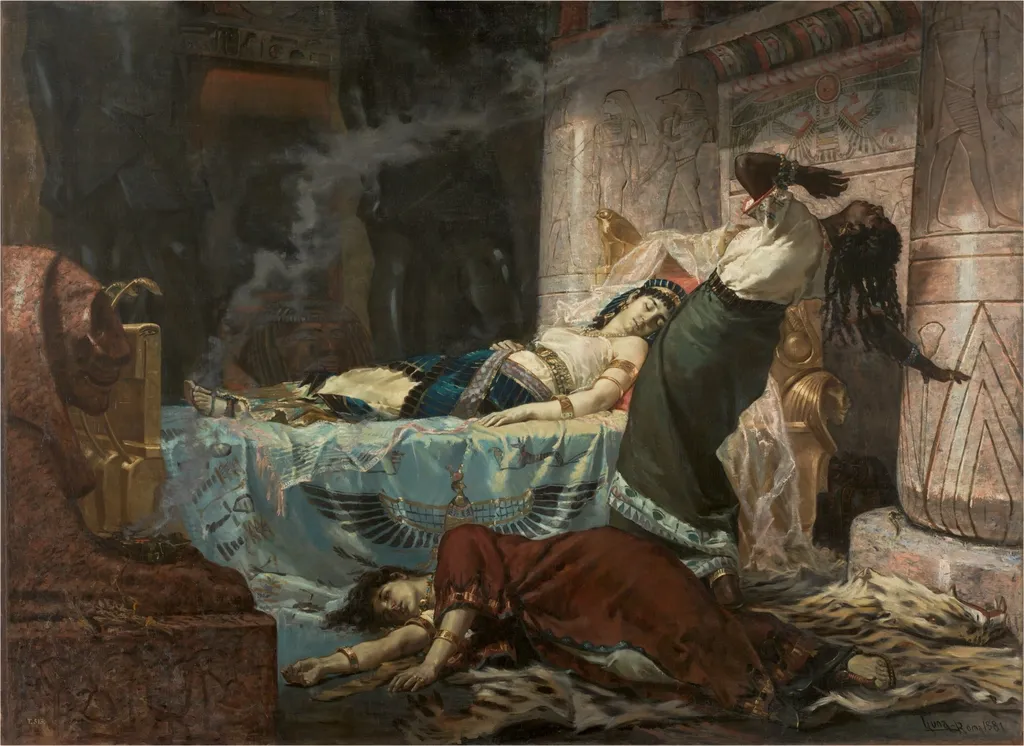
Cleopatra is an oil painting by the Post-Impressionist artist Juan Luna. It dates from 1891 and is held in the collection of the Museo del Prado.
About this work
Overview
Juan Luna completed the oil painting *Cleopatra* in 1891, during his time in Europe. Though associated with post-impressionist tendencies, the work reflects a refined academic style. It is part of the Museo del Prado’s collection and stands as one of Luna’s later figurative compositions, distinct from his more historically charged earlier works.
Subject & Meaning
The painting portrays Cleopatra in a moment of quiet repose, reclining on a bed amid architectural elements evoking ancient Egypt.
The painting portrays Cleopatra in a moment of quiet repose, reclining on a bed amid architectural elements evoking ancient Egypt. Her composed expression and relaxed posture suggest introspection rather than drama. The presence of symbolic motifs, including the bird on the bedding, may allude to themes of freedom or the soul’s transcendence, subtly distancing the figure from popular portrayals of her as a seductress.
Technique & Style
Luna employed chiaroscuro to model the figure with soft gradations of light and shadow, enhancing the three-dimensionality of the form. The palette is restrained, dominated by pale blues and whites, with metallic accents in the headpiece. Brushwork is controlled yet fluid, balancing realism with a lyrical atmosphere, avoiding overt theatricality in favor of calm dignity.
History & Provenance
Created during Luna’s extended stay in Europe, the painting was acquired by the Spanish state and entered the Prado’s collection shortly after its completion. Unlike his prize-winning historical canvases, *Cleopatra* was not exhibited publicly at the time, possibly due to its intimate subject. Its inclusion in the Prado reflects institutional recognition of Luna’s technical mastery.
Context
Luna, a Filipino intellectual and activist in the Propaganda Movement, often used art to engage with broader cultural and political questions. While *Cleopatra* does not overtly reference Philippine nationalism, its creation during his exile underscores his engagement with classical themes as a means of asserting artistic legitimacy within European traditions.
Legacy
Though less discussed than his revolutionary-era works, *Cleopatra* remains significant as evidence of Luna’s versatility and command of European academic conventions. It illustrates how Filipino artists of the period navigated colonial artistic hierarchies, using classical subjects to claim space within the canon without overt political messaging.
Own this work as a print
Artist & collection
Artist
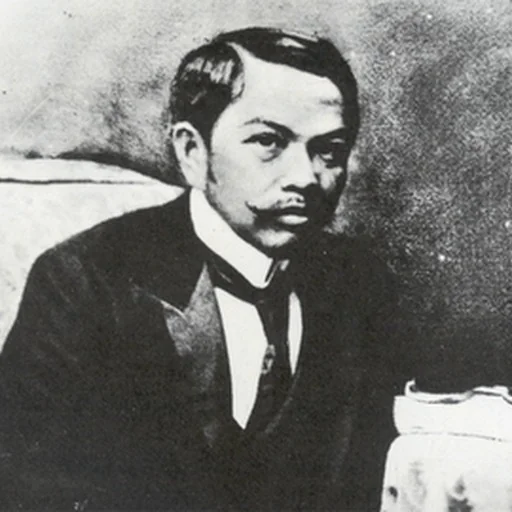
Juan Luna de San Pedro y Novicio (Spanish: , Tagalog: ; October 25, 1857 – December 7, 1899) was a Filipino painter, sculptor and a political activist of the Philippine Revolution during the late 19th century.

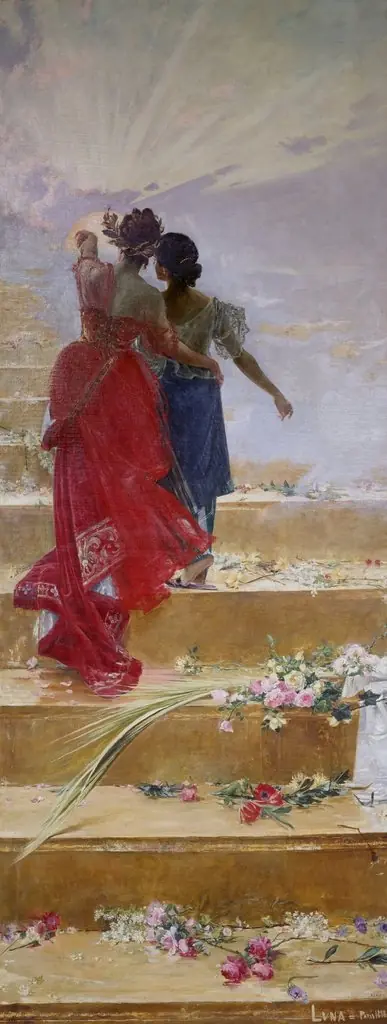
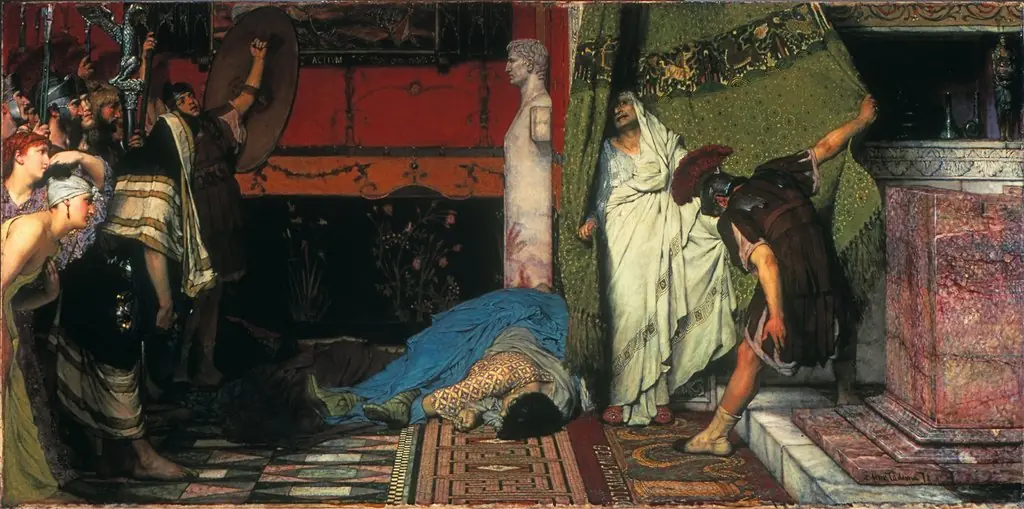 A Roman Emperor (Claudius)
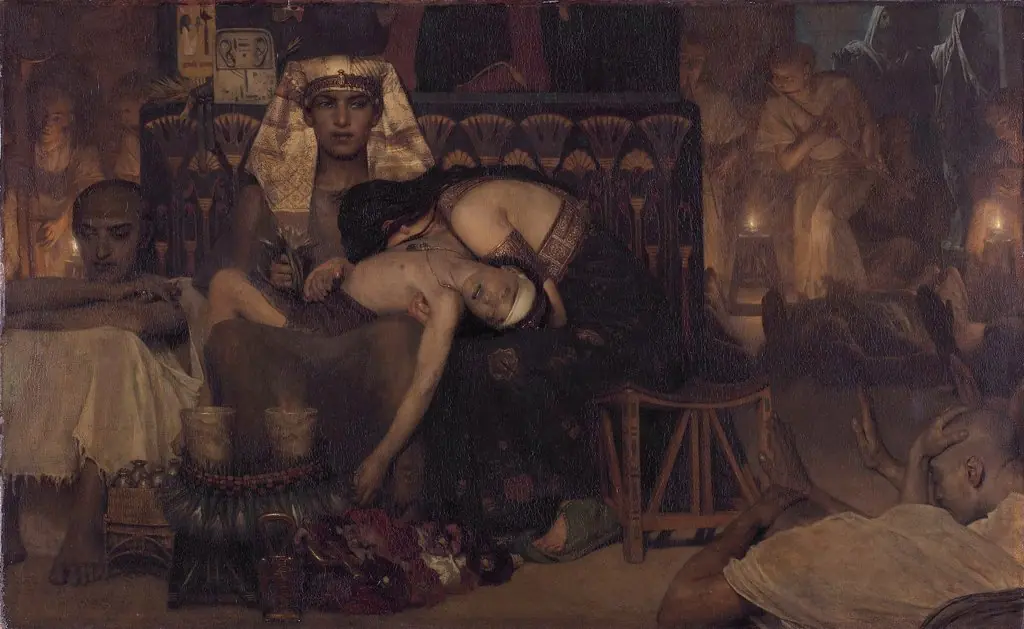 Death of the Pharaoh's Firstborn Son
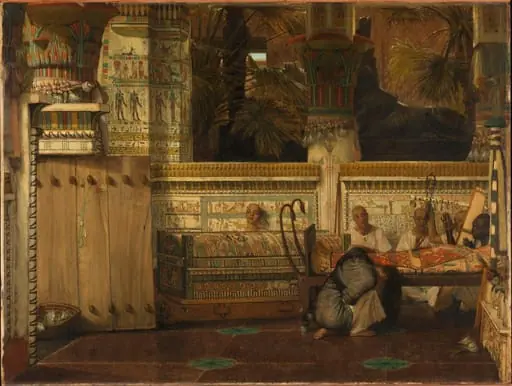 De Egyptische weduwe
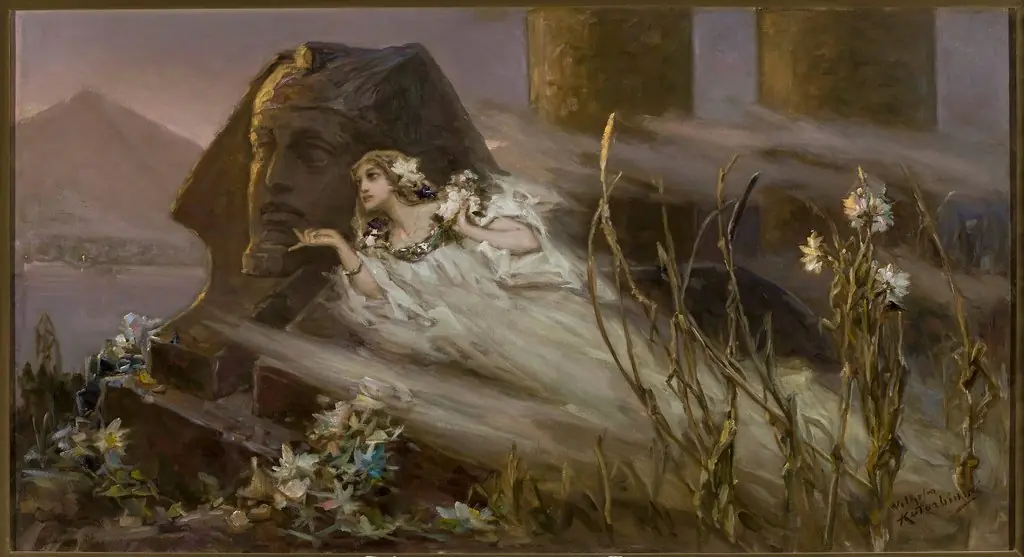 Sphinx and a woman phantom
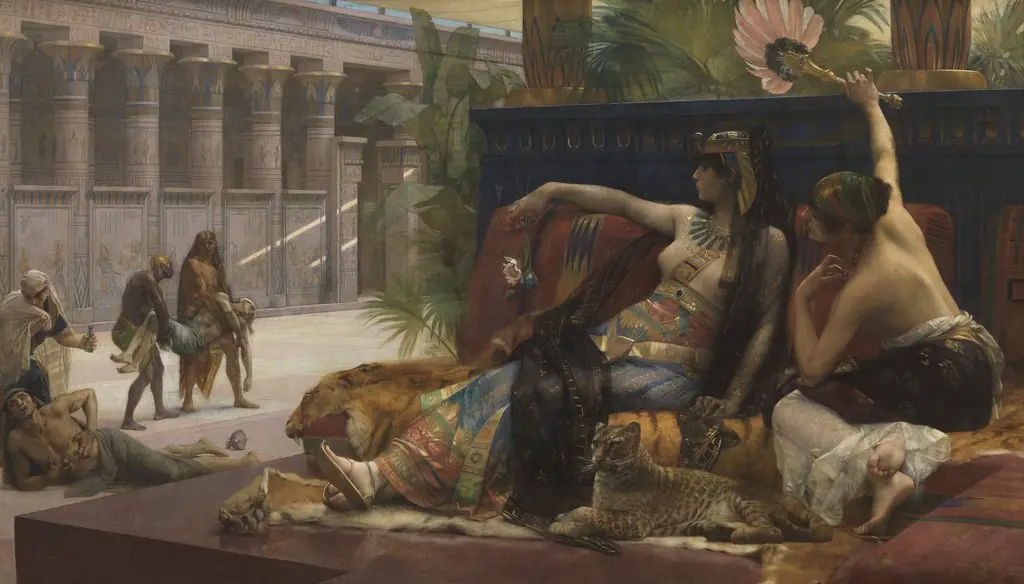 Cleopatra Testing Poisons on Condemned Prisoners
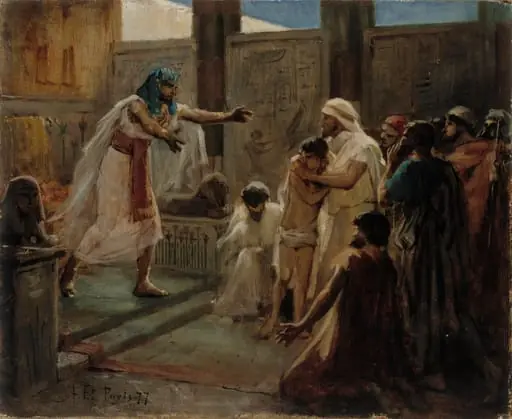 Joosef ja hänen veljensä
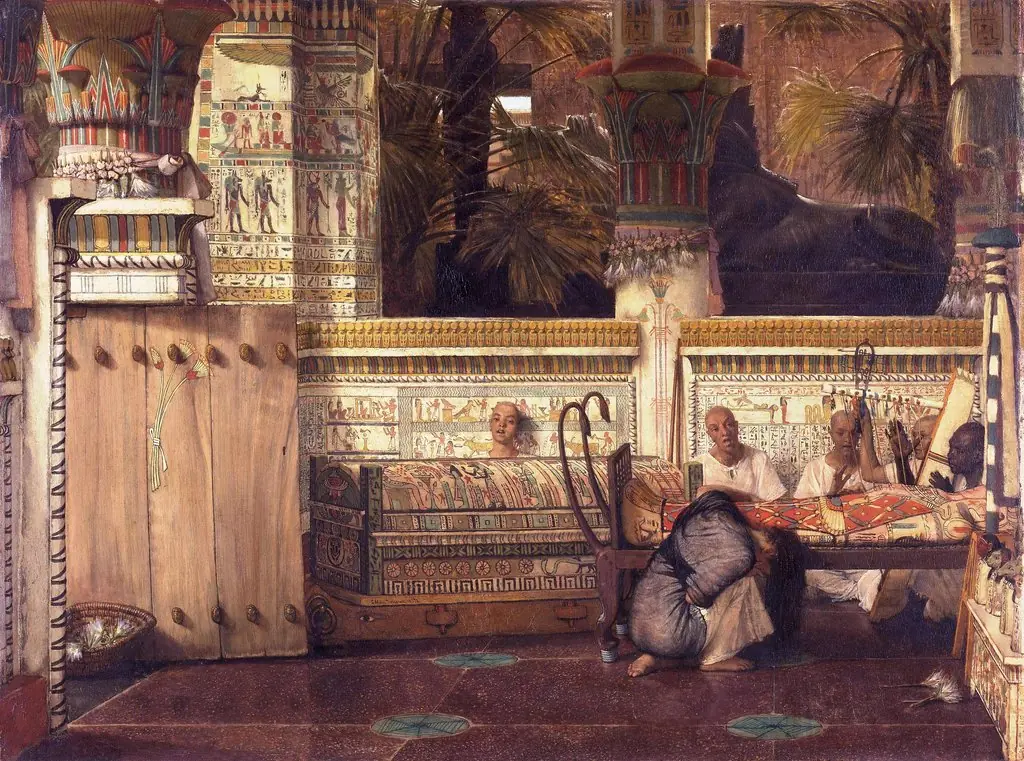 The Egyptian Widow
 Salome's dance before Herod, sketch
 The Death of Lucan
 The Sultan's Gift
 Antigone Gives Token Burial to the Body of Her Brother Polynices