Artwork
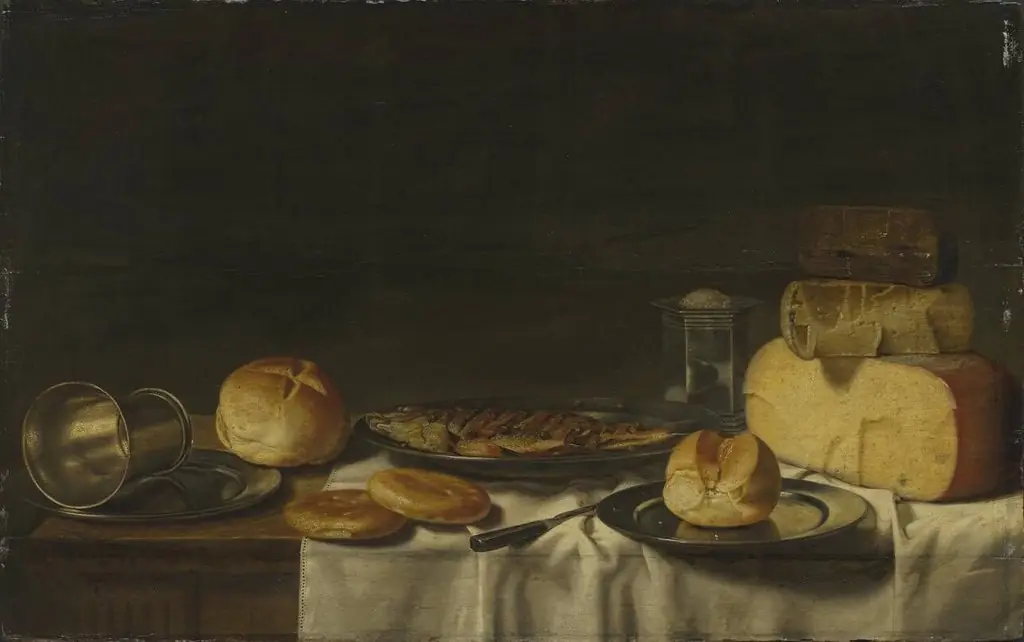
Still Life and Laid Table
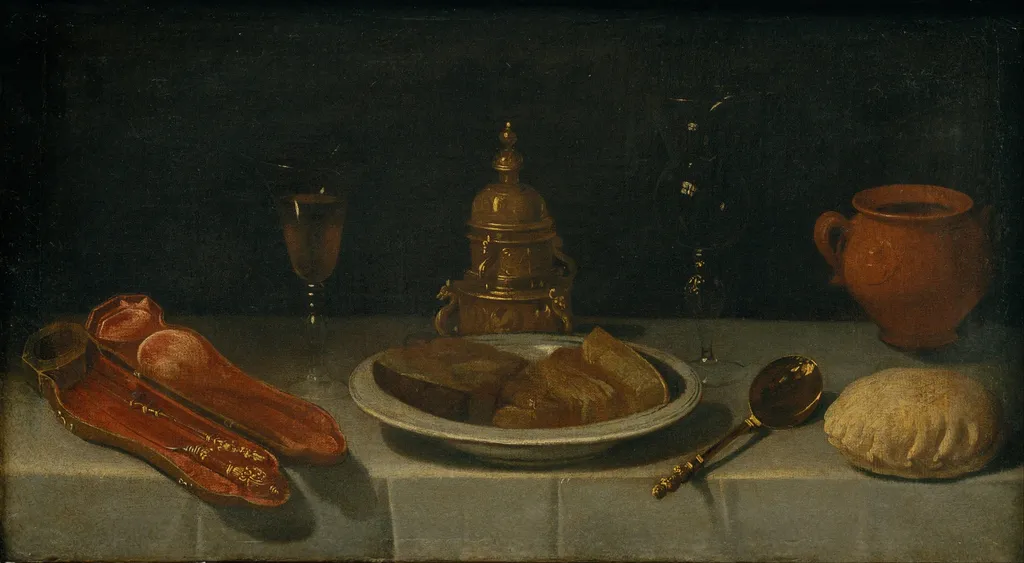
Still Life and Laid Table is an oil painting by the Early Baroque Italian artist Juan van der Hamen. It dates from 1620 and is held in the collection of the Museu Nacional d'Art de Catalunya.
About this work
Overview
Painted in 1620 by Juan van der Hamen, this oil-on-canvas work presents a modest table setting with everyday objects arranged with quiet precision.
Painted in 1620 by Juan van der Hamen, this oil-on-canvas work presents a modest table setting with everyday objects arranged with quiet precision. It reflects the artist’s focus on still life during his time in Madrid, where he helped define the genre’s visual language in early Baroque Spain. The composition avoids theatricality, favoring restraint and careful observation of common items rendered in naturalistic detail.
Subject & Meaning
The scene includes bread, a wooden spoon, a ceramic bowl, a mug, and two glasses—one partially filled—arranged on a plain white cloth. These humble items suggest a moment of quiet sustenance, possibly after a meal. The absence of luxury or abundance implies a contemplative tone, aligning with Spanish devotional sensibilities that found spiritual resonance in simplicity and transience.
Technique & Style
Van der Hamen employs chiaroscuro to model forms with subtle gradations of light and shadow, enhancing the tactile presence of each object. Earthy pigments dominate the palette, reinforcing the material authenticity of the scene. The dark, unbroken background isolates the table setting, directing focus to texture and form. Brushwork is controlled yet varied, capturing the sheen of glass, the roughness of wood, and the softness of bread.
History & Provenance
The painting entered the collection of the Museu Nacional d'Art de Catalunya in the early 20th century, having previously belonged to Spanish noble families. It is one of several still lifes by van der Hamen preserved in public collections, reflecting his prominence among Madrid’s artistic circles. Its survival and attribution are well-documented, with stylistic links to other works from his mature period around 1620.
Context
In early 17th-century Spain, still life painting gained new legitimacy as a subject worthy of serious attention, moving beyond mere decoration. Van der Hamen, trained in the Netherlands but active in Madrid, synthesized Northern attention to detail with Spanish austerity. His works responded to a cultural climate that valued humility and material restraint, particularly under Habsburg rule and religious reform.
Legacy
Van der Hamen’s approach influenced subsequent Spanish still life painters by demonstrating how ordinary objects could convey depth and dignity through careful arrangement and lighting. His work helped establish a distinctly Spanish mode of still life—one that avoided flamboyance in favor of quiet observation. Though less widely known internationally, his contributions remain foundational to the genre’s development in Iberia.
Artist & collection
Artist
Juan van der Hamen y (Gómez de) León (baptized 8 April 1596 – 28 March 1631) was a Spanish painter, a master of still life paintings, also called bodegones.

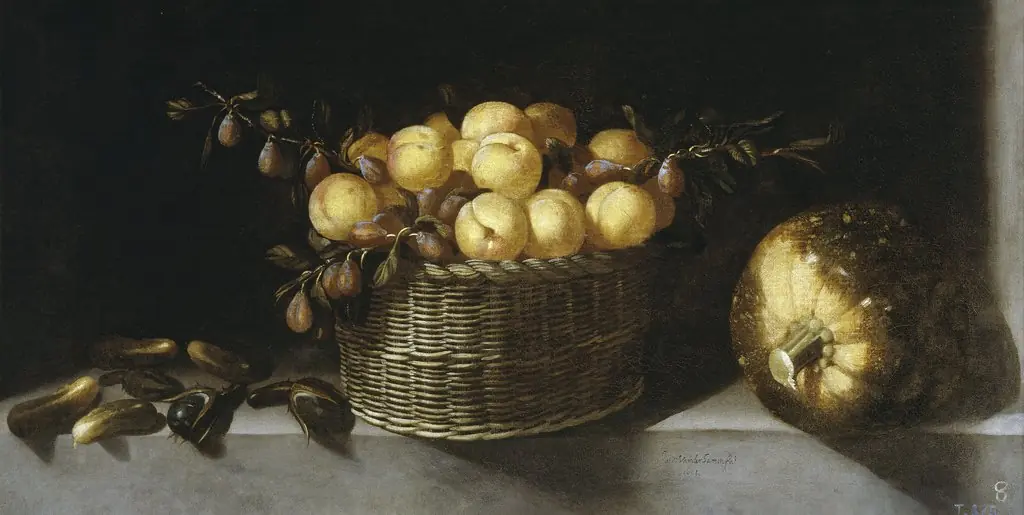
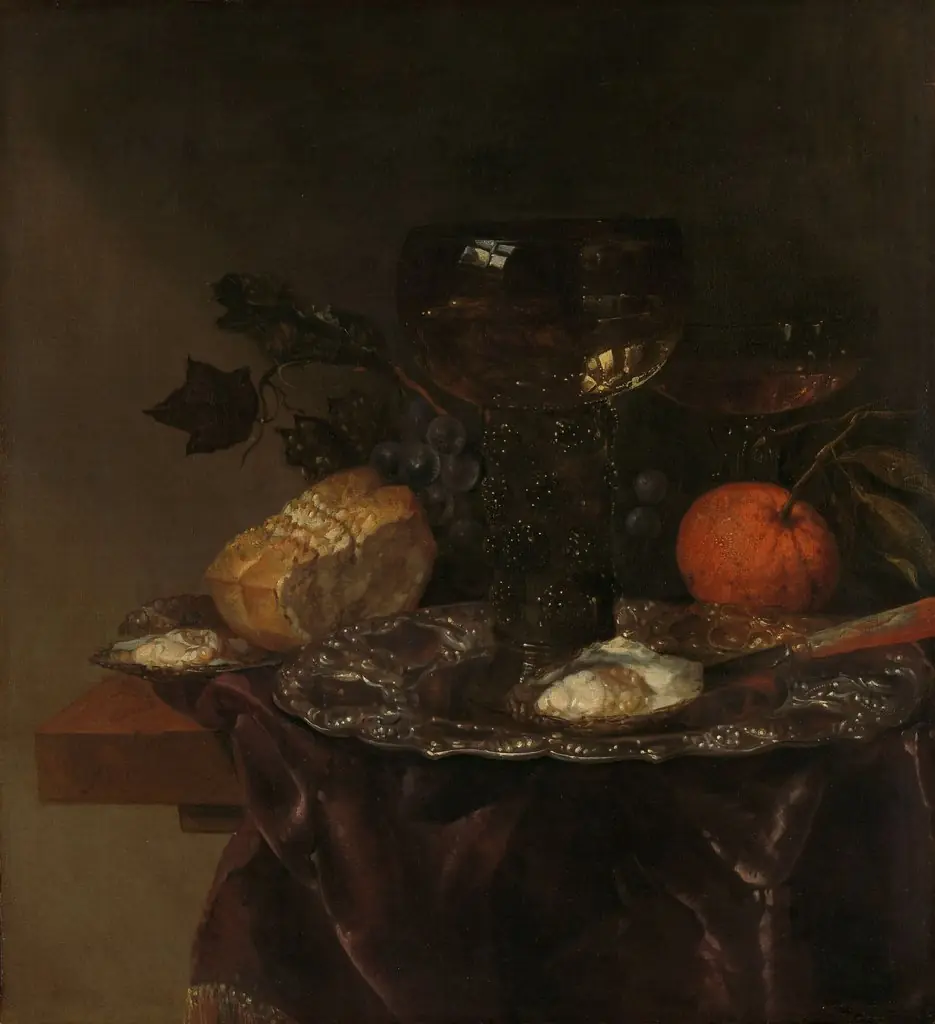 Still life
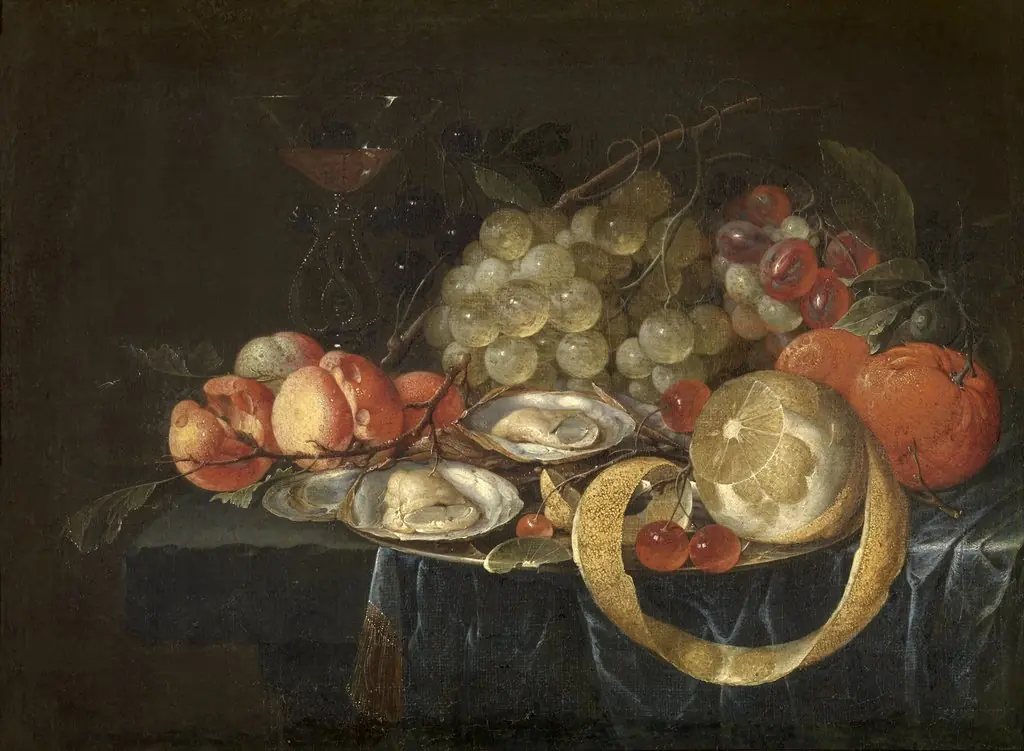 Still Life
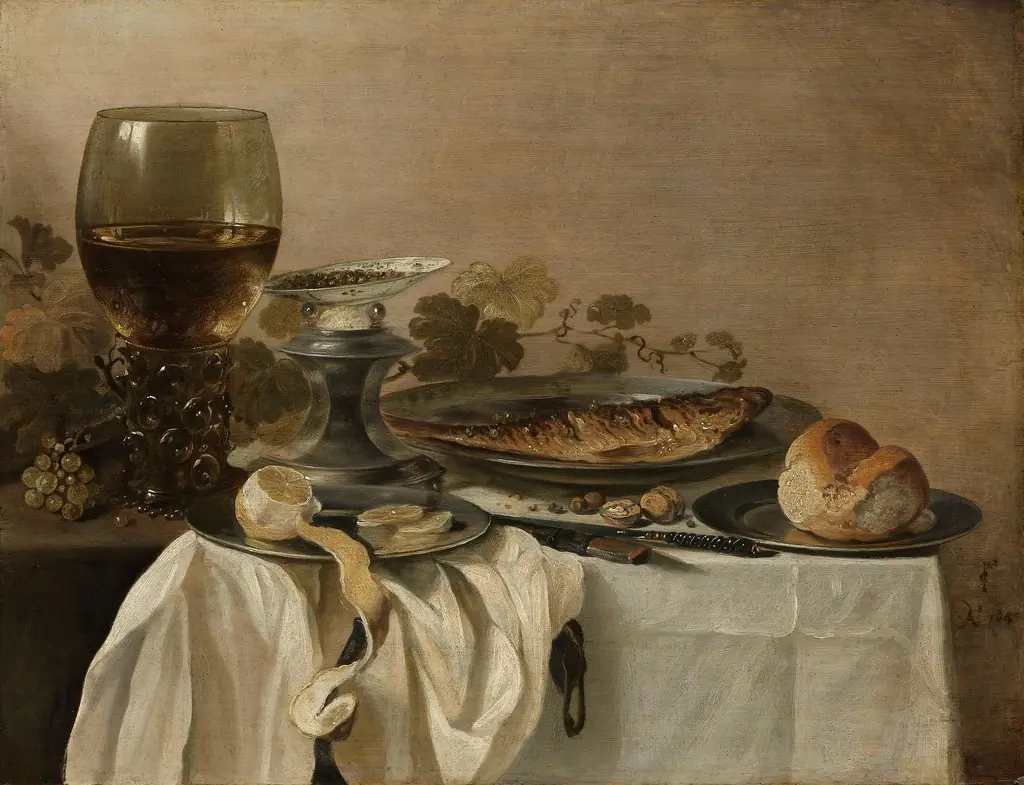 Still life with a fish
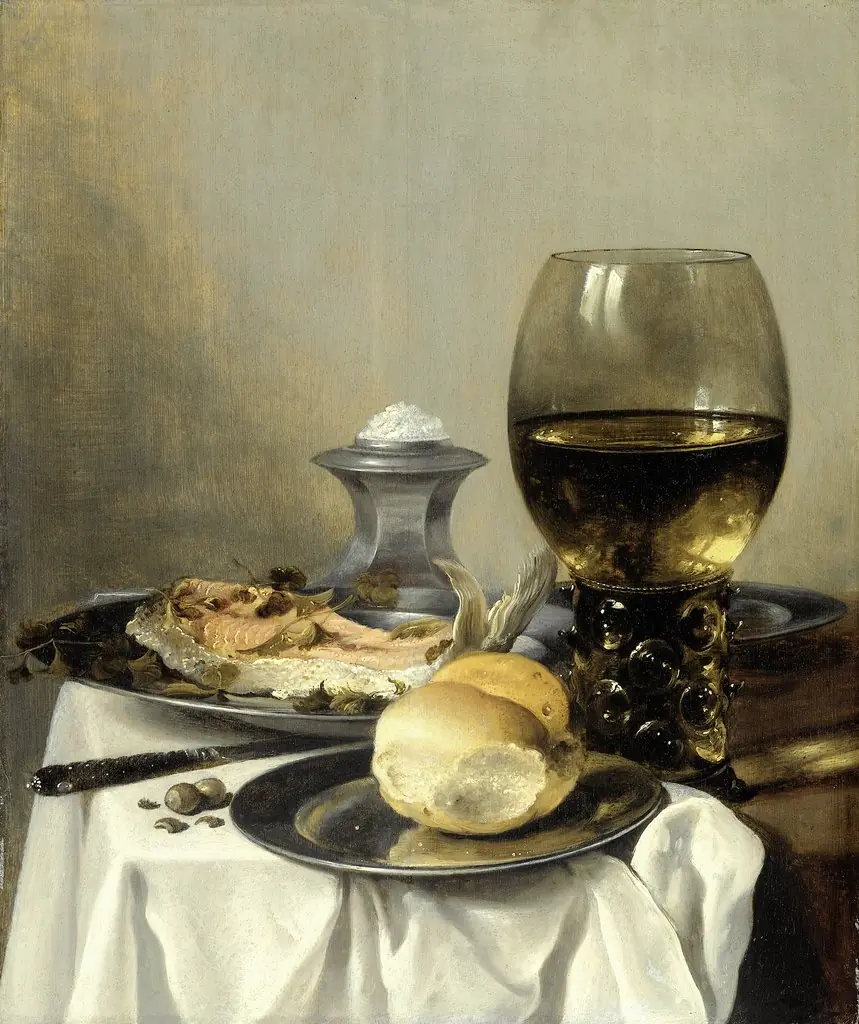 Still life with a salt cellar
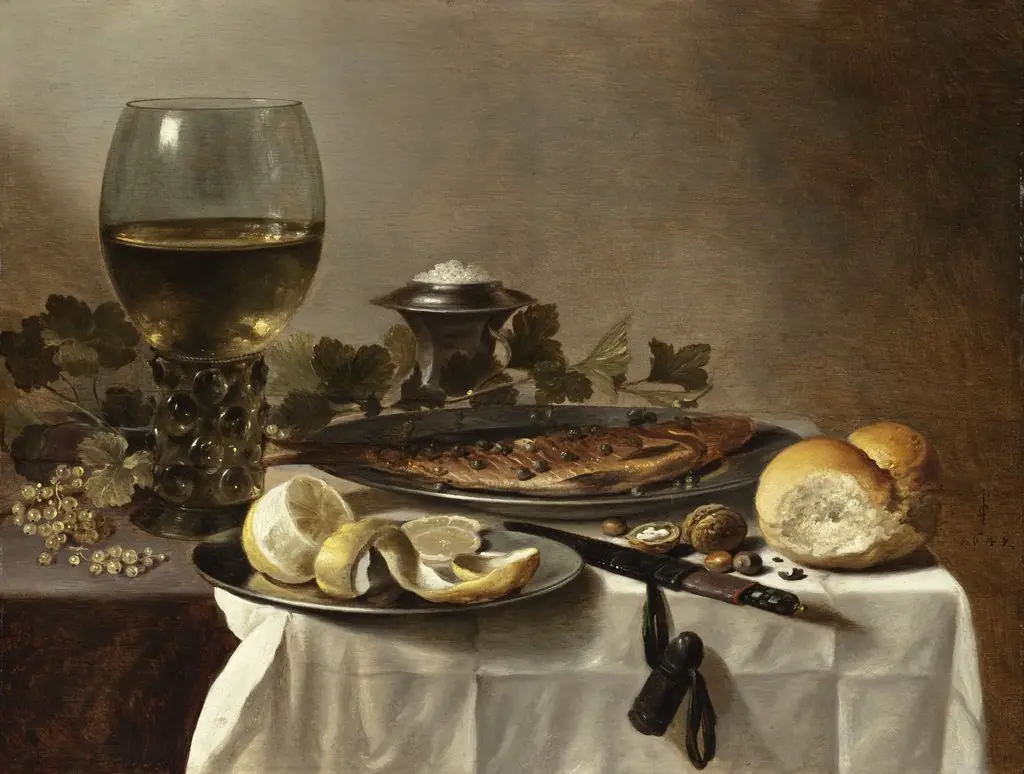 Still Life with Herring, Wine and Bread
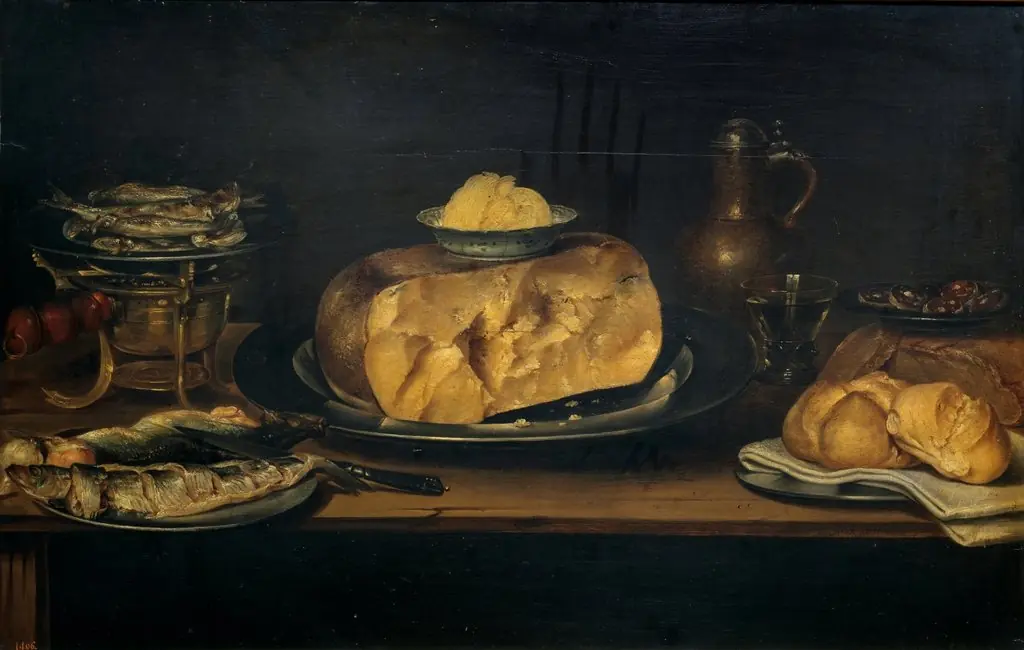 Still life of a table with crockery, cheese, sausage and fish
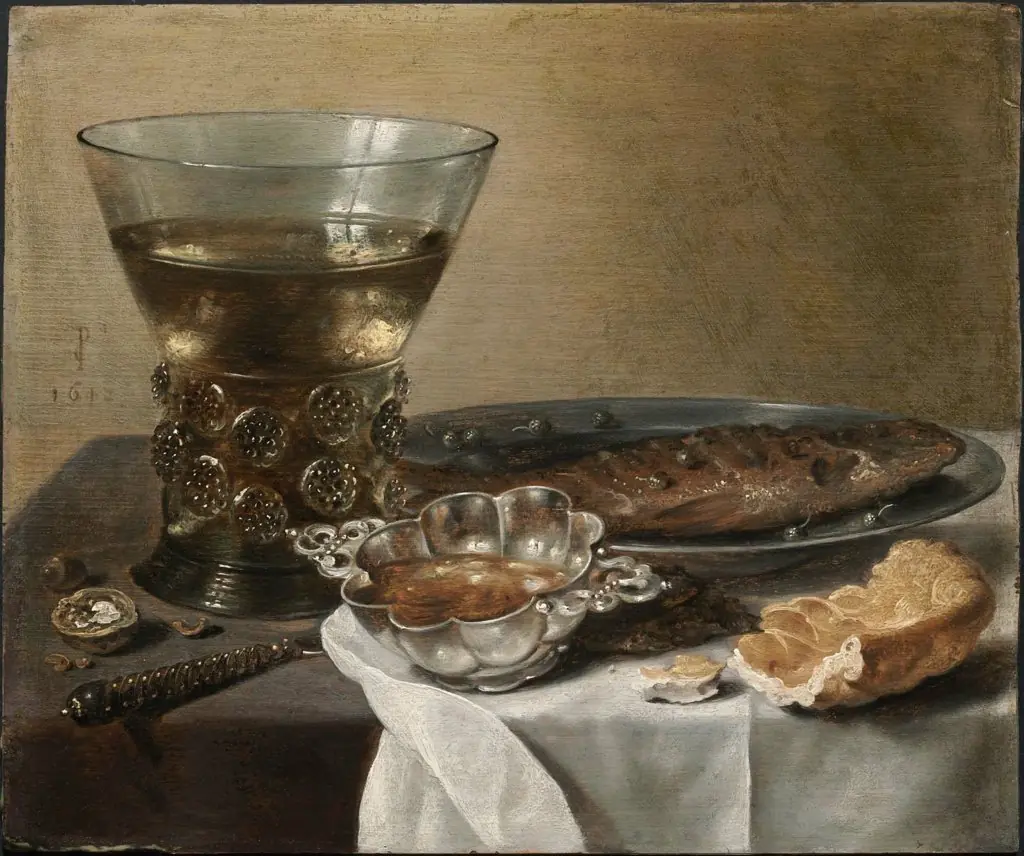 Still Life with Silver Brandy Bowl, Wine Glass, Herring, and Bread
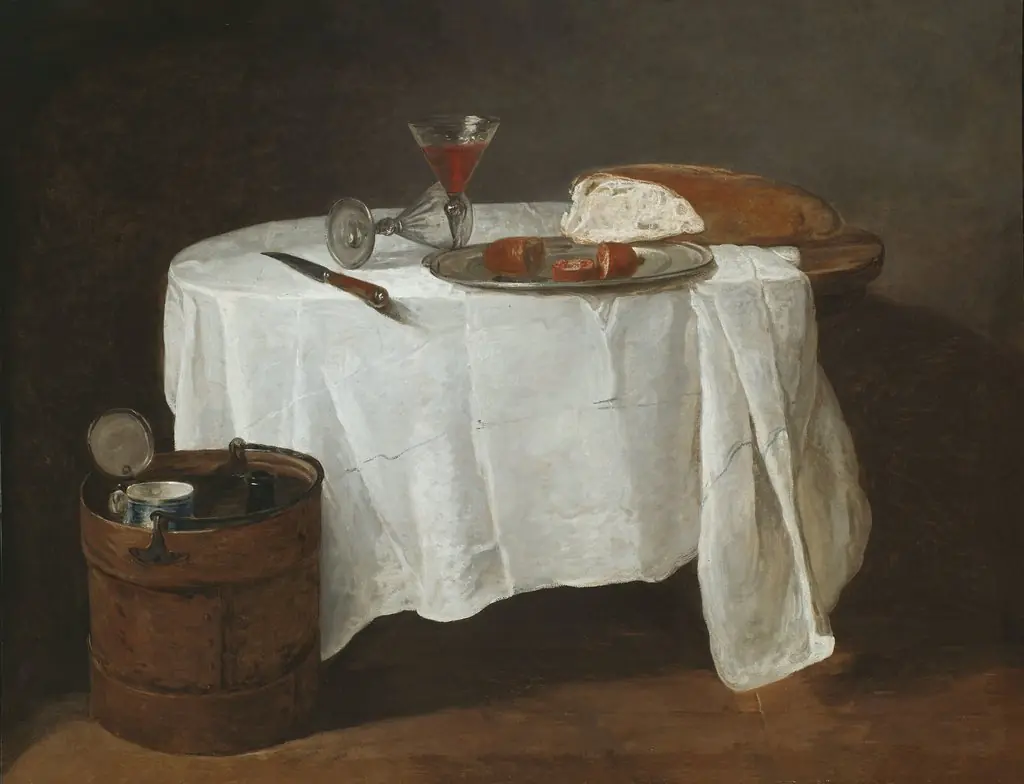 The White Tablecloth
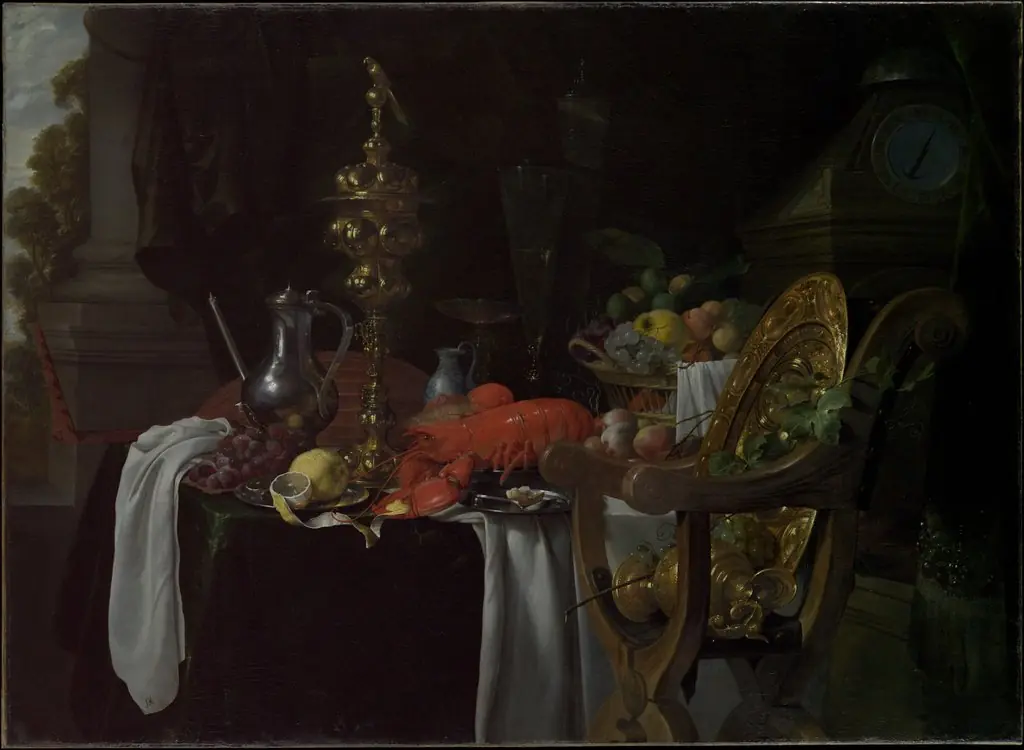 Still Life: A Banqueting Scene
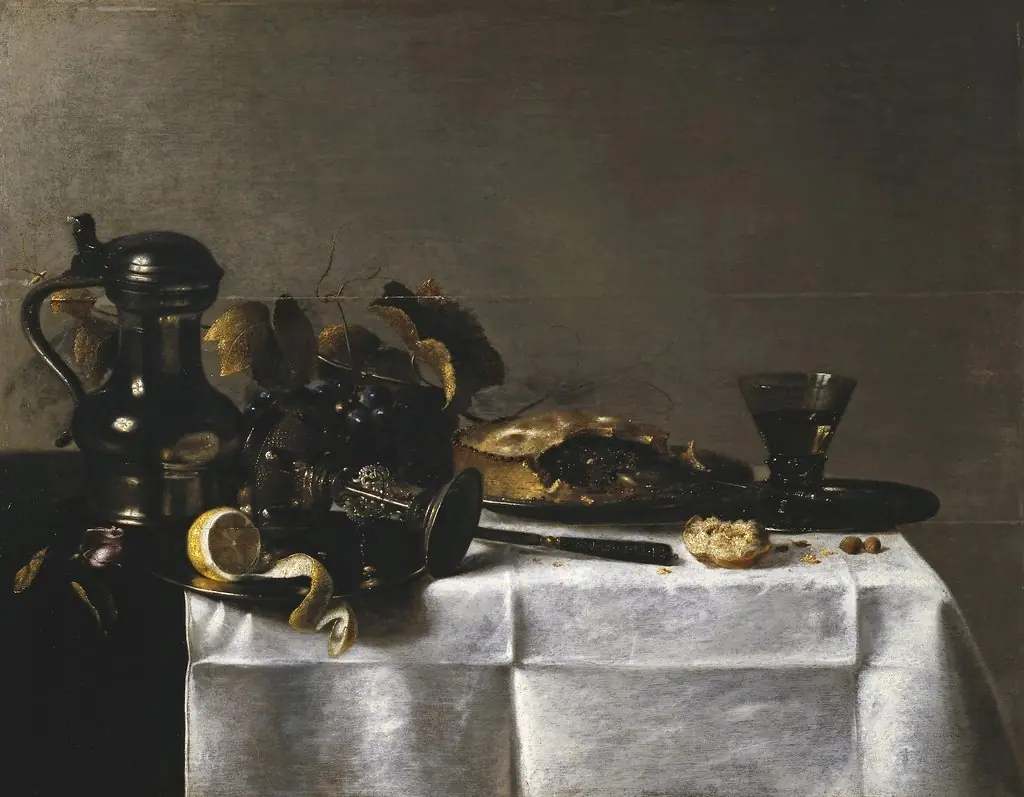 Breakfast
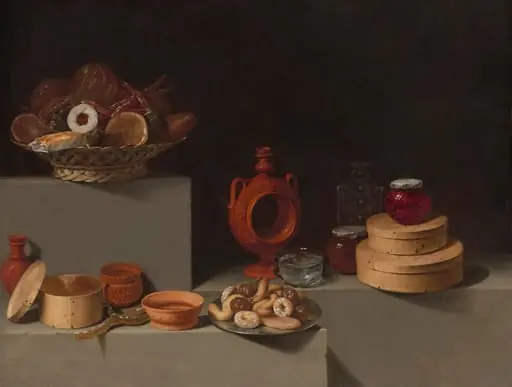 Still Life with Sweets and Pottery
 Still life of laid table with cheese