Artwork
Saint Paul
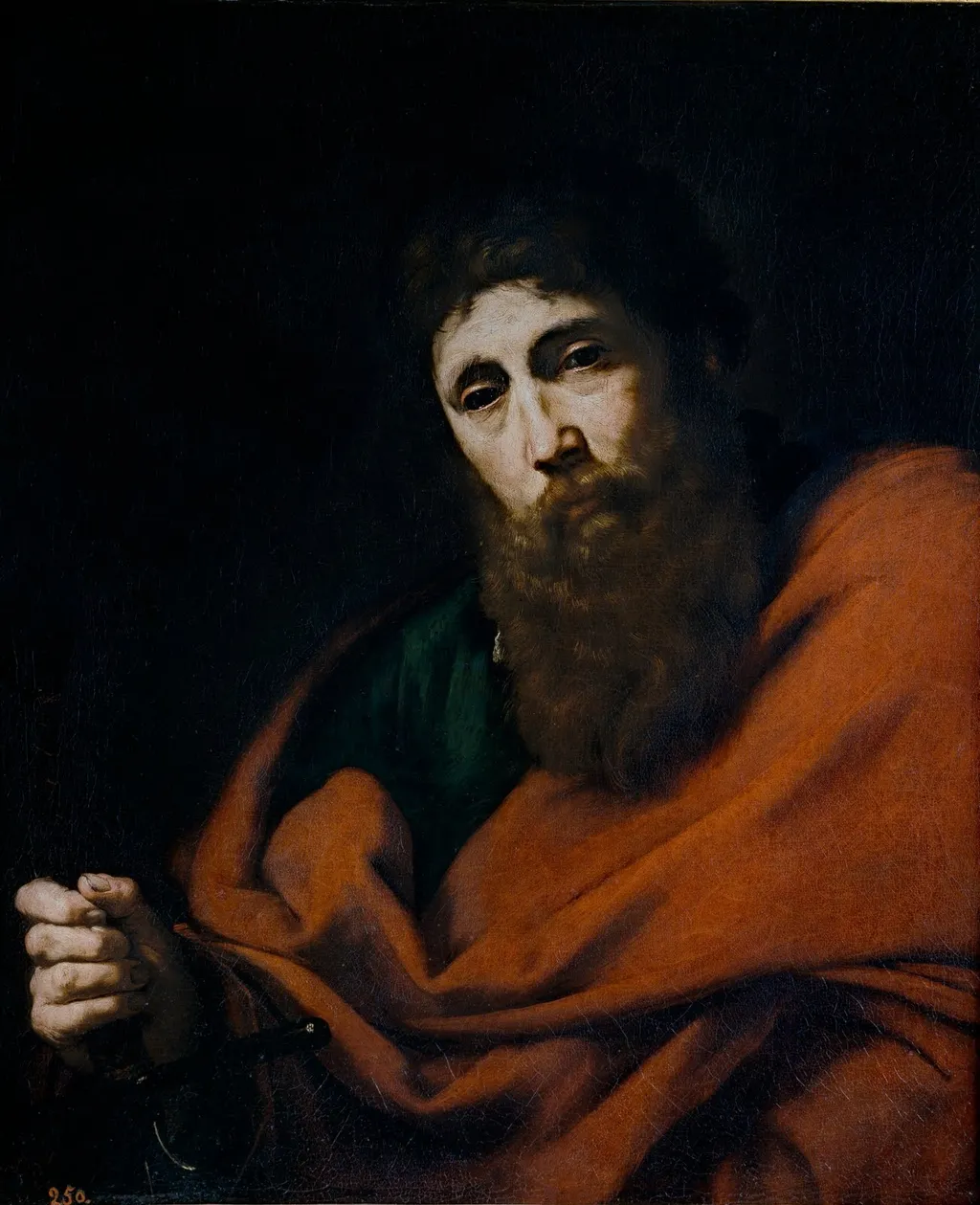
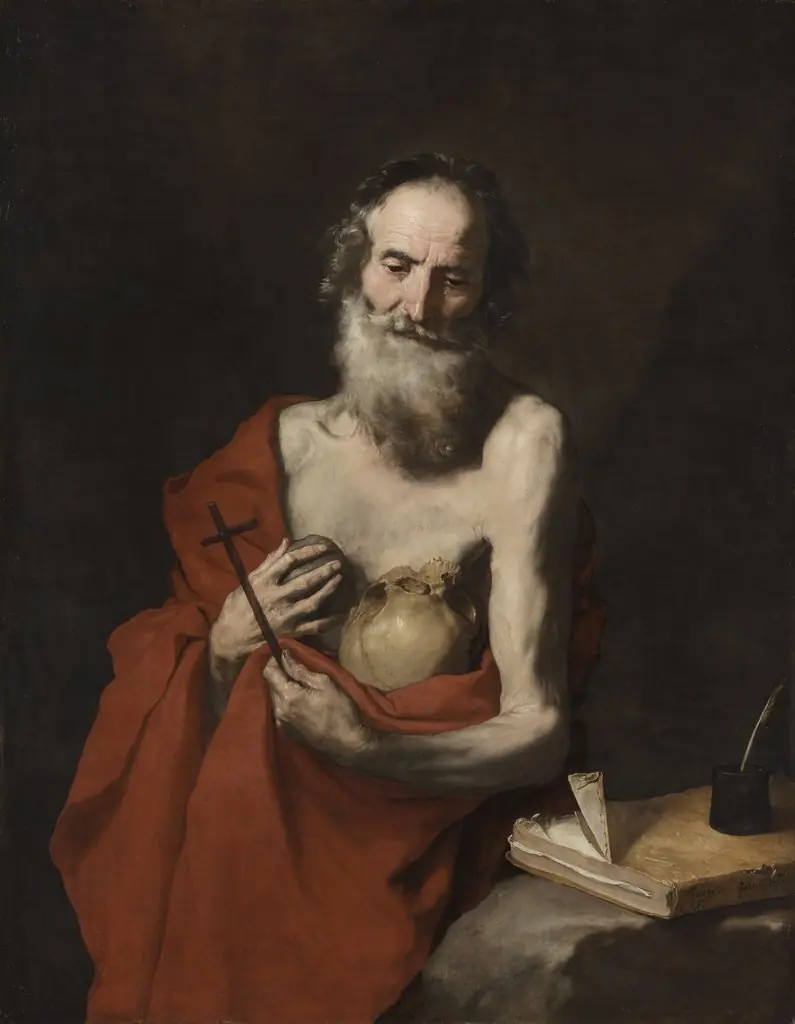
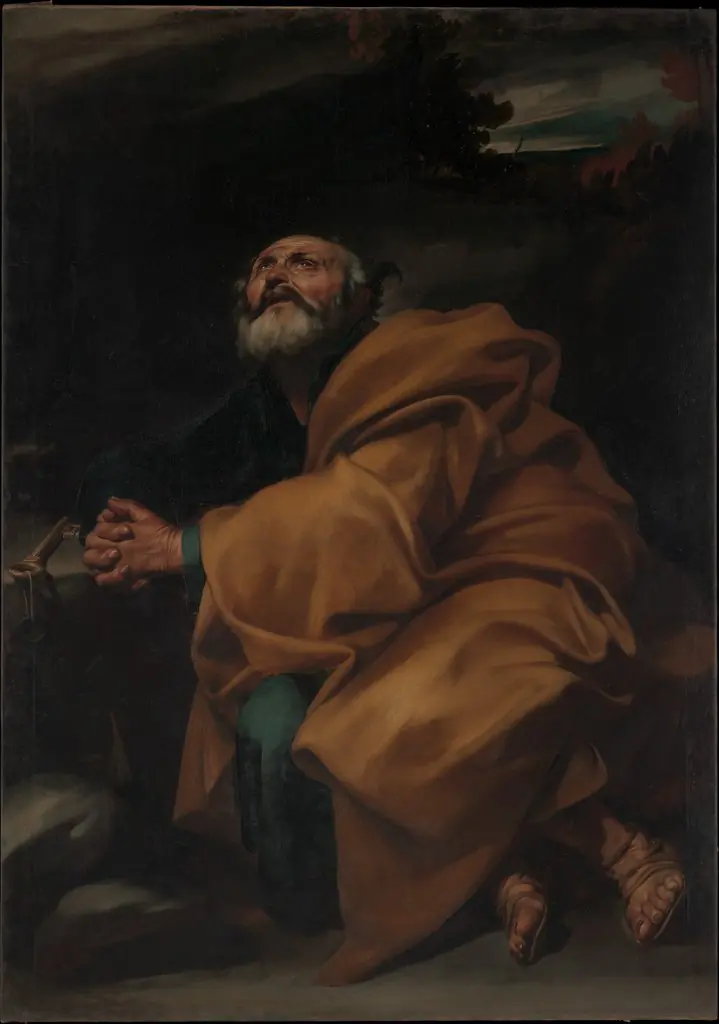
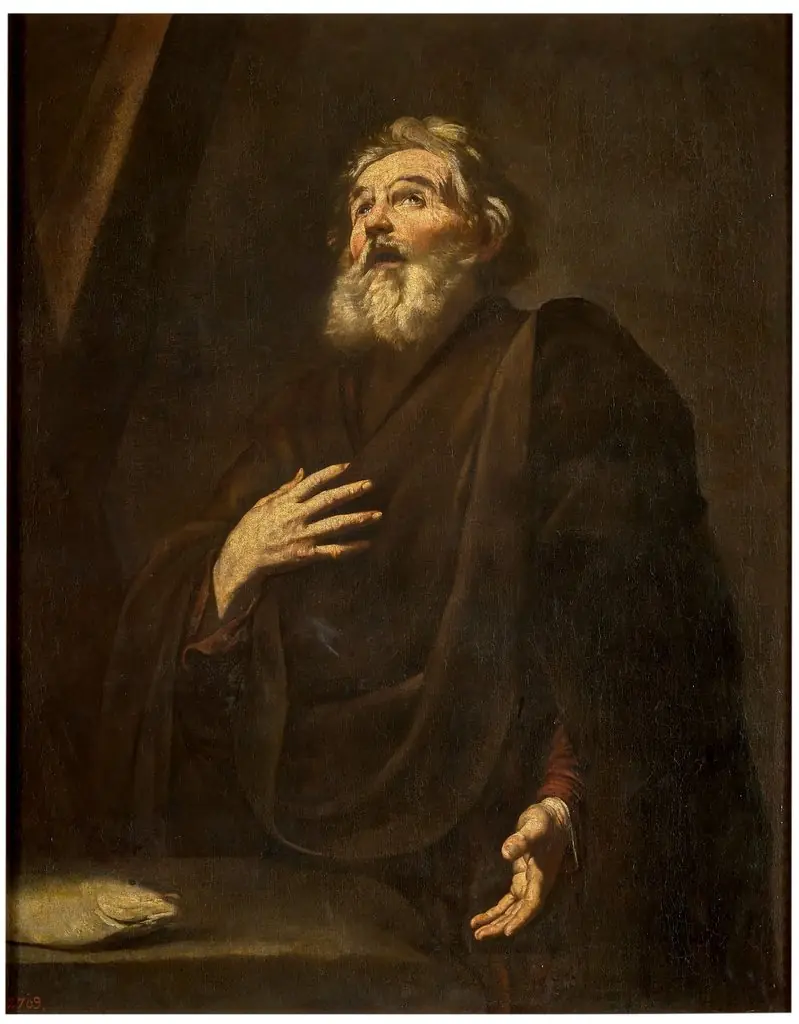
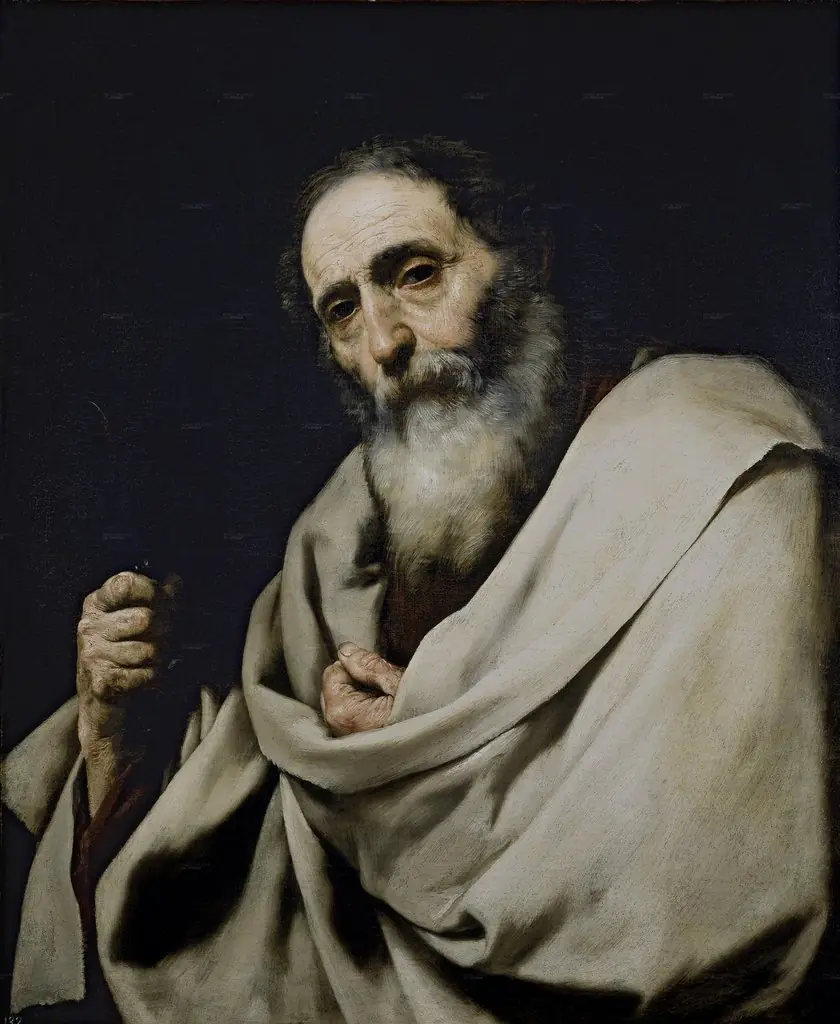
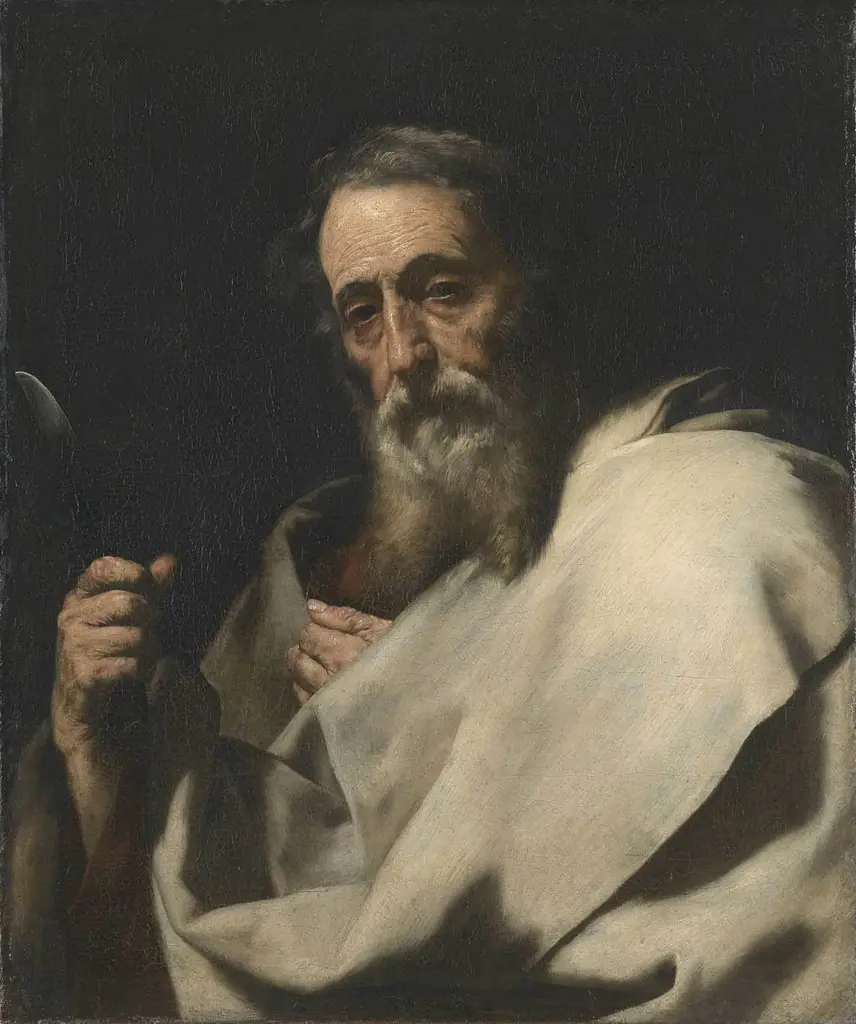
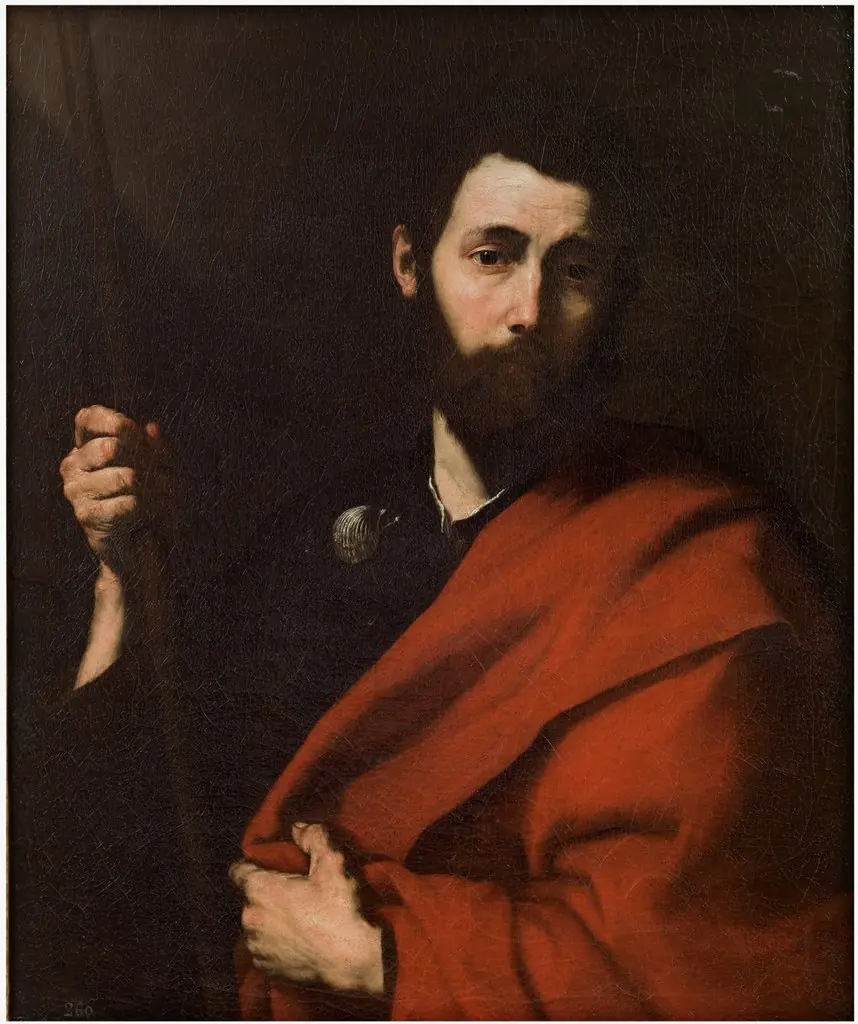
Saint Paul is an oil painting by the Early Baroque Italian artist Jusepe de Ribera. It dates from 1630 and is held in the collection of the Museo del Prado.
About this work
Overview
Ribera, a Spanish artist based in Naples, aligned with the Italian Baroque tradition through his focus on physical presence and emotional gravity.
Painted in 1630 by Jusepe de Ribera, this oil-on-canvas work portrays Saint Paul as a contemplative, earthbound figure. Ribera, a Spanish artist based in Naples, aligned with the Italian Baroque tradition through his focus on physical presence and emotional gravity. The painting is part of the Museo del Prado’s permanent collection in Madrid, where it remains a quiet example of devotional realism from the early 17th century.
Subject & Meaning
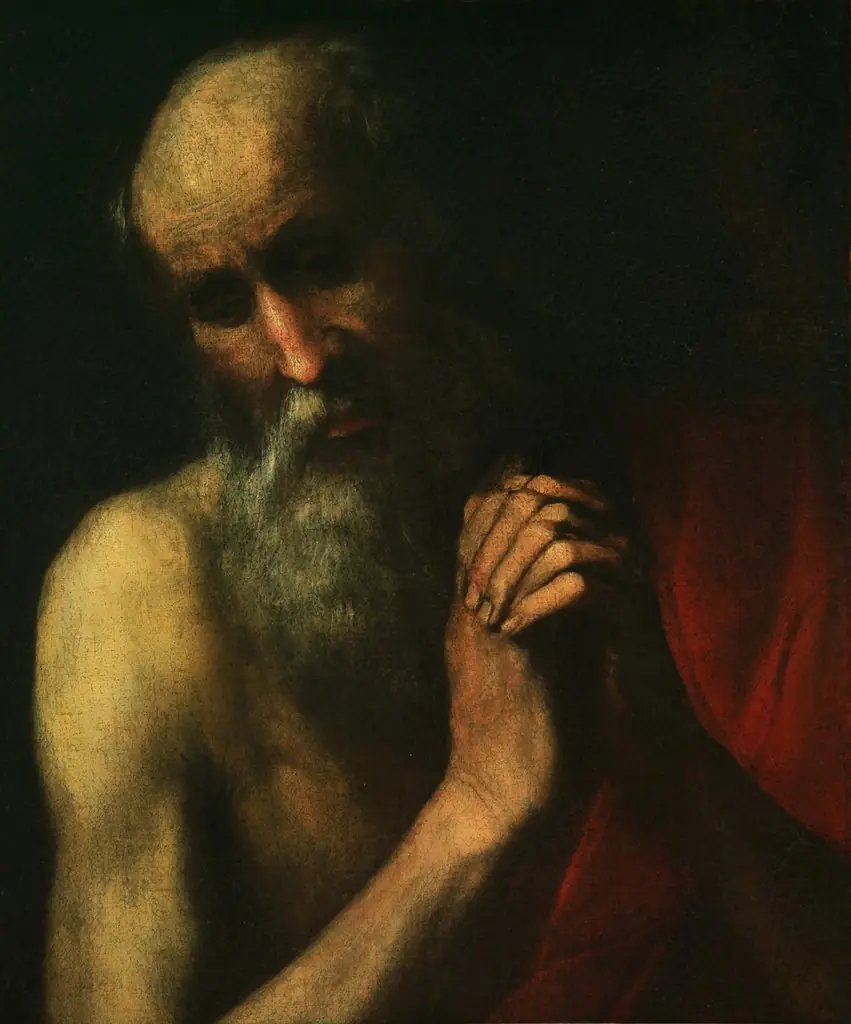
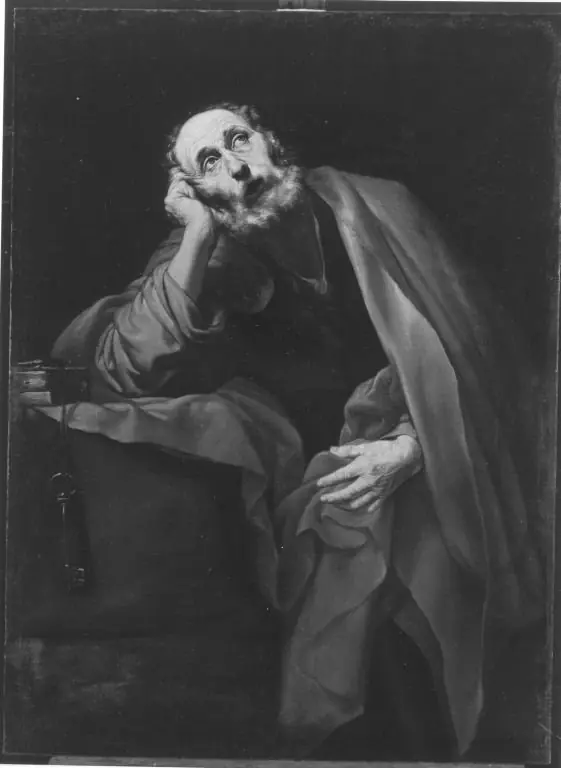
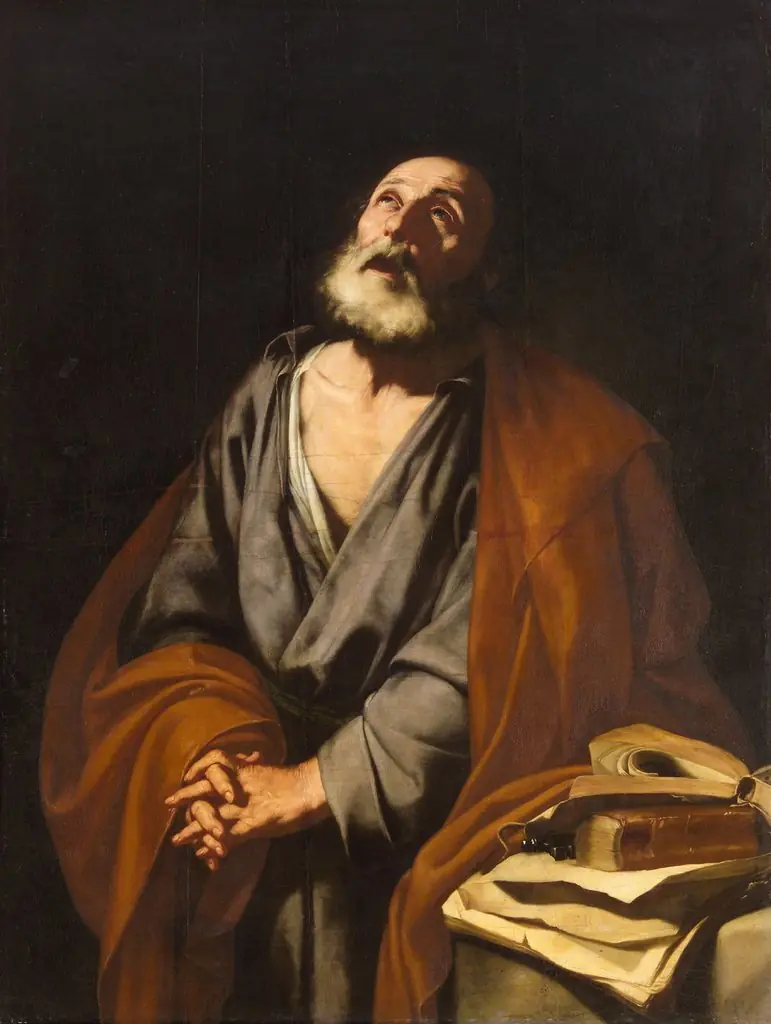
The figure is identified as Saint Paul, one of Christianity’s foundational apostles, rendered not as a celestial being but as a weary scholar. His clenched fist and downward gaze suggest inner turmoil or deep reflection, possibly on divine revelation or personal sacrifice. The modest attire and unidealized features emphasize humility and human vulnerability, aligning with Counter-Reformation ideals that valued authentic piety over grandeur.
Technique & Style
Ribera employs chiaroscuro to model the saint’s form with stark contrasts between shadow and light, giving volume to the drapery and face. The dark, undefined background isolates the figure, intensifying focus on his expression and gesture. Brushwork is restrained yet precise, particularly in the rendering of textured beard and fabric folds, reflecting a tenebrist approach influenced by Caravaggio but tempered by Ribera’s own somber sensibility.
History & Provenance
Commissioned during Ribera’s mature period in Naples, the painting entered Spanish royal collections likely through the network of Habsburg patrons connected to the Neapolitan court. It was later transferred to the Prado, where it has remained since the 19th century. No significant alterations or reworkings are documented, preserving its original tonal balance and compositional integrity.
Context
Created during the height of the Counter-Reformation, the image responds to Church demands for emotionally resonant religious imagery that inspired devotion through realism. Unlike idealized Renaissance saints, Ribera’s Paul is marked by age and wear, reflecting the era’s preference for figures who embodied spiritual struggle rather than divine perfection. The painting aligns with broader trends in Southern European art that prioritized psychological depth over ornamentation.
Legacy
Though not among Ribera’s most widely reproduced works, *Saint Paul* exemplifies his distinctive fusion of naturalism and spiritual gravity. It influenced later Spanish painters who sought to convey religious intensity through unadorned human presence. The painting endures as a testament to the Baroque capacity to elevate quiet introspection into a form of sacred witness.
Own this work as a print
Artist & collection
Artist
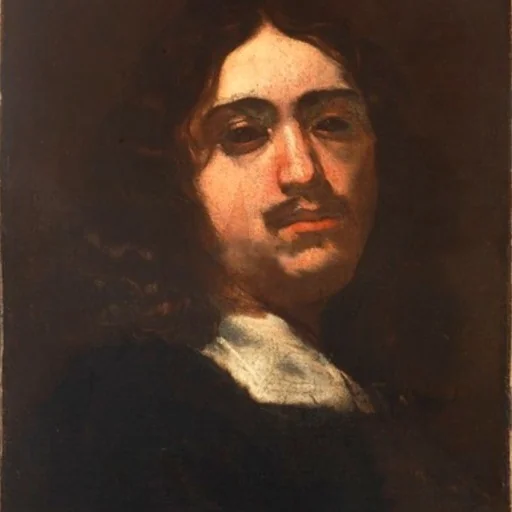
Jusepe de Ribera (Valencian: ; baptised 17 February 1591 – 3 November 1652) was a Spanish painter and printmaker.