Artwork
Tityos
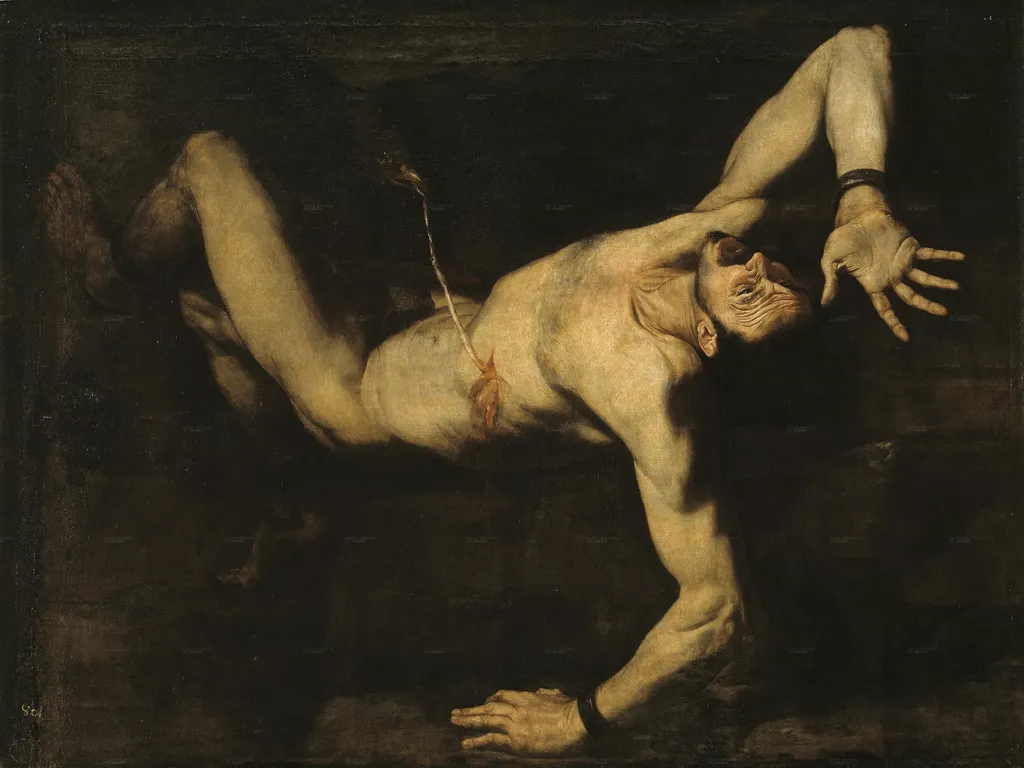
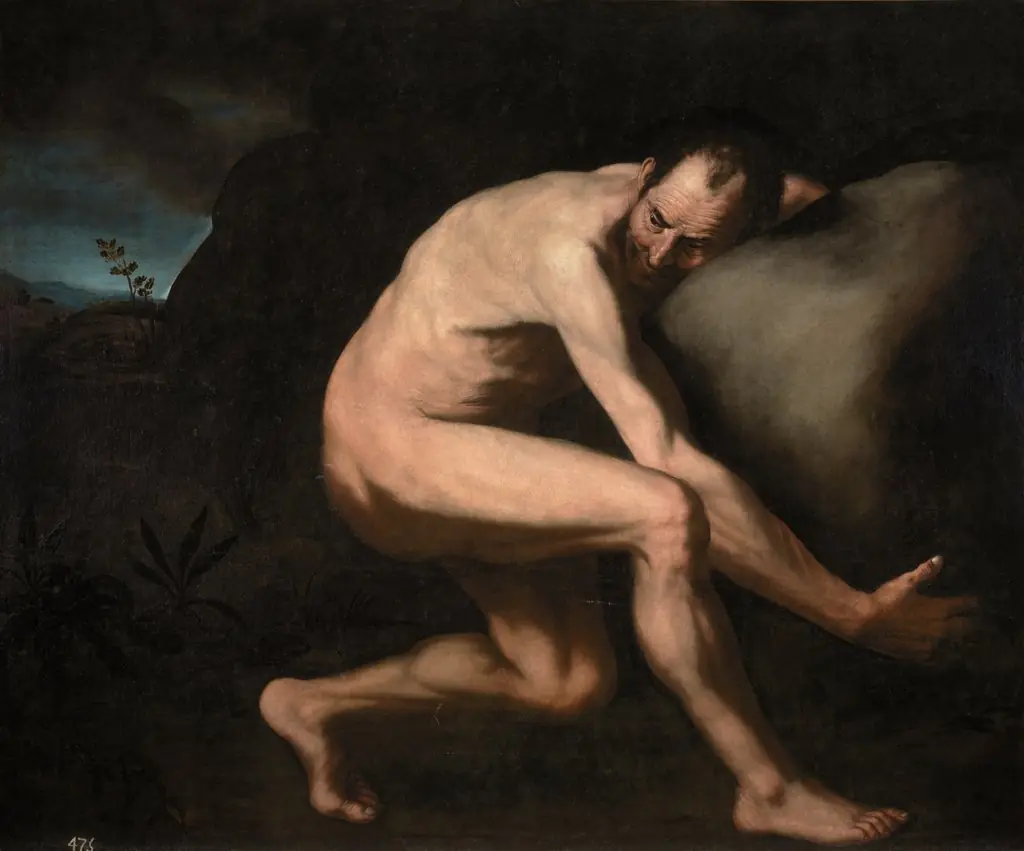
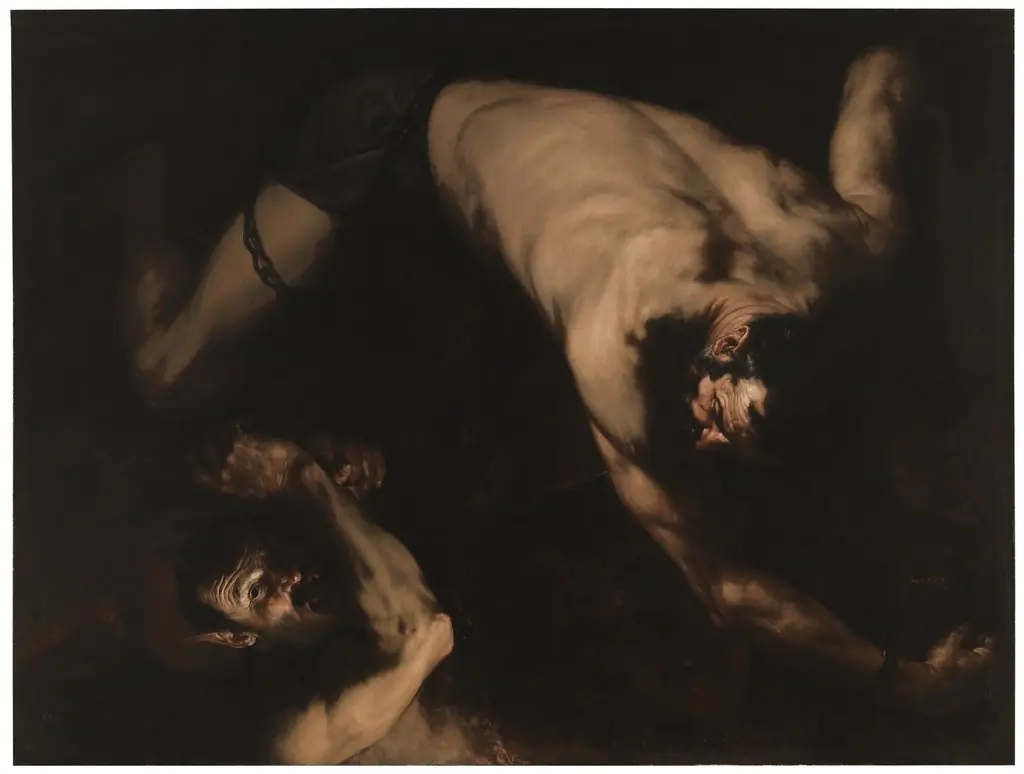
Tityos is an oil painting by the Early Baroque Italian artist Jusepe de Ribera. It dates from 1632 and is held in the collection of the Museo del Prado.
About this work
Overview
Tityos is a 1632 oil painting by Jusepe de Ribera, depicting the mythological figure Tityos undergoing torture. It is one of two surviving works from a series of four, originally commissioned for unknown patrons, possibly of royal stature, due to the large format and thematic emphasis on punishment for rebellion against authority.
Subject & Meaning
The painting illustrates the myth of Tityos, a giant punished for his rebellion against the gods. The scene focuses on the physical and emotional anguish of the figure, conveying the consequences of defiance against divine authority.
Technique & Style
Ribera employs chiaroscuro to dramatic effect, juxtaposing a dark, nearly black background with strong lighting on the twisted, muscular body. This contrast highlights the figure's suffering, emphasized by the contorted face and the subtle suggestion of a wound.
History & Provenance
Initially part of a set for the Buen Retiro Palace, purchased in 1634 by Jerónimo de Villanueva, the painting remained there until the 18th century. It is now housed in the Prado Museum in Madrid, alongside the surviving companion piece, Ixion.
Context
Created during the Baroque period, the work reflects the era's fascination with intense emotion and dramatic lighting. The series' theme of punishment may also allude to the political climate of 17th-century Spain, emphasizing obedience to authority.
Legacy
As one of Ribera's notable works, Tityos contributes to the artist's reputation for capturing profound suffering through masterful use of light and shadow, influencing subsequent depictions of mythological torment in Western art.
Own this work as a print
Artist & collection
Artist
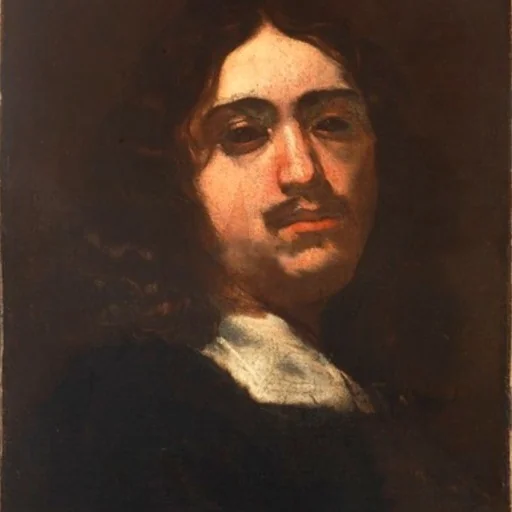
Jusepe de Ribera (Valencian: ; baptised 17 February 1591 – 3 November 1652) was a Spanish painter and printmaker.