Artwork
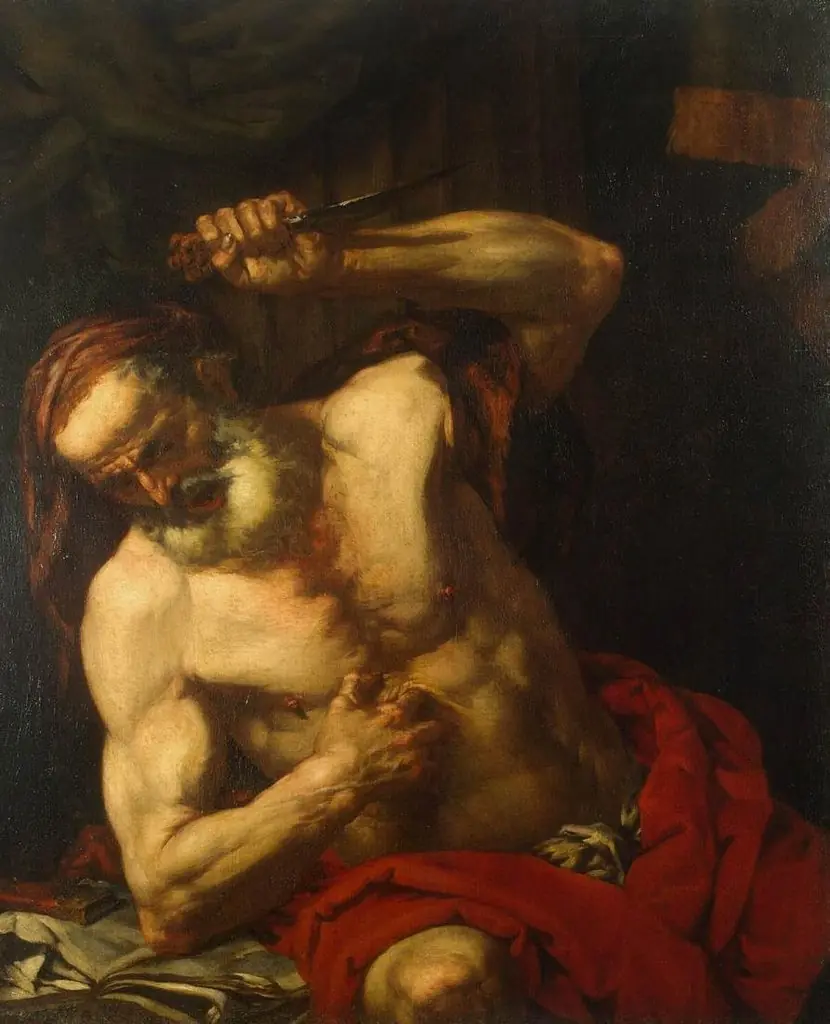
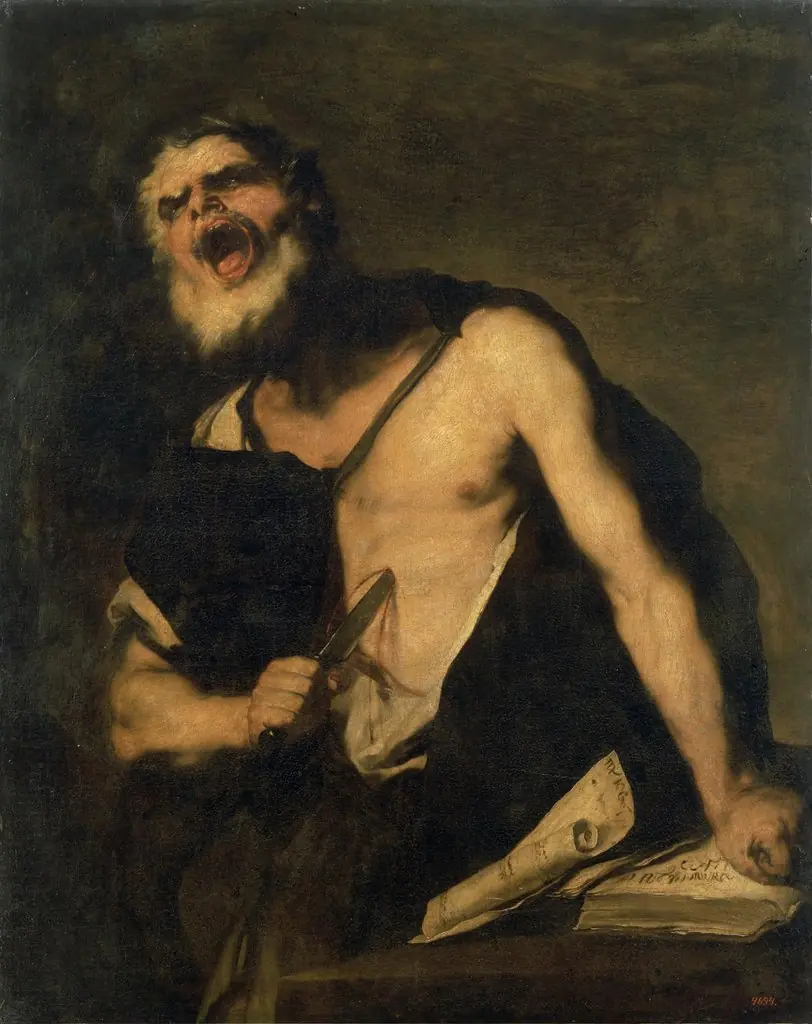
Suicide of Cato the Younger
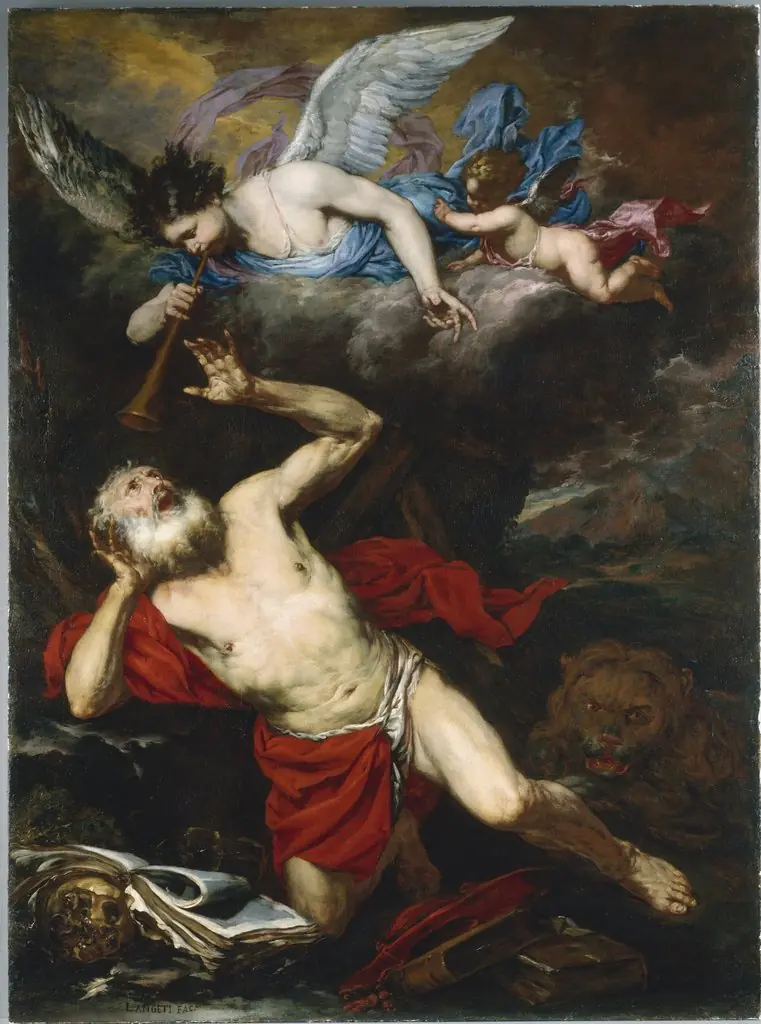
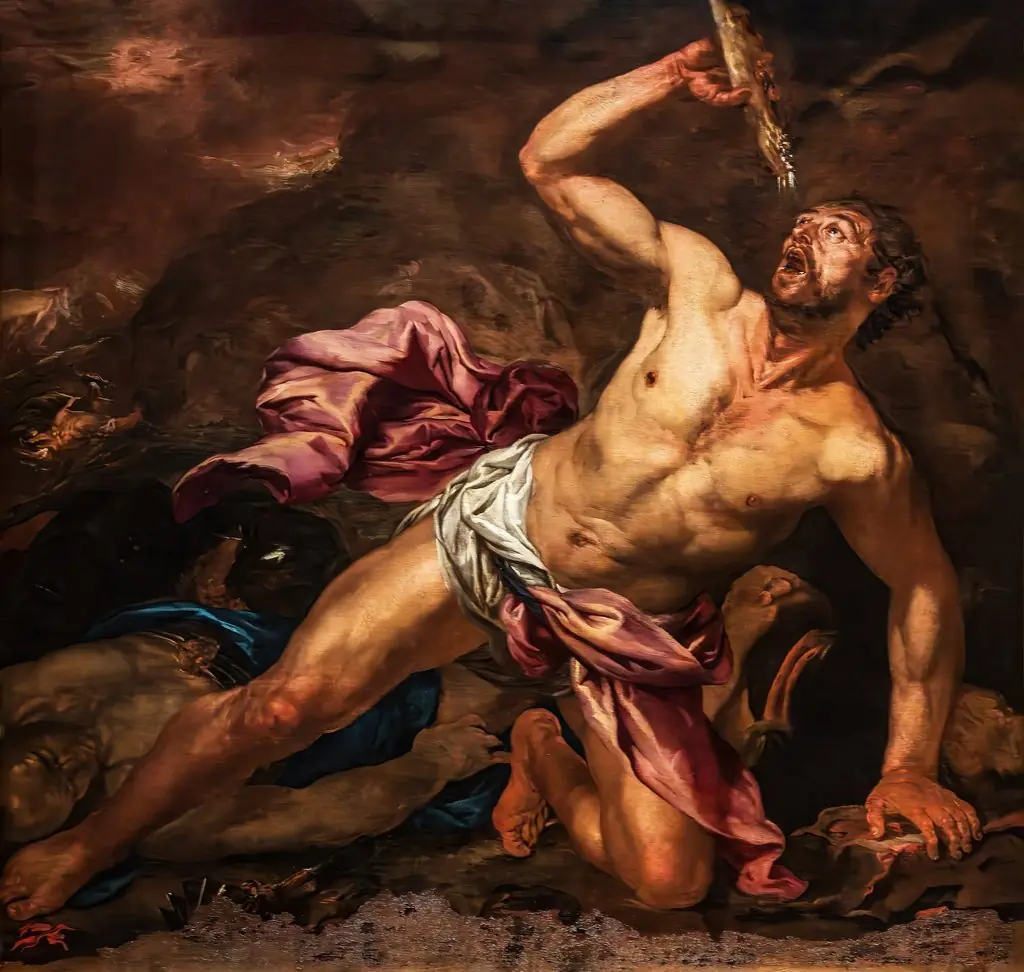
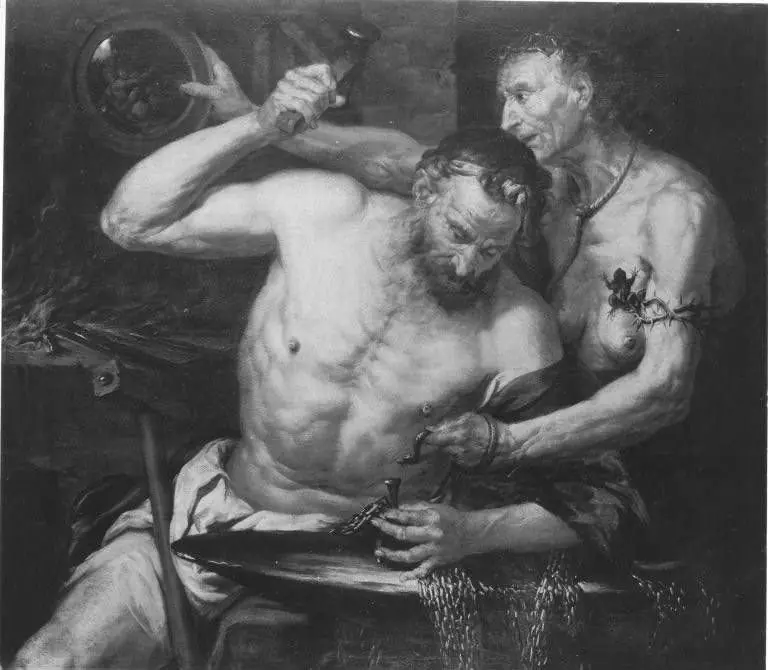
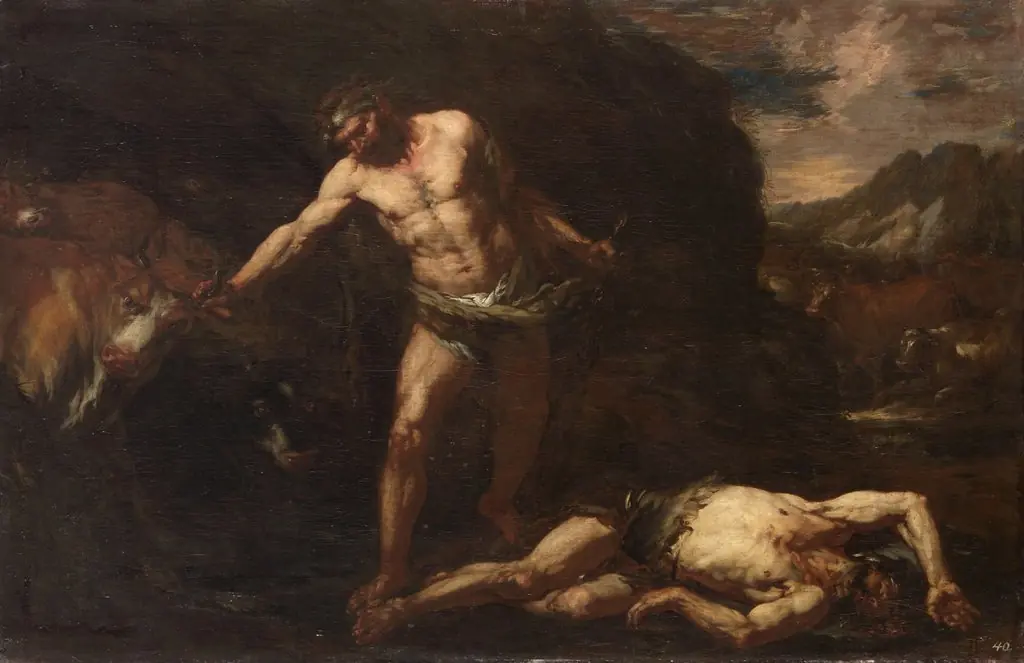
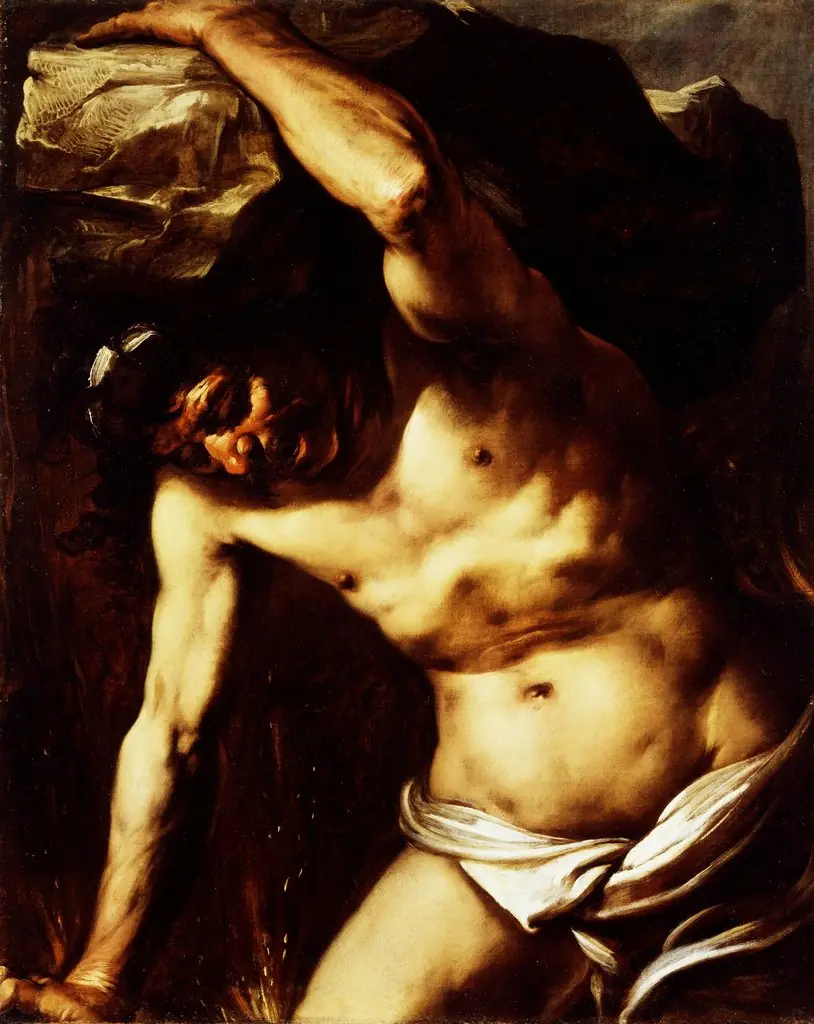
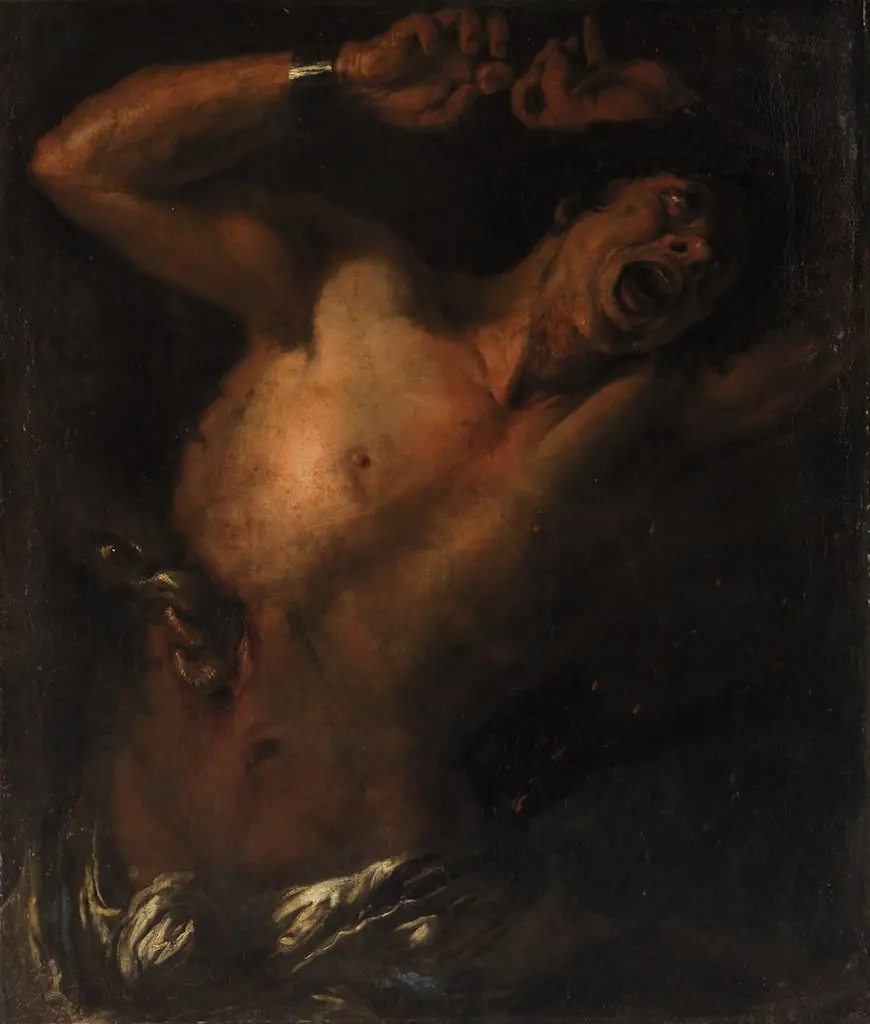
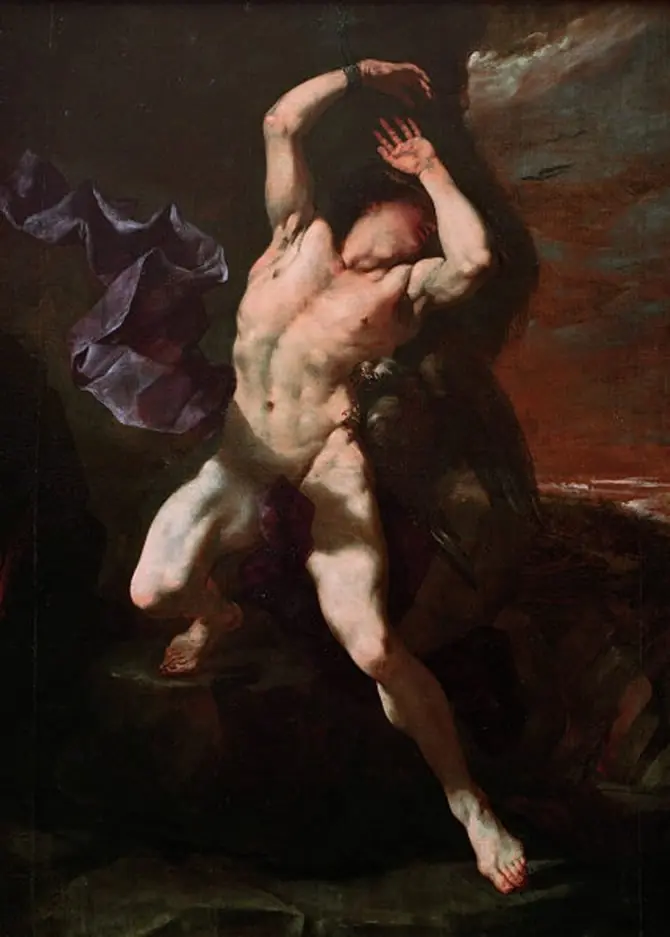
Suicide of Cato the Younger is an unspecified painting by the Mannerist artist Giovan Battista Langetti. It dates from 1660 and is held in the collection of the Kunsthistorisches Museum.
About this work
Overview
Suicide of Cato the Younger, a painting from circa 1660, is the work of Italian late-Baroque artist Giovan Battista Langetti. It is part of the Kunsthistorisches Museum's collection.
Subject & Meaning
The painting dramatizes the self-inflicted death of Cato the Younger, a Roman statesman renowned for his opposition to Julius Caesar, highlighting themes of political defiance and personal sacrifice.
Technique & Style
While the style is attributed to the late-Baroque period, the painting's specific techniques (e.g., composition, lighting) are not detailed in the provided information. It is noted to belong to the Mannerist movement, characterized by emotional intensity and dramatic poses.
History & Provenance
Created around 1660 by Giovan Battista Langetti, who was active in Genoa, Rome, and Venice, the painting is now held in the Kunsthistorisches Museum.
Context
The subject reflects the historical and political tensions of ancient Rome, with Cato's suicide symbolizing resistance against Caesar's rise. The choice of subject may also speak to 17th-century European political and philosophical debates.
Legacy
The painting's impact or influence on subsequent art or historical discourse is not specified in the provided information.
Artist & collection
Artist
Giovanni Battista Langetti (1635 – 22 October 1676), also known as Giambattista Langetti, was an Italian late-Baroque painter. He was active in his native Genoa, then Rome, and finally for the longest period in Venice.