Artwork
Portrait of Charles de Lorraine, fourth Duke of Guise in armour
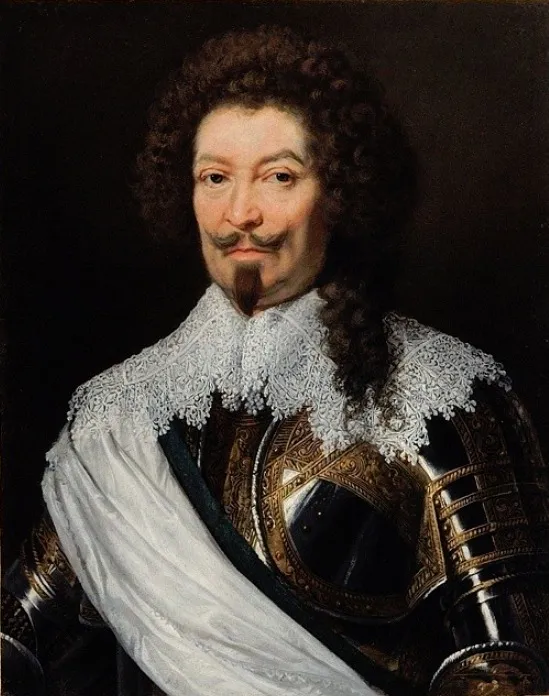
Portrait of Charles de Lorraine, fourth Duke of Guise in armour is an oil painting by the Flemish Baroque painting artist Justus Sustermans. It dates from 1632 and is held in the collection of the Uffizi Gallery.
About this work
Overview
The work reflects his role as a court painter to the Medici and his reputation for conveying status through meticulous detail and composed demeanor.
Painted in 1632 by Justus Sustermans, this oil portrait captures Charles de Lorraine, the fourth Duke of Guise, clad in ceremonial armor. Sustermans, a Flemish artist active in Florence, was renowned for his precise rendering of aristocratic subjects. The work reflects his role as a court painter to the Medici and his reputation for conveying status through meticulous detail and composed demeanor.
Subject & Meaning
Charles de Lorraine, a prominent French nobleman and military leader, is depicted not in action but in static, regal repose. The armor signifies his rank and martial role, while the lace collar and sash introduce elements of courtly refinement. His restrained expression and upright posture communicate authority without ostentation, aligning the portrait with ideals of noble composure in early 17th-century Europe.
Technique & Style
Sustermans employed oil paint to achieve fine gradations of light across the armor’s polished surfaces and the soft texture of the lace. Gold accents on the armor catch subtle highlights, contrasting with the deep, neutral background that isolates the figure. The brushwork is controlled yet expressive, emphasizing material richness and psychological presence without theatricality, characteristic of his Flemish Baroque approach.
History & Provenance
The portrait entered the Medici collections during Sustermans’s tenure in Florence, where he painted numerous European nobles. It later became part of the Uffizi Gallery’s holdings, likely through the consolidation of Medici art after the family’s extinction in 1737. Its continuous presence in institutional care suggests its recognized value as a representation of aristocratic identity in the early modern period.
Context
In the 1630s, European elites commissioned portraits to affirm lineage and political standing. Sustermans, working across courts in Italy and the Holy Roman Empire, bridged Flemish realism with Italian elegance. This portrait reflects the transnational nature of aristocratic culture, where French nobility like the Guises were depicted by foreign artists in Italian centers of art and diplomacy.
Legacy
The portrait endures as an example of Sustermans’s skill in capturing the quiet dignity of aristocracy. While not widely exhibited outside the Uffizi, it remains a reference point for studies of court portraiture in the Baroque era. Its preservation underscores the importance of visual representation in maintaining noble identity beyond the battlefield and into the realm of art.
Artist & collection
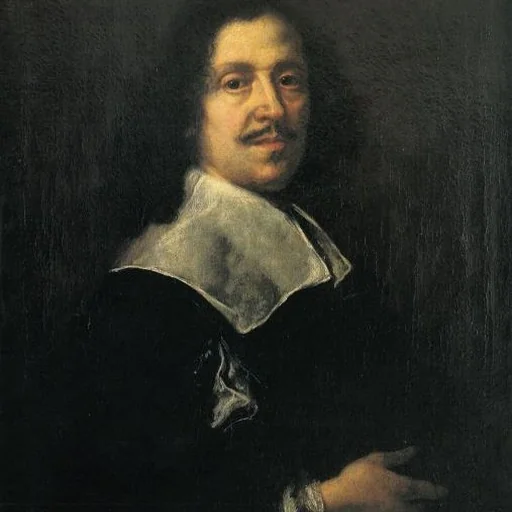
Artist
Justus Sustermans, Joost Sustermans or Suttermans, his given name Italianised to Giusto (28 September 1597 – 23 April 1681), was a Flemish painter and draughtsman who is mainly known for his portraits.

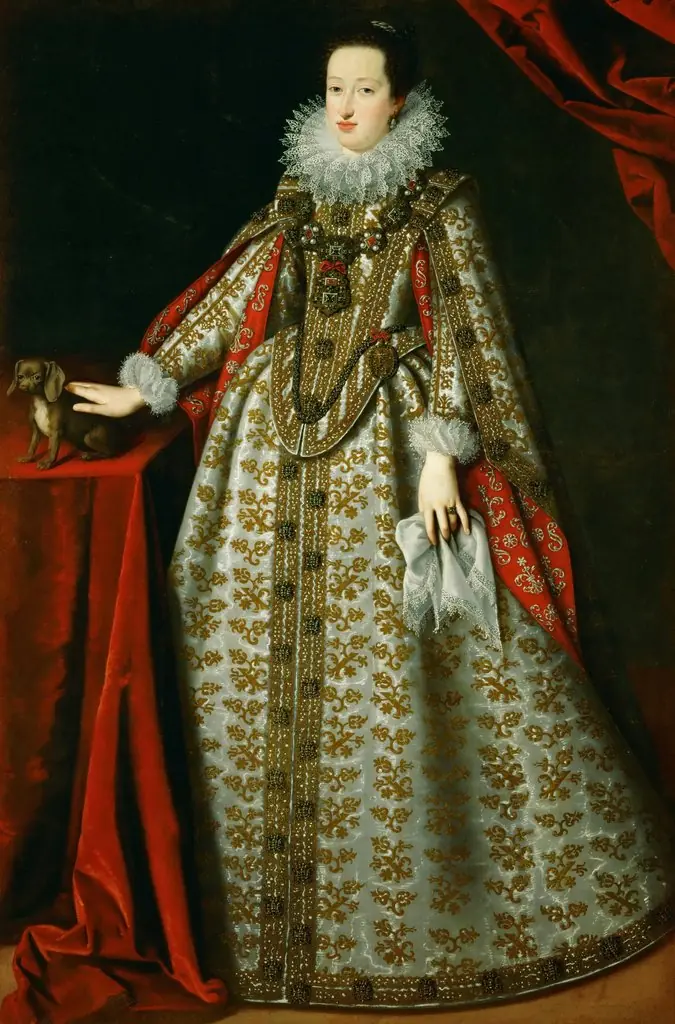 Portrait of Eleonore von Gonzaga (1598-1655), wife of Ferdinand II
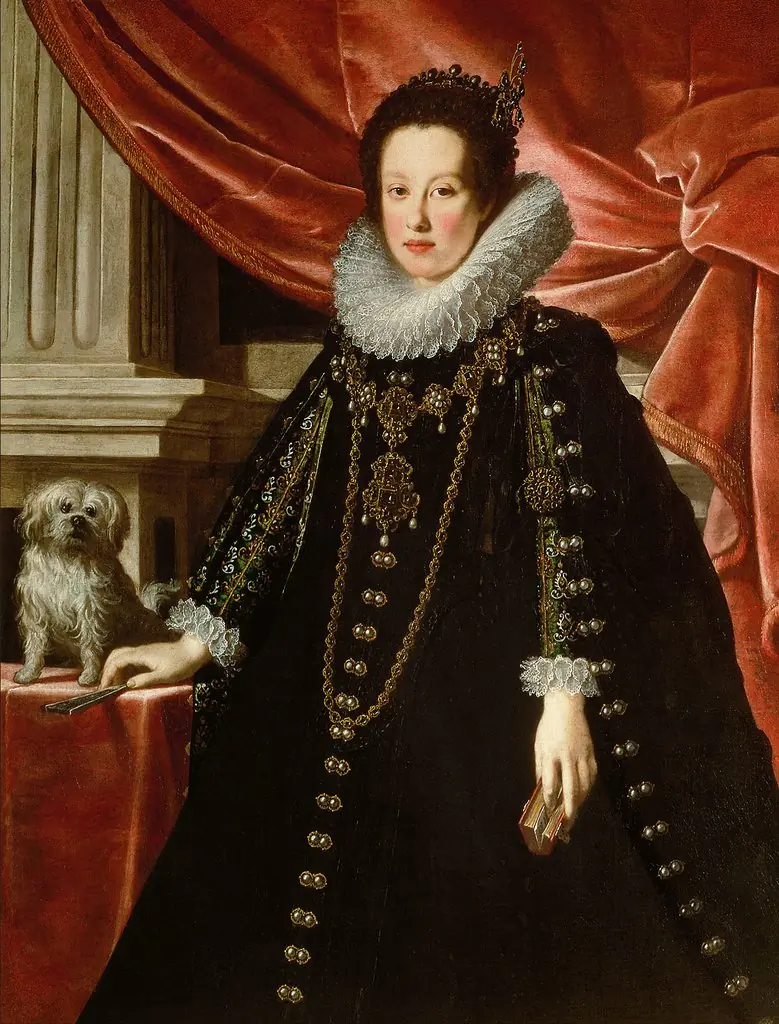 Portrait of Anna de' Medici (1616-1676), Archduchess with her Lapdog
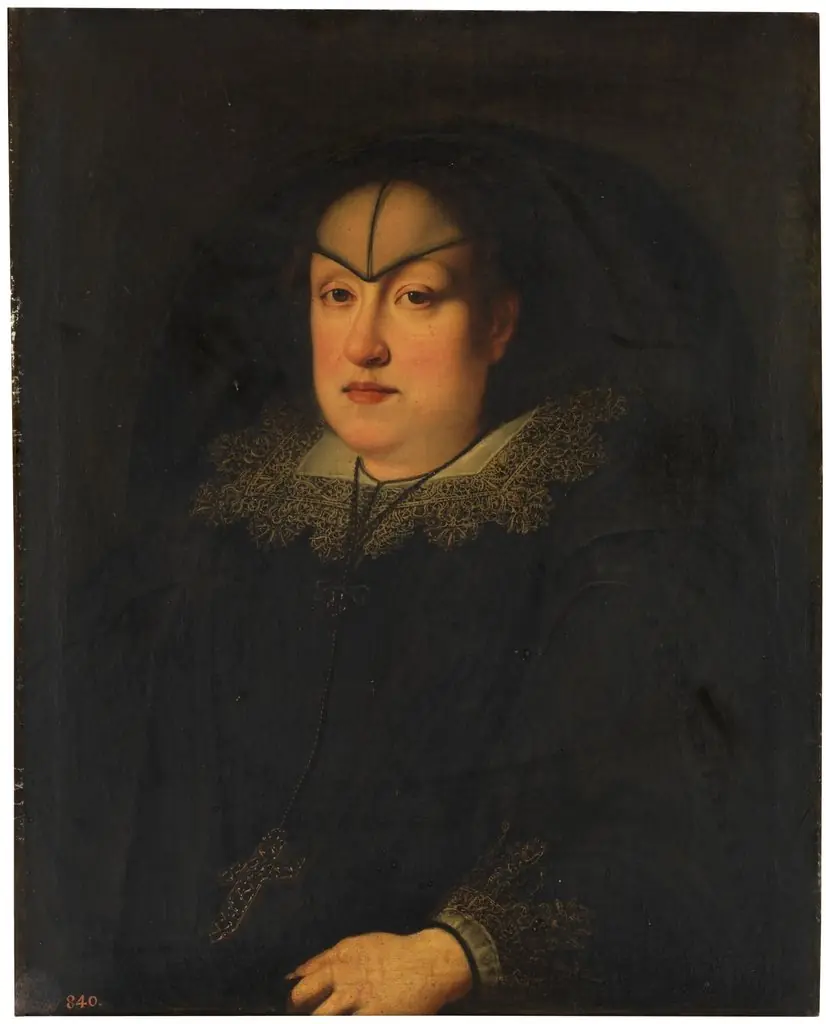 Portrait of Maria Maddalena of Austria as a widow
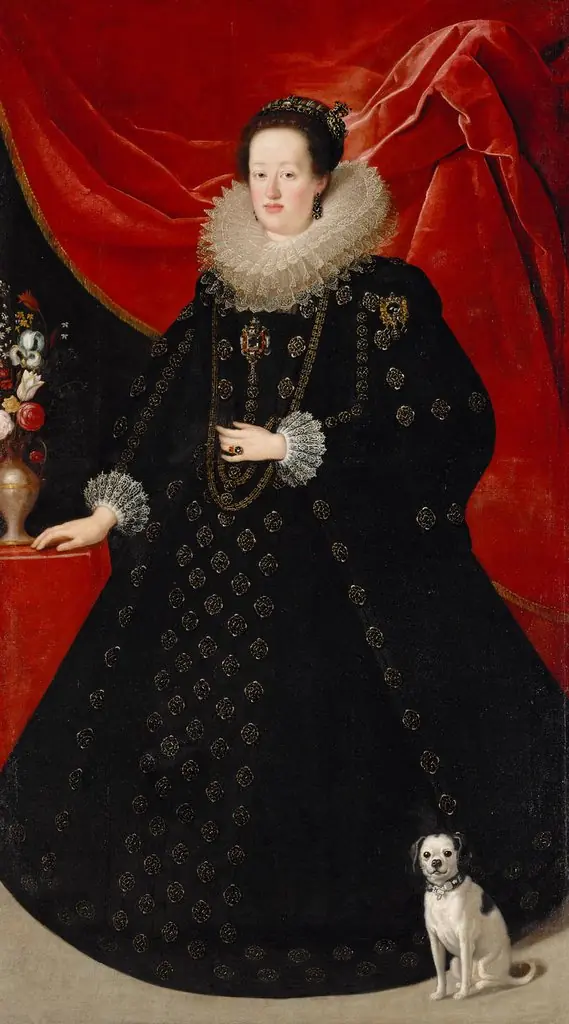 Portrait of Eleonore von Gonzaga (1598-1655), Empress in Black Dress
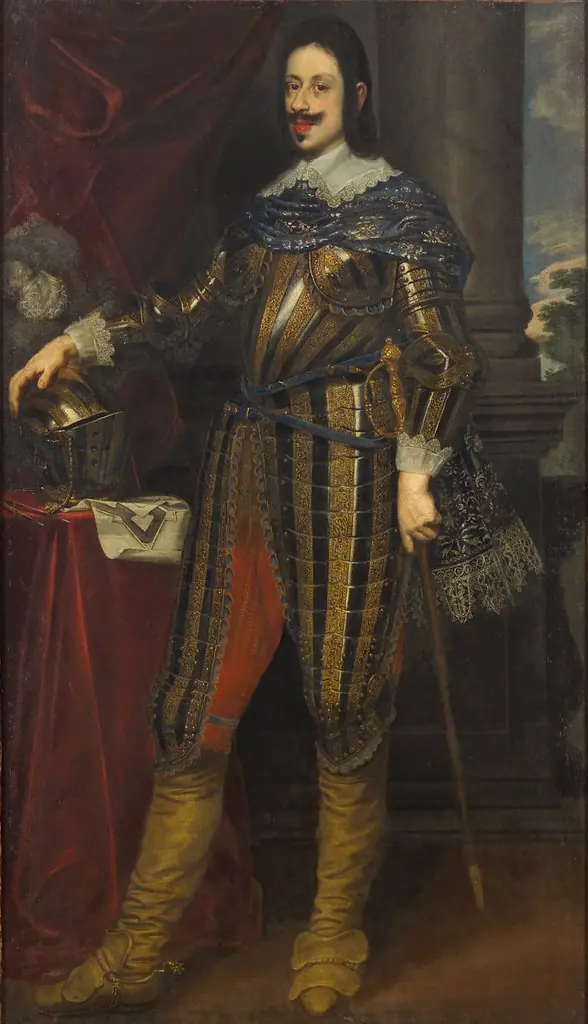 Grand-duke Ferdinand II of Tuscany (1610-1670) in Armour
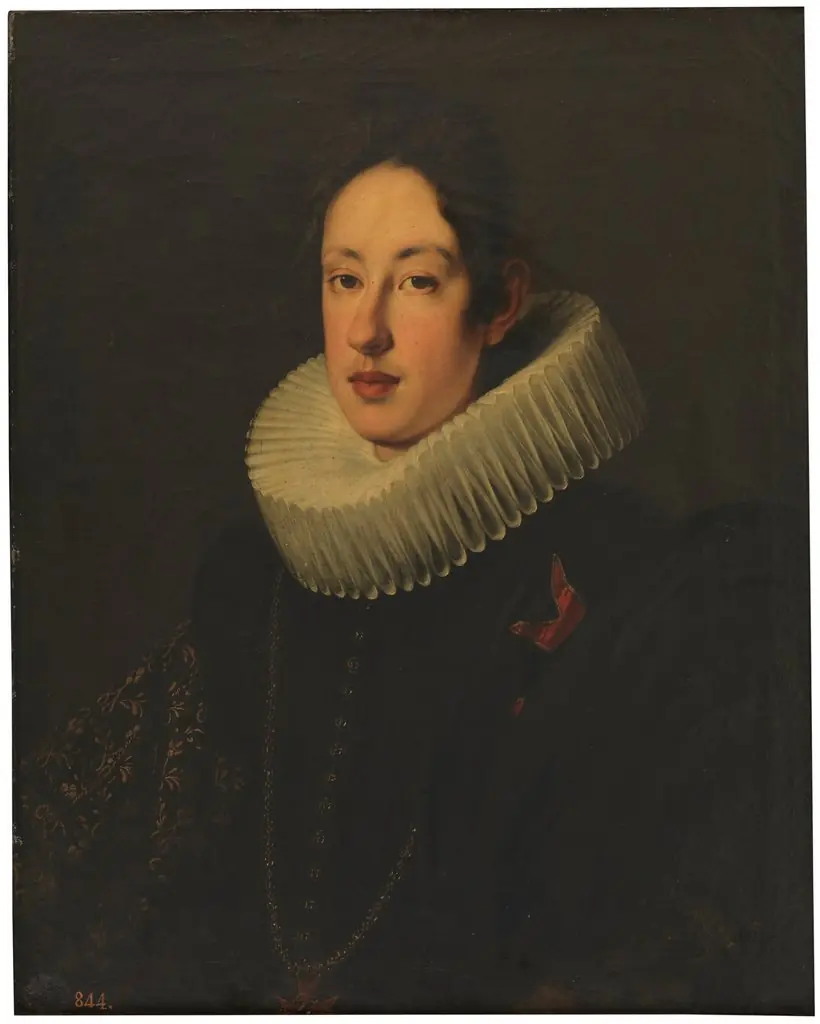 Portrait of Ferdinand II of Tuscany
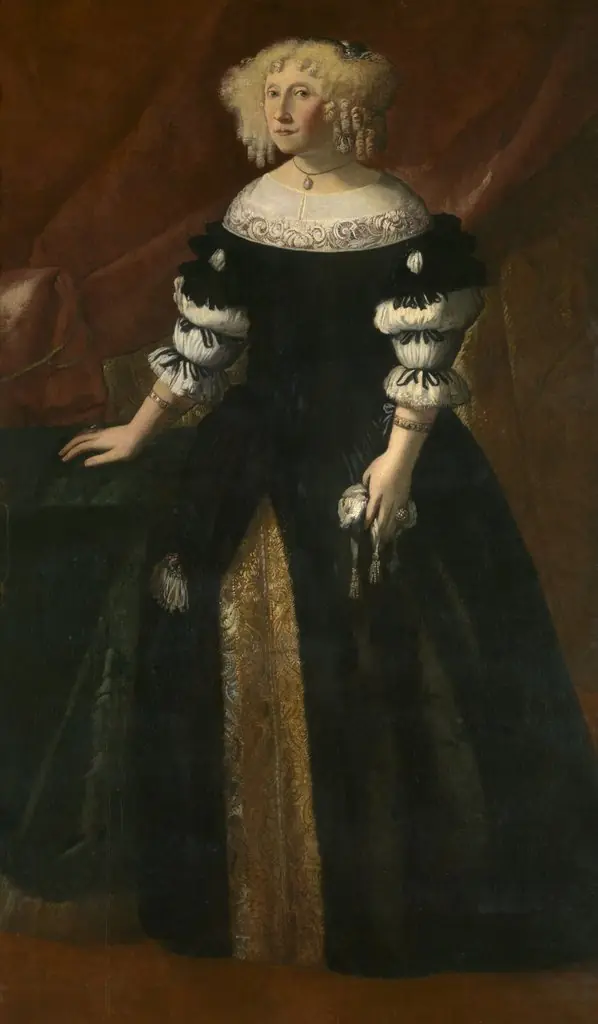 Portrait of a Woman
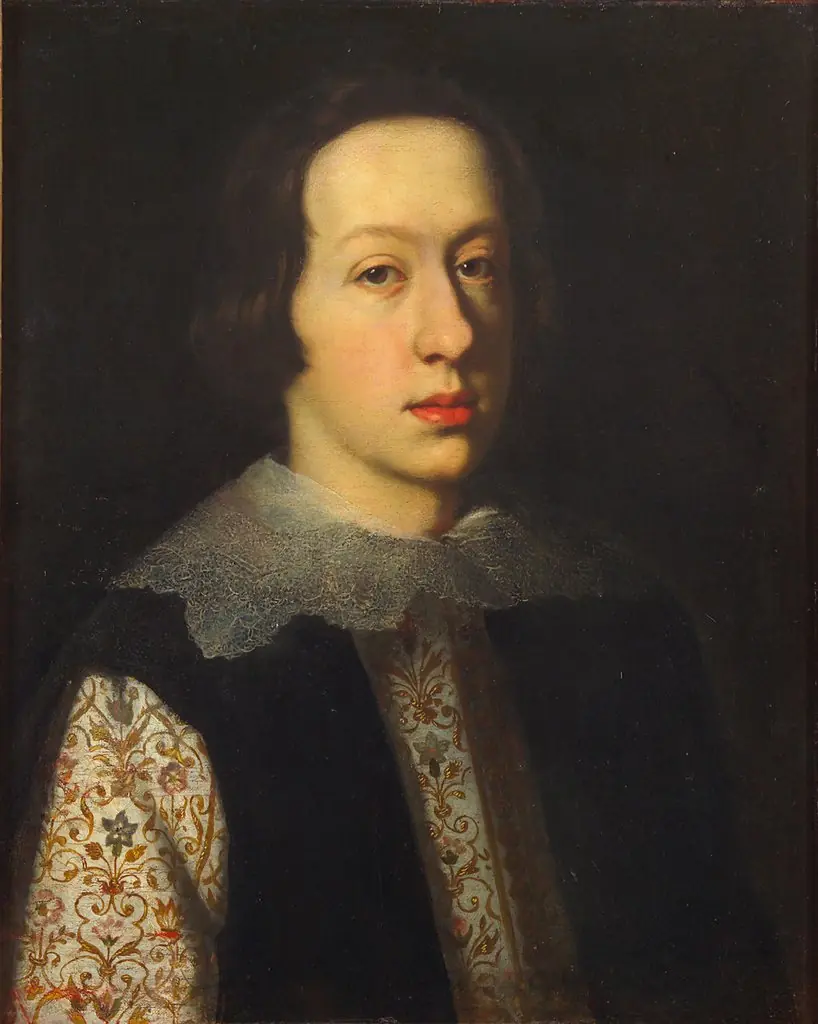 Portrait of Mattias de' Medici
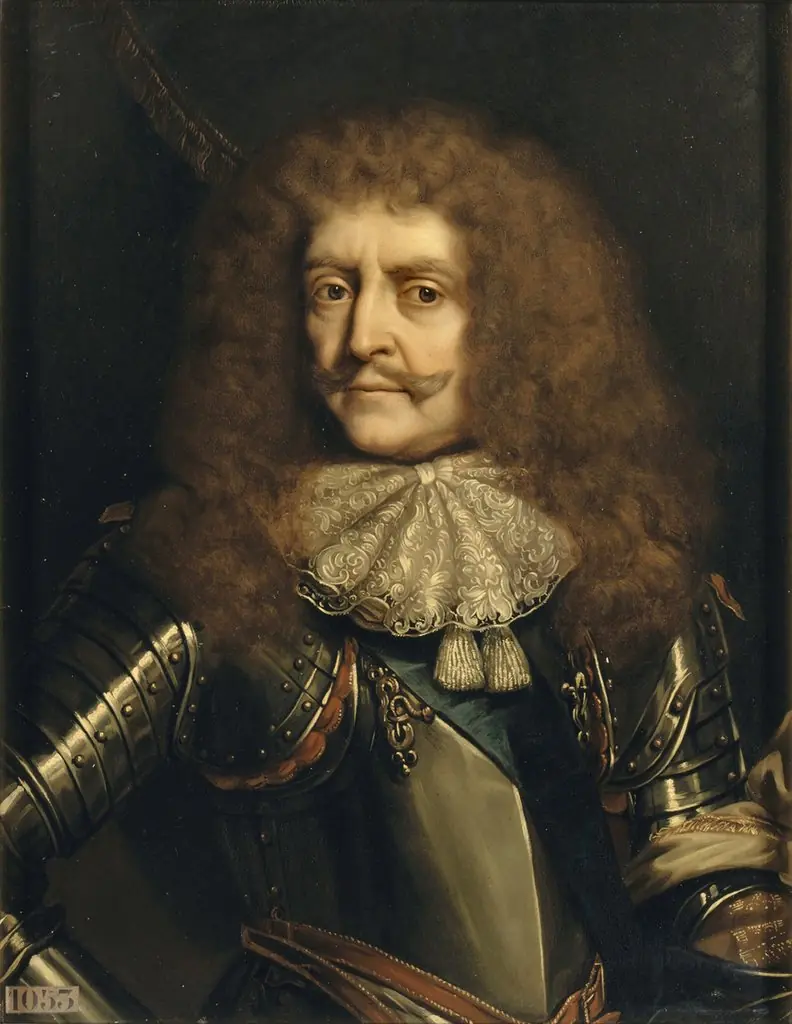 Antoine III, duc de Gramont, maréchal de France (1604-1678)
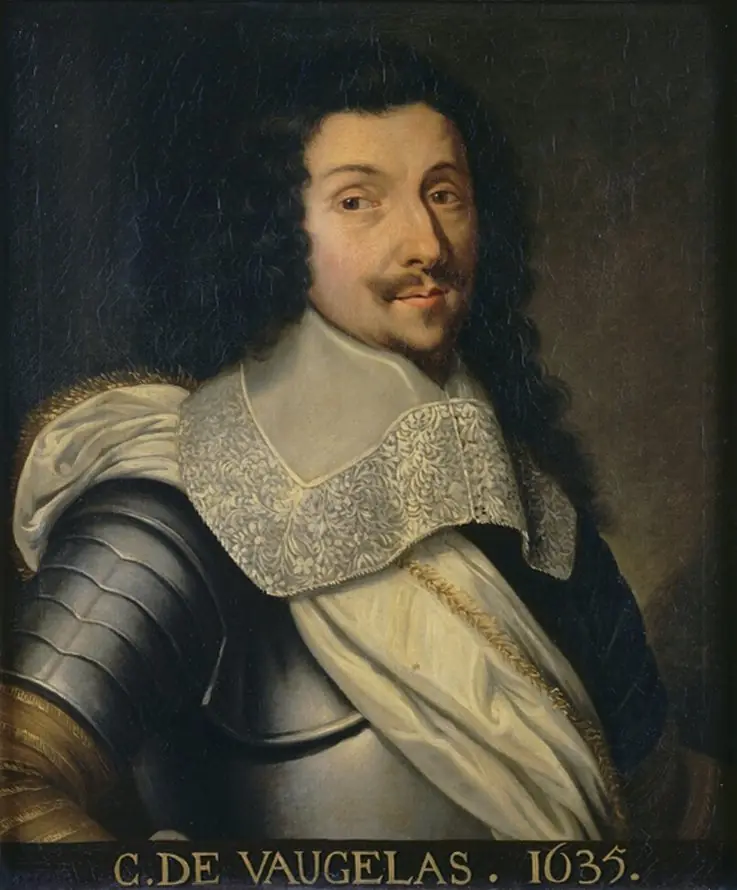 Claude Fabre, seigneur de Vaugelas (1585-1650), grammairien, membre de l'Académie française
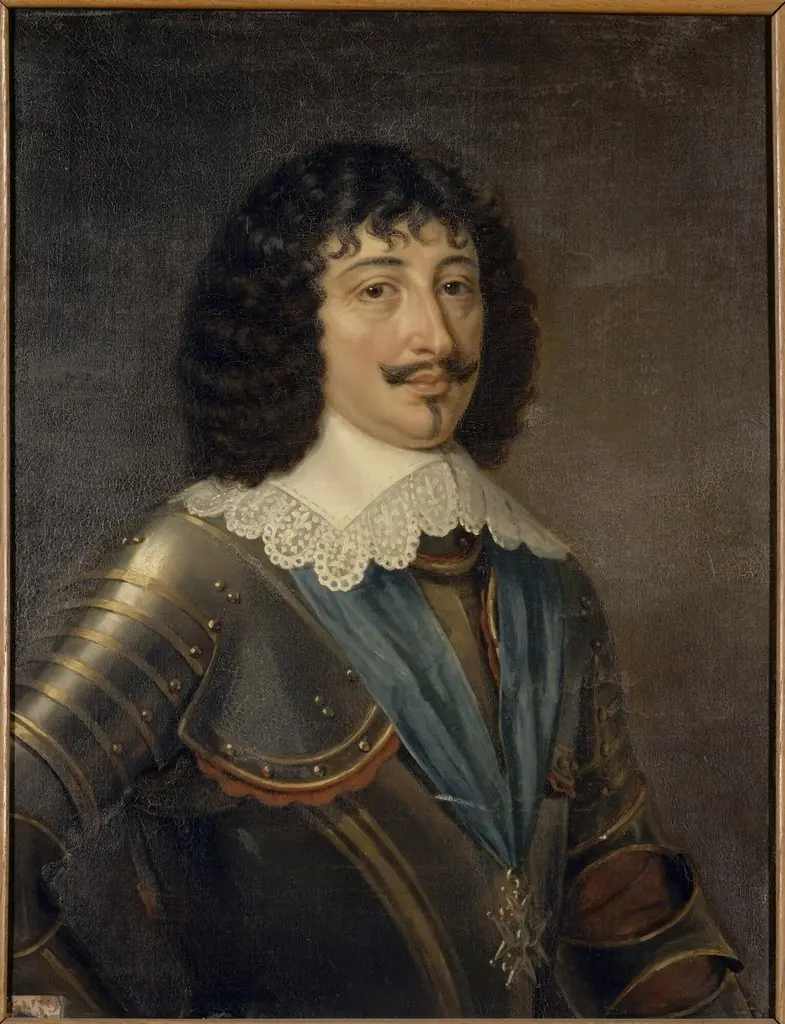 Urbain de Maillé, Marquis de Brézé, Marshal of France (1597-1650)
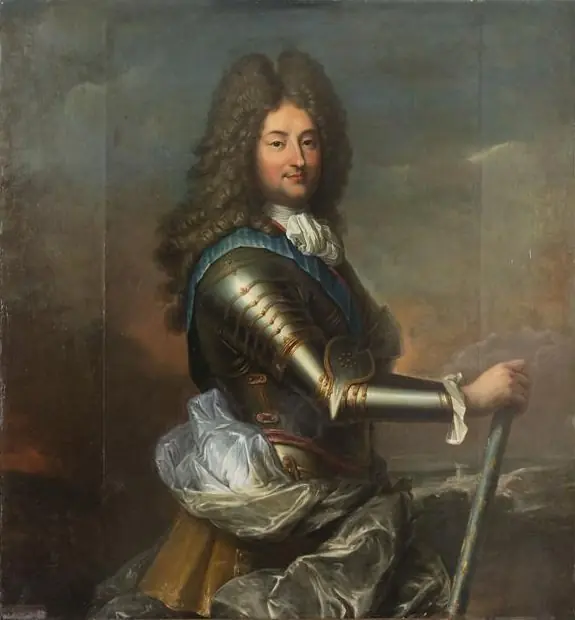 Philippe d'Orléans, duc d'Orléans, Régent (1674-1723)
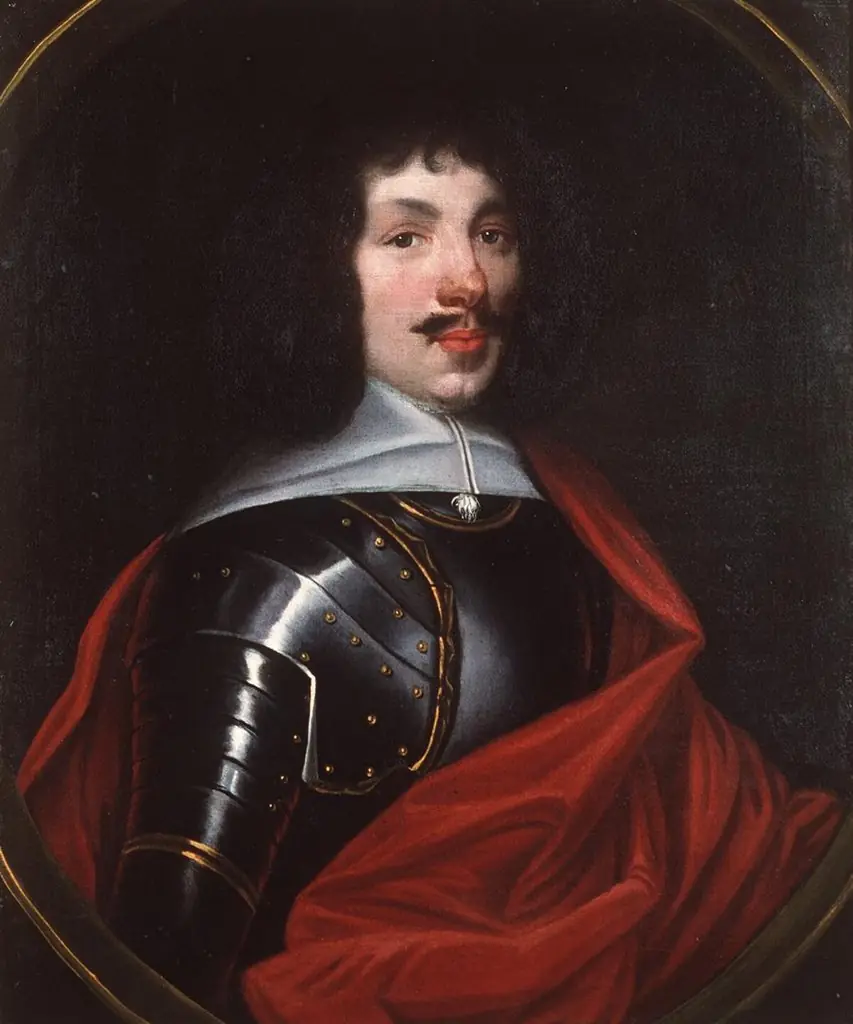 David Lloyd
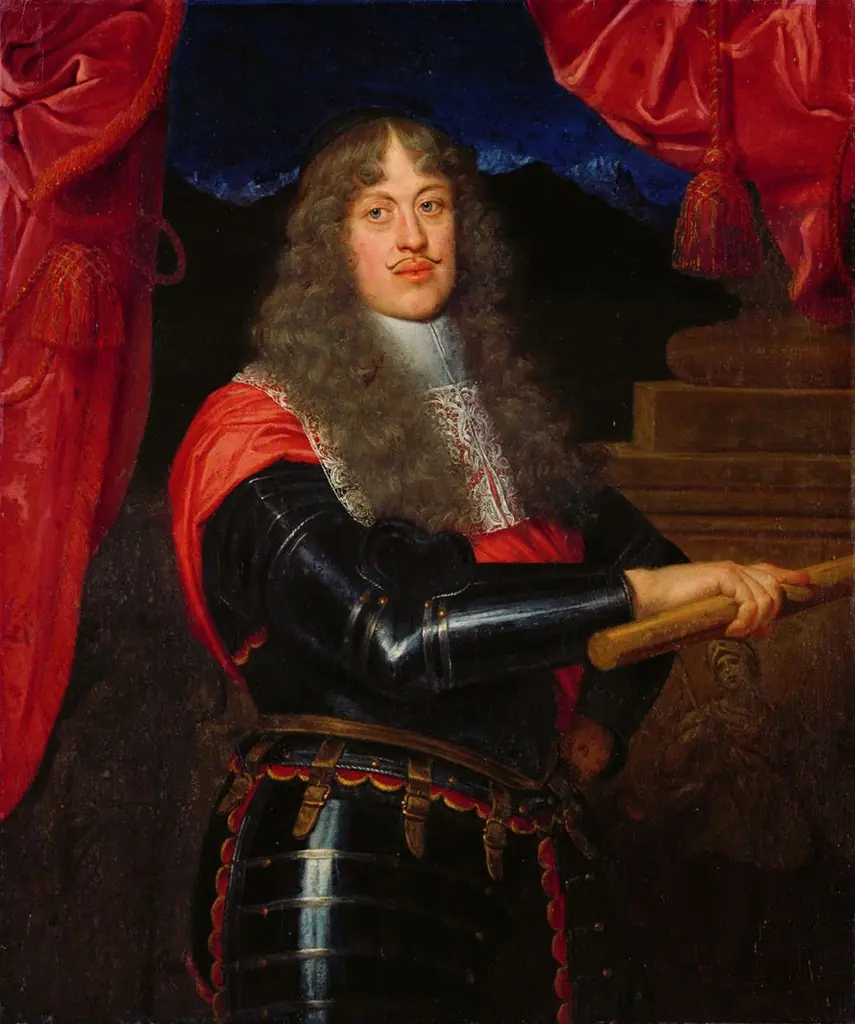 Erzherzog Sigismund Franz (1630-1665) im Harnisch, Kniestück
 Claude, Count of Choiseul, Marshal of France
 Louis XIII, King of France
 Portrait of the Comte de Roucy
 Carl Gustaf Wrangel af Salmis, 1613-1676