Artwork
Claude Fabre, seigneur de Vaugelas (1585-1650), grammairien, membre de l'Académie française
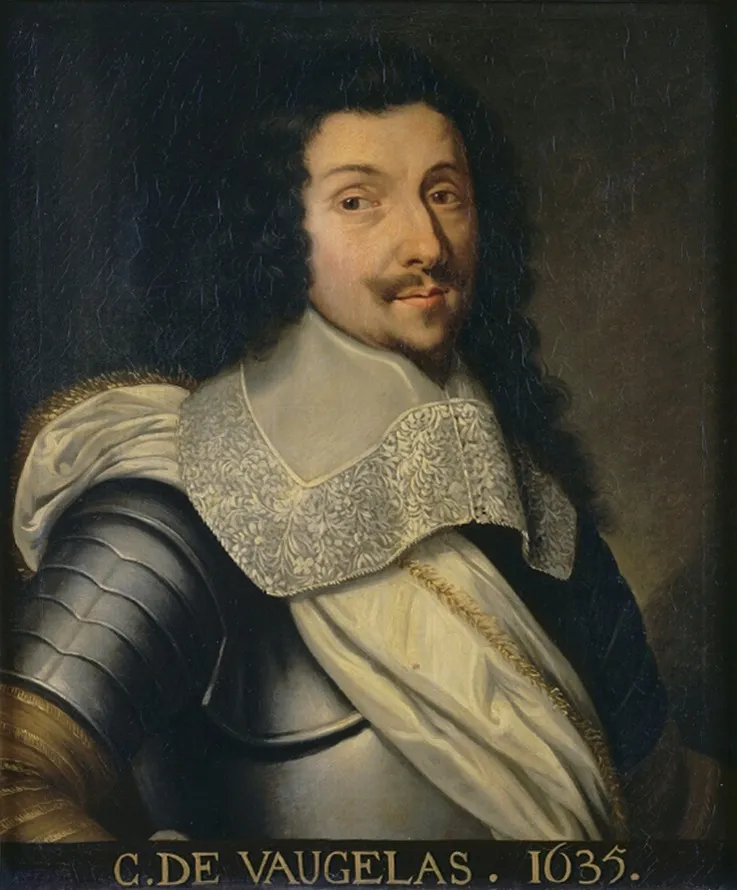
Claude Fabre, seigneur de Vaugelas (1585-1650), grammairien, membre de l'Académie française is an oil painting by Unknown. It dates from 1850 and is held in the collection of the Palace of Versailles. The oil painting depicts Claude Fabre, seigneur de Vaugelas (1585‑1650), a noted grammarian and early member of the Académie française.
About this work
If you're interested in learning more about this style of portraiture, you might want to explore the work of other artists who used chiaroscuro.
This portrait shows a man with long, curly hair and a mustache, wearing a white shirt with a lace collar and a black jacket with gold trim. He is also wearing armor on his right arm. The background of the painting is dark, which helps the subject stand out.
The man's clothing and hairstyle suggest that he is from the 17th century. The level of detail in the painting, particularly in the subject's face and clothing, is impressive.
If you're interested in learning more about this style of portraiture, you might want to explore the work of other artists who used chiaroscuro.
Overview
The oil painting depicts Claude Fabre, seigneur de Vaugelas (1585‑1650), a noted grammarian and early member of the Académie française. He is presented in a three‑quarter view against a darkened backdrop, his features illuminated to draw the viewer’s attention.
Subject & Meaning
Fabre is shown with long, curled hair, a moustache, and a lace‑trimmed white shirt beneath a black jacket edged in gold. An arm of armor rests on his right side, underscoring his status as a gentleman of the early seventeenth century and hinting at the intertwining of scholarly and noble identities.
Technique & Style
The artist employs a strong chiaroscuro, using deep shadows to frame the sitter while rendering the facial details, textiles, and metalwork with meticulous precision. The contrast between the dark background and the luminous flesh tones creates a sense of three‑dimensionality typical of Baroque portraiture.
History & Provenance
Created in the early seventeenth century, the portrait was likely commissioned to commemorate Fabre’s contributions to French grammar and his role in the newly founded Académie française. The work has remained in private collections before entering a museum’s holdings, where it serves as a visual record of early French intellectual life.
Artist & collection

 Domestic Scene
 Giacomo and Cardinal Marco, investing Andrea, Abbot of San Zeno, with his Benefice
 The Nymph of Fontainebleau
 Portrait of a Woman
 Madonna and Child with Saints in the Enclosed Garden
 Venus and Minerva
 Family Group of Four on Sofa
 Wall painting from Room H of the Villa of P. Fannius Synistor at Boscoreale
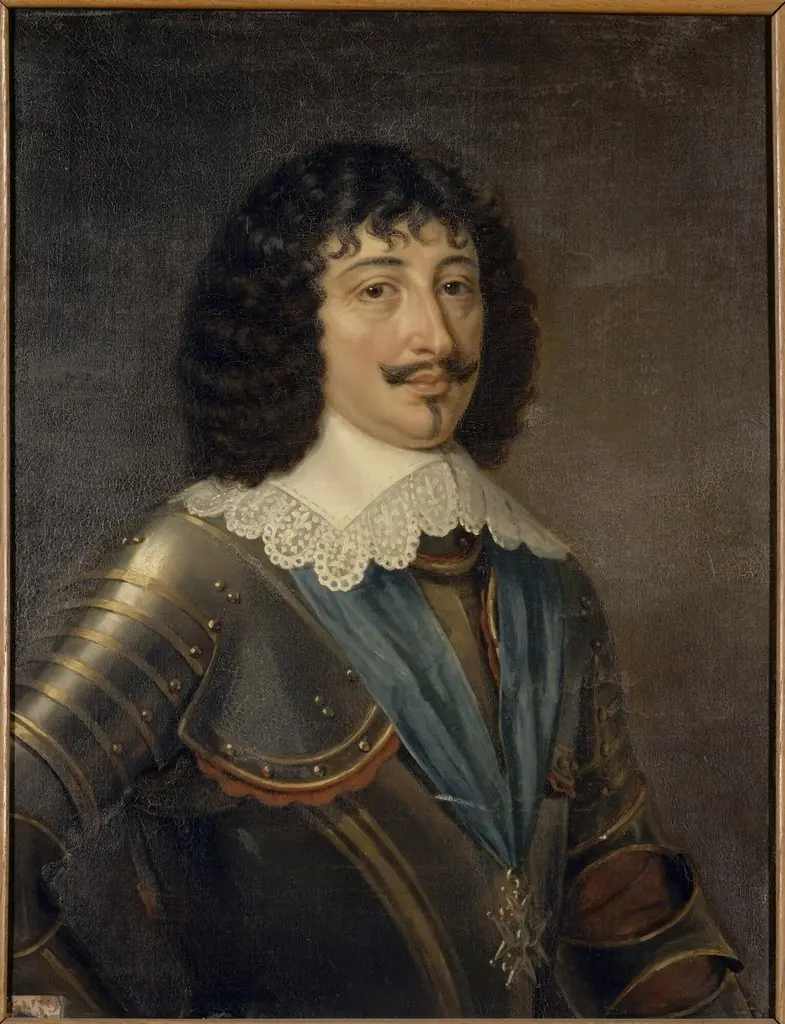 Urbain de Maillé, Marquis de Brézé, Marshal of France (1597-1650)
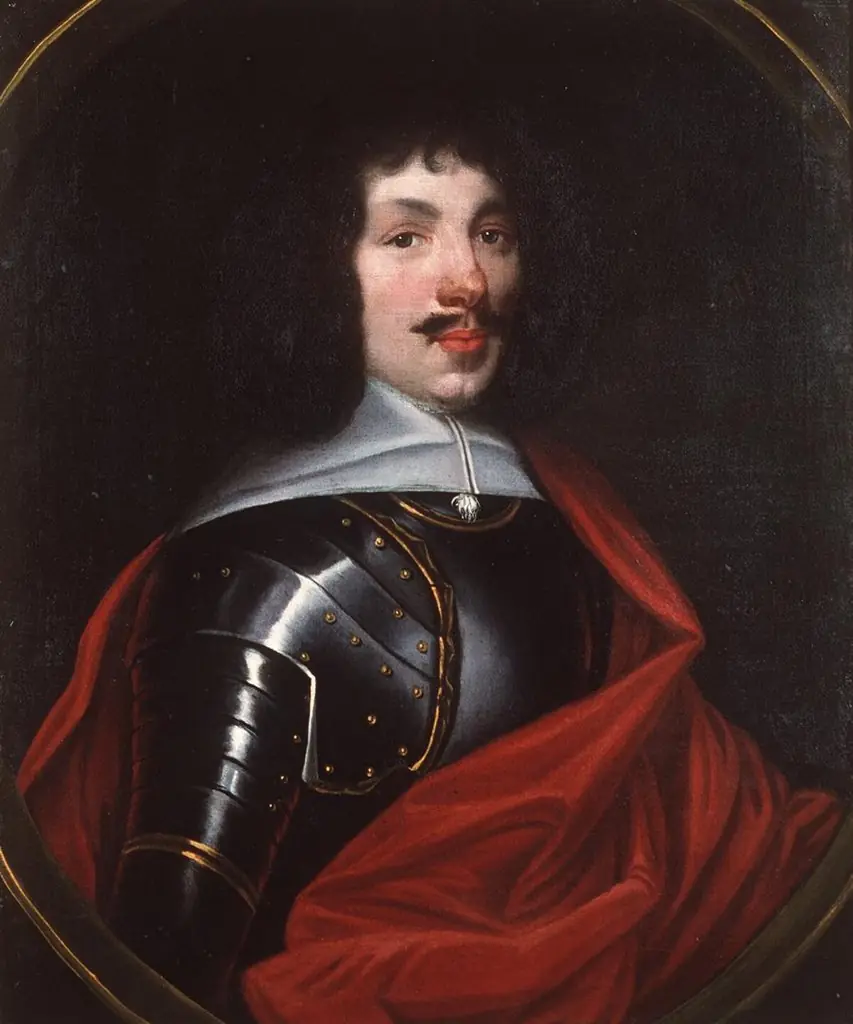 David Lloyd
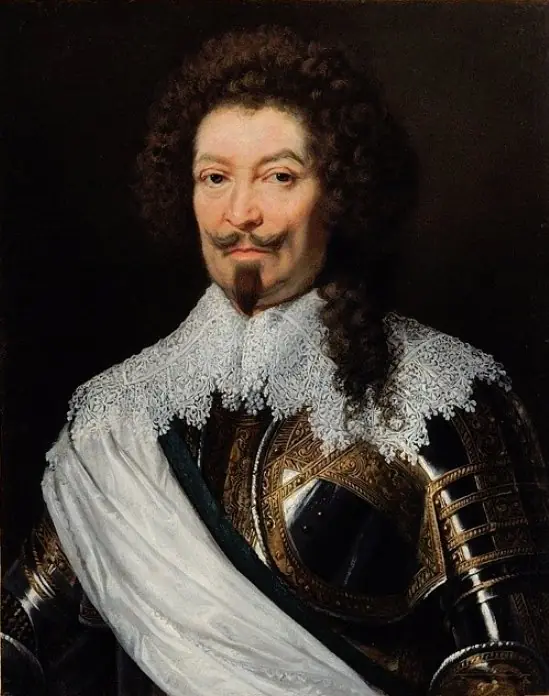 Portrait of Charles de Lorraine, fourth Duke of Guise in armour
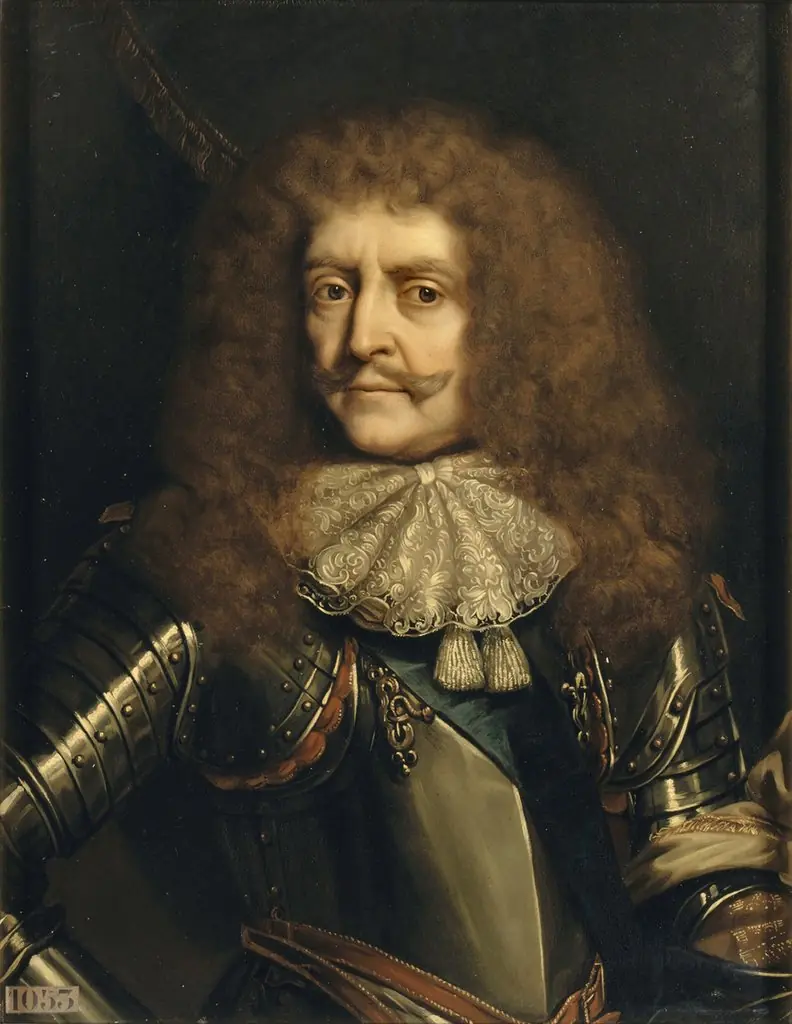 Antoine III, duc de Gramont, maréchal de France (1604-1678)
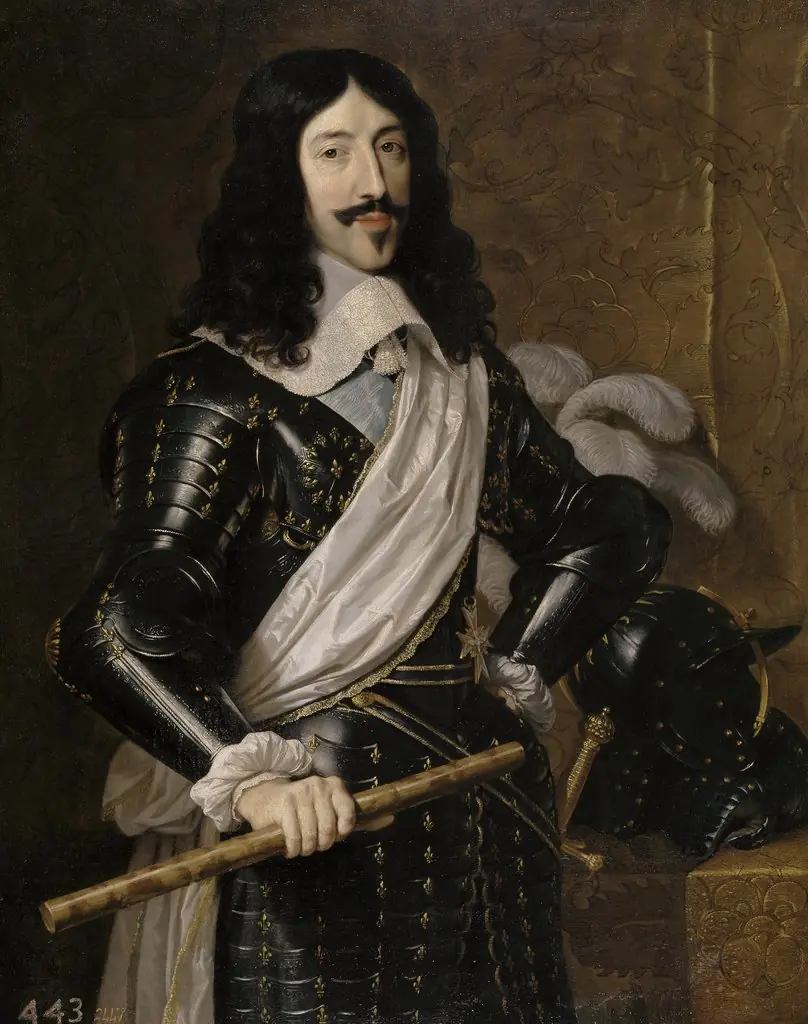 Louis XIII, King of France
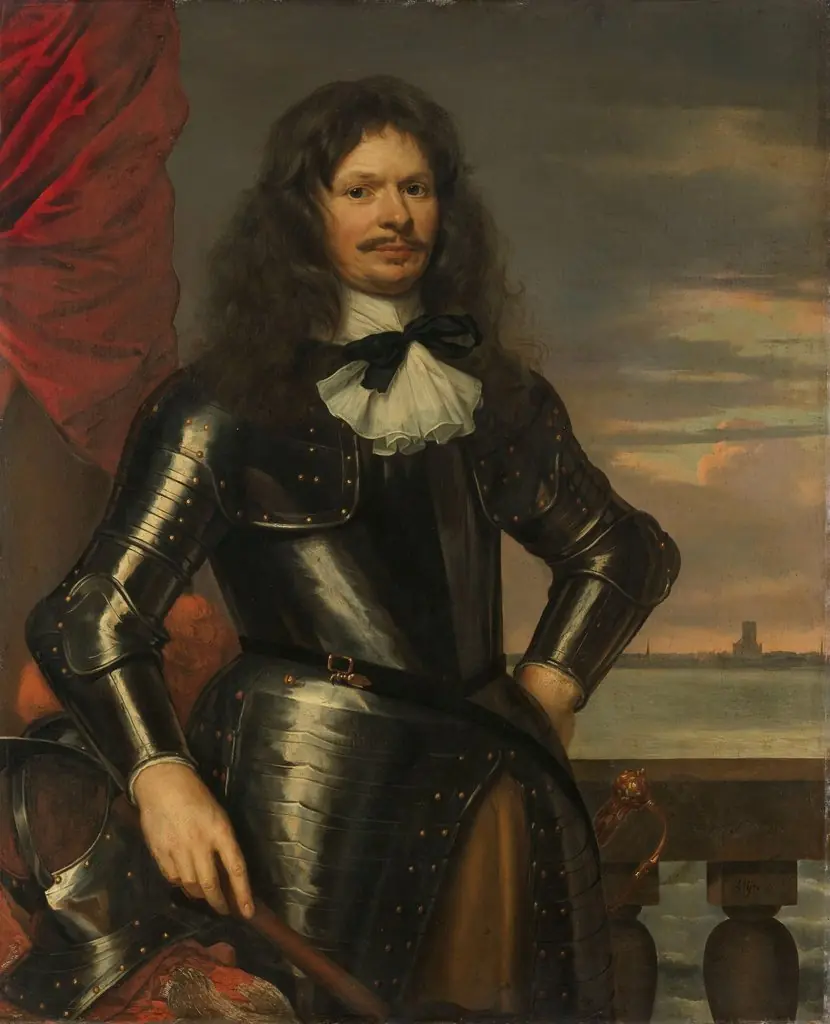 Portrait of Johan van Beaumont. Colonel in the Holland guards and commander of Den Briel
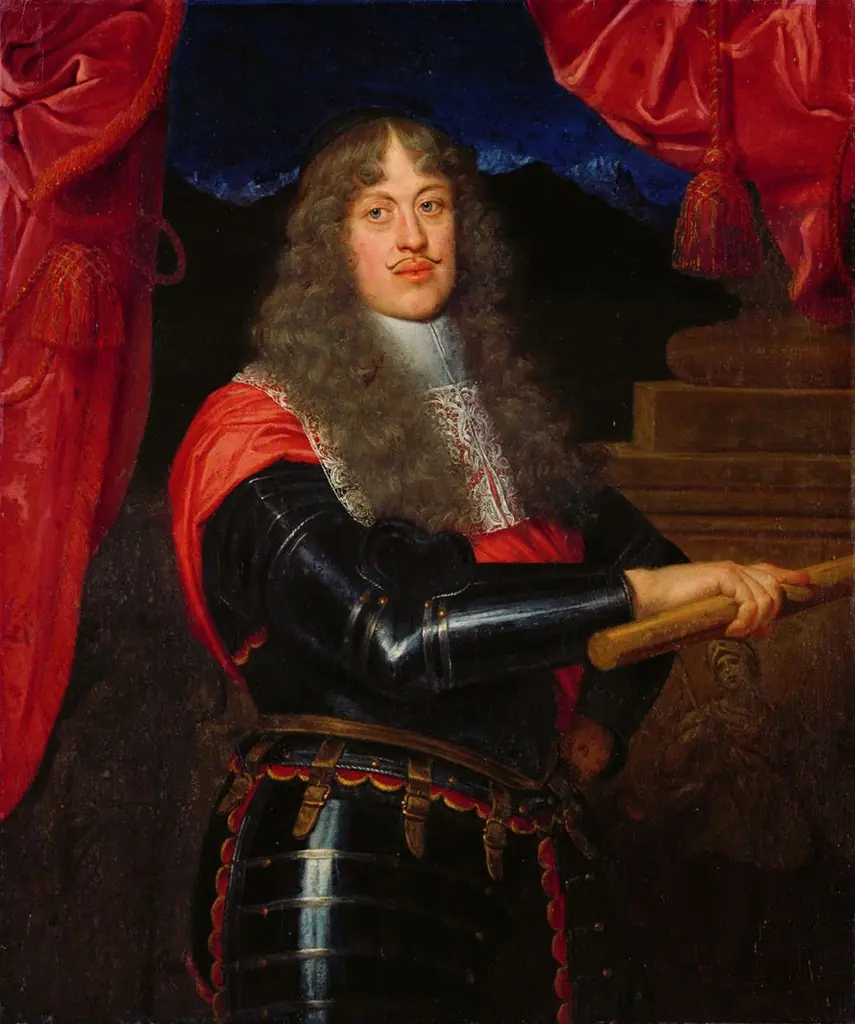 Erzherzog Sigismund Franz (1630-1665) im Harnisch, Kniestück
 Portrait of chancellor Pierre Séguier (1588-1672)
 Valentin Valleron de Perrochel
 Portrait of Willem II (1626-50), Prince of Orange
 Louis XIV
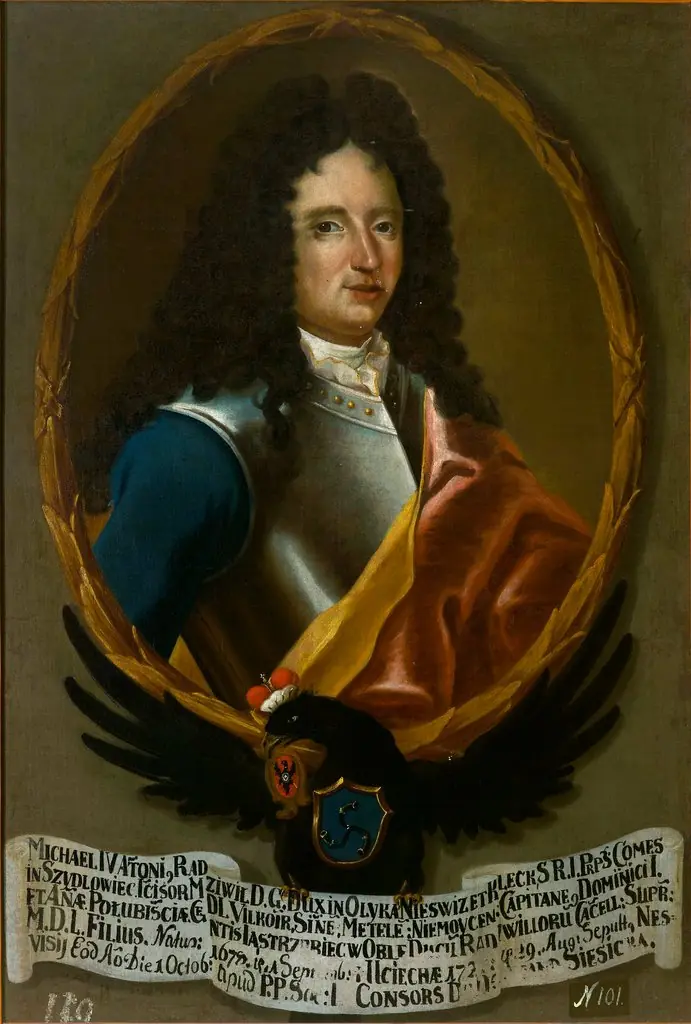 Portrait of Michał IV Antoni Radziwiłł (1687–1721)