Artwork
Awakening
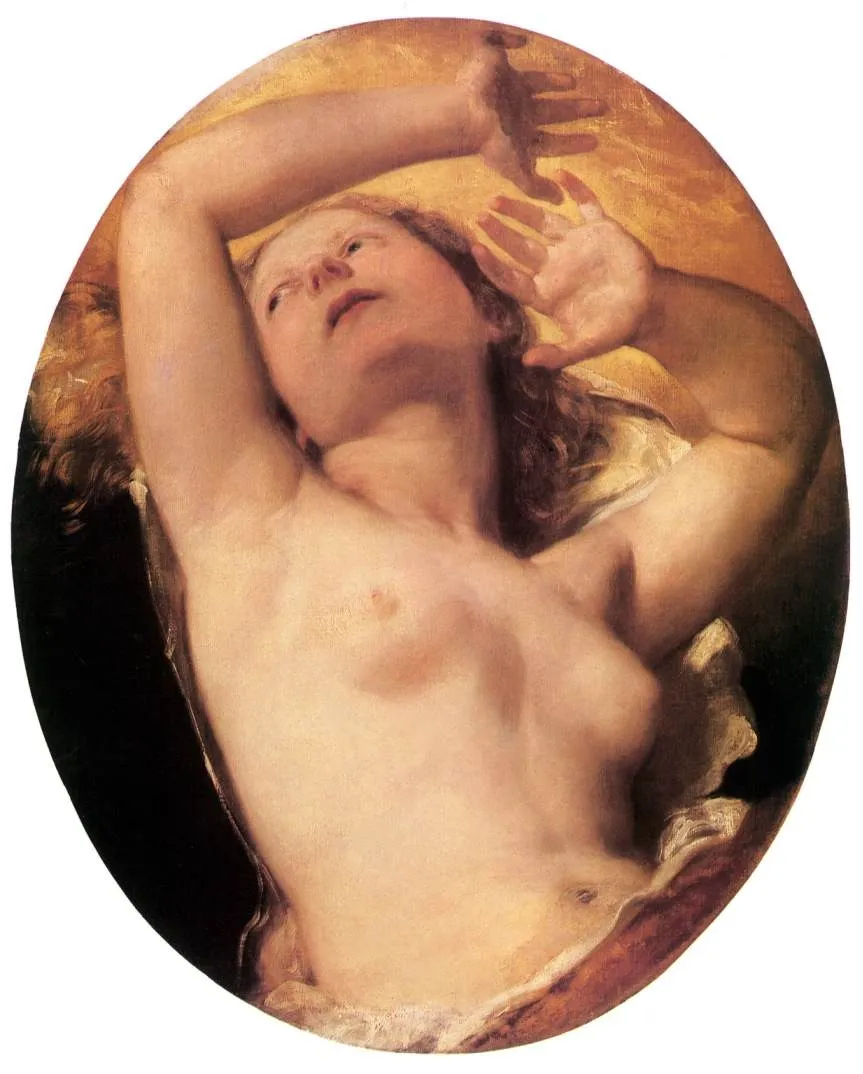
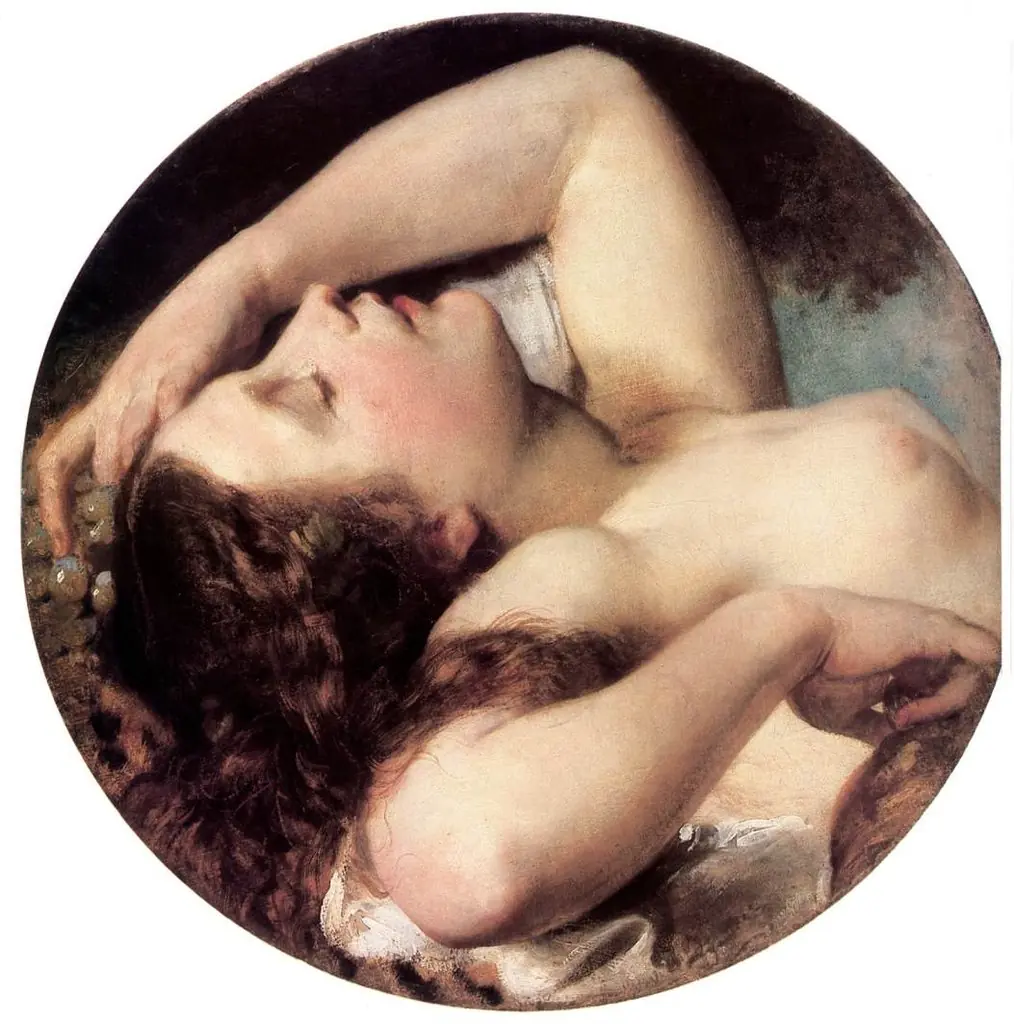
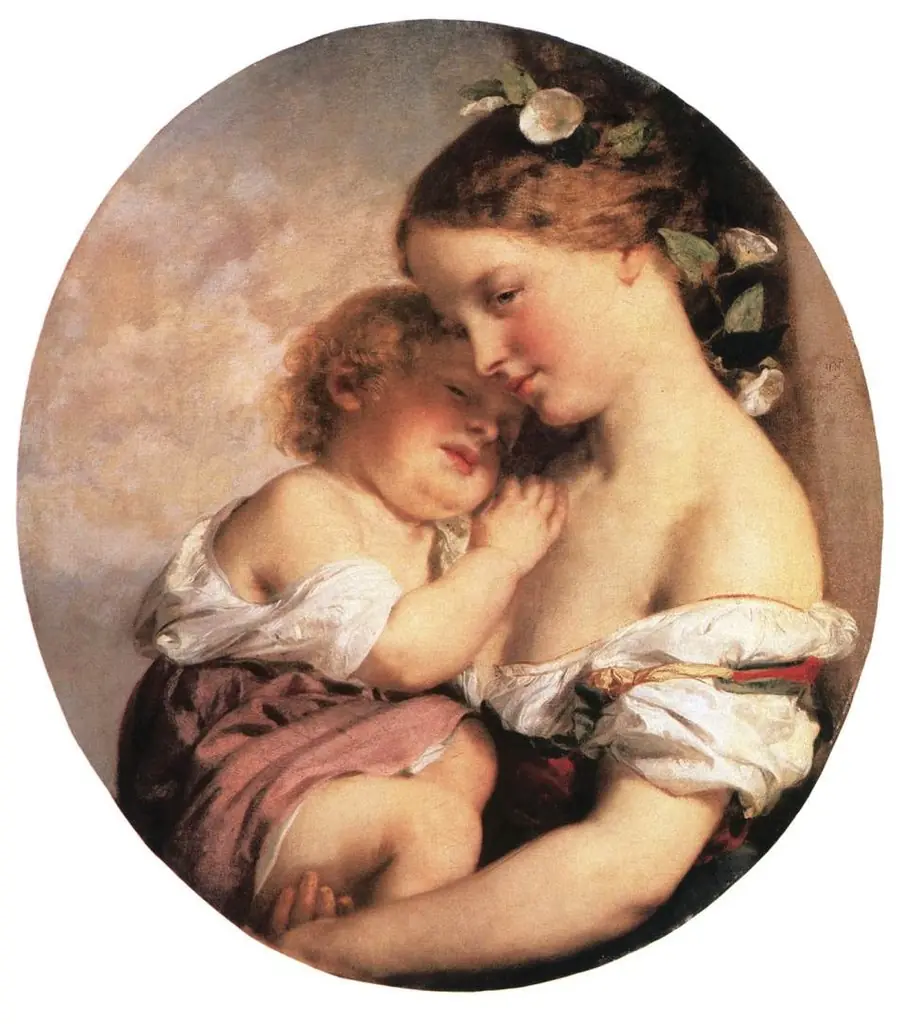
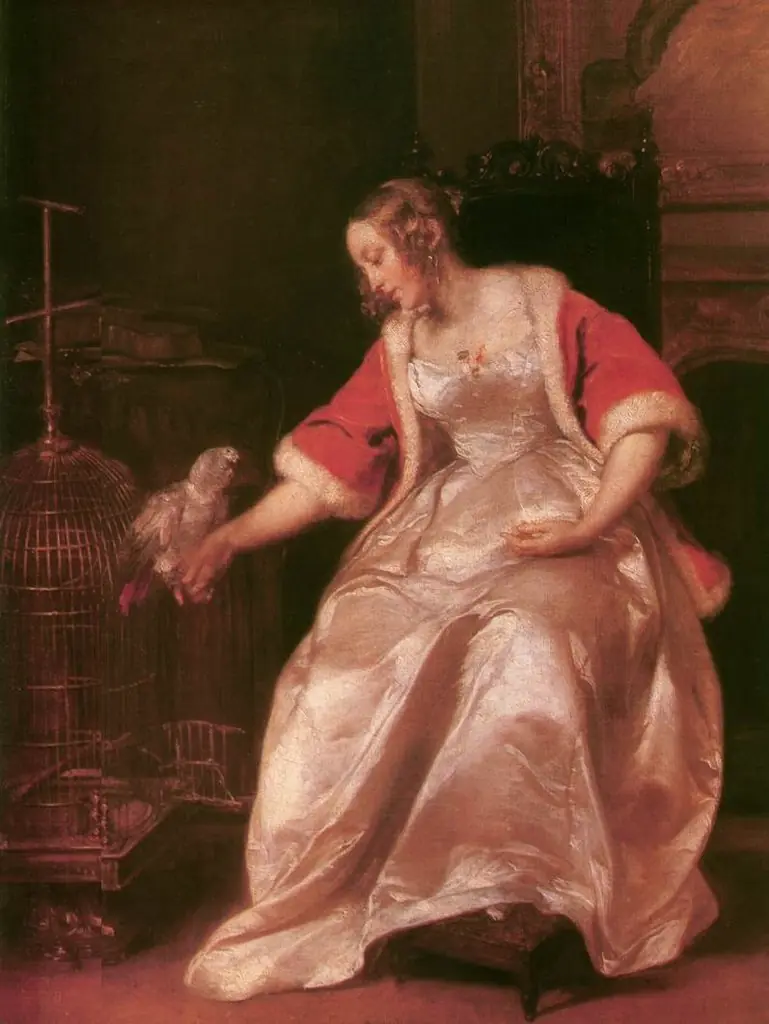
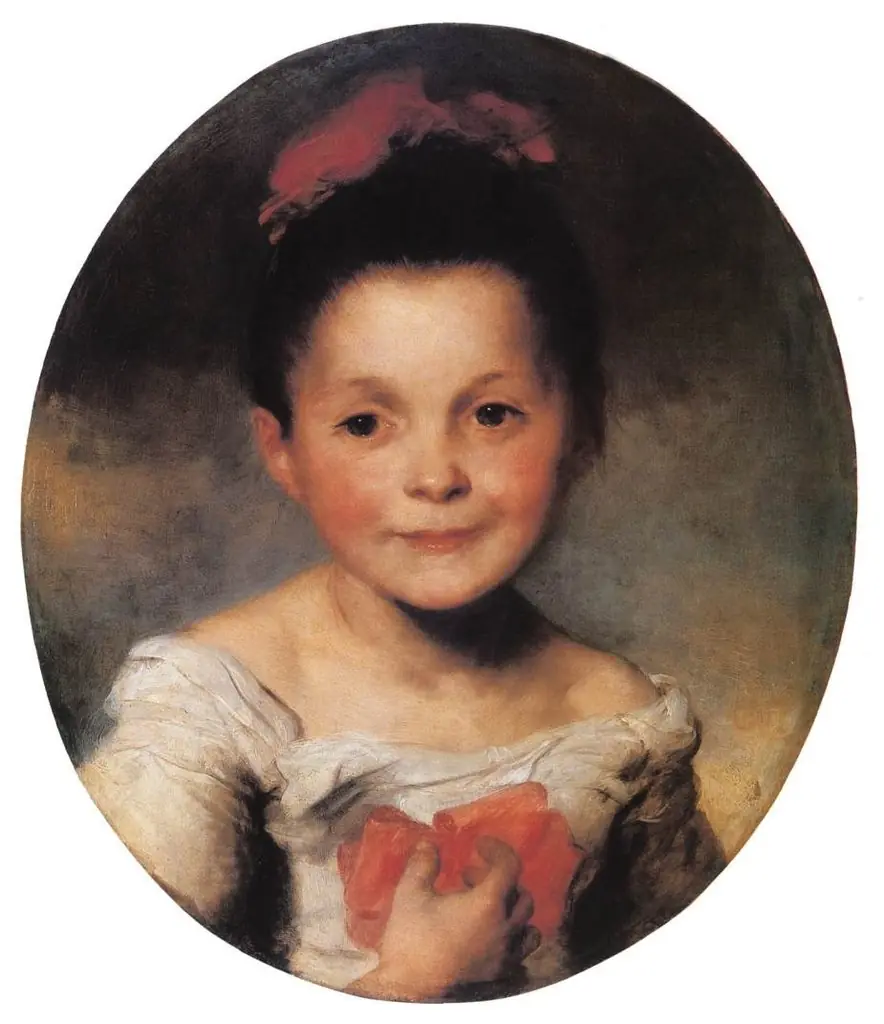
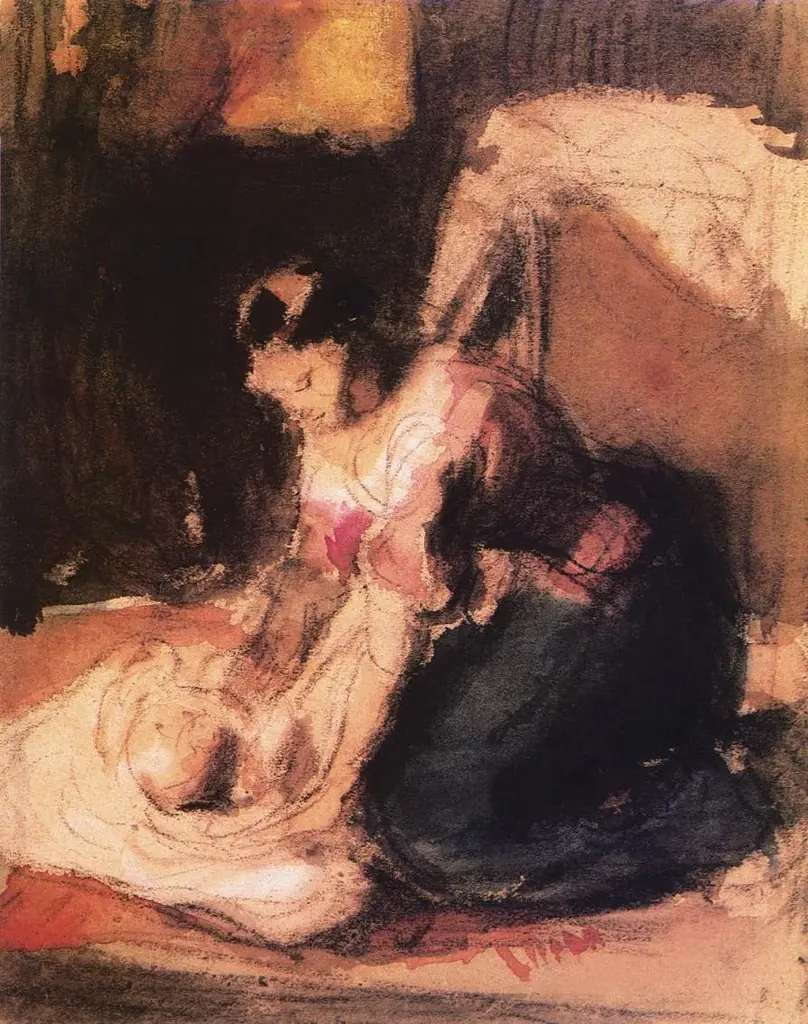
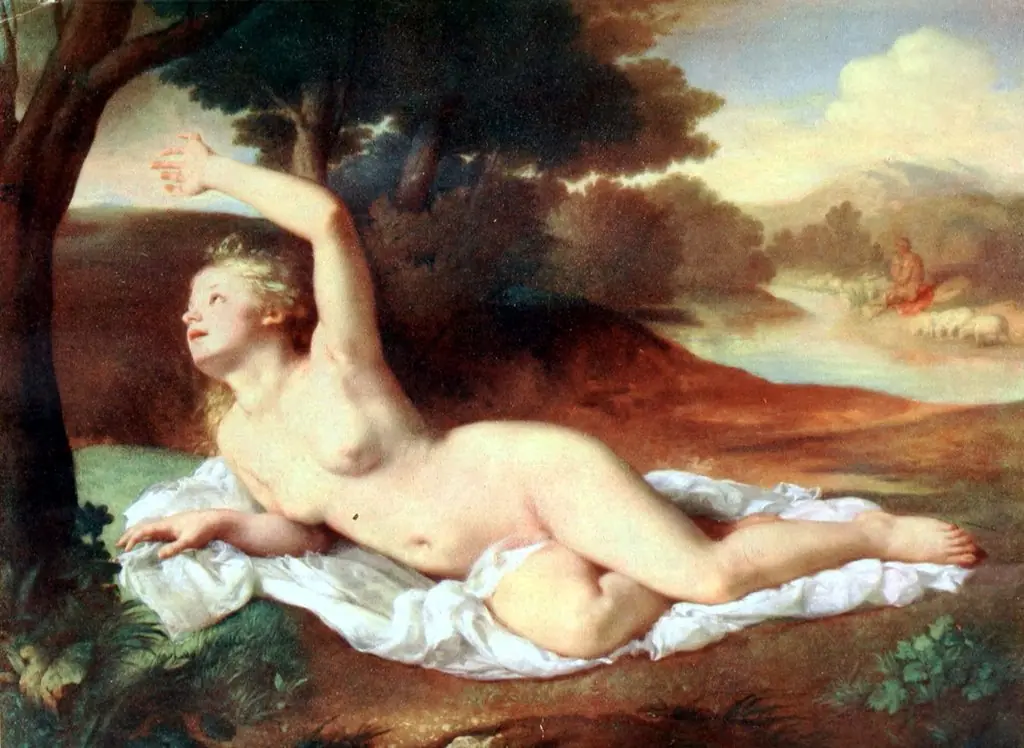
Awakening is an oil painting by the Biedermeier artist Károly Brocky. It dates from 1850 and is held in the collection of the Hungarian National Gallery.
About this work
Overview
Károly Brocky, a Hungarian artist educated in Vienna and Paris, painted *Awakening* circa 1850. Though he later settled in London, his early work reflects Central European academic traditions. The painting is now part of the Hungarian National Gallery’s collection, representing a moment when Brocky was refining his approach to the human form within a quiet, introspective aesthetic.
Subject & Meaning
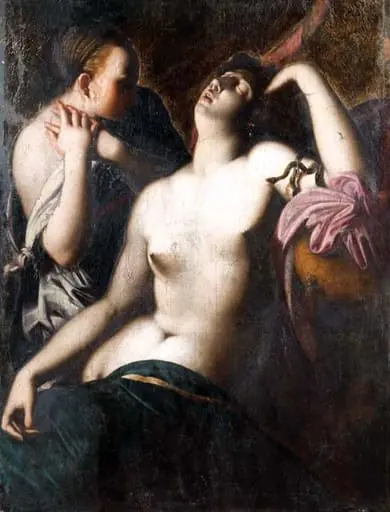
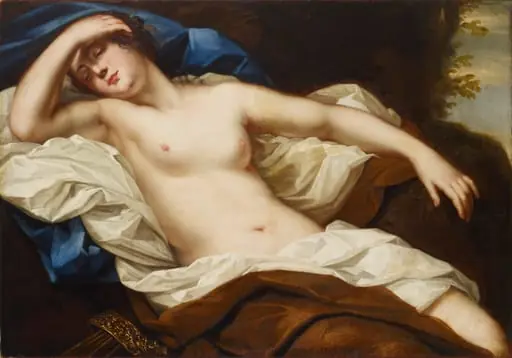
The painting portrays a reclining woman, nude and at rest, with arms extended above her head. Her closed eyes and faint smile suggest a moment between sleep and wakefulness, evoking inner calm rather than narrative action. The absence of context or symbolism invites contemplation of bodily serenity, aligning with Biedermeier ideals of private tranquility and emotional restraint.
Technique & Style
Brocky employed soft, blended brushwork to render the figure’s skin and flowing hair, enhancing the sense of stillness. Warm golden tones in the background unify the composition, subtly illuminating the form without harsh contrast. The palette and handling reflect academic training, yet the intimacy of the scene departs from grand historical themes, favoring quiet, personal observation.
History & Provenance
Created during Brocky’s early career, *Awakening* predates his move to London, where he would later focus on portraiture. The painting remained in Hungary and entered the Hungarian National Gallery’s holdings, likely through state acquisition or donation in the late 19th century. Its preservation there underscores its recognition as a significant example of mid-century Hungarian painting.
Context
Within the Biedermeier era, art often emphasized domestic peace and emotional subtlety over political or dramatic themes.
Within the Biedermeier era, art often emphasized domestic peace and emotional subtlety over political or dramatic themes. *Awakening* fits this trend, offering a solitary, meditative figure unburdened by external narrative. Brocky’s training in Vienna and Paris exposed him to Neoclassical and Romantic influences, yet here he channels a restrained, almost intimate realism uncommon in larger-scale works of the period.
Legacy
Though Brocky is better known for his later portraits, *Awakening* remains a rare example of his early engagement with the nude and psychological stillness. It stands as a quiet testament to Hungarian artists navigating European academic norms while cultivating a personal, introspective style. The work continues to be studied for its synthesis of technical discipline and emotional quietude.
Artist & collection
Artist
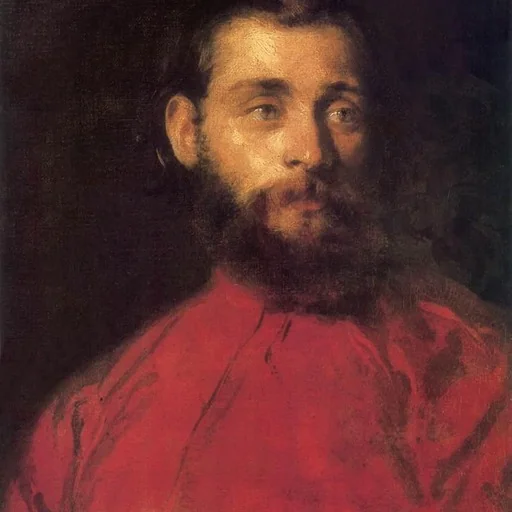
Károly Brocky, or Charles Brocky (Temesvár, 22 May 1808 – London, 8 July 1855) was a Hungarian painter.