Artwork
Self-Portrait
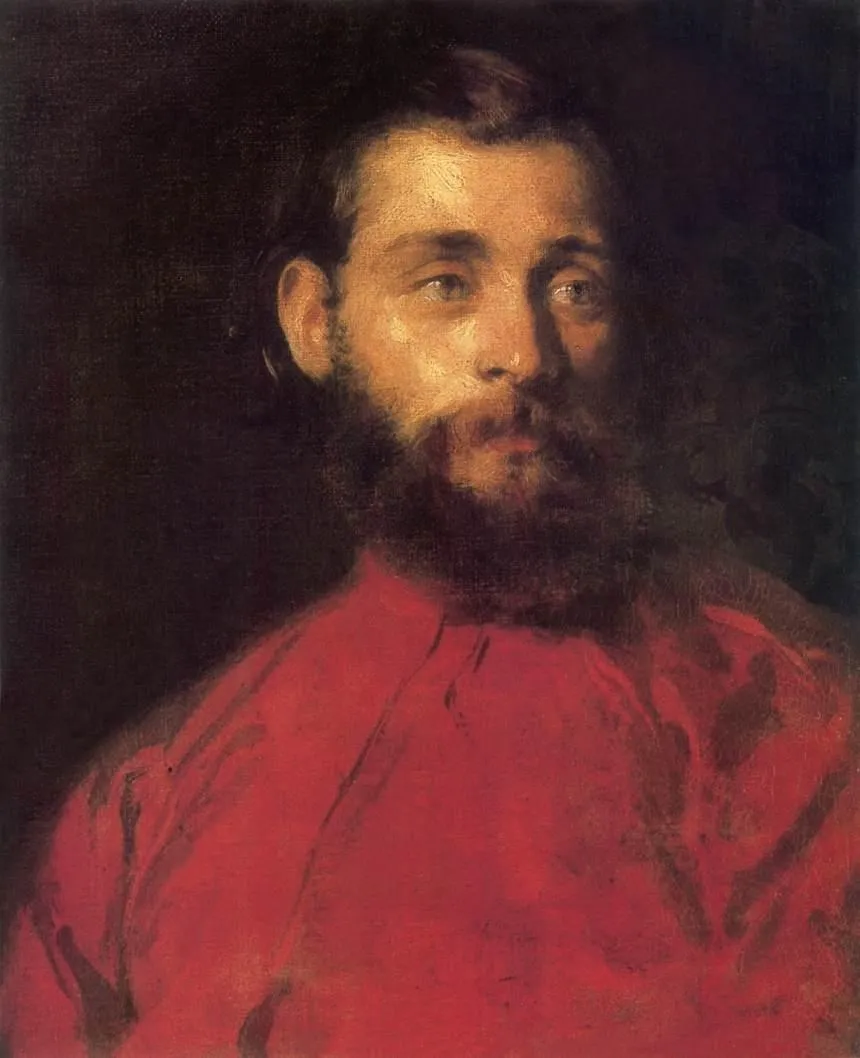
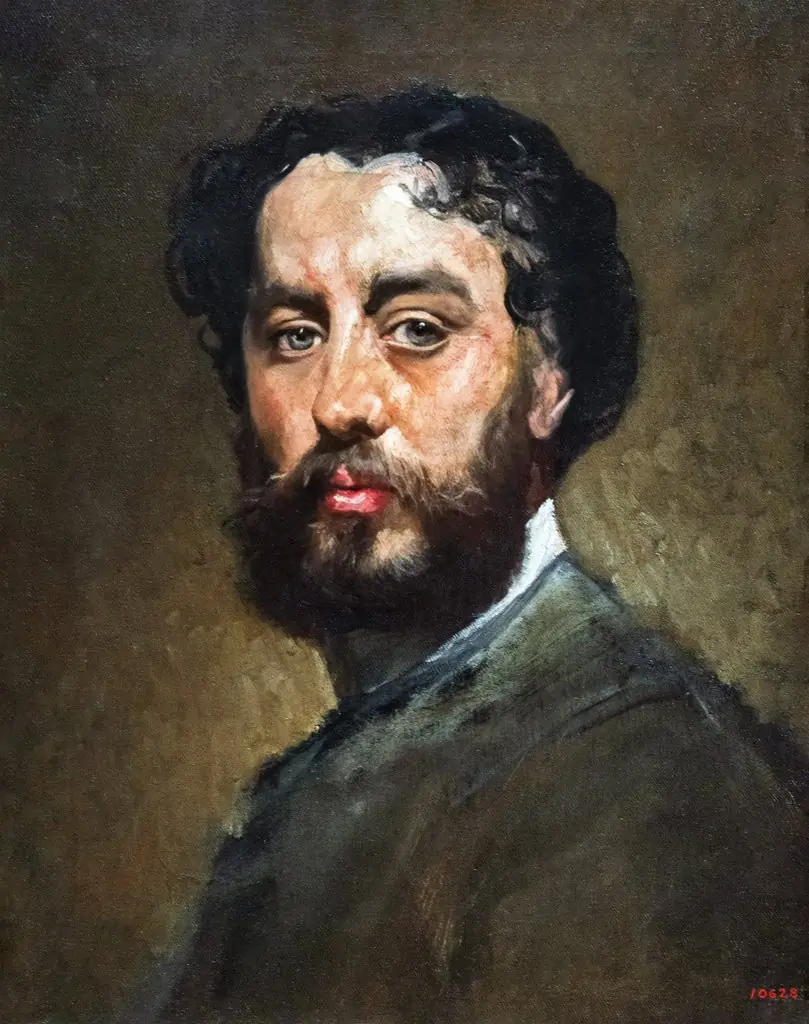
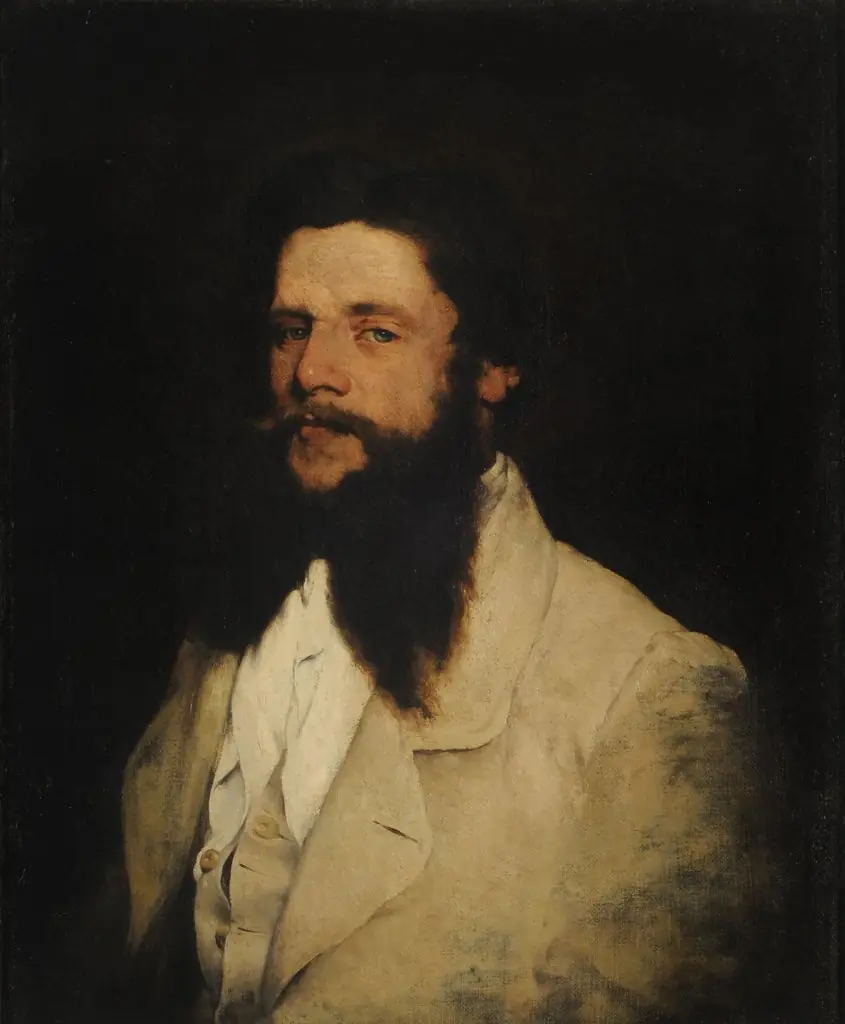
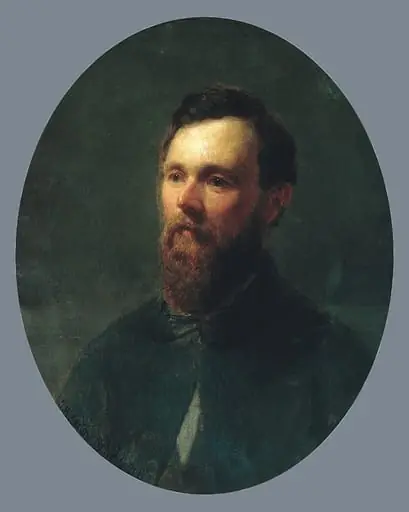
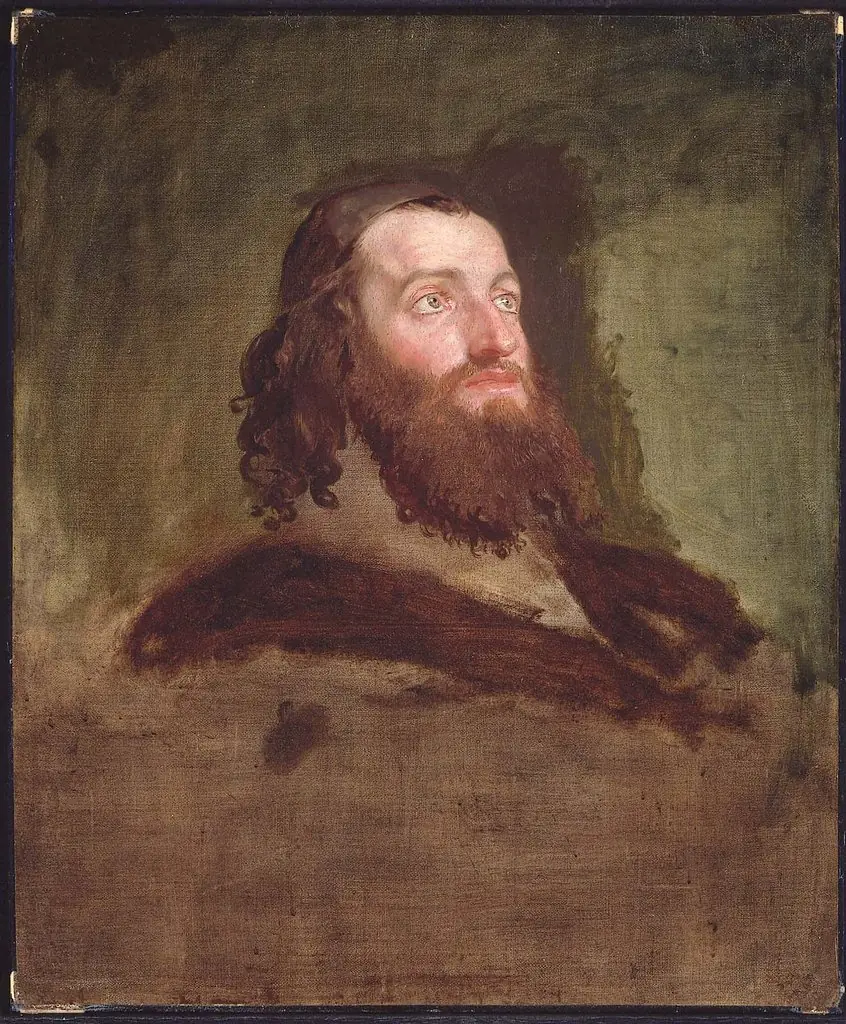
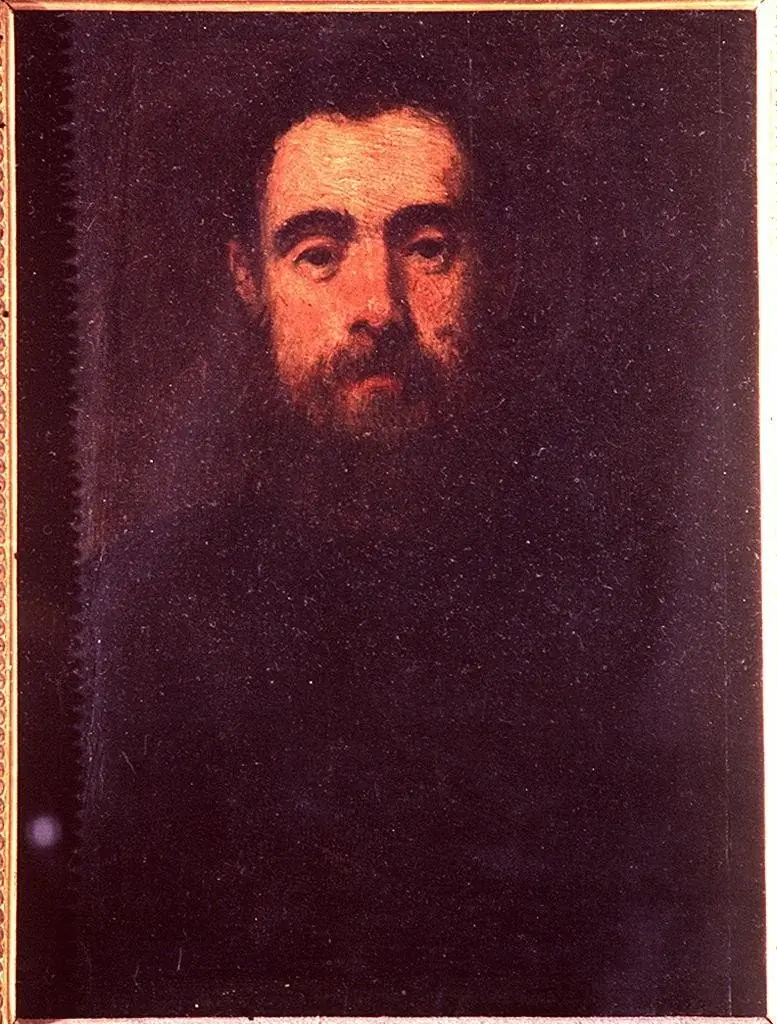
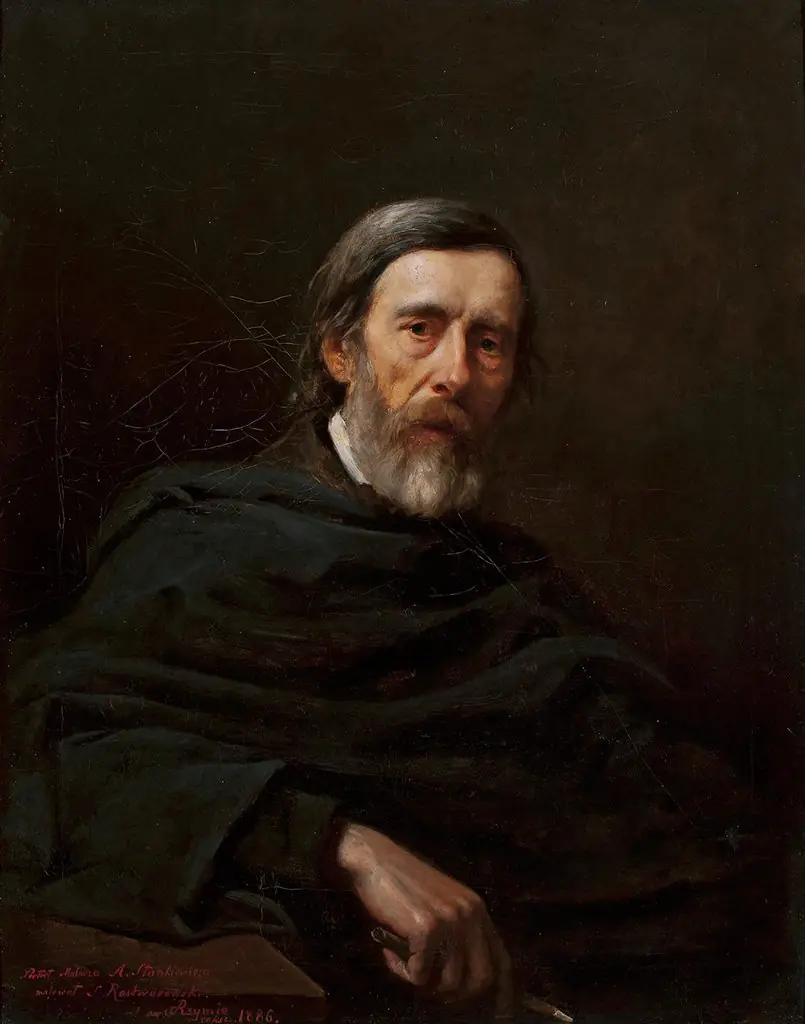
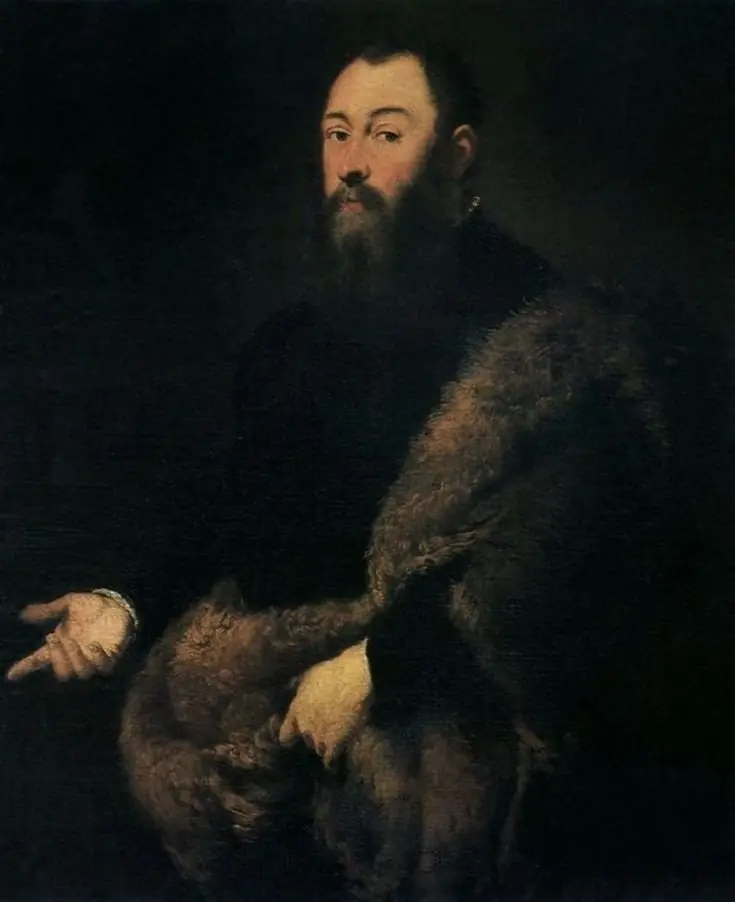
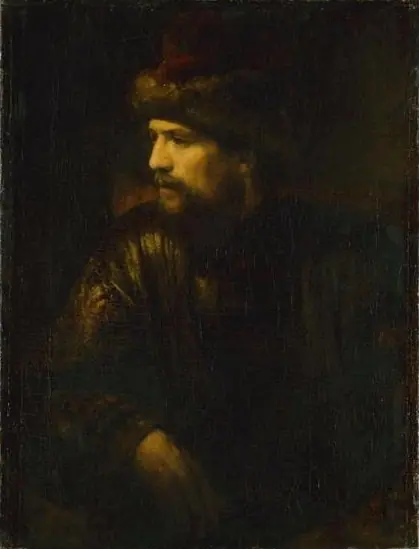
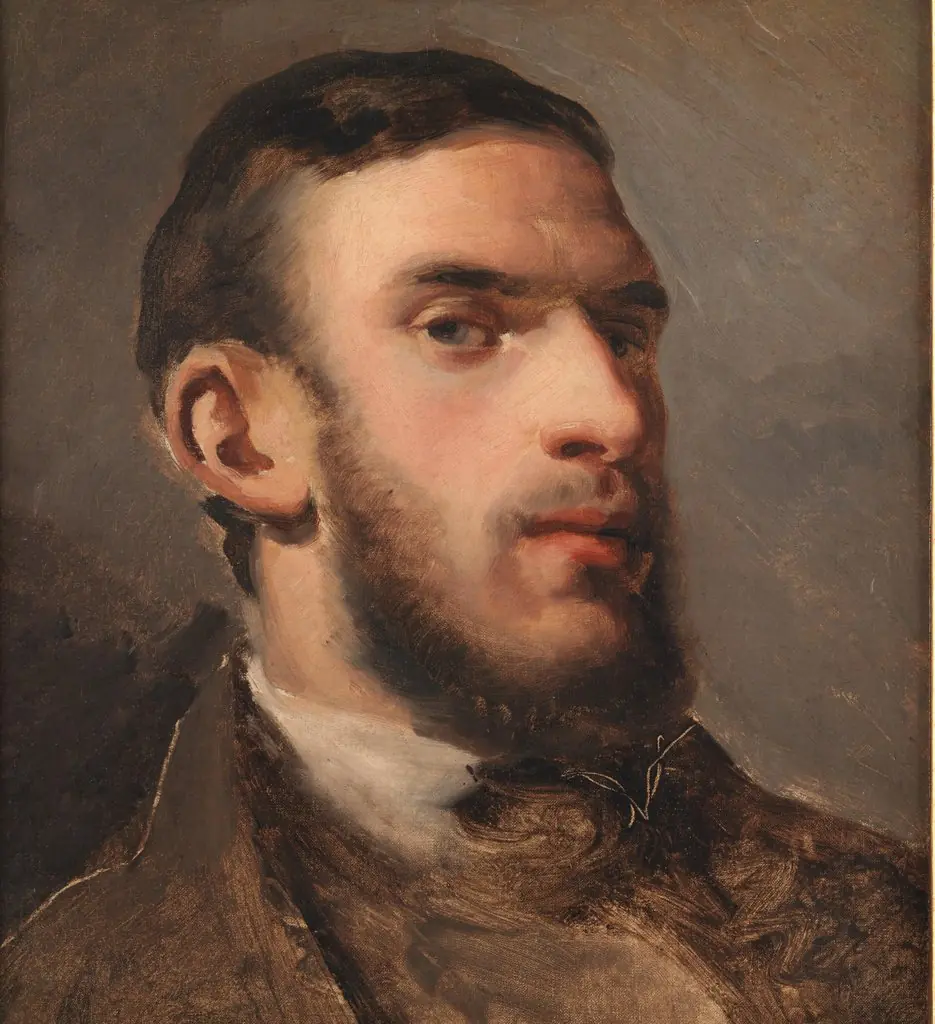
Self-Portrait is an oil painting by the Biedermeier artist Károly Brocky. It dates from 1850 and is held in the collection of the Hungarian National Gallery.
About this work
Overview
Created circa 1850, this oil self‑portrait depicts Károly Brocky, a Hungarian artist born in 1808. The work presents the painter in a dark setting, his dark hair and beard framed by a vivid red shirt, his gaze meeting the viewer directly. It is part of the collection of the Hungarian National Gallery.
Subject & Meaning
The portrait focuses on Brocky’s face, emphasizing his expression through a somber palette and stark lighting. The direct eye contact suggests a personal assertion of identity, while the contrast between the red garment and the black background heightens the emotional intensity of the image.
Technique & Style
Executed in oil, the painting employs chiaroscuro to model the figure, using light to carve out facial features against the deep shadows. The limited colour range—dominant reds and blacks—creates depth and draws attention to the sitter’s features, reflecting the Biedermeier preference for intimate, realistic representation.
History & Provenance
After a peripatetic early career that included work with itinerant actors, Brocky studied at a free drawing school in Vienna and later at the École du Louvre in Paris. He settled in London around 1838, where he produced this self‑portrait. The piece eventually entered the Hungarian National Gallery’s holdings, where it remains on display.
Context
The portrait belongs to the Biedermeier period, a time when middle‑class sensibilities favored modest, domestic subjects rendered with clarity and restraint. Brocky’s choice of a simple, dark background and restrained composition aligns with the era’s aesthetic, while his personal background reflects the broader mobility of artists in 19th‑century Europe.
Artist & collection
Artist
Károly Brocky, or Charles Brocky (Temesvár, 22 May 1808 – London, 8 July 1855) was a Hungarian painter.