Artwork
Flowers of a Hundred Worlds (Momoyogusa): Shibaraku (Shibaraku)
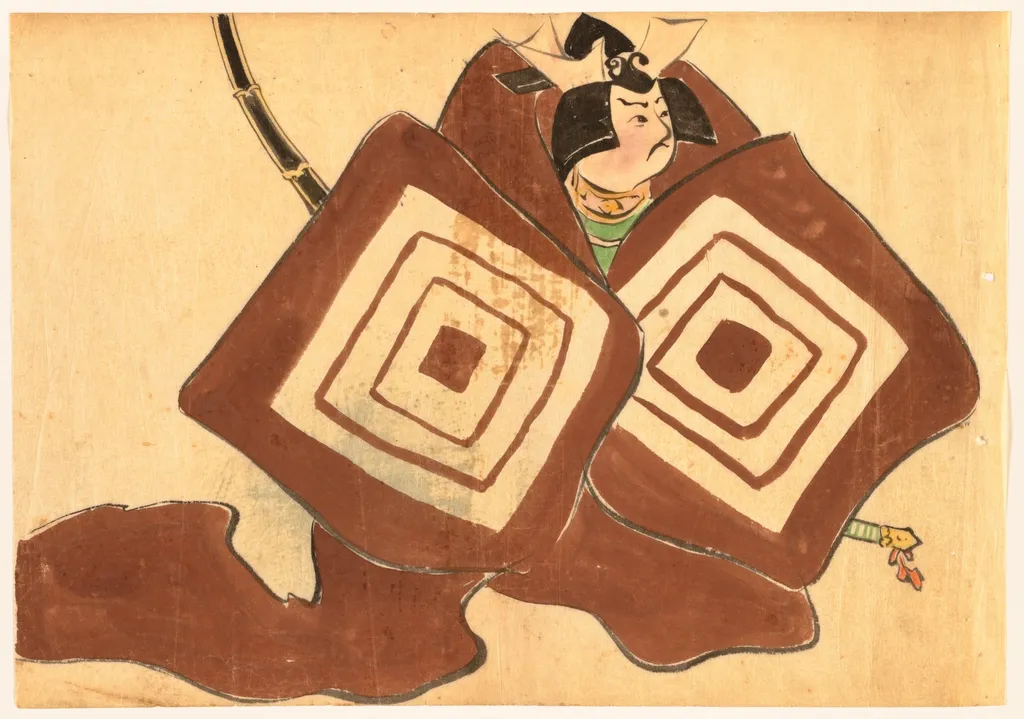
Flowers of a Hundred Worlds (Momoyogusa): Shibaraku (Shibaraku) is a drawing by Kamisaka Sekka. It dates from 1909 and is held in the collection of the Cleveland Museum of Art.
About this work
This painting shows a splash of red flowers against bright green leaves on white paper. The artist used loose, quick lines for the sketch. That’s why the flowers look alive and loose, not stiff.
Sekka made many drawings like this before the final prints. He worked fast to catch the flower’s quick beauty.
Look up Kamisaka Sekka (Japanese, 1866–1942) to see more of his work.
Overview
These sketches were not intended as final works but as studies to capture the essence of floral forms before translating them into printed designs.
Kamisaka Sekka created a series of preparatory drawings for Flowers of a Hundred Worlds using ink and light color on tracing paper. These sketches were not intended as final works but as studies to capture the essence of floral forms before translating them into printed designs. Their spontaneity contrasts with the refined precision of the later prints, revealing the artist’s process of observation and refinement.
Subject & Meaning
The drawing depicts a cluster of red flowers with vibrant green foliage, rendered without botanical rigidity. Rather than documenting a specific species, Sekka sought to convey the fleeting vitality of blossoms in motion. The subject reflects a broader Japanese aesthetic tradition that honors transient natural beauty, emphasizing rhythm and energy over literal representation.
Technique & Style
Sekka employed swift, fluid brushwork to suggest form with minimal strokes. Ink lines vary in weight and pressure, creating a sense of movement, while translucent washes of color hint at petal and leaf tones without full saturation. The use of tracing paper allowed him to layer and revise compositions, preserving the immediacy of his initial impressions before finalizing them in print.
History & Provenance
These preparatory sketches were made in the early 20th century as part of Sekka’s effort to revitalize traditional Japanese decorative arts through modern design. Though the finished prints gained recognition, the drawings remained largely in private hands or studio archives, valued by scholars for their insight into his creative method rather than as standalone artworks.
Context
Sekka worked during a period of cultural reevaluation in Japan, when artists sought to reconcile traditional motifs with contemporary aesthetics. His Flowers of a Hundred Worlds series drew from classical textile patterns and nature studies, yet his loose sketching approach reflected influences from Western modernism and the emphasis on expressive line found in avant-garde circles of the time.
Legacy
Sekka’s preparatory drawings for the series are now recognized as vital documents of his artistic process. They illustrate how traditional Japanese design could be revitalized through direct observation and improvisation. These works continue to inform contemporary discussions on the relationship between sketch and final form in decorative arts.
Artist & collection
Artist
Kamisaka Sekka (神坂 雪佳; 1866–1942) was an important artistic figure in early twentieth-century Japan.

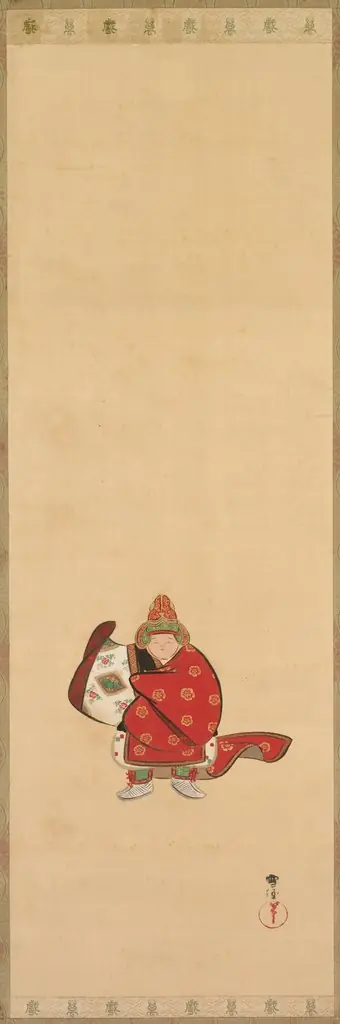 Bugaku Dancer
 Bugaku Dancer
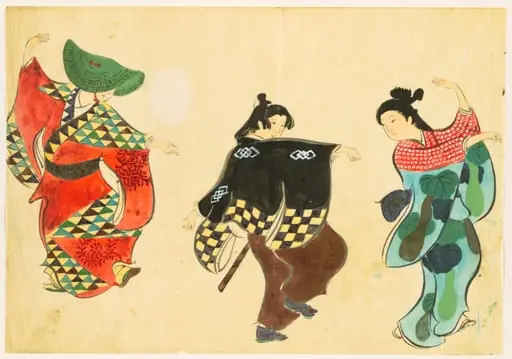 Flowers of a Hundred Worlds (Momoyogusa): Dancing (Odori)
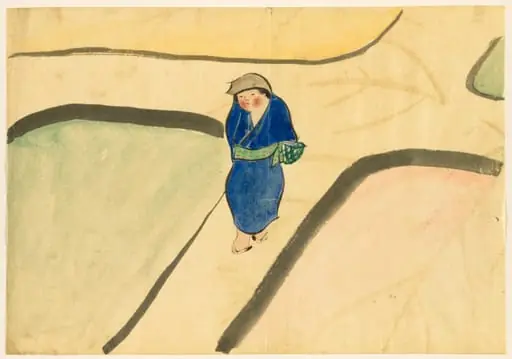 Flowers of a Hundred Worlds (Momoyogusa): Spring Field (Haru no tanomo)
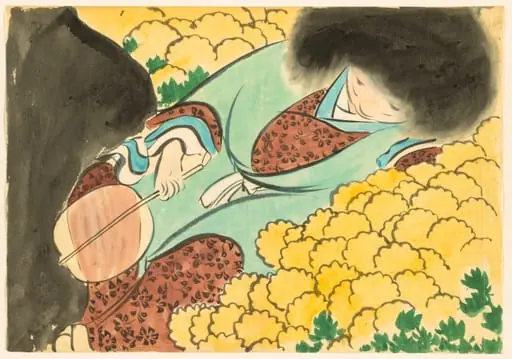 Flowers of a Hundred Worlds (Momoyogusa): Chrysanthemum Boy (Kikujidō)
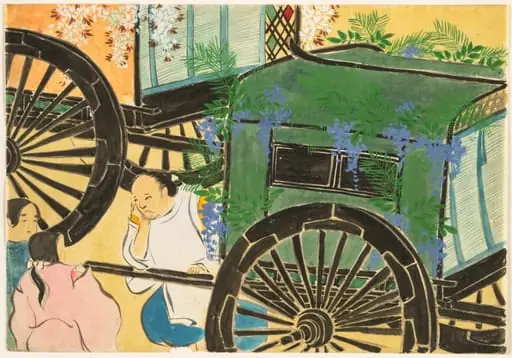 Flowers of a Hundred Worlds (Momoyogusa): Flower-draped Carts
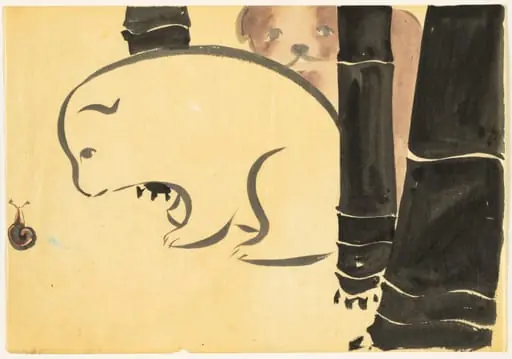 Flowers of a Hundred Worlds (Momoyogusa): Puppies (Enokoro)
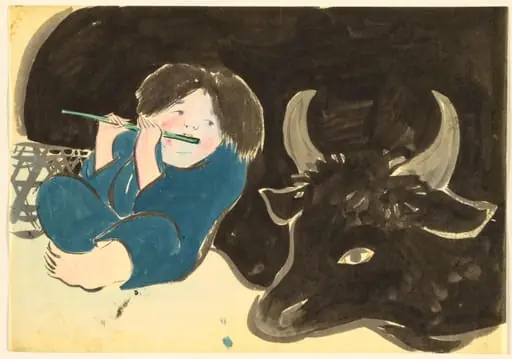 Flowers of a Hundred Worlds (Momoyogusa): Oxherd (Bokudo)
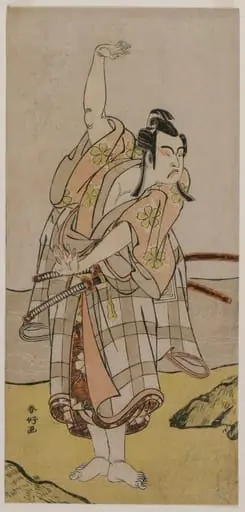 Actor Ichikawa Yaozō II as Sakuramaru
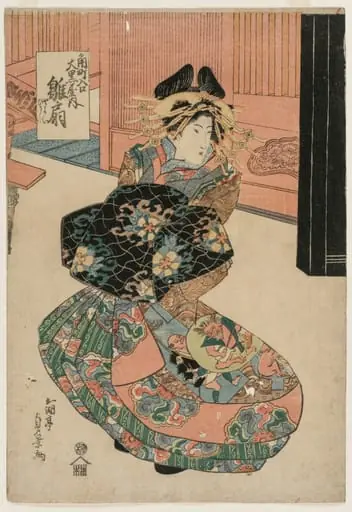 The Courtesan Hinaogi of the Daikokuya at the Entrance of Kadomachi
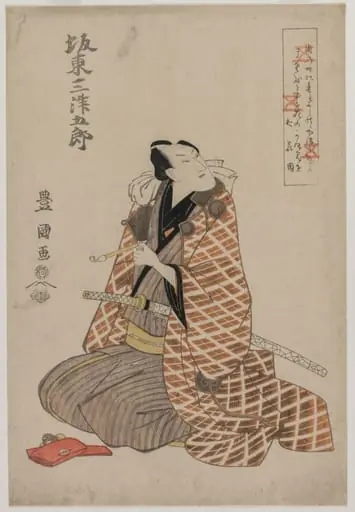 Bando Mitsugoro IV in a Travelling Robe
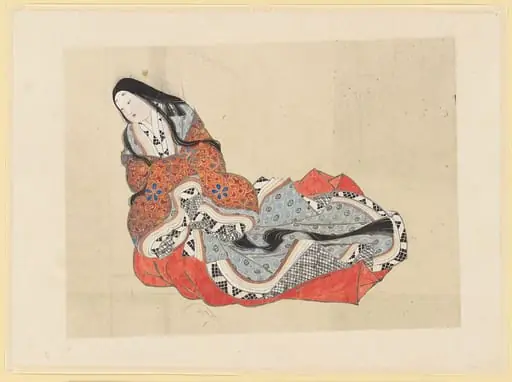 Untitled
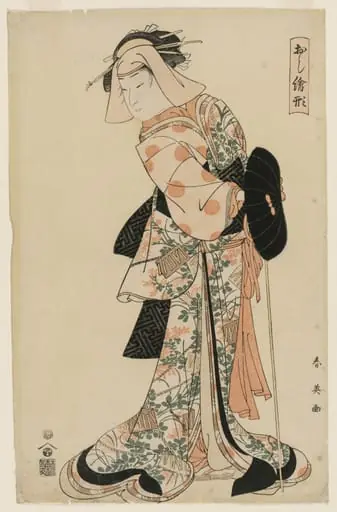 Dancer as Kuzunoha, Fox Spirit Disguised as a Woman
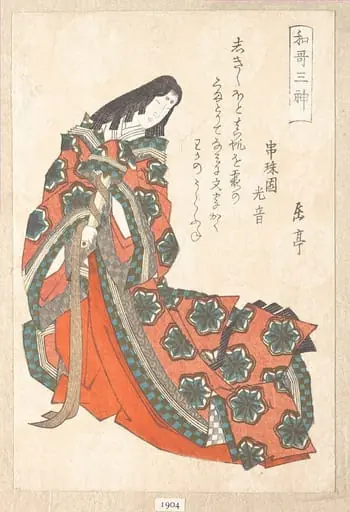 八島岳亭画 『和歌三神』 衣通姫|Sotoori-hime (early 5th century), One of the Three Gods of PoetryFrom the Spring Rain Collection (Harusame shū), vol. 1
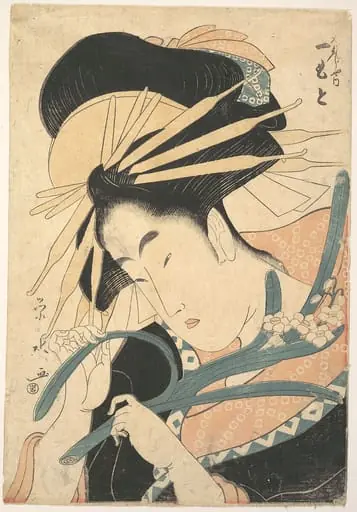 Untitled
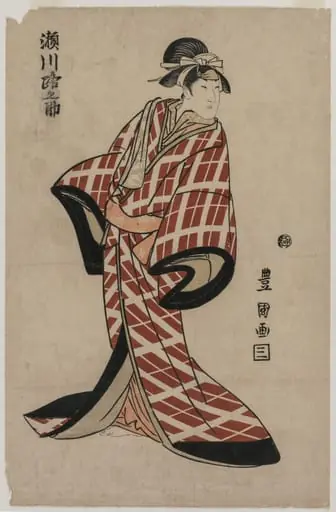 Segawa Michinosuke Wearing a Padded Plaid Robe
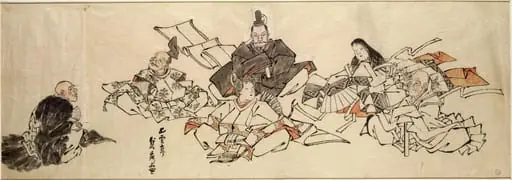 Untitled
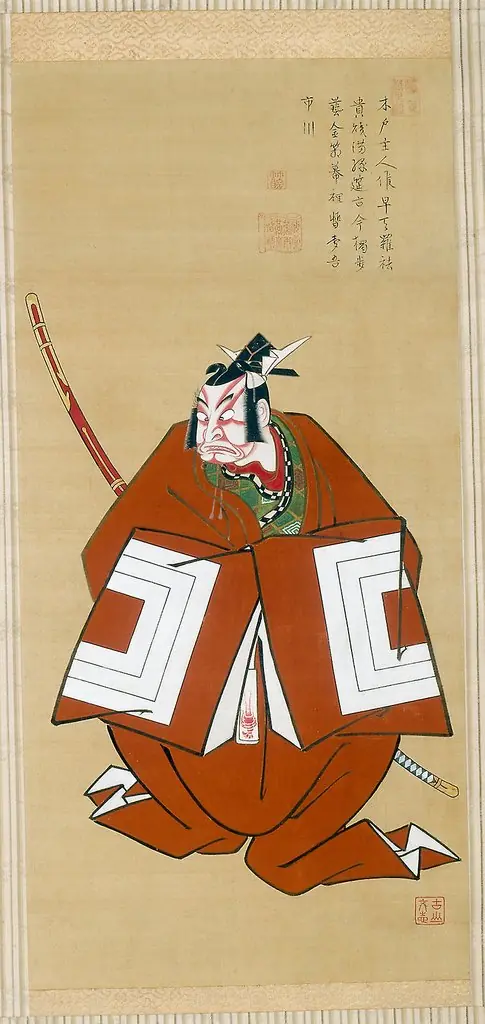 Portrait of Ichikawa Danjuro II as Kamakura no Gongorô
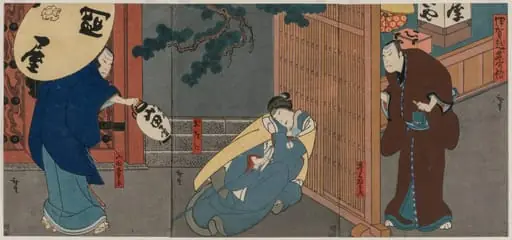 A Tale of Valor at Iga Pass