Artwork
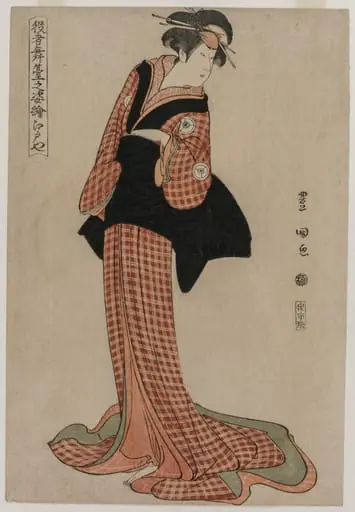
Segawa Michinosuke Wearing a Padded Plaid Robe
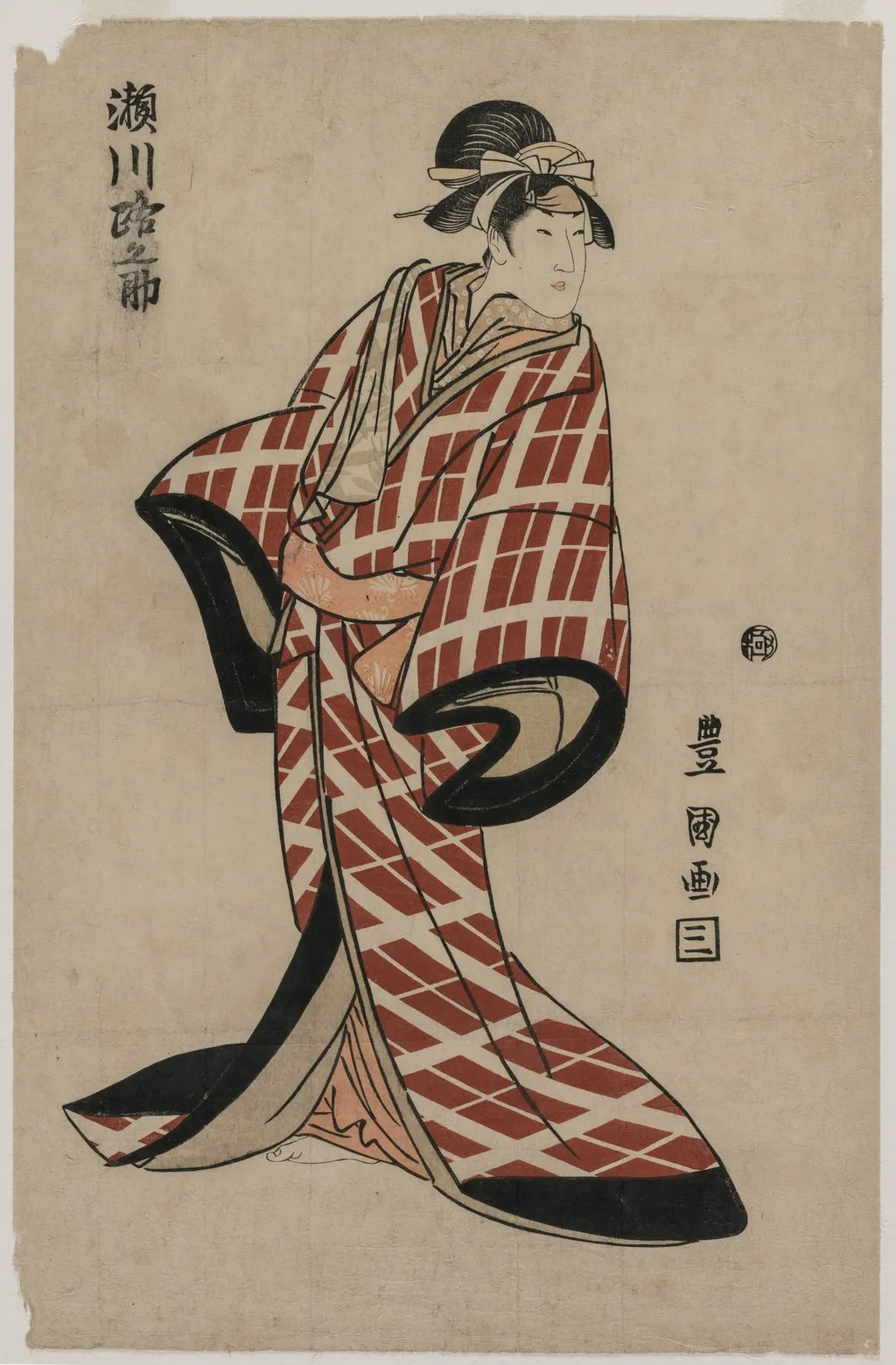
Segawa Michinosuke Wearing a Padded Plaid Robe is a print by the Romanticist artist Utagawa Toyokuni I. It dates from 1805 and is held in the collection of the Cleveland Museum of Art. This woodblock print, dated around 1805, depicts the kabuki actor Segawa Michinosuke in a padded plaid robe.
About this work
Overview
This woodblock print, dated around 1805, depicts the kabuki actor Segawa Michinosuke in a padded plaid robe. Created by Utagawa Toyokuni, it belongs to the ukiyo-e tradition of Japanese printmaking. The work is part of the collection at The Cleveland Museum of Art and exemplifies the genre’s focus on theatrical figures and fashionable attire of the Edo period.
Subject & Meaning
The subject is a male kabuki actor portraying a refined character, likely from a domestic or romantic play. The elaborate robe and formal hairstyle signal social status and theatrical persona rather than everyday dress. The open robe revealing an embroidered undergarment suggests intimacy and elegance, common in portrayals of idealized male beauty in Edo-period theater culture.
Technique & Style
The plaid pattern is rendered with precision, contrasting with the smooth, unpatterned background that isolates the figure.
Toyokuni employed fine line work and flat, bold color fields typical of early 19th-century ukiyo-e. The plaid pattern is rendered with precision, contrasting with the smooth, unpatterned background that isolates the figure. The use of subtle gradients in the robe’s folds and the delicate floral embroidery on the undergarment demonstrate attention to textile detail, enhancing realism within stylized conventions.
History & Provenance
The print was produced during Toyokuni’s peak years as a leading designer of actor portraits. It likely circulated as a single-sheet print among theater patrons and collectors. Acquired by The Cleveland Museum of Art in the 20th century, its provenance reflects the growing Western interest in Japanese prints following their introduction to Europe and America in the late 1800s.
Context
In early 1800s Edo, actor prints were popular commodities, functioning as both advertising and fan memorabilia. The padded robe, known as a 'kamishimo,' was worn by male characters of high rank. Toyokuni’s compositions emphasized expressive posture and costume detail, aligning with audiences’ fascination with kabuki’s visual spectacle and the social codes it mirrored.
Legacy
Toyokuni’s actor prints helped define the aesthetic of ukiyo-e portraiture in the Edo period. This work contributes to the broader understanding of how theater, fashion, and print culture intersected in urban Japan. While not widely reproduced today, it remains a representative example of the genre’s precision and cultural specificity.
Artist & collection

Artist
Toyokuni was a born showman who made sure the energy of Edo’s kabuki stage never faded on paper.

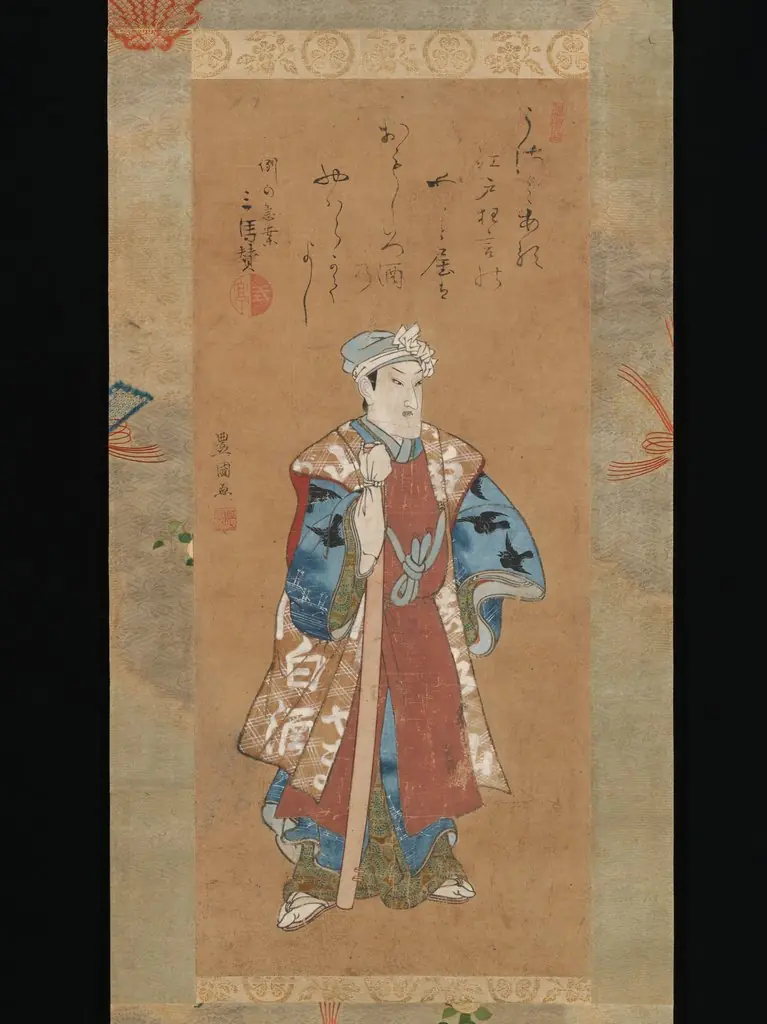 Bandō Mitsugorō II as Shinbei in the Kabuki Play "Sukeroku"
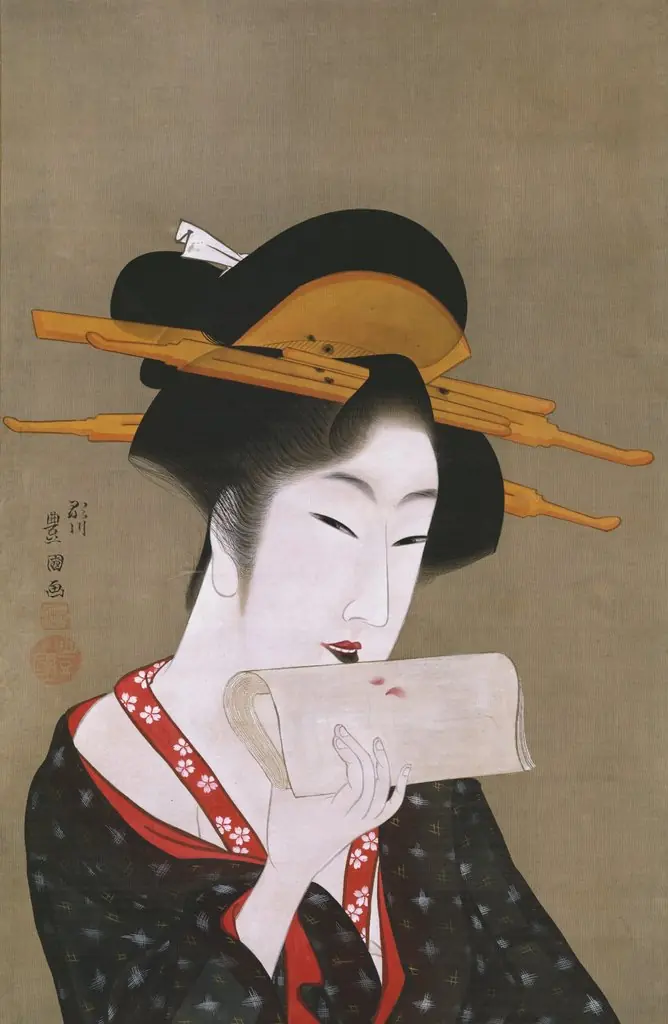 Beauty Blotting Her Lip Rouge
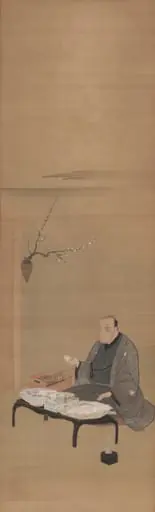 Portrait of Kinokuniya Bunzaemon
 Untitled
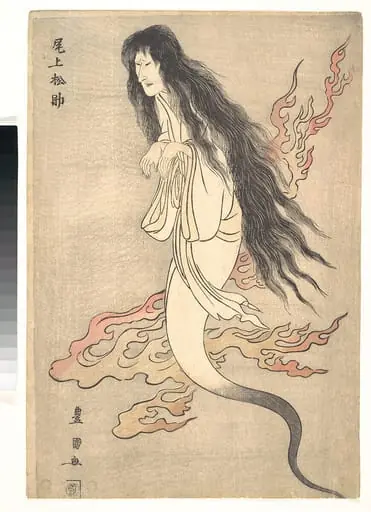 Tokaido Yotsuya Kaidan|Onoe Matsusuke as the Ghost of the Murdered Wife Oiwa, in "A Tale of Horror from the Yotsuya Station on the Tokaido Road"
 Untitled
 Untitled
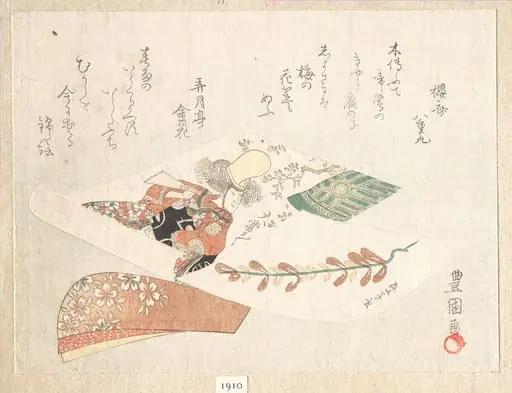 娘道成寺図の錦絵|Print of a Kabuki Dancer from the Maiden of the Dōjōji Temple (Musume Dōjōji)
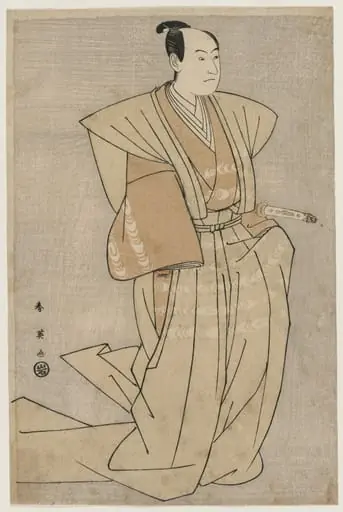 Sawamura Sojuro III as Enya Hangan in Kanadehon Chushingura
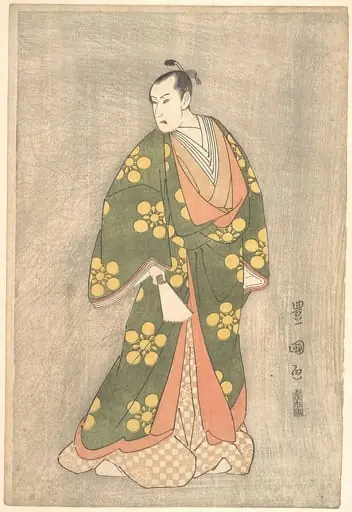 Untitled
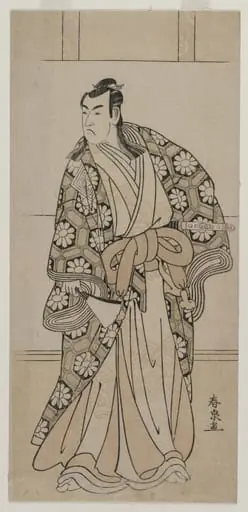 Ichikawa Monnosuke II as a Lord
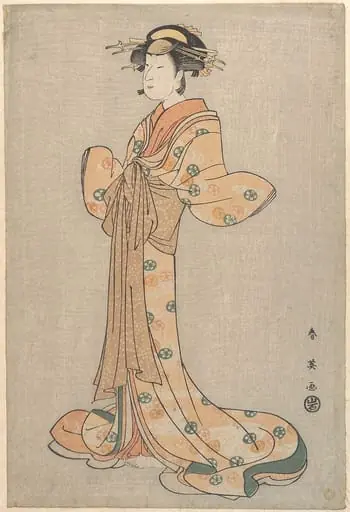 二代目中村二代目中村野塩のお軽|The Actor Nakamura Noshio II as the Courtesan Okaru
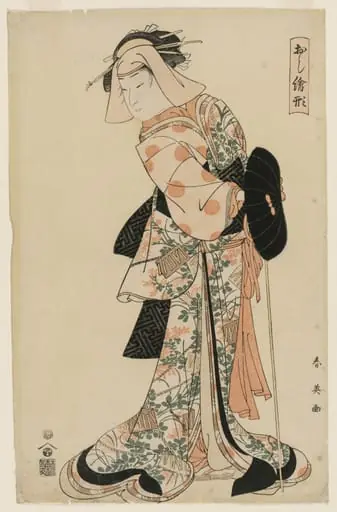 Dancer as Kuzunoha, Fox Spirit Disguised as a Woman
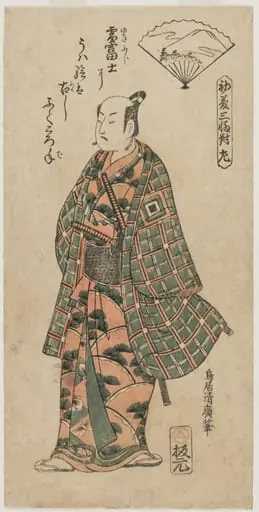 Ichikawa Danjuro II as a Young Samurai
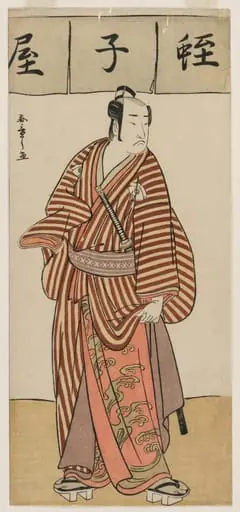 Onoe Matsusuke I as Ebisu, from The Stand-In Seven Gods of Good Fortune
 Untitled
 Untitled
 Ichimura Uzaemon IX as Soga no Juro
 Bando Mitsugoro IV in a Travelling Robe
 Iwai Kiyotaro (Edoya) as Okaru (from the series Pictures of Actors Onstage)