Artwork
Untitled
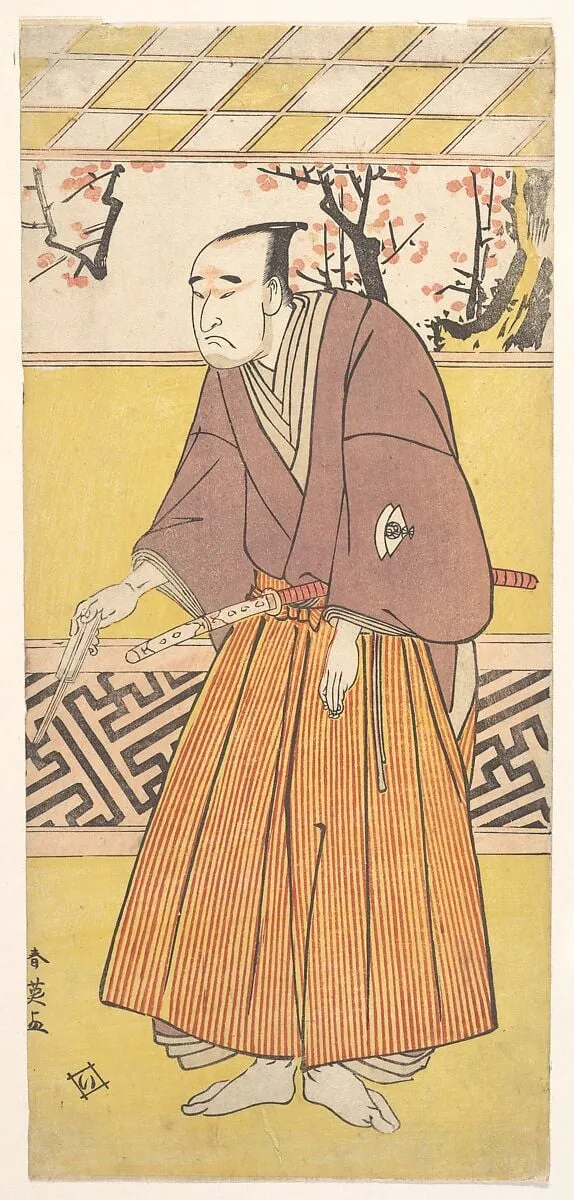
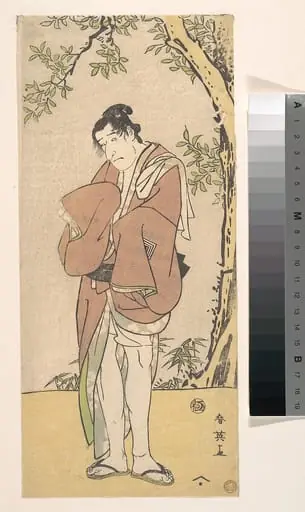
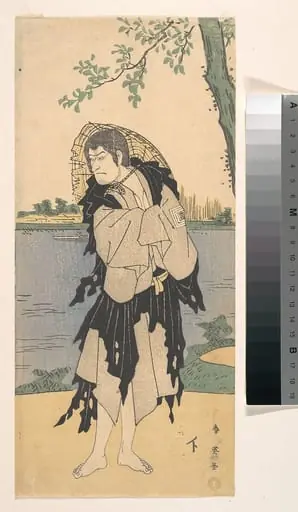
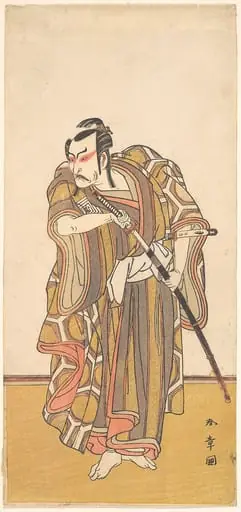
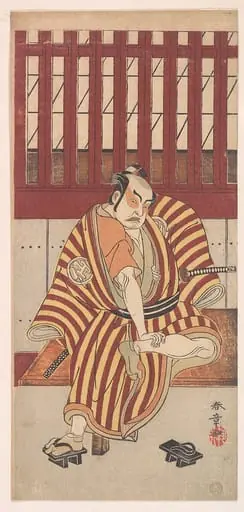
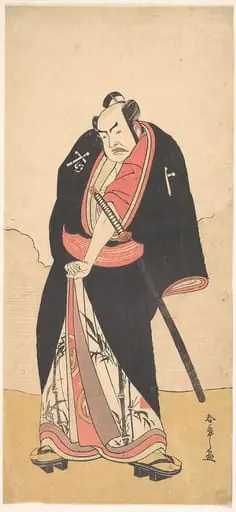
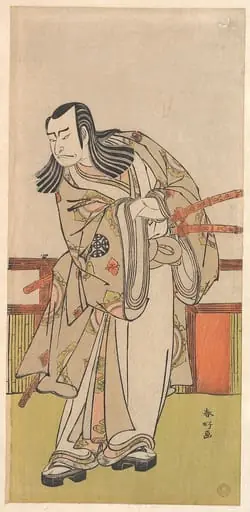
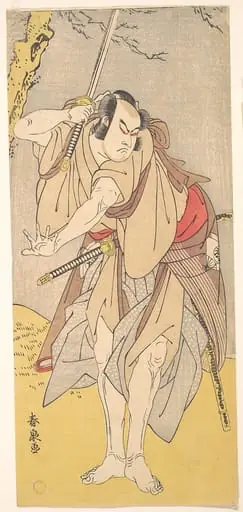
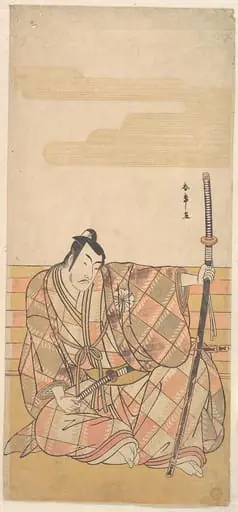
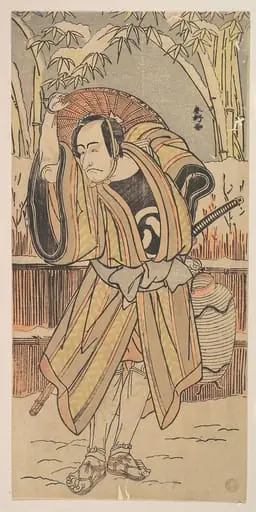
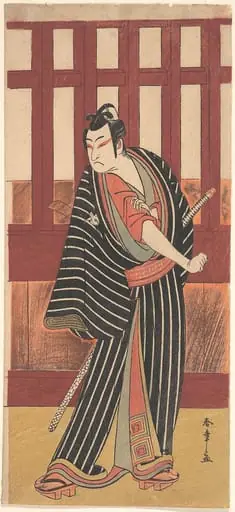
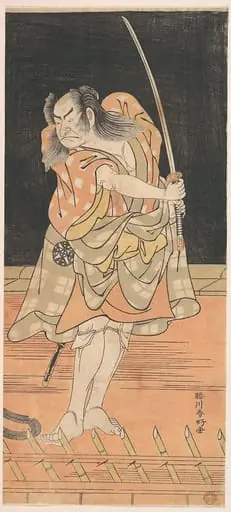
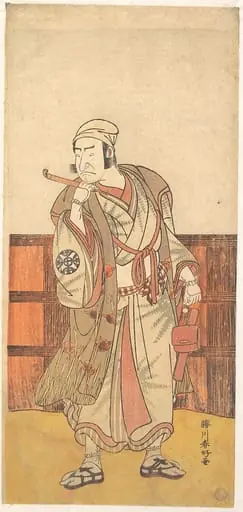
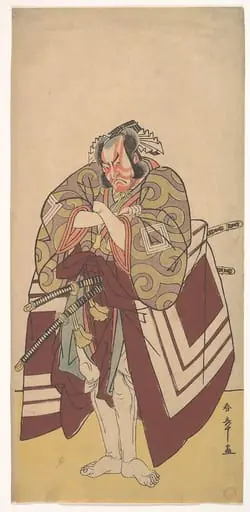
Untitled is an ink print by the Romanticist artist Katsukawa Shun'ei 勝川春英. It dates from 1780 and is held in the collection of the Metropolitan Museum of Art.
About this work
Overview
Created around 1780, this woodblock print by Katsukawa Shun'ei is a quiet portrait of a man in domestic attire, rendered in ink and color on paper.
Created around 1780, this woodblock print by Katsukawa Shun'ei is a quiet portrait of a man in domestic attire, rendered in ink and color on paper. It belongs to The Metropolitan Museum of Art’s print collection and exemplifies the ukiyo-e tradition’s interest in ordinary moments rather than mythic or theatrical spectacle. The composition avoids dramatic flair, emphasizing stillness and subtle detail.
Subject & Meaning
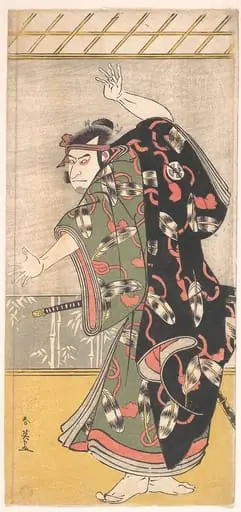
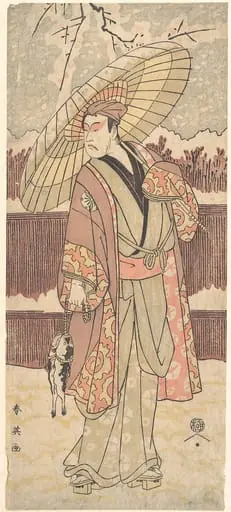
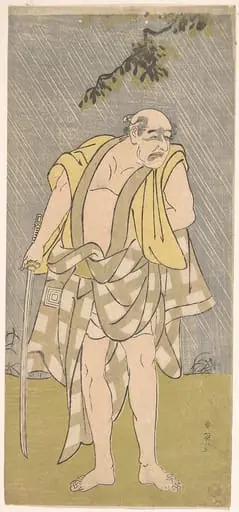
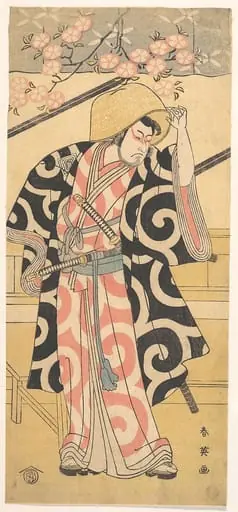
The figure, barefoot and clad in a loose robe over striped trousers, holds a fan and carries a sword at his hip. His expression is composed, suggesting contemplation rather than action. Cherry blossoms visible through the window imply transience, a recurring theme in Japanese aesthetics. The setting—a modest interior with patterned flooring—grounds the image in daily life, hinting at a samurai or scholar in repose.
Technique & Style
The print was produced using traditional woodblock printing, a method widely used in Edo-period Japan. Fine lines define the folds of fabric and the texture of the floor, while muted colors enhance the subdued mood. Shun'ei’s attention to textile patterns and facial nuance reflects a shift from idealized actor portraits toward more intimate, psychologically grounded depictions of individuals.
History & Provenance
The work dates to the late 18th century, a period when ukiyo-e artists increasingly turned from theatrical subjects to scenes of everyday life. While specific ownership history before its acquisition by The Metropolitan Museum of Art is not documented, its style aligns with Shun'ei’s known output during his active years in Edo, where he contributed to the evolution of genre portraiture.
Context
During the 1780s, Japanese printmakers began moving beyond kabuki actor imagery toward more personal, civilian subjects. Shun'ei’s work reflects this trend, capturing individuals in private moments rather than public performance. The inclusion of a sword alongside casual dress signals the blurred boundaries between samurai identity and civilian life in late Edo society.
Legacy
This print contributes to a broader shift in ukiyo-e toward psychological realism and domestic intimacy. Though less celebrated than contemporaries like Utamaro or Hokusai, Shun'ei’s focus on quiet, unadorned figures influenced later artists who sought to portray the inner life of ordinary people, expanding the emotional range of Japanese printmaking.
Artist & collection