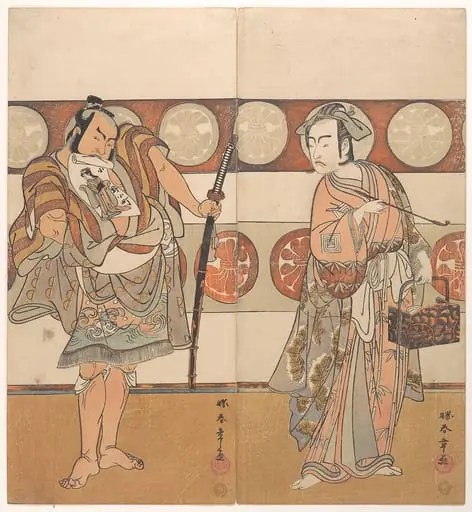
Artwork
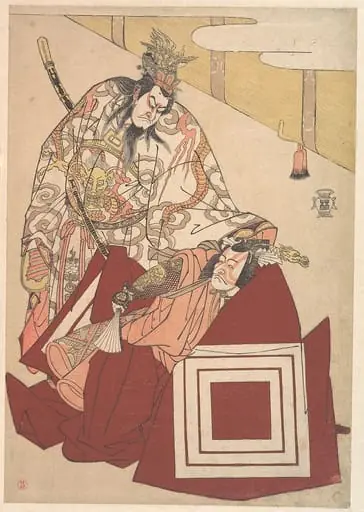
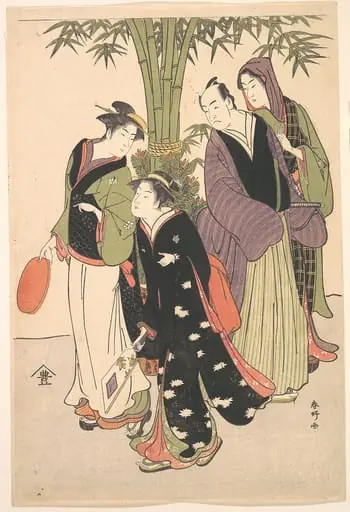
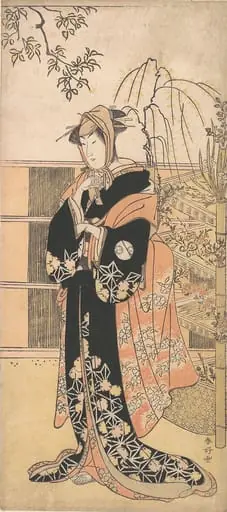
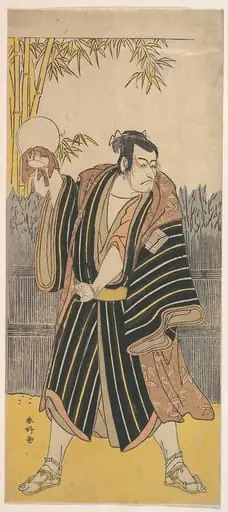
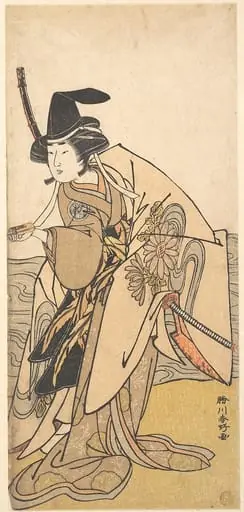
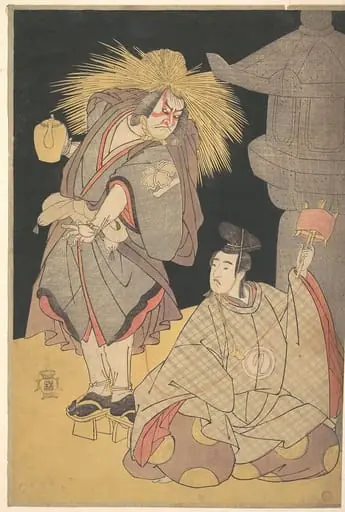
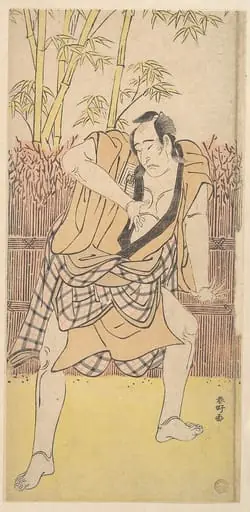
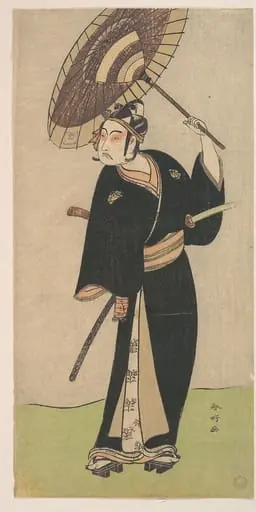
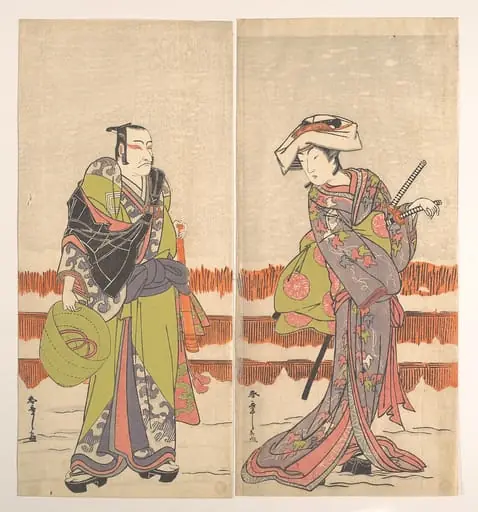
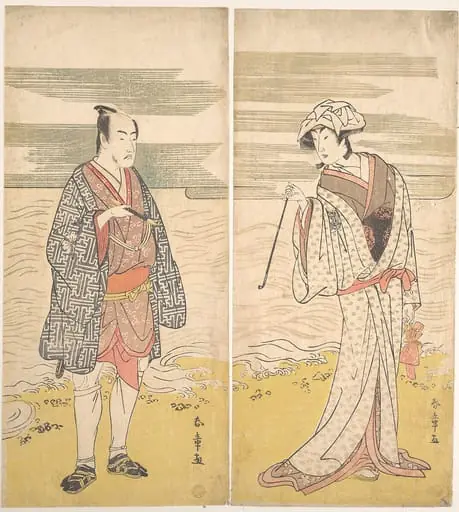
勝川春好画 三代目澤村宗十郎 三代目佐野川市松 |Kabuki Actors Sawamura Sōjūrō III and Sanogawa Ichimatsu III in "A Courtesan’s Mirror for the Eastern Provinces" (Keisei Azuma kagami)
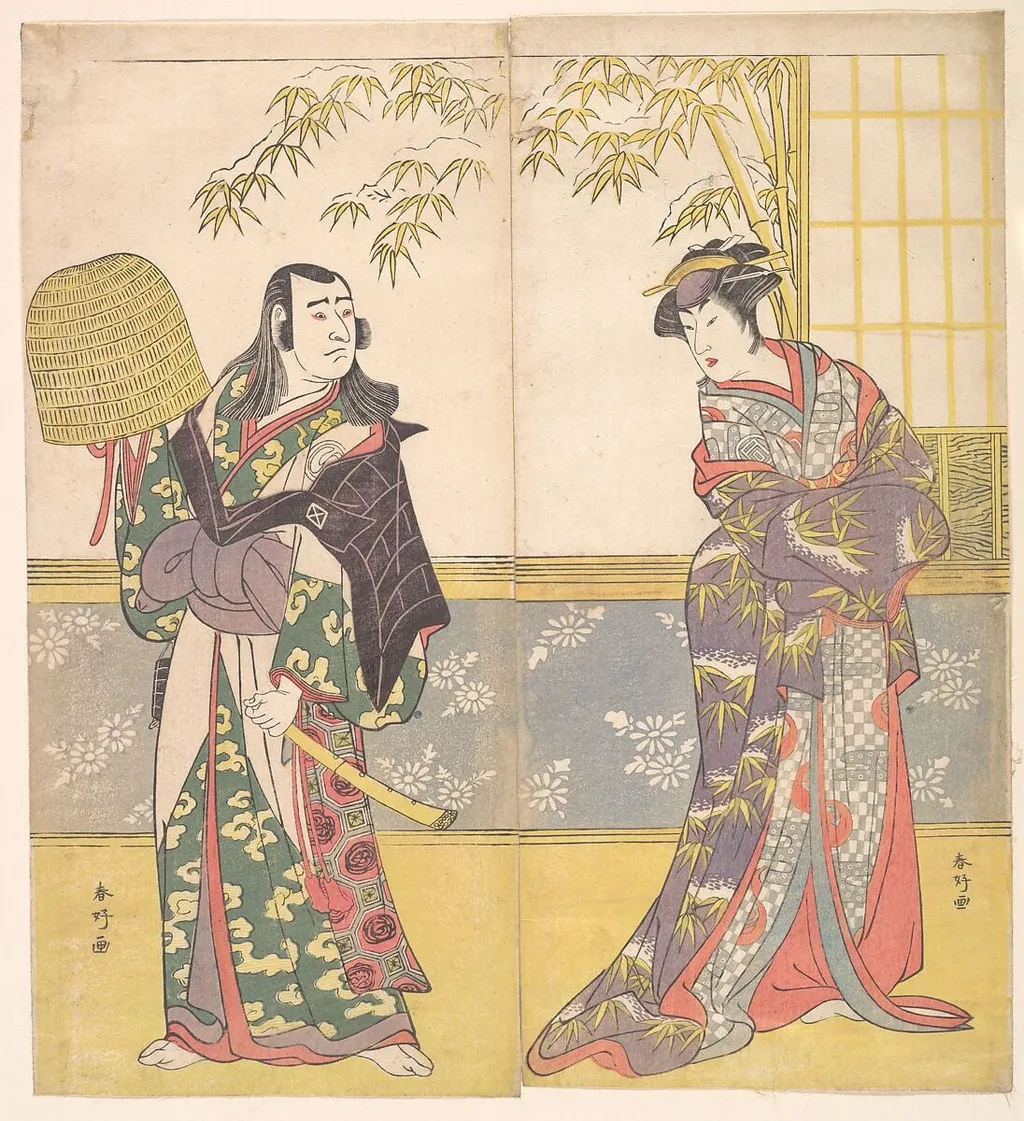
勝川春好画 三代目澤村宗十郎 三代目佐野川市松 |Kabuki Actors Sawamura Sōjūrō III and Sanogawa Ichimatsu III in "A Courtesan’s Mirror for the Eastern Provinces" (Keisei Azuma kagami) is an ink print by the Romanticist artist Katsukawa Shunkō. It dates from 1788 and is held in the collection of the Metropolitan Museum of Art.
About this work
Overview
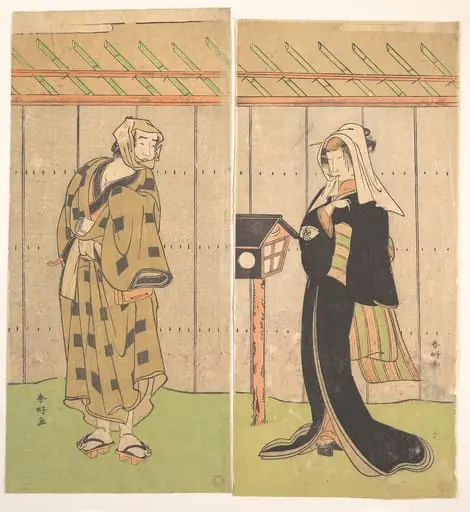
Created in 1788 by the ukiyo‑e artist Katsukawa Shunkō, this diptych consists of two woodblock prints executed in ink and color on paper. The work portrays two kabuki performers—Sawamura Sōjūrō III and Sanogawa Ichimatsu III—costumed for the play “A Courtesan’s Mirror for the Eastern Provinces” (Keisei Azuma kagami). The pair is held in the collection of the Metropolitan Museum of Art.
Subject & Meaning
Their stylized makeup and poised stances convey the drama of the stage, inviting viewers to recall the narrative of the kabuki performance.
The figures are rendered in elaborate, patterned garments that signal their theatrical roles rather than ordinary attire. The left figure, clutching a woven basket, wears a dark wig and a solemn expression; the right figure stands with crossed arms in a red‑and‑gold kimono with a checkered sleeve. Their stylized makeup and poised stances convey the drama of the stage, inviting viewers to recall the narrative of the kabuki performance.
Technique & Style
Shunkō employed the traditional ukiyo‑e woodblock process, carving separate blocks for line work and each color. Ink and vivid pigments are applied to the paper, producing the bright robes and stark background. The composition uses a minimal backdrop—a single tree branch—to focus attention on the actors, while the bold outlines and flat color fields reflect the aesthetic of late‑eighteenth‑century printmaking.
History & Provenance
The diptych was produced during the peak of the Katsukawa school’s focus on actor portraiture, a genre that catered to theater‑going audiences. After its creation, the prints circulated as popular souvenirs of kabuki productions. They entered the Metropolitan Museum of Art’s collection in the twentieth century, where they remain as documented examples of Edo‑period theatrical imagery.
Context
In the late 1700s, kabuki actors achieved celebrity status, and ukiyo‑e artists frequently depicted them in promotional or commemorative prints. This work exemplifies that relationship, capturing a specific performance and the visual language of the stage. The inclusion of recognizable actors and costume details offers insight into contemporary fashion, theatrical conventions, and the commercial art market of Edo Japan.
Artist & collection

Artist
Katsukawa Shunkō spent his life in Edo, where crowded theaters and teahouses buzzed around him.