Artwork
四代目市川団十郎の奴淀平・初代中村歌右衛門の清水の清玄|Actors Ichikawa Danjūrō IV as Yakko Yodohei and Nakamura Utaemon I as the Monk Kiyomizu no Seigen
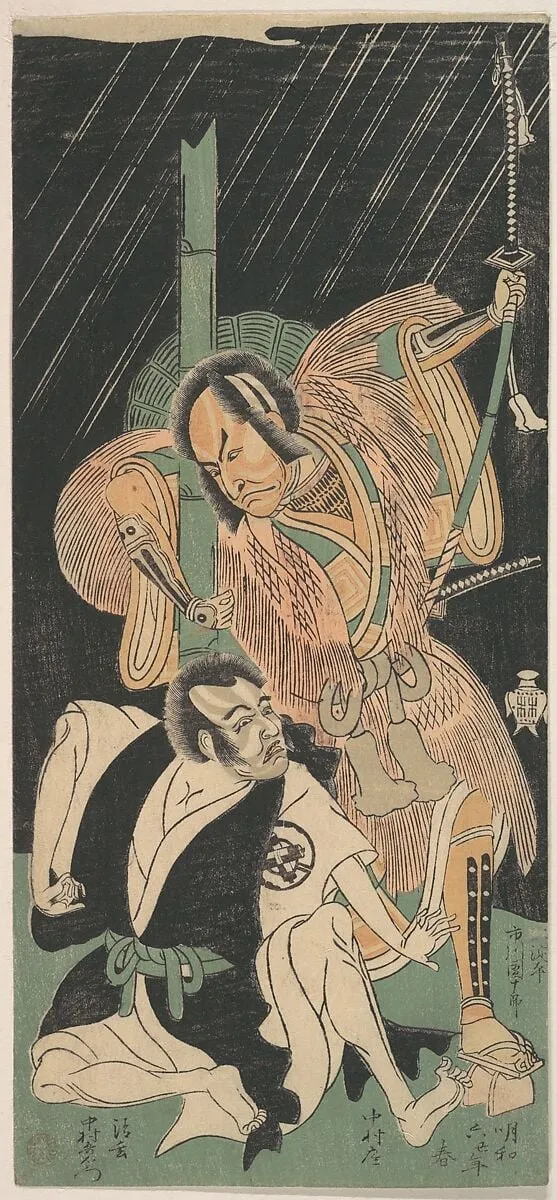
四代目市川団十郎の奴淀平・初代中村歌右衛門の清水の清玄|Actors Ichikawa Danjūrō IV as Yakko Yodohei and Nakamura Utaemon I as the Monk Kiyomizu no Seigen is an ink print by the Romanticist artist Katsukawa Shunshō. It dates from 1769 and is held in the collection of the Metropolitan Museum of Art.
About this work
Overview
This 1769 woodblock print by Katsukawa Shunshō depicts two kabuki actors in dramatic roles, rendered in nishiki-e technique with ink and color on paper.
This 1769 woodblock print by Katsukawa Shunshō depicts two kabuki actors in dramatic roles, rendered in nishiki-e technique with ink and color on paper. The composition presents a moment of intense confrontation between the characters Yakko Yodohei and Kiyomizu no Seigen. The print is part of The Metropolitan Museum of Art’s collection and exemplifies the ukiyo-e tradition of portraying theatrical performances with heightened emotional clarity and formal precision.
Subject & Meaning
The print captures a scene from a kabuki play featuring Ichikawa Danjūrō IV as the defiant servant Yakko Yodohei and Nakamura Utaemon I as the monk Kiyomizu no Seigen. The standing figure, armed and dominant, contrasts with the kneeling monk, whose gaze suggests submission or moral reckoning. The dynamic poses and serious expressions convey a narrative of power, duty, and spiritual tension, typical of kabuki’s dramatized moral conflicts.
Technique & Style
Shunshō employs bold outlines and layered color blocks characteristic of mid-Edo period nishiki-e. The dark background, marked by diagonal lines, implies rain, enhancing the scene’s somber mood. Elaborate textile patterns on the standing figure’s robe distinguish his status, while the monk’s simpler attire underscores his ascetic role. The use of perspective and expressive facial details heightens psychological intensity without relying on realistic depth.
History & Provenance
Created in 1769, the print was produced during the height of kabuki’s popularity in Edo. As a portrait of two leading actors of the time, it served both as theatrical promotion and collectible art. The print entered The Metropolitan Museum of Art’s collection through documented acquisitions of Japanese prints in the early 20th century, preserving its role as a cultural artifact of Edo-period performance culture.
Context
During the 1760s, ukiyo-e artists like Shunshō specialized in actor portraits, known as yakusha-e, which catered to the public’s fascination with kabuki stars. These prints were mass-produced and widely circulated, functioning as both fan memorabilia and artistic commentary. The pairing of a servant and a monk reflects kabuki’s interest in social hierarchy and moral ambiguity, themes central to the genre’s dramatic repertoire.
Legacy
Shunshō’s work helped define the aesthetic of actor portraiture in ukiyo-e, influencing later artists such as Sharaku and Utamaro. This print remains a key example of how theatrical performance was translated into visual form, bridging live drama and print culture. Its preservation in major collections underscores its significance in documenting the social and artistic life of 18th-century Japan.
Artist & collection
Artist
Katsukawa Shunshō spent his life in Edo (now Tokyo), where the city’s teahouses and theaters buzzed with energy.

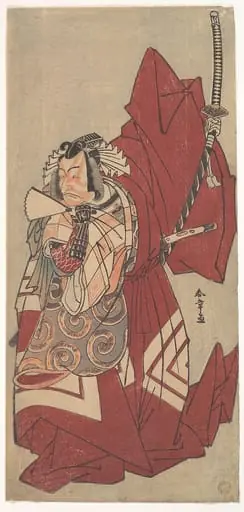 五代目市川団十郎|Kabuki Actor Ichikawa Danjūrō V in a Shibaraku (Stop Right There!) Role as Hannya no Gorō
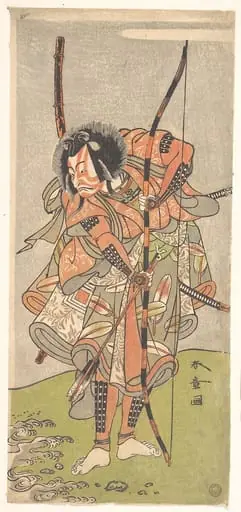 三代目市川海老蔵|Kabuki Actor Ichikawa Ebizō III (Ichikawa Danjūrō IV)
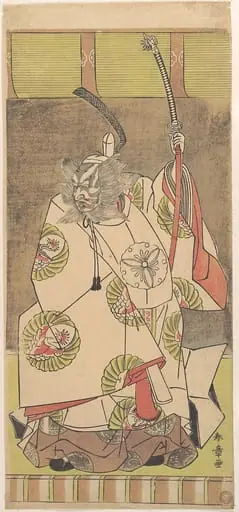 四代目市川団十郎|Kabuki Actor Ichikawa Danjūrō IV
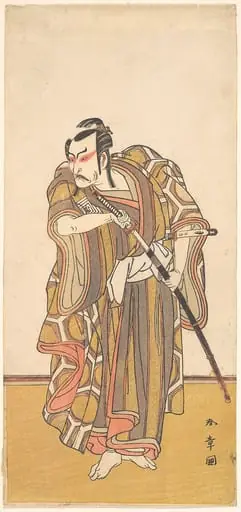 四代目市川團蔵|Kabuki Actor Ichikawa Danzō IV
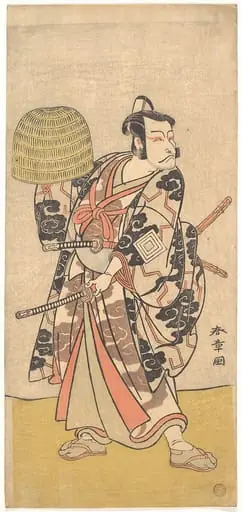 勝川春章画 五代目市川團十郎|Kabuki Actor Ichikawa Danjūrō V
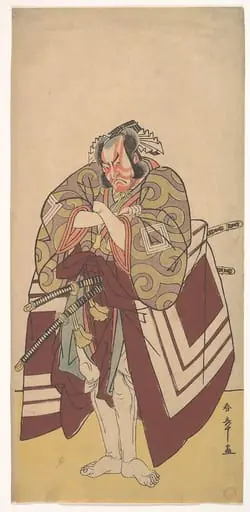 五代目市川団十郎|Kabuki Actor Ichikawa Danjūrō V in a Shibaraku (Stop Right There!) Role
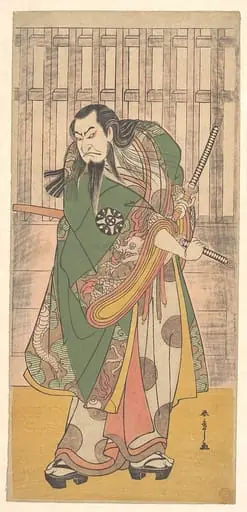 初代中村中蔵の髭の伊久|The Actor Nakamura Nakazō I as the Elderly Samurai Hige no Ikyū
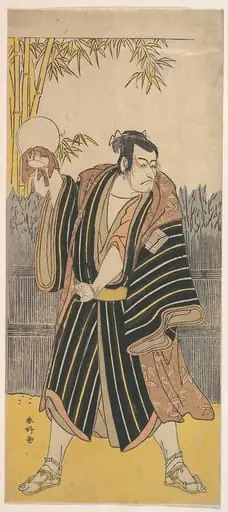 勝川春好画 七代目片岡仁左衛門 五代目市川團十郎|Kabuki Actor Ichikawa Danjūrō V
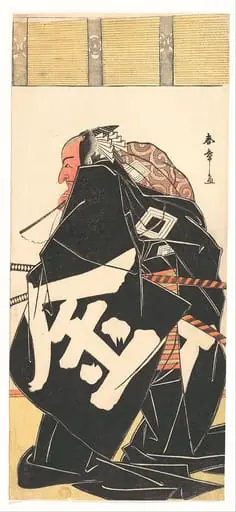 五代目市川団十郎|Kabuki Actor Ichikawa Danjūrō V as Sakata Kintoki in the Play Raikō’s Four Intrepid Retainers in the Costume of the Night Watch (Shitennō tonoi no kisewata)