Artwork
三代目市川海老蔵|Kabuki Actor Ichikawa Ebizō III (Ichikawa Danjūrō IV)
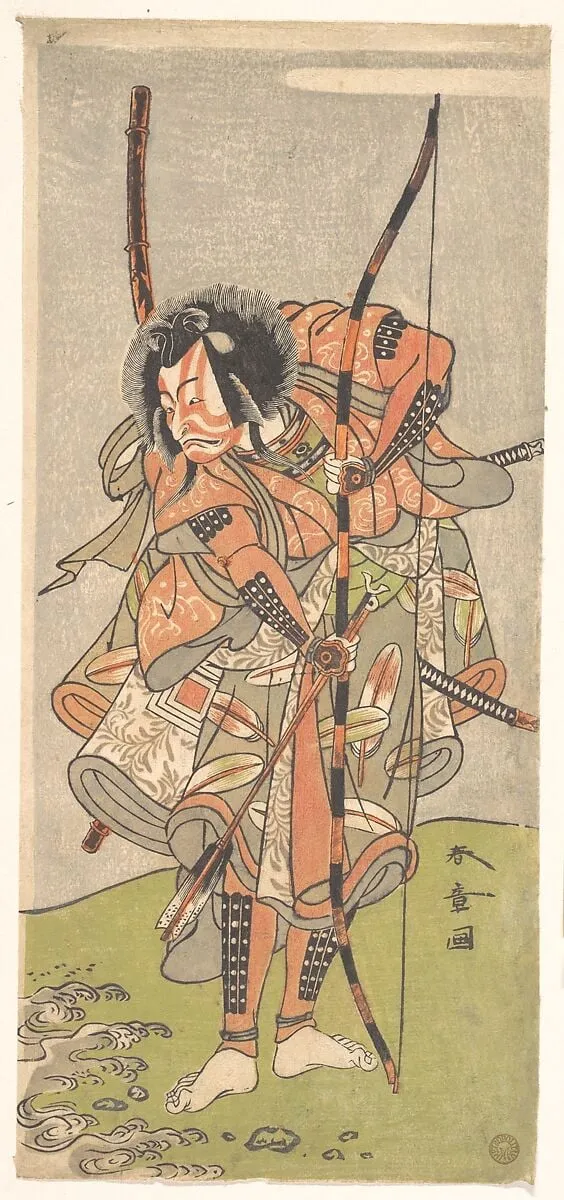
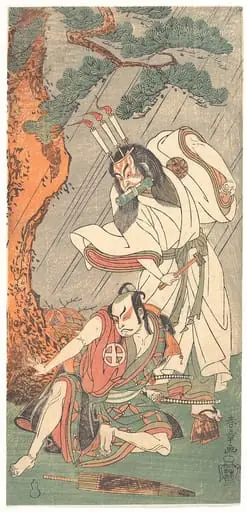
三代目市川海老蔵|Kabuki Actor Ichikawa Ebizō III (Ichikawa Danjūrō IV) is an ink print by the Romanticist artist Katsukawa Shunshō. It dates from 1774 and is held in the collection of the Metropolitan Museum of Art.
About this work
Overview
This woodblock print, created in 1774 by Katsukawa Shunshō, depicts the kabuki actor Ichikawa Ebizō III, who also held the name Ichikawa Danjūrō IV.
This woodblock print, created in 1774 by Katsukawa Shunshō, depicts the kabuki actor Ichikawa Ebizō III, who also held the name Ichikawa Danjūrō IV. Rendered in nishiki-e, a multi-color printing technique, the image captures the actor in a dramatic stage pose. The work is part of the collection at The Metropolitan Museum of Art and exemplifies the ukiyo-e tradition of portraying popular theatrical figures of the Edo period.
Subject & Meaning
The print portrays the actor in the role of a warrior, armed with bow and arrow, embodying a character from a historical or martial drama. His intense gaze and poised stance convey the gravity of the moment, aligning with kabuki’s emphasis on heightened emotion and stylized action. The costume and props reflect the theatrical conventions of the time, where actors were celebrated as cultural icons and their roles carried symbolic weight beyond entertainment.
Technique & Style
Shunshō employed the nishiki-e method, using multiple carved blocks to layer ink and color with precision. The robe’s intricate patterns and subtle gradations in the background demonstrate refined printing skills. Facial features are rendered with delicate lines, capturing the actor’s expression without naturalism, in keeping with kabuki’s theatrical aesthetics. The composition isolates the figure against a plain ground, directing focus to posture and costume as markers of identity.
History & Provenance
Produced in 1774 during the height of Shunshō’s career, the print was likely distributed as a theatrical portrait for fans. It entered the collection of The Metropolitan Museum of Art through documented acquisitions in the 20th century, preserving its original condition. As a product of the Edo-period print industry, it reflects the commercial and cultural demand for images of celebrated actors among urban audiences.
Context
In late 18th-century Edo, kabuki theater was a central form of popular entertainment, and actor portraits were widely circulated as collectibles. Shunshō, a leading artist of the Katsukawa school, specialized in realistic yet stylized depictions of performers, distinguishing them from earlier idealized portrayals. This print contributes to a broader visual culture where theater and print media intersected to elevate actors to celebrity status.
Legacy
Shunshō’s portraits helped define the visual language of kabuki actor prints, influencing later artists like Sharaku and Utamaro. This work remains a key example of how ukiyo-e bridged performance and print, preserving the ephemeral nature of stage roles in durable form. Its survival and display in major institutions underscore its role in documenting Japan’s performing arts heritage.
Artist & collection
Artist
Katsukawa Shunshō spent his life in Edo (now Tokyo), where the city’s teahouses and theaters buzzed with energy.

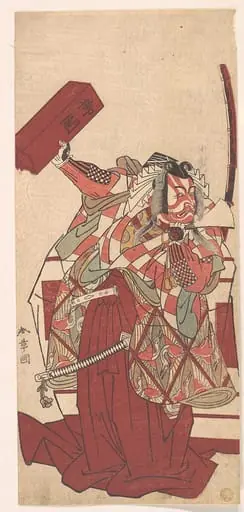 三代目市川海老蔵の篠塚伊賀守定綱|The Actor Ichikawa Ebizō III as Shinozuka Iga no kami Sadatsuna in a Shibaraku Scene
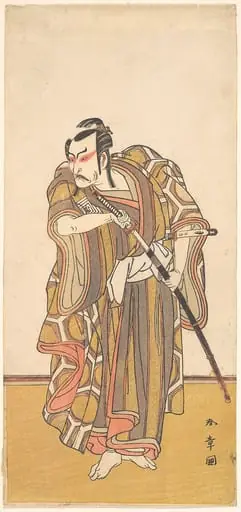 四代目市川團蔵|Kabuki Actor Ichikawa Danzō IV
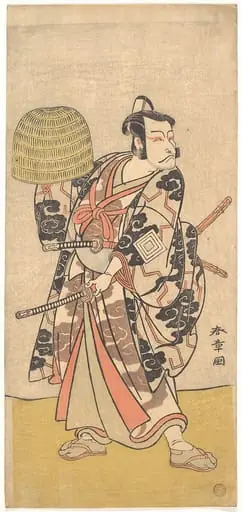 勝川春章画 五代目市川團十郎|Kabuki Actor Ichikawa Danjūrō V
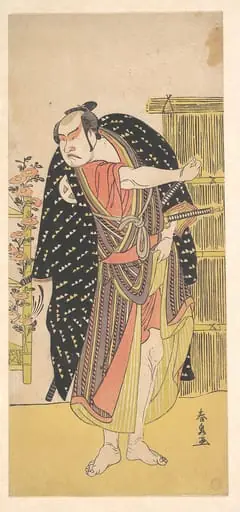 勝川春泉画 三代目大谷廣次|Kabuki Actor Ōtani Hiroji III
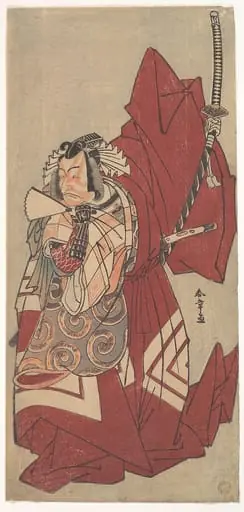 五代目市川団十郎|Kabuki Actor Ichikawa Danjūrō V in a Shibaraku (Stop Right There!) Role as Hannya no Gorō
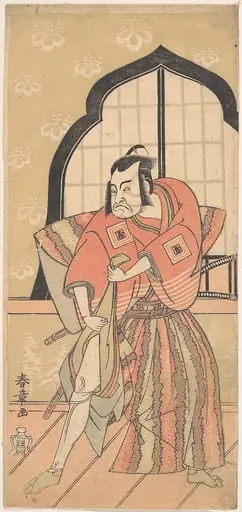 勝川春章画 三代目市川団蔵|Kabuki Actor Ichikawa Danzō III
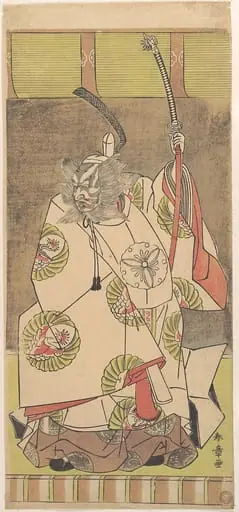 四代目市川団十郎|Kabuki Actor Ichikawa Danjūrō IV
 九代目市村羽左衛門・三代目大谷廣次|Kabuki Actors Ichimura Uzaemon IX as Ko-kakeyama and Ōtani Hiroji III as Kōga Saburō