Artwork
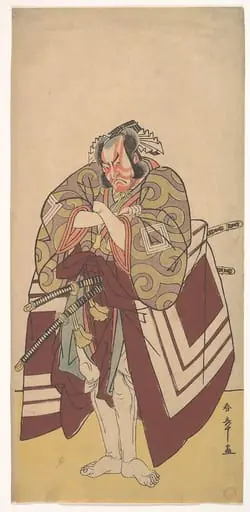
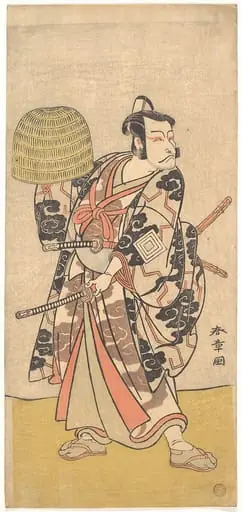
九代目市村羽左衛門・三代目大谷廣次|Kabuki Actors Ichimura Uzaemon IX as Ko-kakeyama and Ōtani Hiroji III as Kōga Saburō
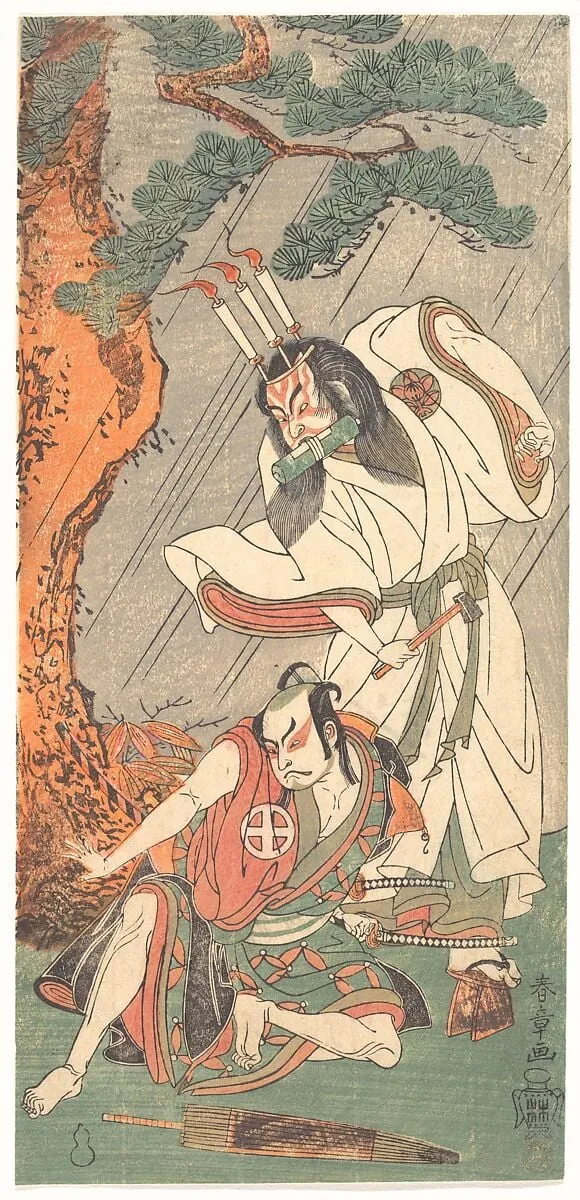
九代目市村羽左衛門・三代目大谷廣次|Kabuki Actors Ichimura Uzaemon IX as Ko-kakeyama and Ōtani Hiroji III as Kōga Saburō is an ink print by the Romanticist artist Katsukawa Shunshō. It dates from 1771 and is held in the collection of the Metropolitan Museum of Art.
About this work
Overview
This woodblock print, dated circa 1771, features two prominent kabuki actors in dramatic poses, capturing the intensity of a theatrical scene.
Subject & Meaning
The print depicts Ichimura Uzaemon IX as Ko-kakeyama, standing with a spear and fierce expression, and Ōtani Hiroji III as Kōga Saburō, kneeling in a red-and-green outfit, holding a fan and rope, conveying the emotional depth of their characters.
Technique & Style
Executed in nishiki-e technique with ink and color on paper, the print showcases bold lines, vibrant colors, and exaggerated facial makeup, characteristic of kabuki theater illustrations designed to mirror the dramatic flair of stage performances.
History & Provenance
Created by Katsukawa Shunshō, the print is part of The Metropolitan Museum of Art's collection, highlighting its significance in the oeuvre of the artist and the museum's holdings.
Context
The work reflects the artistic synergy between ukiyo-e woodblock printing and kabuki theater in 18th-century Japan, with Shunshō's style influencing the visual representation of theatrical arts during this period.
Legacy
As a notable example of Shunshō's kabuki-themed prints, it contributes to the broader legacy of ukiyo-e in capturing and promoting the drama of kabuki, leaving a lasting impact on Japanese art history.
Artist & collection
Artist
Katsukawa Shunshō spent his life in Edo (now Tokyo), where the city’s teahouses and theaters buzzed with energy.

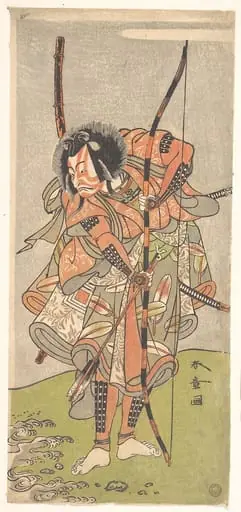 三代目市川海老蔵|Kabuki Actor Ichikawa Ebizō III (Ichikawa Danjūrō IV)
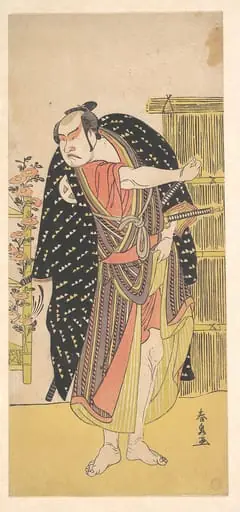 勝川春泉画 三代目大谷廣次|Kabuki Actor Ōtani Hiroji III
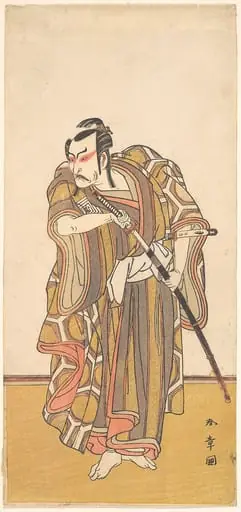 四代目市川團蔵|Kabuki Actor Ichikawa Danzō IV
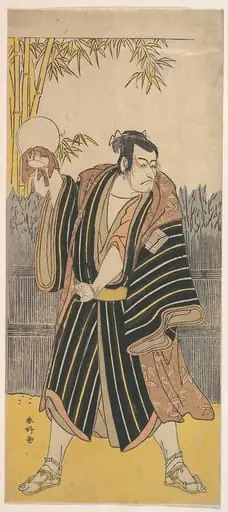 勝川春好画 七代目片岡仁左衛門 五代目市川團十郎|Kabuki Actor Ichikawa Danjūrō V
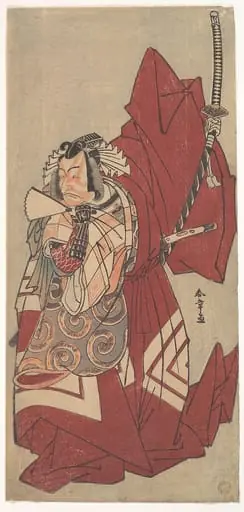 五代目市川団十郎|Kabuki Actor Ichikawa Danjūrō V in a Shibaraku (Stop Right There!) Role as Hannya no Gorō
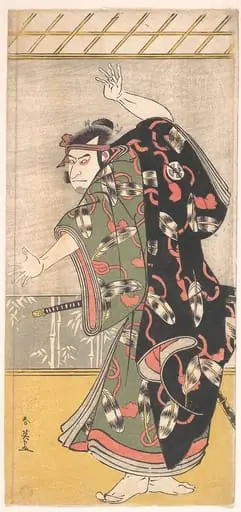 勝川春英画 三代目大谷鬼次|Kabuki Actor Ōtani Oniji III
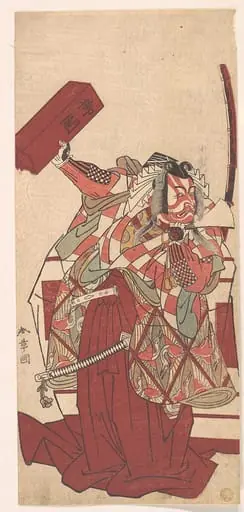 三代目市川海老蔵の篠塚伊賀守定綱|The Actor Ichikawa Ebizō III as Shinozuka Iga no kami Sadatsuna in a Shibaraku Scene
 五代目市川団十郎|Kabuki Actor Ichikawa Danjūrō V in a Shibaraku (Stop Right There!) Role
 勝川春章画 五代目市川團十郎|Kabuki Actor Ichikawa Danjūrō V