Artwork
The Woman taken in Adultery
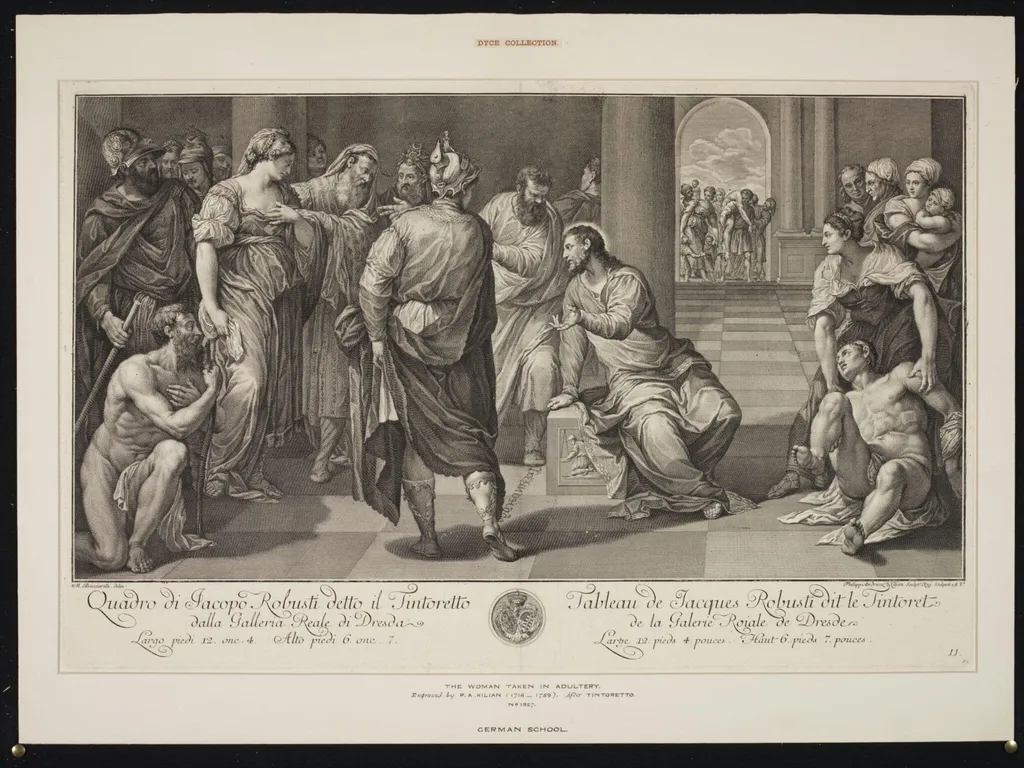
The Woman taken in Adultery is a print by Philipp Andreas Kilian. It dates from 1750 and is held in the collection of the Victoria and Albert Museum.
About this work
Overview
This 1750 print by Philipp Andreas Kilian illustrates the biblical episode of the Woman Taken in Adultery. Executed in ink on paper, it reproduces a composition originally devised by Tintoretto. Kilian translated the painted scene into a detailed engraving, preserving its narrative intensity while adapting it to the conventions of printmaking in mid-18th-century Germany.
Subject & Meaning
The scene depicts the moment described in the Gospel of John, where a woman accused of adultery is brought before Christ. Surrounding figures include accusers, onlookers, and those who kneel in silence. The composition emphasizes moral tension and collective judgment, inviting reflection on hypocrisy and mercy without overtly favoring any single figure's stance.
Technique & Style
Kilian employed fine-line engraving to render the crowded composition with precision. His use of cross-hatching creates depth and contrast, particularly in the folds of garments and the play of light across faces. While faithful to Tintoretto’s arrangement, Kilian’s handling of line and spatial compression reflects his own graphic sensibility, distinct from the painterly original.
History & Provenance
No specific early ownership records are documented, but the print circulated among educated audiences familiar with biblical themes.
Created in 1750, the print was part of a broader tradition of reproductive engraving in Central Europe, where artists translated major paintings into accessible formats. Kilian, active in Nuremberg, specialized in such works for collectors and religious institutions. No specific early ownership records are documented, but the print circulated among educated audiences familiar with biblical themes.
Context
In the mid-18th century, religious narratives remained central to visual culture, even as secular themes gained ground. Engravings like Kilian’s served devotional and educational purposes, allowing those without access to original paintings to engage with sacred stories. His work reflects the enduring influence of Renaissance masters like Tintoretto within Protestant artistic circles.
Legacy
Kilian’s print is one of several reproductive works that preserved Tintoretto’s composition for later generations. Though not widely exhibited today, it contributes to the understanding of how Baroque imagery was disseminated through print media. It stands as an example of craftsmanship in 18th-century German engraving, valued for its fidelity and technical discipline.
Artist & collection


 The Continence of Scipio
 Paul before Félix (Large Plate)
 Pinacotheca Hamptoniana
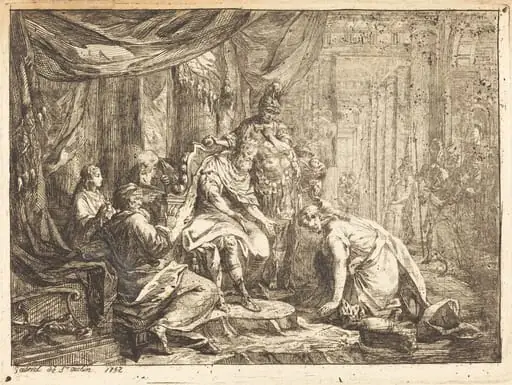 Reconciliation of Absalom and David (Réconciliation d'Absalom et de David)
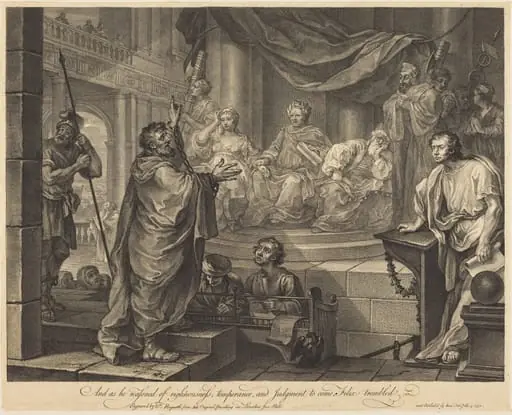 Paul before Felix
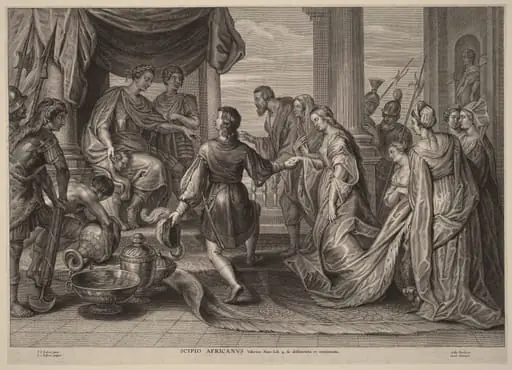 Scipio Africanus
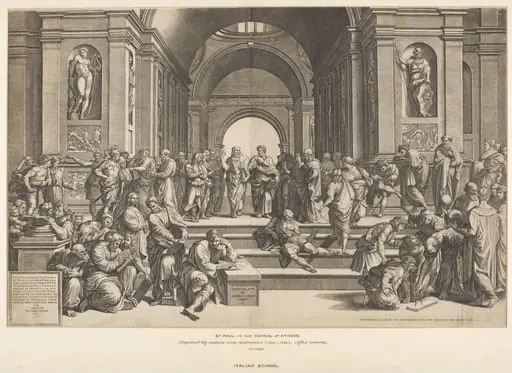 St. Paul in the School of Athens
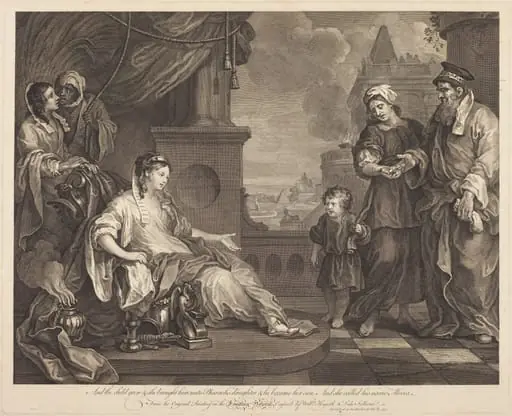 Moses Brought to Pharaoh's Daughter
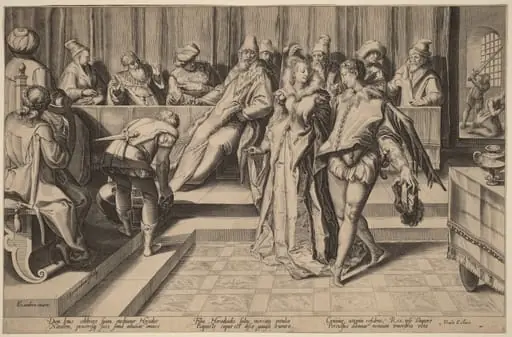 Salome Dancing Before Herod
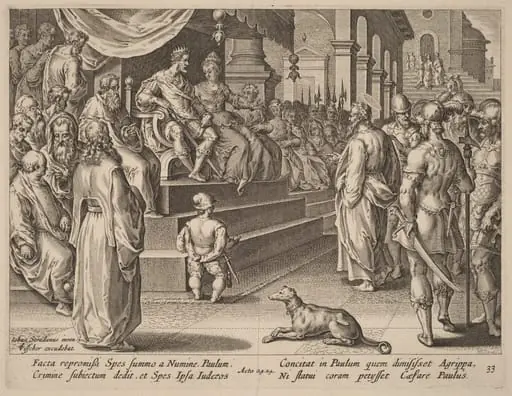 Saint Paul before Festus and Agrippa
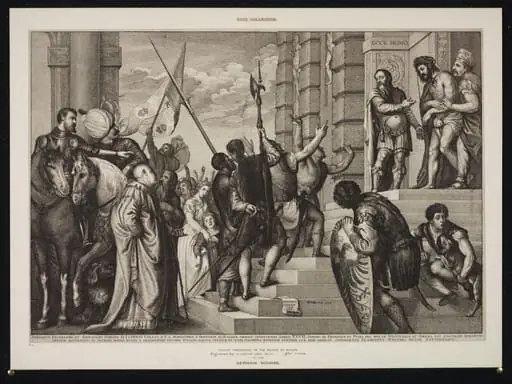 Christ Presented to the People
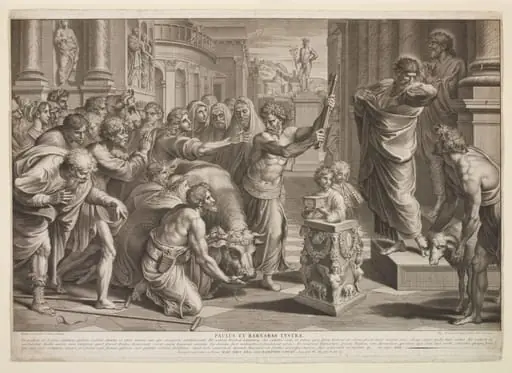 The Sacrifice at Lystra