Artwork
Daibutsu no bansho|Vesper Bell of the Temple of Great Buddha
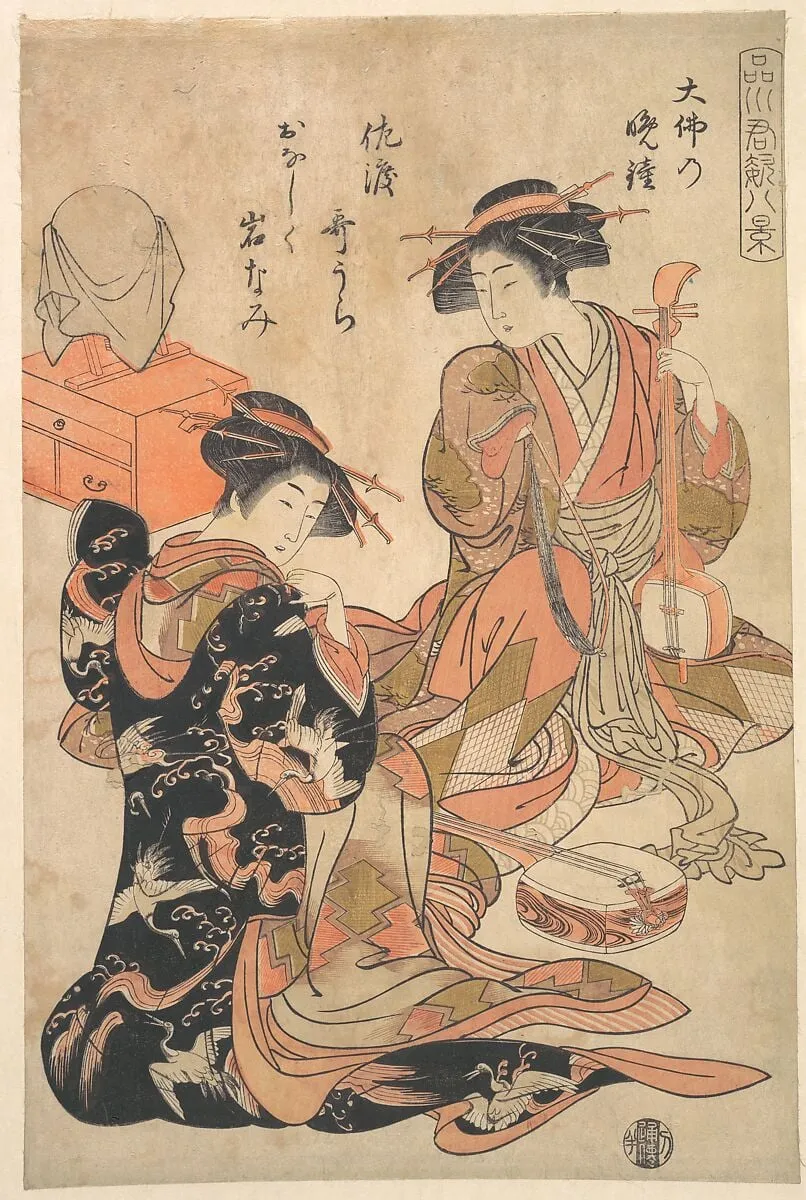
Daibutsu no bansho|Vesper Bell of the Temple of Great Buddha is an ink print by the Romanticist artist Kitao Shigemasa. It dates from 1778 and is held in the collection of the Metropolitan Museum of Art.
About this work
Overview
Created around 1778 by Kitao Shigemasa, this woodblock print depicts a tranquil scene associated with a Buddhist temple. Executed in ink and color on paper, it belongs to the ukiyo-e tradition of Japanese printmaking. The work is part of the collection at The Metropolitan Museum of Art, where it is recognized for its delicate composition and refined depiction of ritual atmosphere.
Subject & Meaning
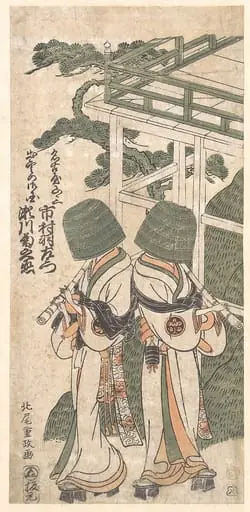
Two women are shown in a contemplative moment, possibly engaged in a temple ritual before evening prayers. One kneels with a fan, the other plays a biwa, a lute traditionally used in narrative chanting. The wrapped object on the shelf may represent a sacred relic or offering. The scene evokes quiet devotion, suggesting a pause in the daily cycle of temple life rather than a public ceremony.
Technique & Style
Shigemasa employed fine lines and layered colors typical of mid-Edo period woodblock printing. The flowing robes feature intricate, swirling patterns rendered with precision, while the tall, decorated hats indicate status or ceremonial role. The composition is restrained, with minimal background detail, focusing attention on the figures and their subtle gestures to convey stillness and solemnity.
History & Provenance
The print was produced during the height of ukiyo-e’s popularity, when artists like Shigemasa catered to urban audiences with scenes of culture and religion. It entered the Metropolitan Museum of Art’s collection through documented acquisitions, though its earlier ownership history remains unrecorded. Its preservation reflects its value as an example of late 18th-century Japanese printmaking.
Context
In late 18th-century Japan, temple life was a frequent subject in ukiyo-e, often idealized for its serenity. Shigemasa, known for his elegant depictions of women and ceremonial settings, contributed to a genre that blended religious imagery with aesthetic refinement. This print aligns with contemporary tastes for intimate, refined scenes over dramatic or theatrical ones.
Legacy
Though not among Shigemasa’s most widely reproduced works, this print exemplifies his skill in capturing quiet, dignified moments. It contributes to the broader understanding of how Buddhist themes were interpreted in popular art, offering insight into the intersection of spirituality and everyday aesthetics in Edo-period Japan.
Artist & collection
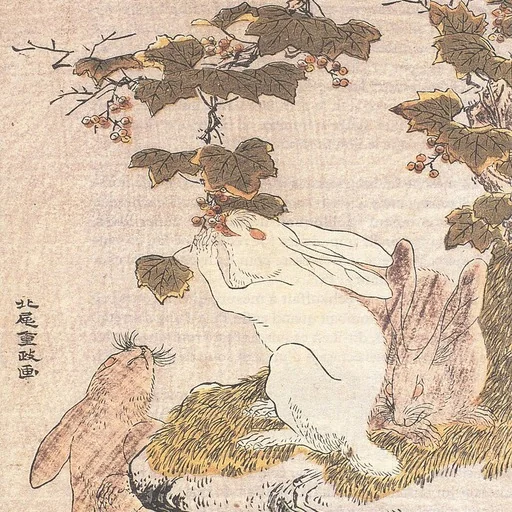
Artist
Kitao Shigemasa (北尾 重政; 1739 – 8 March 1820) was a Japanese ukiyo-e artist from Edo.

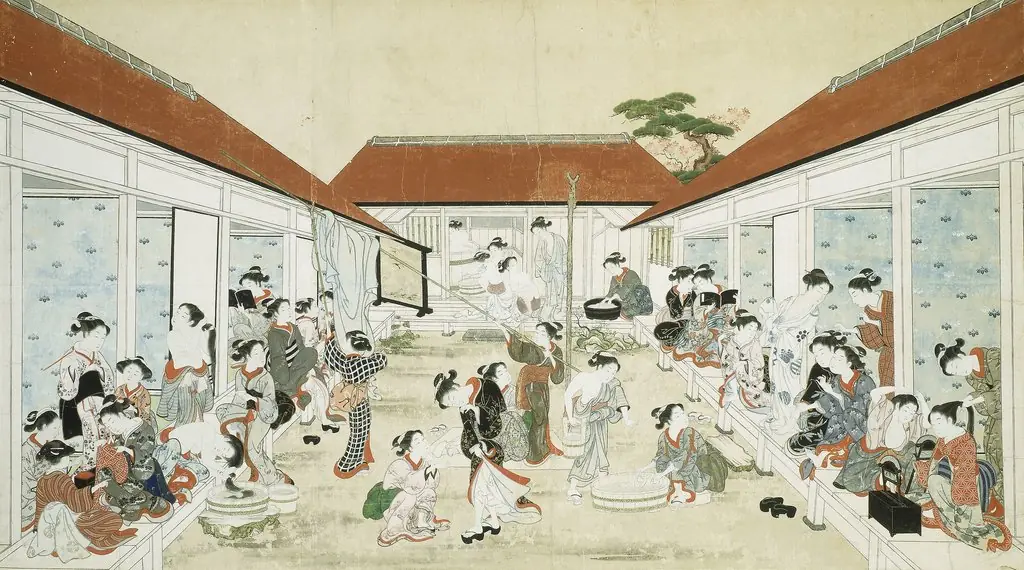

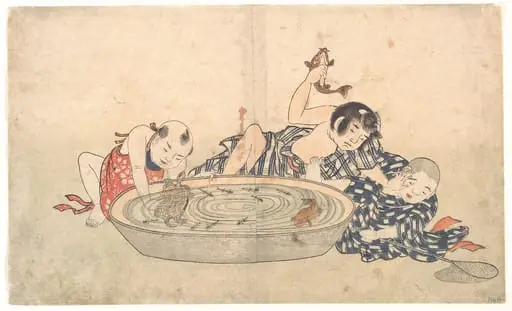
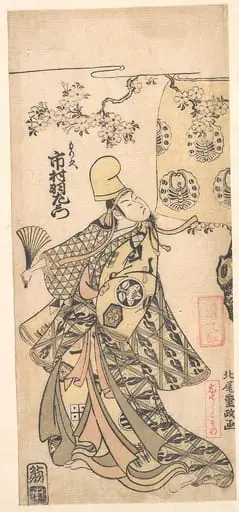
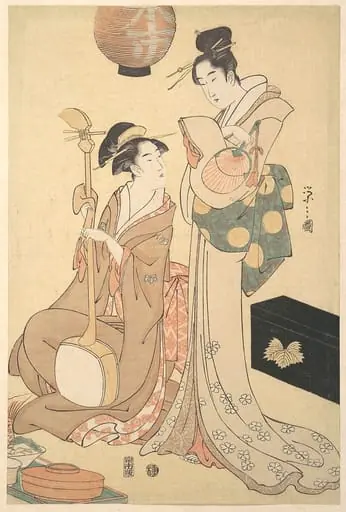 Untitled
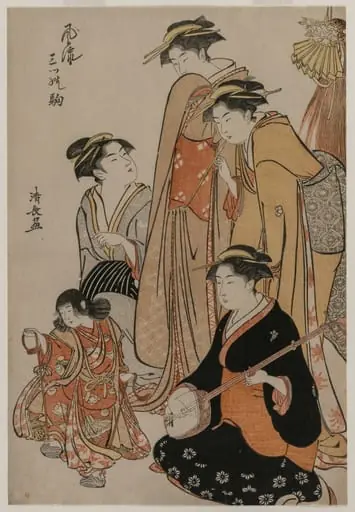 Women Watching a Girl Dance on Shells (From the series Fashionable Presentations of Three Horses)
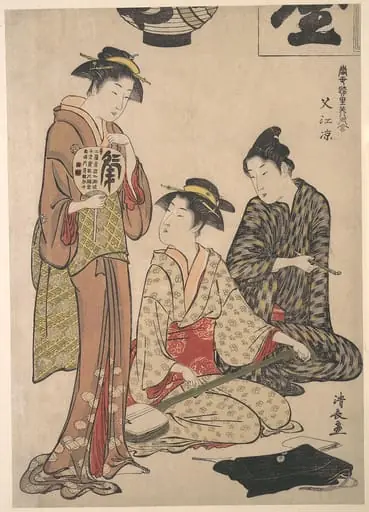 Nakasu no suzumi|Enjoying the Evening Cool at Nakasu
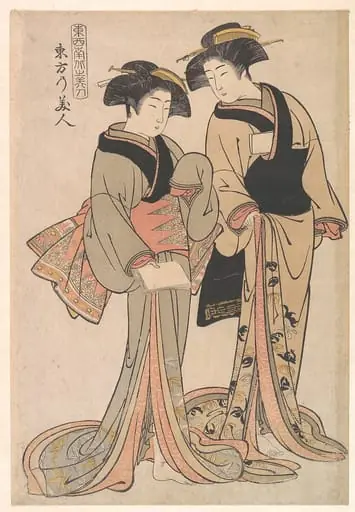 Untitled
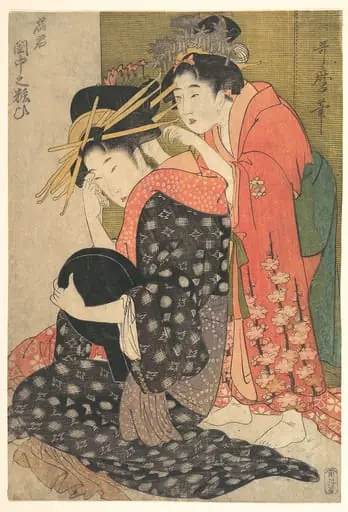 名君 閨中の粧ひ|The Oiran Yoso-oi Seated at Her Toilet
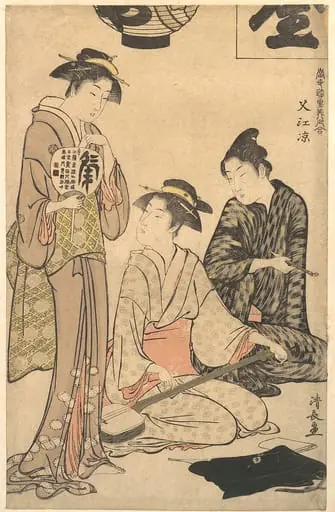 Untitled
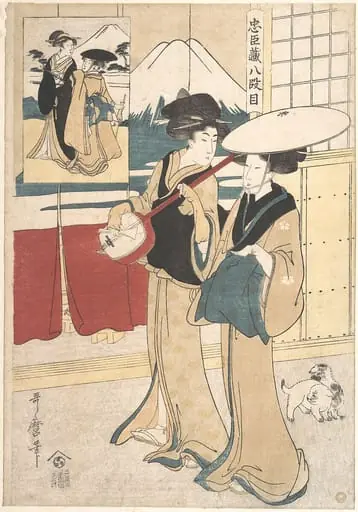 忠臣蔵八段目|Two Tori-oi, or Itinerant Women Musicians of the Eta Class
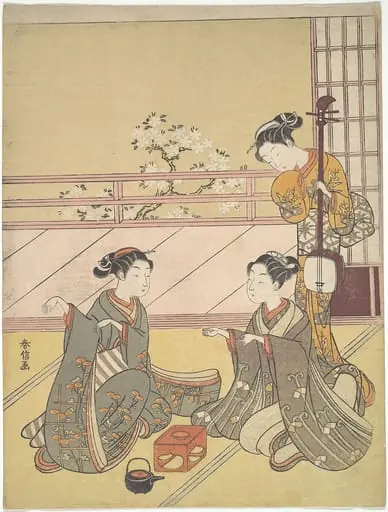 Untitled
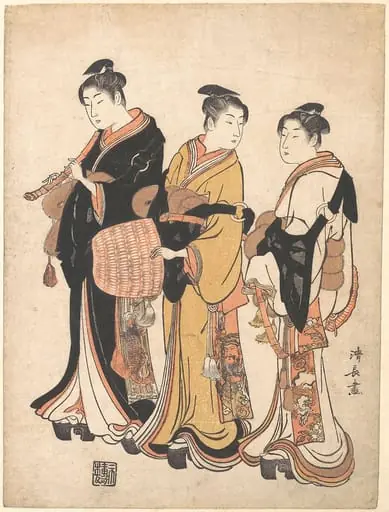 Untitled
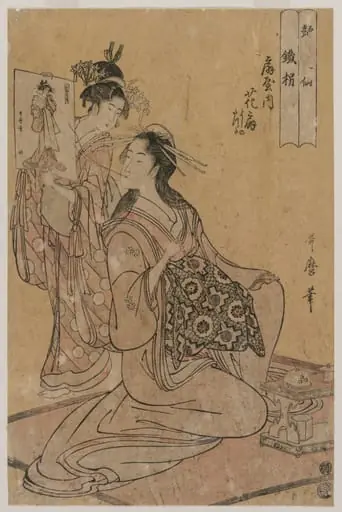 The Courtesan Hana-ogi of Ogiya as the Sennin Tekkai (from the series Eight Immortals of Sensuality)
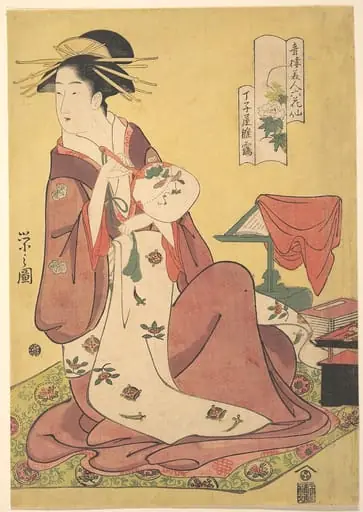 鳥文斎栄之画 「青楼美人六花仙 丁子屋雛鶴鸖」|The Courtesan Hinazuru of the Chōjiya Brothel (Chōjiya Hinazuru), from the series Beauties of the Pleasure Quarters as Six Floral Immortals (Seirō bijin rokkasen)
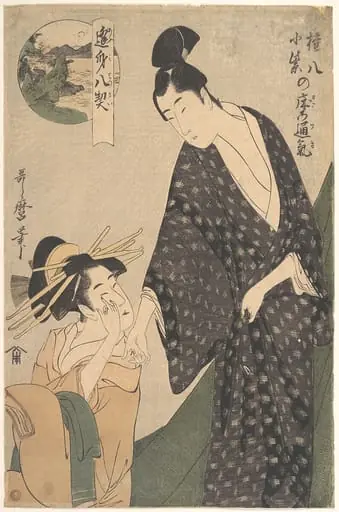 逢身八契 権八小紫の床の通気|Gonpachi ni Komurasaki no Toko no Tsuki