Artwork
Untitled
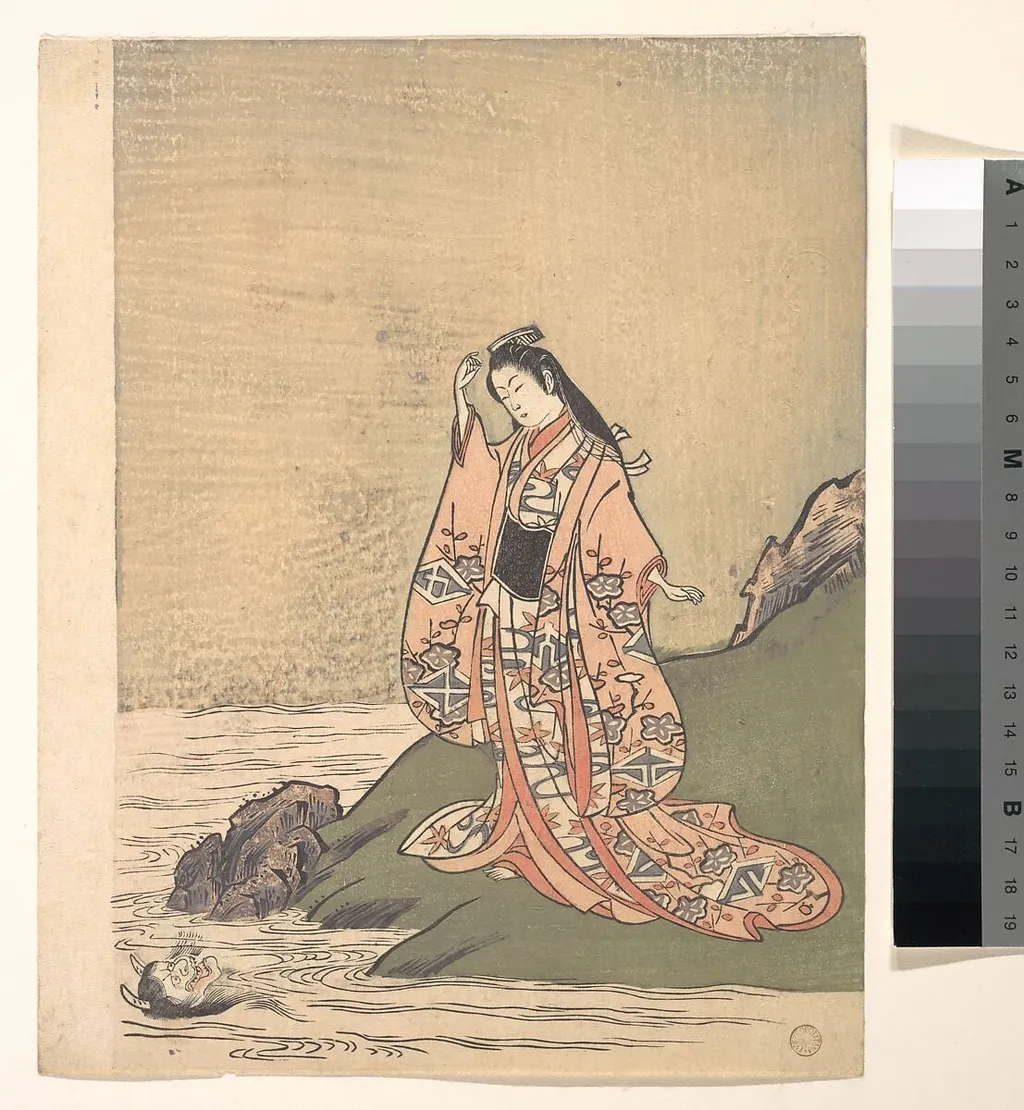
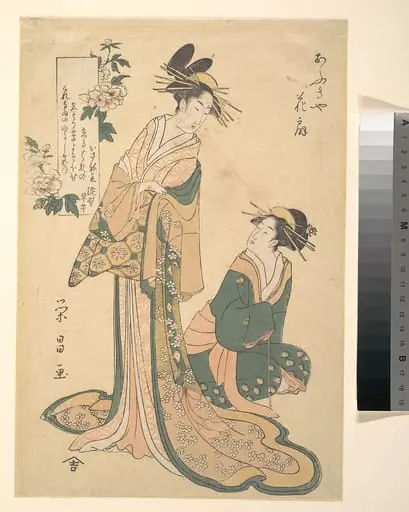
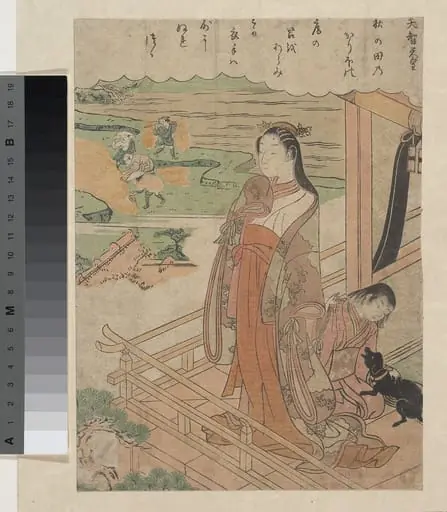
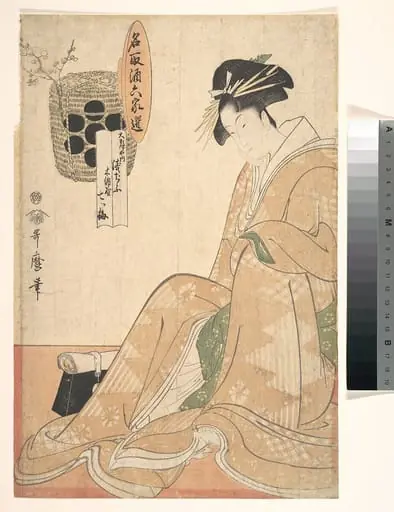
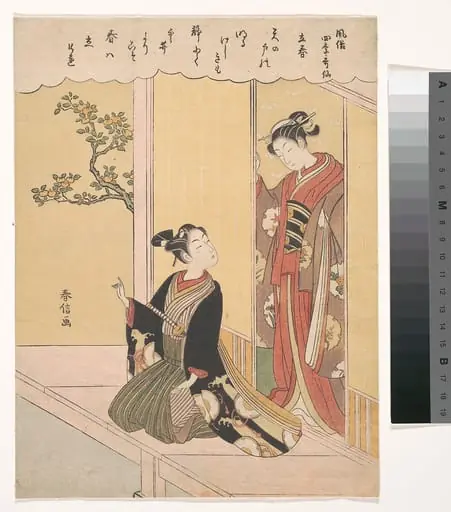
Untitled is an ink print by the Baroque artist Komatsuken Shoshoken. It dates from 1751 and is held in the collection of the Metropolitan Museum of Art.
About this work
Overview
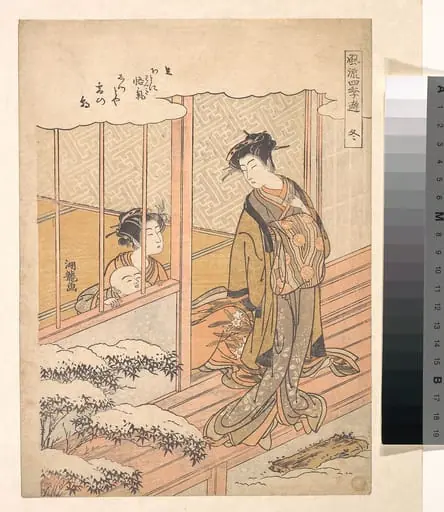
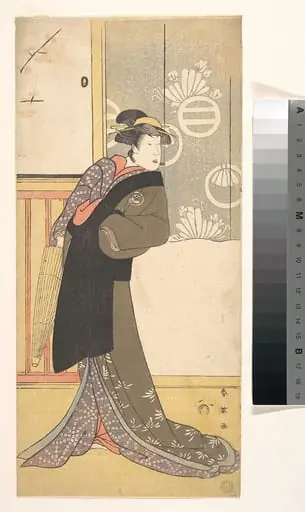
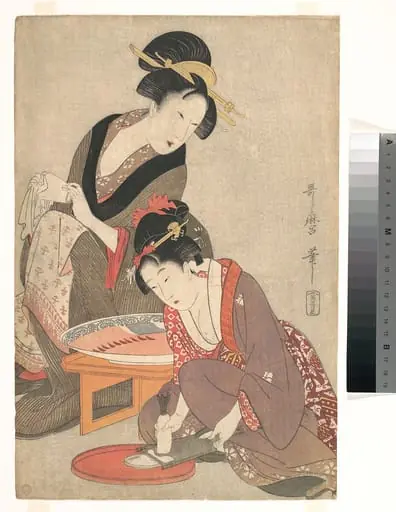
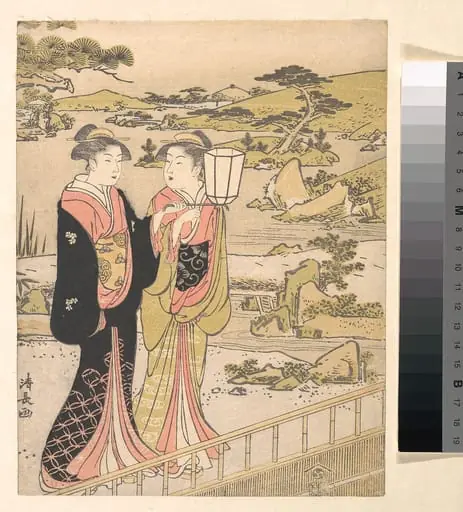
This mid-eighteenth-century woodblock print, executed in ink and color on paper, is attributed to the Japanese artist Komatsuken Shoshoken.
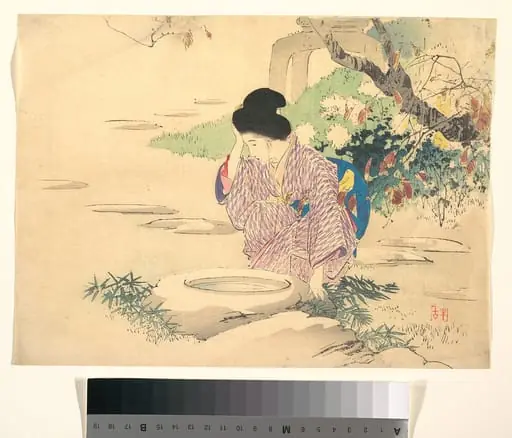
This mid-eighteenth-century woodblock print, executed in ink and color on paper, is attributed to the Japanese artist Komatsuken Shoshoken. The composition centers on a female figure positioned on a rocky outcrop, her gesture suggesting contemplation or distress. Below her, a demonic visage emerges from the water, introducing an element of supernatural tension within an otherwise restrained palette.
Subject & Meaning
The scene juxtaposes human elegance with mythological menace. A woman in a patterned kimono stands serenely above a submerged demon, whose presence may allude to folk narratives of peril or moral trials. Her composed demeanor contrasts with the grotesque intrusion, inviting interpretation of resilience or confrontation with unseen forces in Edo-period culture.
Technique & Style
The print exemplifies ukiyo-e conventions through bold outlines and flat planes of color, though its muted brown backdrop departs from typical vibrancy. Subtle gradation in the background creates spatial illusion, while the demon’s exaggerated features and the kimono’s intricate motifs demonstrate the artist’s skill in balancing decorative detail with dramatic focal points.
History & Provenance
Dated to 1751, this work entered The Metropolitan Museum of Art’s collection as part of its holdings on Japanese prints. Little is recorded about its early ownership, but its survival reflects the broader preservation of Edo-period woodblock imagery, which gained international recognition in the late nineteenth century.
Context
Produced during Japan’s Edo period, the print emerges from a flourishing urban culture where woodblock prints served as affordable art for townspeople. Themes of folklore and female beauty were common, though the inclusion of a demon hints at darker undercurrents in popular tales or theatrical traditions of the era.
Legacy
While not widely reproduced, this print contributes to the study of mid-Edo-period aesthetics, illustrating how artists merged supernatural motifs with domestic elegance. Its compositional tension—between tranquility and menace—offers insight into the period’s visual storytelling, influencing later interpretations of Japanese printmaking.
Artist & collection
Artist
Komatsuken Shoshoken made crisp, small woodblock prints in the 1820s Edo period, inking everyday scenes and figures onto paper no bigger than a postcard.