Artwork
Untitled
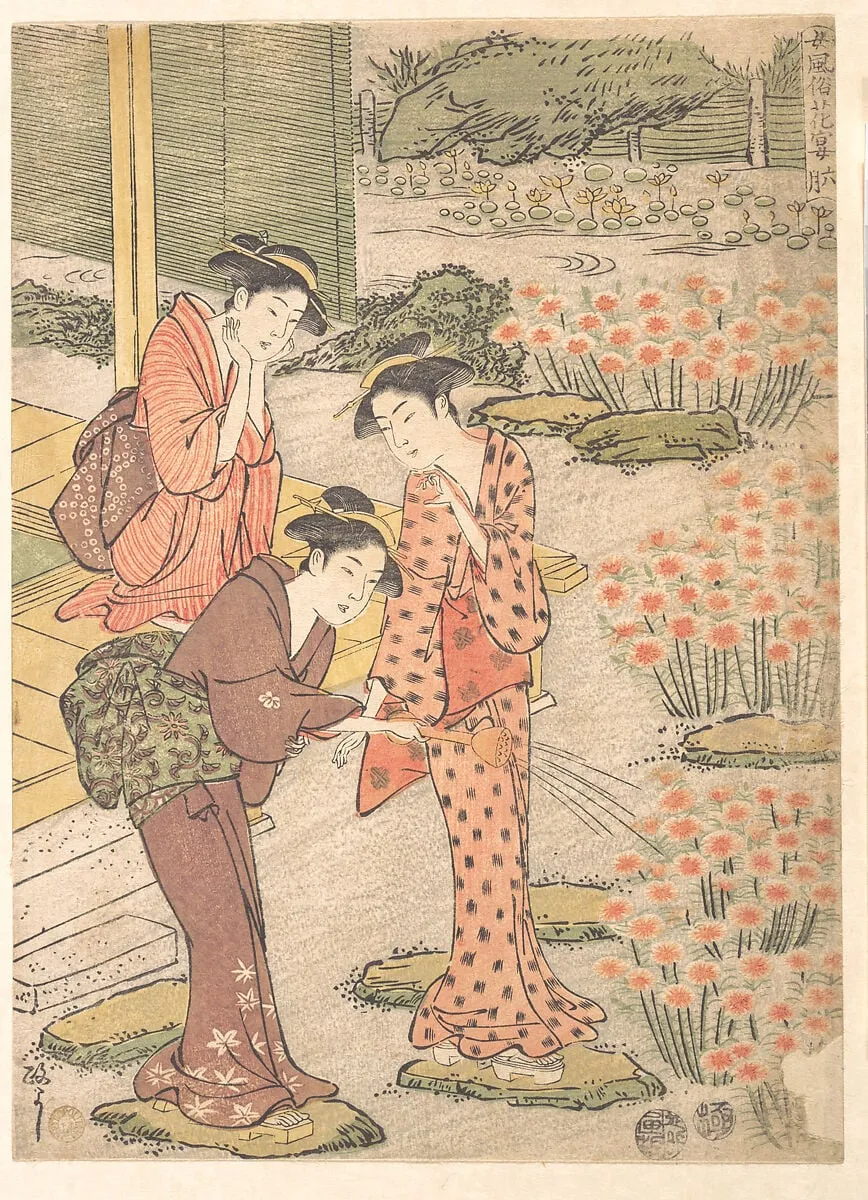
Untitled is an ink print by the Romanticist artist Kitao Masayoshi. It dates from 1790 and is held in the collection of the Metropolitan Museum of Art. Created around 1790, this woodblock print by Kuwagata Keisai is part of The Metropolitan Museum of Art’s print collection.
About this work
Overview
The composition balances natural elements with human presence, reflecting the aesthetic sensibilities of late 18th-century Japanese printmaking.
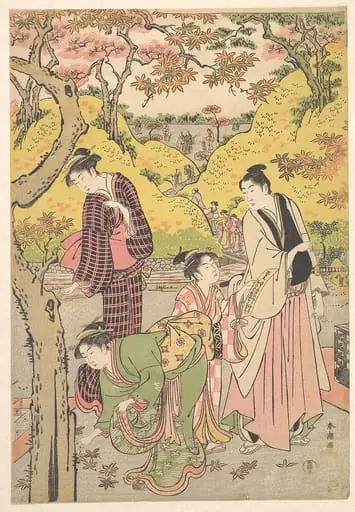
Created around 1790, this woodblock print by Kuwagata Keisai is part of The Metropolitan Museum of Art’s print collection. Executed in ink and color on paper, it depicts a quiet garden scene with three figures. The composition balances natural elements with human presence, reflecting the aesthetic sensibilities of late 18th-century Japanese printmaking. Its modest scale and refined execution align with the ukiyo-e tradition, though it avoids overt narrative or theatricality.
Subject & Meaning
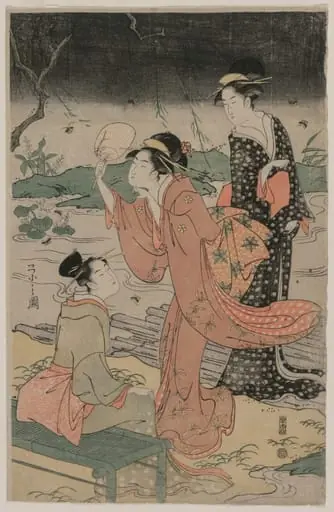
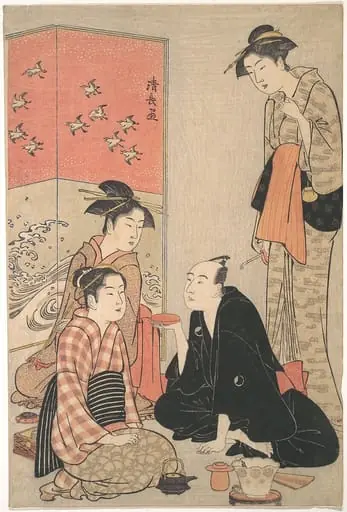
Three figures occupy a cultivated garden: two women in vividly patterned robes stand near a pond, one holding a fan, while a man kneels before them, gazing upward. Their postures suggest a moment of quiet interaction, possibly a social exchange or contemplative pause. The setting, rich with blossoms and a delicate bridge, evokes an idealized natural retreat. No clear story is told, but the scene conveys harmony and restrained elegance, typical of domestic leisure in Edo-period visual culture.
Technique & Style
The print employs traditional woodblock techniques with layered pigments to achieve both flat areas of color and intricate detail. Robes feature finely carved patterns, while foliage is rendered with simplified outlines and bold shapes. Cross-hatching adds subtle texture to surfaces like bark and stone. The palette—dominated by reds, greens, and blues—is saturated yet soft, avoiding harsh contrasts. This blend of stylization and naturalism reflects a refined approach to depicting the garden as both real and imagined.
History & Provenance
The print was produced in the late 18th century during a period of flourishing print culture in Edo. Though not signed with a publisher’s mark, its style aligns with Kuwagata Keisai’s known works from this era. It entered The Metropolitan Museum of Art’s collection through documented acquisition, likely in the early 20th century, as part of broader efforts to preserve Japanese prints. Its preservation reflects its status as a representative example of non-narrative ukiyo-e.
Context
Produced during the Kansei era, this print emerged amid growing interest in private, contemplative scenes over dramatic theater or courtesan portraits. Garden imagery became popular as urban dwellers sought idealized escapes from city life. While many prints emphasized spectacle, this work focuses on stillness and subtle interaction, reflecting a quieter current in ukiyo-e that valued atmosphere over action. It resonates with literary and poetic traditions that celebrated transient beauty.
Legacy
Though not widely reproduced or celebrated in its time, this print contributes to the understanding of ukiyo-e’s diversity beyond its most famous genres. Its emphasis on naturalism, restrained composition, and intimate human presence influenced later artists exploring quietude in printmaking. Today, it serves as a reference for the nuanced ways Edo-period artists rendered everyday moments, offering insight into aesthetic values that prioritized harmony over spectacle.
Artist & collection

 Stand-in Fugen
 Untitled
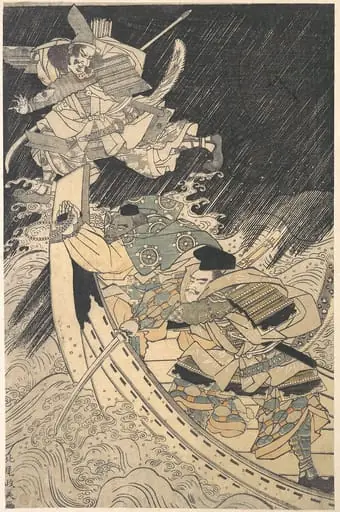 Untitled
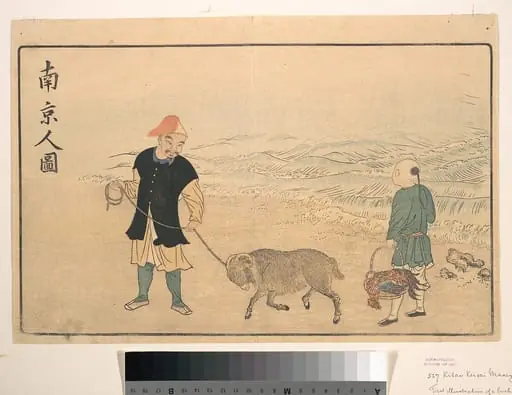 Untitled
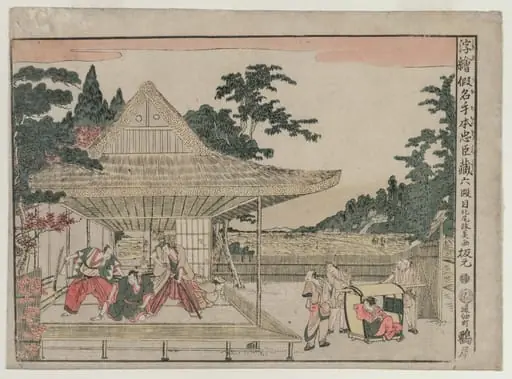 Chushingura: Act VI (from the series Perspective Pictures for The Treasure House of Loyalty)
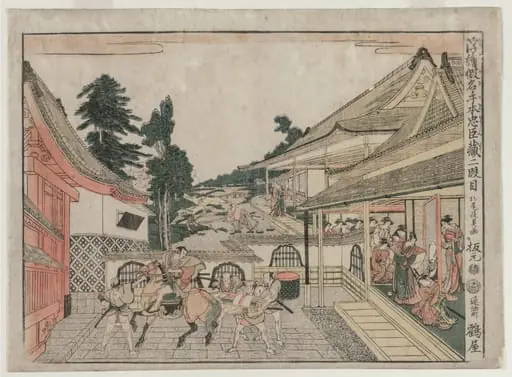 Chushingura: Act II (from the series Perspective Pictures for The Treasure House of Loyalty)
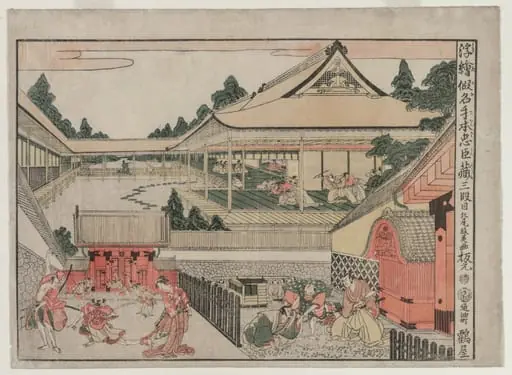 Chushingura: Act III (from the series Perspective Pictures for The Treasure House of Loyalty)
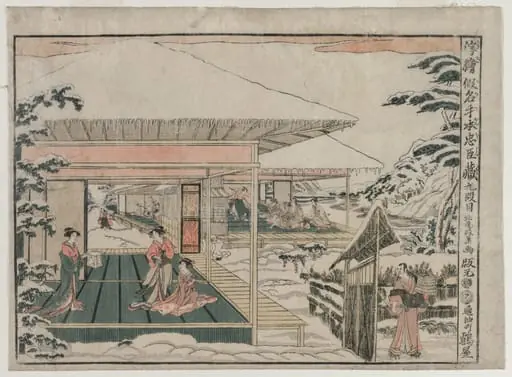 Chushingura: Act IX (from the series Perspective Pictures for The Treasure House of Loyalty)
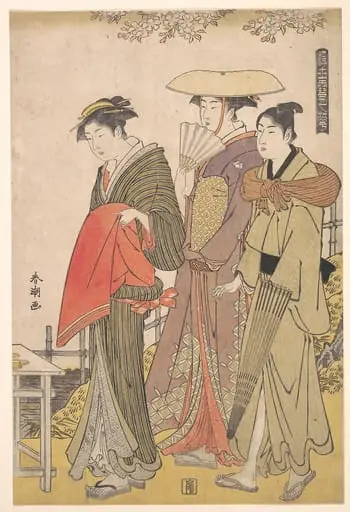 Ukiyoe Ga|The Beauty of the Floating World
 Untitled
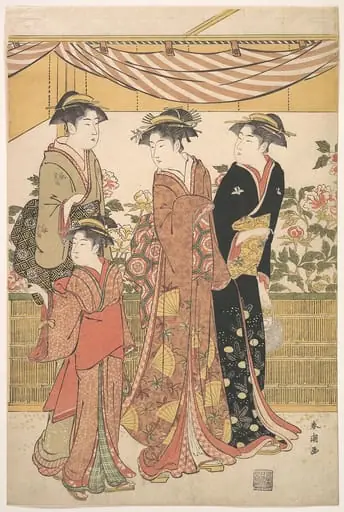 Untitled
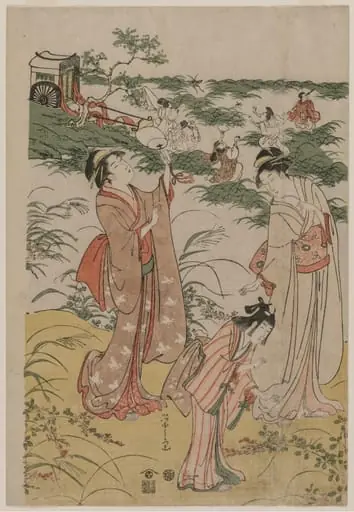 Women Chasing Crickets on an Autumn Moor
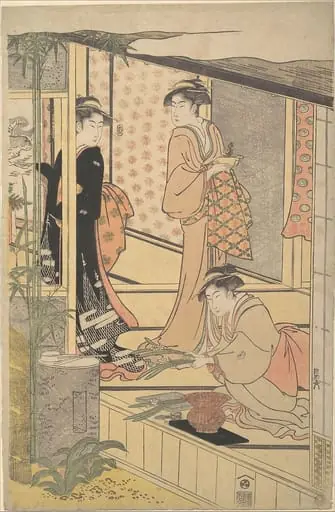 細田栄之画 正月準備|Preparing New Year Decorations
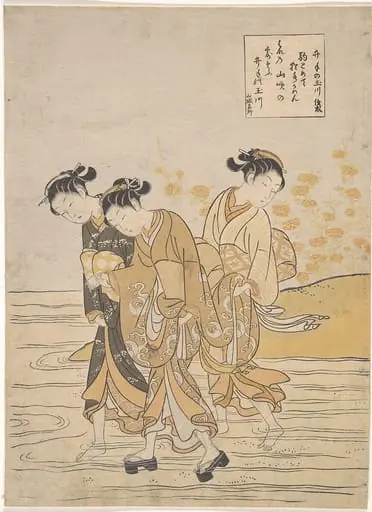 井手の玉川|Jewel River at Ide (Ide no Tamagawa)
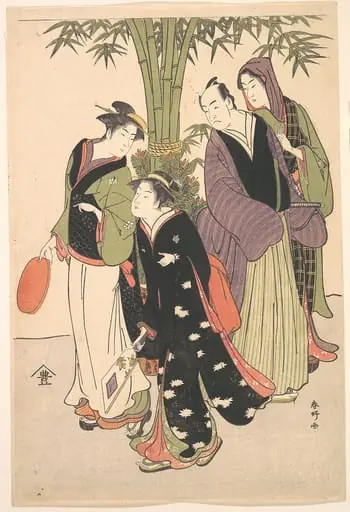 勝川春好画 三代目瀬川菊之丞・二代目市川門之助|Kabuki Actors Segawa Kikunojō III and Ichikawa Monnosuke II and Two Courtesans Celebrating the New Year
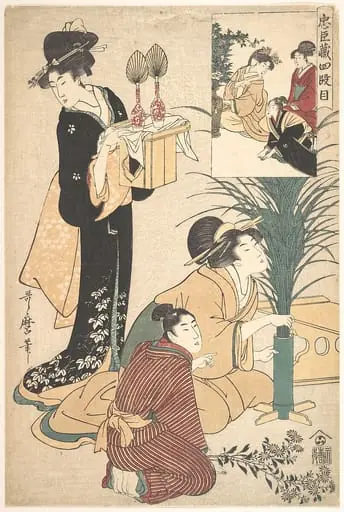 忠臣蔵四段目|A Woman and a Man Arranging Flowers for the Tsukimi (Moon Festival)
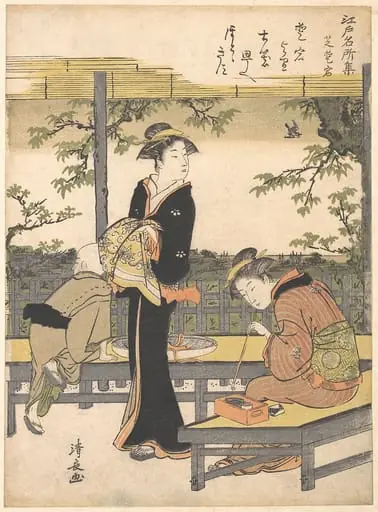 Shiba: Atago|Atago Hill at Shiba
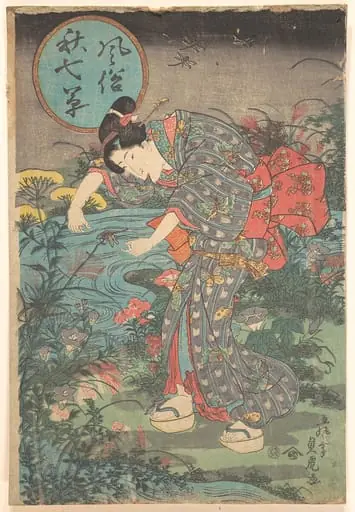 Untitled
 Women Beside a Stream Chasing Fireflies
 三代目沢村宗十郎と遊女|The Kabuki Actor Sawamura Sōjūrō III and Courtesans