Artwork
Mondarin Ducks
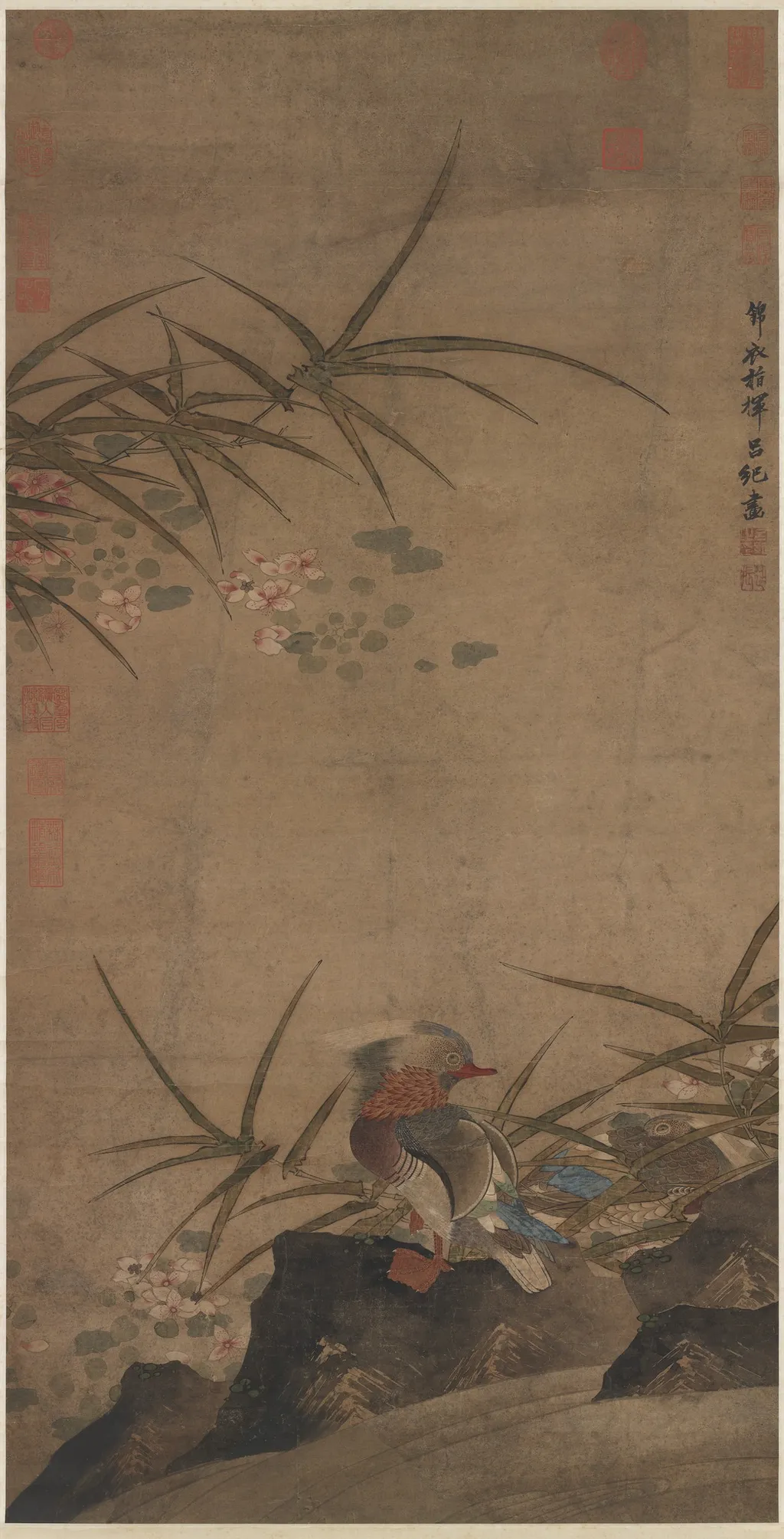
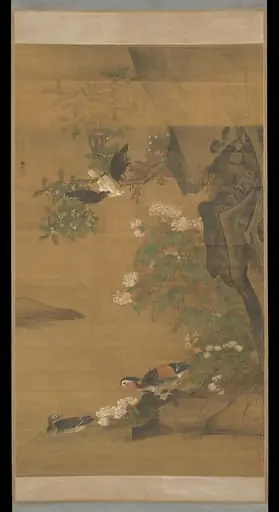
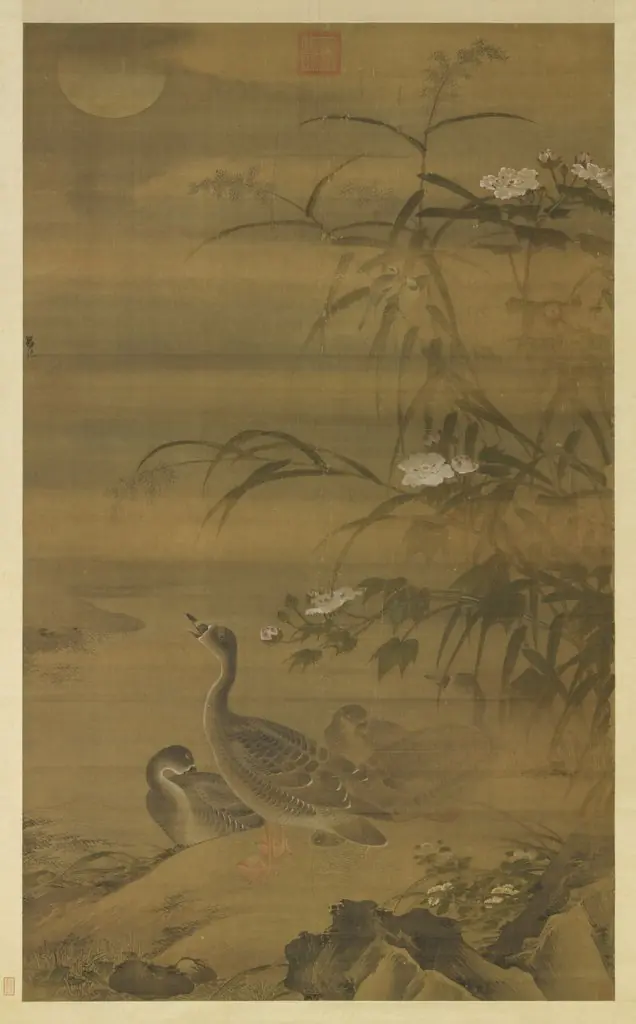
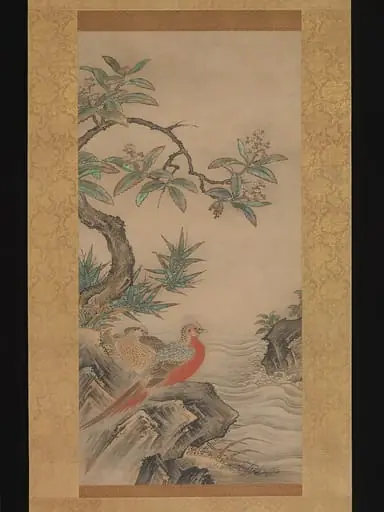
Mondarin Ducks is an unspecified painting by the Ming dynasty painting artist Lü Ji. It is held in the collection of the National Palace Museum. This painting depicts a quiet moment in nature, featuring two ducks perched on a rocky outcrop amid delicate vegetation.
About this work
Overview
The palette is restrained, dominated by soft browns, muted greens, and pale blues, contributing to an atmosphere of quietude.
This painting depicts a quiet moment in nature, featuring two ducks perched on a rocky outcrop amid delicate vegetation. The composition is balanced and still, with the birds oriented in opposite directions, creating a subtle sense of symmetry. The palette is restrained, dominated by soft browns, muted greens, and pale blues, contributing to an atmosphere of quietude. The background, lightly textured with warm tones, recedes gently, focusing attention on the central figures.
Subject & Meaning
The two ducks, facing away from each other yet positioned in close proximity, suggest a quiet companionship rather than interaction. Their placement among flowering plants and slender leaves evokes a natural, undisturbed habitat. The absence of human presence or dramatic elements reinforces a theme of stillness and self-contained harmony. The scene invites contemplation, presenting nature not as a spectacle but as a serene, ongoing rhythm.
Technique & Style
The artist employs subtle gradations of tone to render the ducks’ feathers and the surrounding flora, suggesting texture without overt detail. Brushwork is controlled and deliberate, avoiding bold impasto or dramatic chiaroscuro. Colors are blended softly, creating a unified, atmospheric effect. The light brown background, with faint darker accents, adds depth without distraction, emphasizing the quiet realism of the scene.
History & Provenance
The painting’s origins are not well documented, and no known exhibition history or collector lineage has been established. It appears to be a private work, possibly created for personal or domestic use rather than public display. The style suggests a late 19th- or early 20th-century influence, though no specific artist or school has been definitively attributed to it.
Context
This work aligns with a broader tradition of quiet naturalism in decorative painting, where wildlife and flora are rendered with sensitivity rather than scientific precision. It reflects a cultural preference for tranquil, intimate scenes during a period when industrialization prompted renewed interest in pastoral subjects. Similar themes appear in regional art circles that valued understated observation over grand narrative.
Legacy
Though not widely recognized in major collections, the painting contributes to a quieter strand of nature-focused art that prioritizes mood over monumentality. Its restrained technique and calm subject matter continue to resonate with viewers seeking respite in visual simplicity. It stands as an example of how everyday natural moments, rendered with care, can hold enduring quiet appeal.
Artist & collection