Artwork
Bas-relief of Cupids with garlands in terra cotta
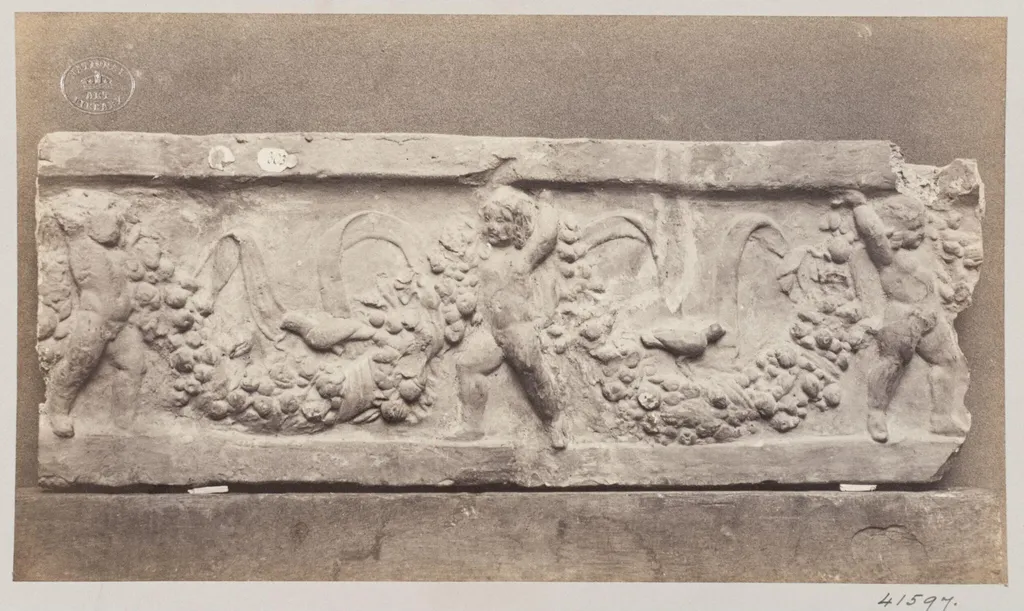
Bas-relief of Cupids with garlands in terra cotta is a photographic photography by the Impressionist artist Louise Laffon. It dates from 1864 and is held in the collection of the Victoria and Albert Museum. The Victoria and Albert Museum began collecting photographs in 1852, becoming the first museum to do so.
About this work
Overview
Under Henry Cole’s leadership, images were acquired to support artists and students, supplementing traditional reproductive methods.
The Victoria and Albert Museum began collecting photographs in 1852, becoming the first museum to do so. From its earliest years, photography was integrated as a tool for education and documentation, not merely as art. Under Henry Cole’s leadership, images were acquired to support artists and students, supplementing traditional reproductive methods. The museum employed its own photographers and also sourced work from external professionals, both domestic and international.
Subject & Meaning
The photograph in question captures a terra cotta bas-relief depicting Cupids entwined with garlands. This classical motif, common in ancient Roman decorative arts, was reproduced to aid in the study of historical ornamentation. The image served not as an aesthetic object in itself, but as a reference for design principles, craftsmanship, and iconographic tradition accessible to students and curators.
Technique & Style
The photograph was produced using 19th-century photographic processes, likely albumen print, which allowed for fine detail and tonal range. The composition is carefully framed to emphasize the relief’s form and surface texture, minimizing distractions. Lighting was controlled to highlight sculptural depth, reflecting the museum’s emphasis on accuracy over artistic interpretation.
History & Provenance
In 1864, the V&A acquired 500 photographs from Louise Laffon’s series documenting the Campana Collection in Paris. Laffon, among the earliest female members of Le Société Française de la Photographie, worked under commission. The images were purchased through Monsieur E. Cappe, an agent facilitating the transfer of cultural materials. These photographs entered the museum’s collection as part of its broader effort to build a visual archive of European decorative arts.
Context
During the mid-19th century, museums increasingly relied on photography to expand access to objects beyond physical display. The V&A’s initiative aligned with broader educational reforms, positioning photography as a scientific and pedagogical medium. Female photographers like Laffon and Isabel Agnes Cowper were instrumental in this system, though their contributions were often unacknowledged in public records of the time.
Legacy
The acquisition of Laffon’s photographs established a precedent for the systematic documentation of decorative arts through photographic reproduction. These images remain part of the V&A’s archival holdings, offering insight into 19th-century museological practices and the role of women in early photographic documentation. Their continued preservation underscores the museum’s foundational commitment to visual education.
Artist & collection
Artist
Louise Laffon (1828–1885), was a French photographer and painter. She was one of the first female professional photographers in France. She had a studio in Paris between 1859 and 1876.

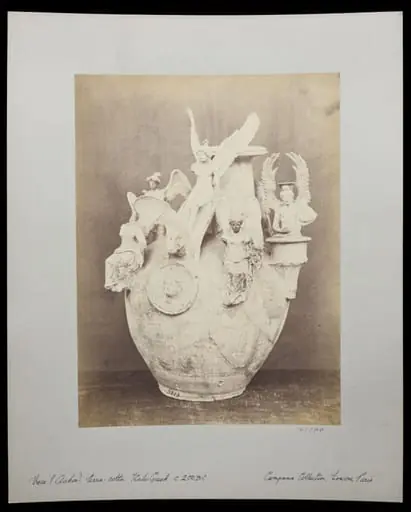 Perfume Burner in terra cotta
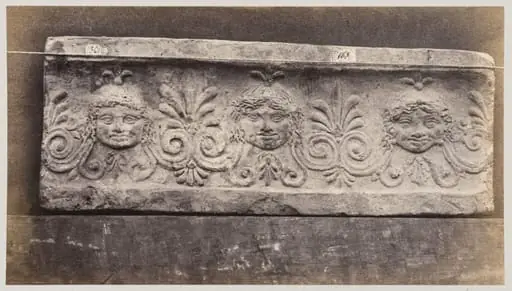 Three masques of gorgons in terra cotta
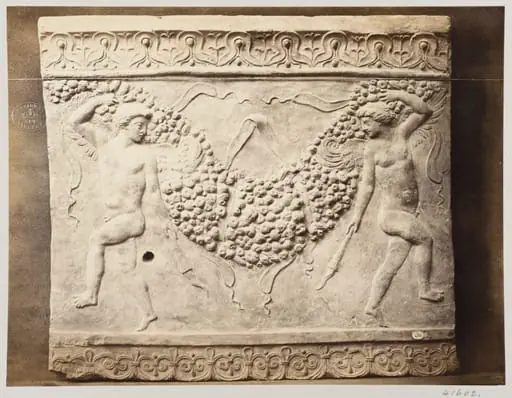 Bas-relief of portion of frieze of dancing figures with torches bearing festoon of fruit in terra cotta
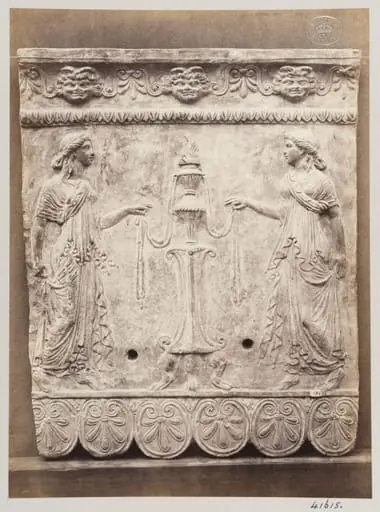 Bas-relief portion of a frieze of two draped females and an altar in terra cotta
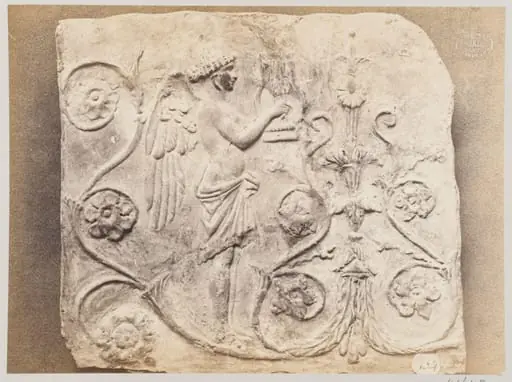 Bas-relief of a geni and a lyre in terra cotta
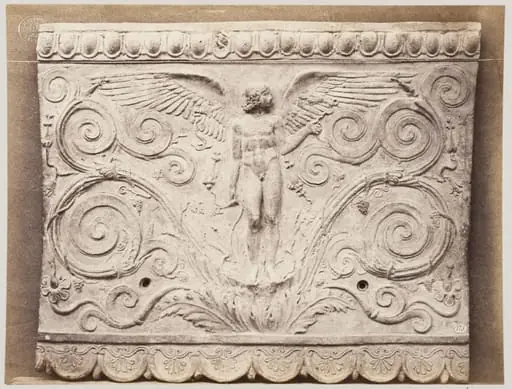 Bas-relief of a portion of frieze of Eros with scrollwork in terra cotta
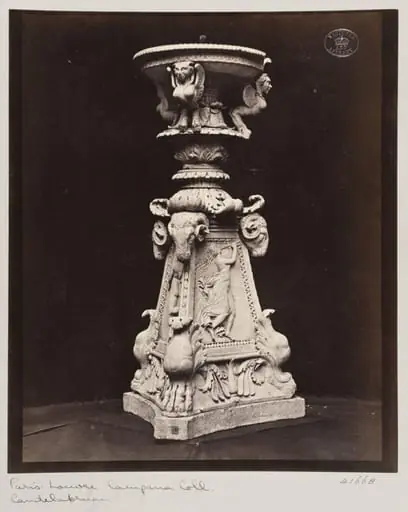 Marble sculptured fountain
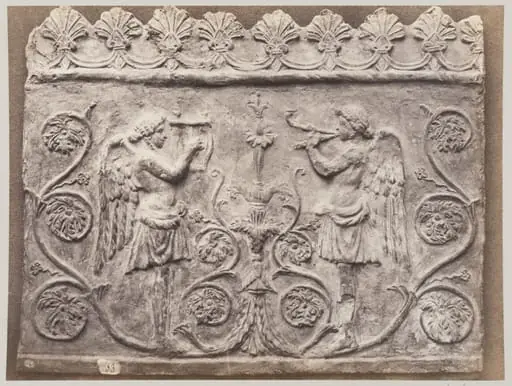 Bas-relief portion of frieze of Genii with double flutes and lyre
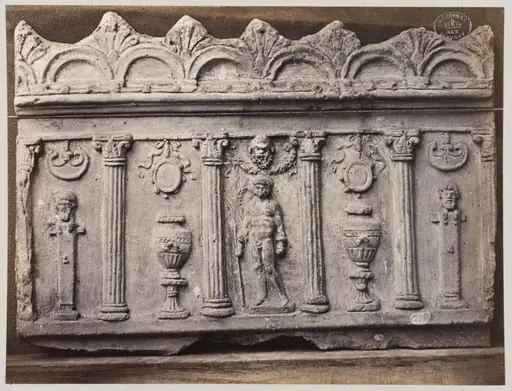 Bas-relief of a figure with bust, vessels and columns in terra cotta
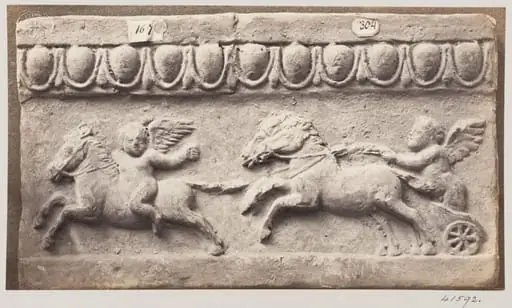 Bas-relief of a portion of a frieze in terra cotta depicting winged cupids and chariot and horses
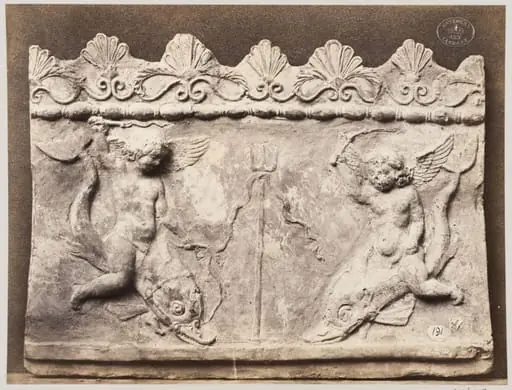 Bas-relief of two figures of Neptune in terra cotta
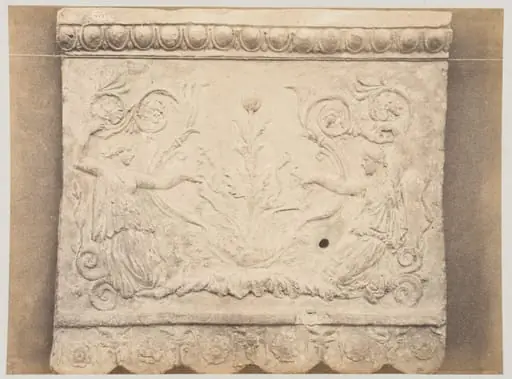 Bas-relief portion of frieze of nymphs with scrollwork in terra cotta
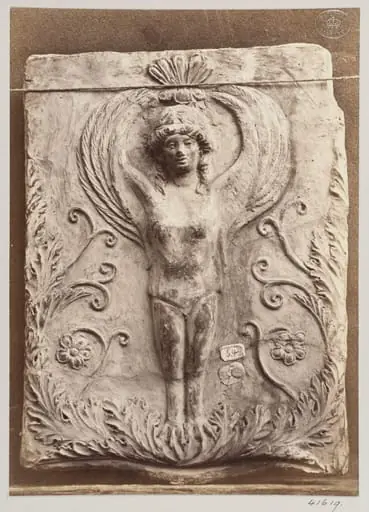 Bas-relief of a Siren in terra cotta
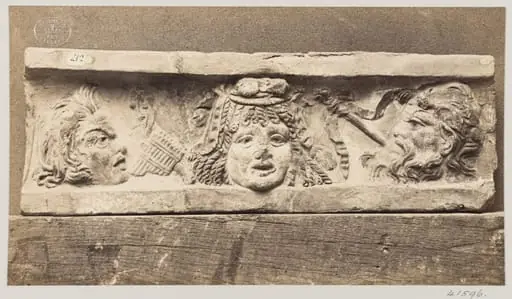 Bas-relief of three masques in terra cotta
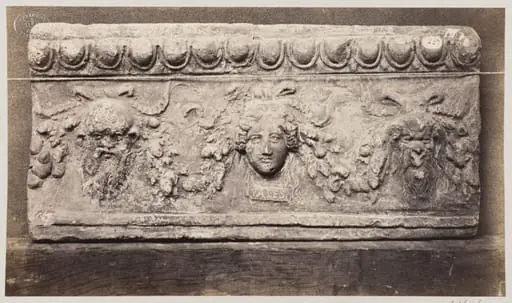 Bas-relief of three baccanalian masques in terra cotta
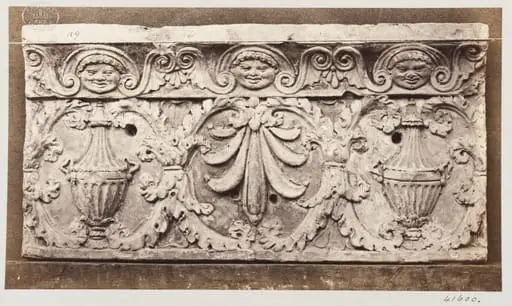 Bas-relief of portion of frieze with acanthus ornament enclosing vases and honesuckle in terra cotta
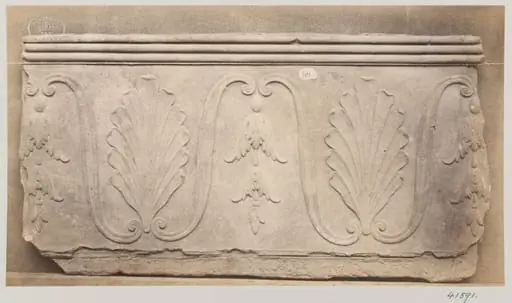 Bas-relief of a portion of a frieze depicting a palmetto and foliage in terra cotta