Artwork
Enamelled earthenware statuette of a child
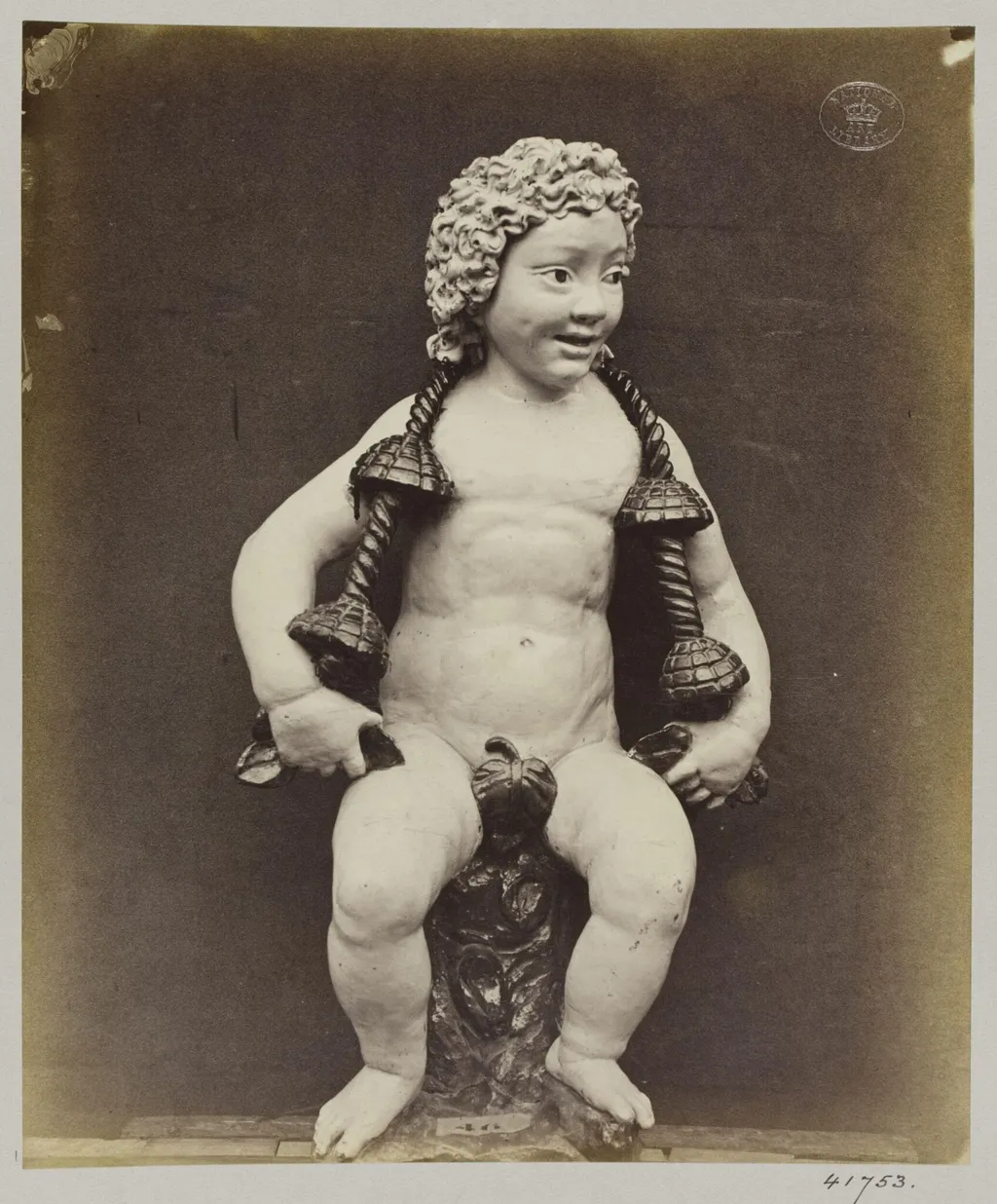
Enamelled earthenware statuette of a child is a photographic photography by the Impressionist artist Louise Laffon. It dates from 1864 and is held in the collection of the Victoria and Albert Museum.
About this work
It was made between 1863 and 1864 by Louise Laffon, a French photographer.
This small photograph shows a child figure called a putto. It was made between 1863 and 1864 by Louise Laffon, a French photographer. The work sits in both Impressionism and Realism.
Laffon is rarely talked about today but was active in early photography. The Victoria and Albert Museum started collecting photos in 1852. This piece shows how photography was used for art training early on.
See more early photos at the Victoria and Albert Museum.
Overview
This small photograph, created between 1863 and 1864 by French photographer Louise Laffon, depicts a child figure known as a putto. The work straddles Impressionism and Realism, reflecting early photographic explorations of artistic styles.
Subject & Meaning
The subject, a putto (a mythological child figure often symbolizing innocence and youth), was a common motif in art. Laffon's photographic rendition served dual purposes: as an artistic piece and as a resource for art education and training, aligning with the V&A's mission to utilize photography for educational enhancement.
Technique & Style
Laffon's technique in this photograph blends the immediacy of Realism with the softer, more nuanced qualities associated with Impressionism. The enamelware statuette's details are sharply captured, yet the overall effect is one of gentle, natural light, characteristic of transitional photographic styles of the mid-19th century.
History & Provenance
Acquired by the Victoria and Albert Museum in 1864 as part of a larger purchase of 500 works from Laffon's series on the Campana Collection, this photograph was sourced through agent Monsieur E. Cappe. It was part of the museum's pioneering effort to collect and exhibit photographs for artistic and educational purposes.
Context
Created during a pivotal moment in photography's history, this work reflects the medium's growing acceptance as both an art form and a tool for education. The V&A's early adoption of photography (starting in 1852) and Laffon's involvement highlight the intersection of artistic innovation and institutional vision in mid-19th century London and Paris.
Legacy
Though Louise Laffon is lesser-known today, her contributions to early photography, particularly in the context of the V&A's collections, underscore the significant yet often overlooked role of female photographers in the development of the medium. This photograph remains a testament to the V&A's forward-thinking approach to photography's educational and artistic potential.
Artist & collection
Artist
Louise Laffon (1828–1885), was a French photographer and painter. She was one of the first female professional photographers in France. She had a studio in Paris between 1859 and 1876.

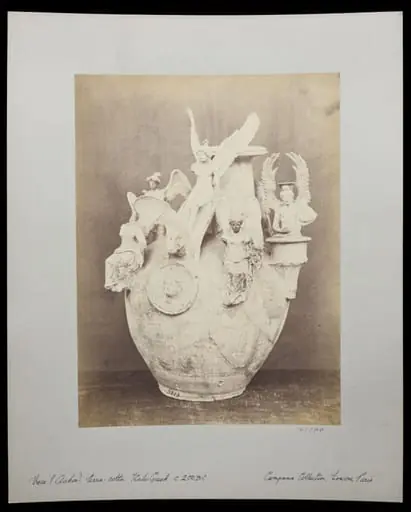 Perfume Burner in terra cotta
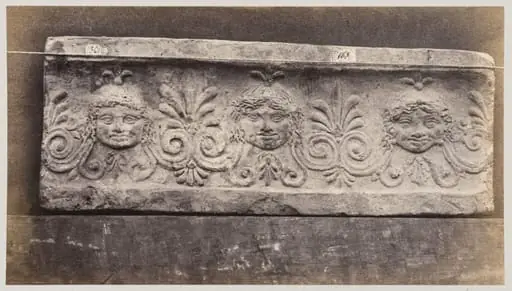 Three masques of gorgons in terra cotta
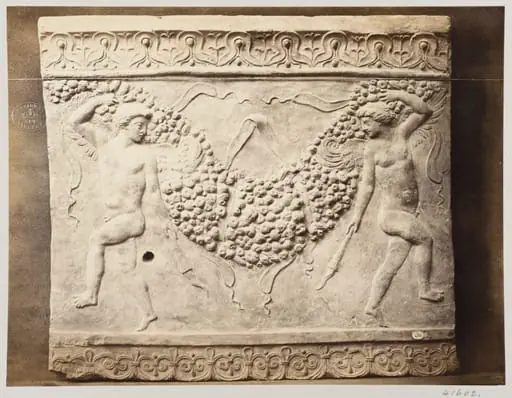 Bas-relief of portion of frieze of dancing figures with torches bearing festoon of fruit in terra cotta
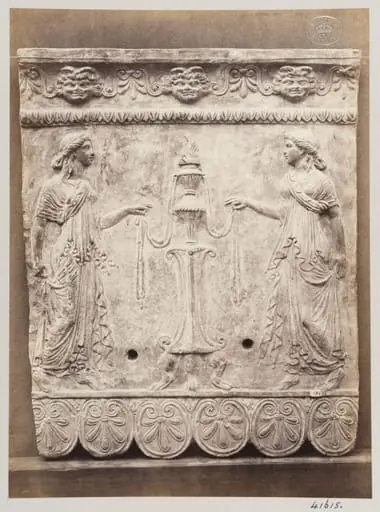 Bas-relief portion of a frieze of two draped females and an altar in terra cotta
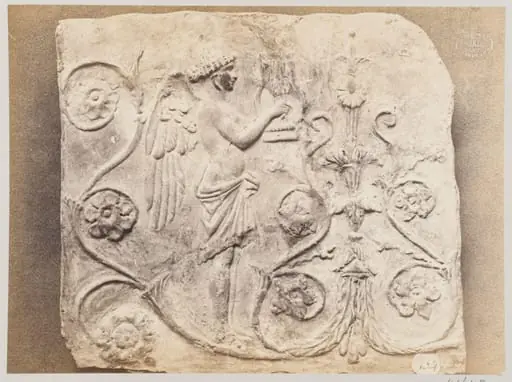 Bas-relief of a geni and a lyre in terra cotta
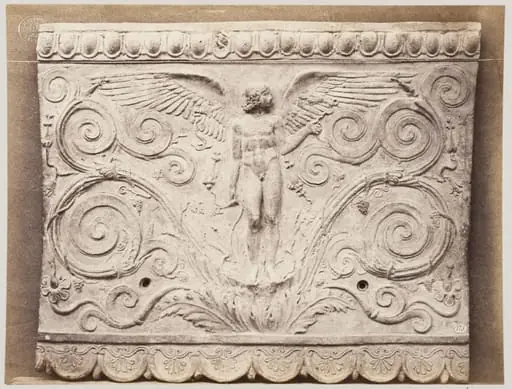 Bas-relief of a portion of frieze of Eros with scrollwork in terra cotta
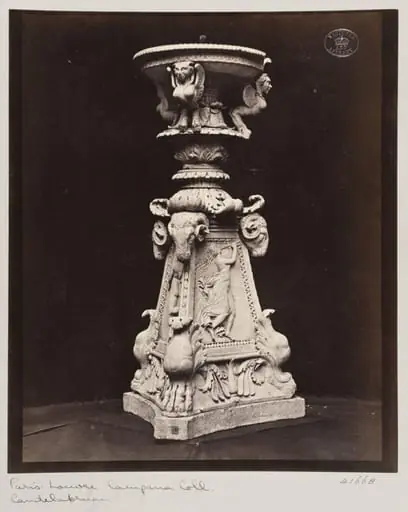 Marble sculptured fountain
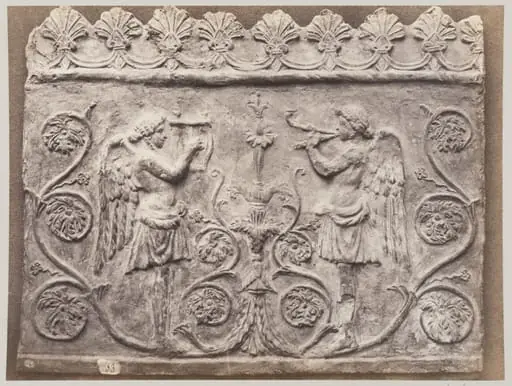 Bas-relief portion of frieze of Genii with double flutes and lyre
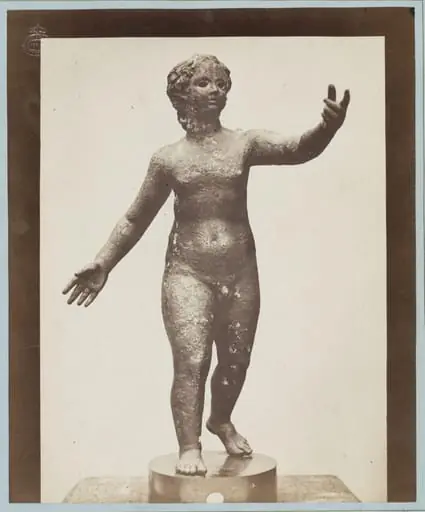 Bronze statuette of a child
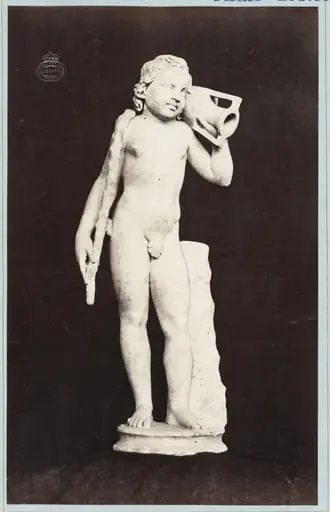 Infant Hercules statuette in marble
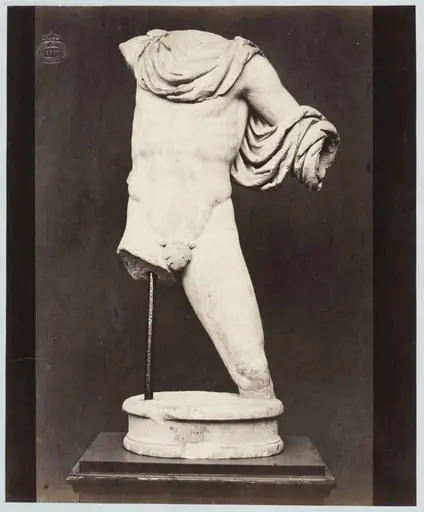 Fragment of a small marble statue
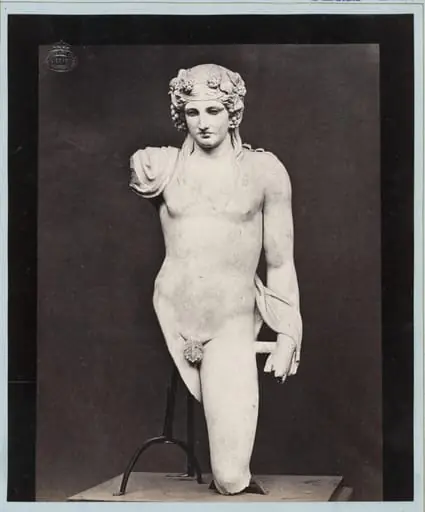 Fragment of a marble statue of Baccus
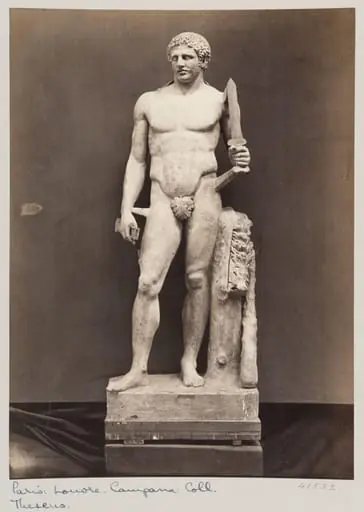 Marble Statue of Theseus
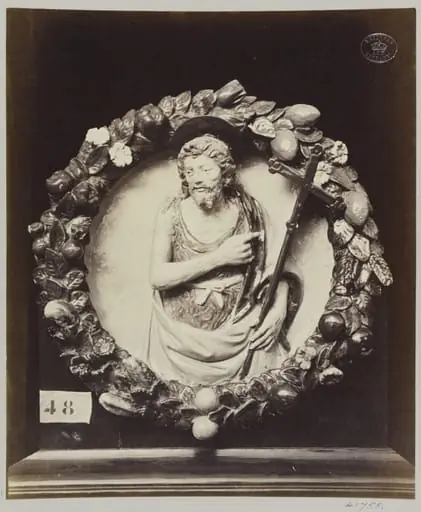 Enamelled earthenware bas-relief medallion of Saint John the Baptist
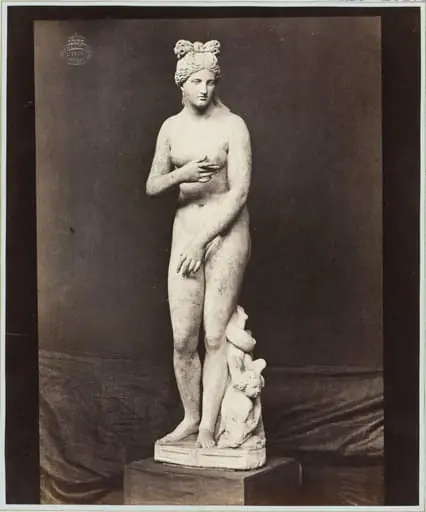 Marble Statue of Venus de Medici
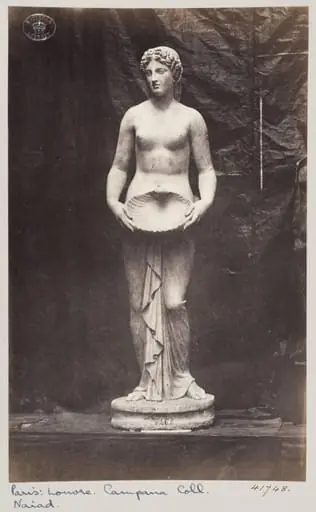 Marble statue of a Naïade
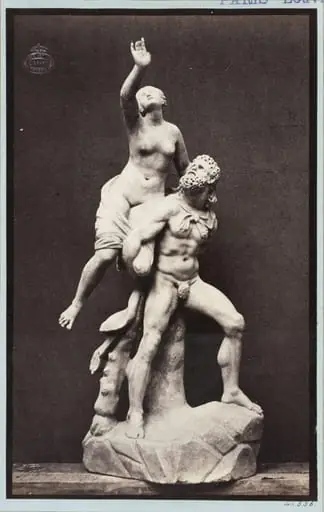 Hercules and Dejanira statuette group in marble