Artwork
Marble bust of Germanicus, son of Drusus
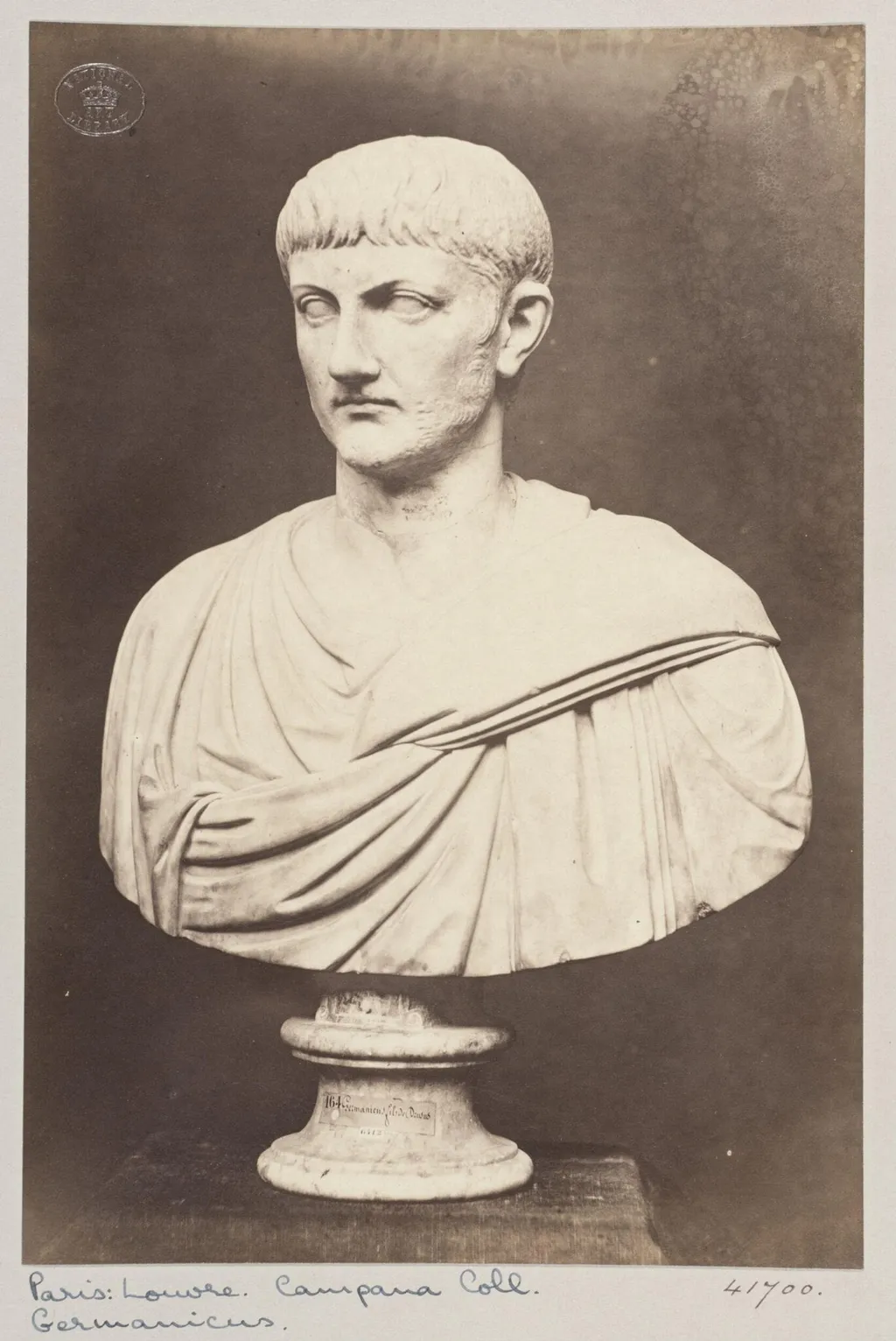
Marble bust of Germanicus, son of Drusus is a photographic photography by the Impressionist artist Louise Laffon. It dates from 1864 and is held in the collection of the Victoria and Albert Museum. This photograph, taken between 1863 and 1864, captures a marble bust of Germanicus, a Roman nobleman and military leader.
About this work
This is a photograph from 1863-64. It shows a marble bust of Germanicus, son of Drusus. It was made by a French photographer named Louise Laffon.
Laffon’s photo fits both Impressionism and Realism. It sits in London’s Victoria and Albert Museum, a pioneer in collecting photos.
She worked in an era when museums first used photos to teach artists and students.
Overview
The image reflects the museum’s early commitment to using photography as an educational tool, supplementing physical artifacts with reproducible visual records.
This photograph, taken between 1863 and 1864, captures a marble bust of Germanicus, a Roman nobleman and military leader. Created by French photographer Louise Laffon, it was acquired by the Victoria and Albert Museum in 1864 as part of a larger acquisition of 500 images from Laffon’s documentation of the Campana Collection. The image reflects the museum’s early commitment to using photography as an educational tool, supplementing physical artifacts with reproducible visual records.
Subject & Meaning
The bust depicts Germanicus, son of Drusus and adopted son of Emperor Tiberius, a celebrated figure in Roman history known for his military campaigns and popularity among the people. The photograph does not interpret the subject symbolically but preserves its formal qualities—facial features, drapery, and surface texture—allowing scholars and students to study Roman portraiture without direct access to the original sculpture in Paris.
Technique & Style
Laffon’s photograph employs a straightforward, documentary approach, emphasizing clarity and detail over artistic embellishment. The lighting is even, the composition centered, and the tonal range carefully controlled to render the marble’s surface with precision. While sometimes associated with Realism for its fidelity, the image avoids the emotional or atmospheric qualities of Impressionism, aligning more closely with the museum’s utilitarian goals for photographic documentation.
History & Provenance
The photograph originated in a series Laffon produced for the Musée Napoléon III in Paris, documenting antiquities from the Campana Collection. In 1864, the South Kensington Museum (later the V&A) purchased 500 of these images through Parisian agent E. Cappe. Laffon, one of the earliest professional female photographers in France, contributed to a growing network of image suppliers whose work helped shape the museum’s visual archive during its formative years.
Context
During the 1860s, the V&A was pioneering the use of photography in art education, viewing images as essential resources for designers, artisans, and students. The museum’s photographic collection, initially housed with the National Art Library, was intended for study rather than display. Laffon’s work exemplifies how institutions relied on independent photographers—especially women—to expand access to continental collections, bridging geographic and material gaps in artistic training.
Legacy
Laffon’s photograph remains part of the V&A’s foundational photographic holdings, illustrating the museum’s early institutional strategy of using reproducible imagery to democratize access to art. Her role as a female photographer in a male-dominated field, and her contribution to a major museum collection, highlights the often-overlooked professional networks that supported the rise of photography as a scholarly medium in the 19th century.
Artist & collection
Artist
Louise Laffon (1828–1885), was a French photographer and painter. She was one of the first female professional photographers in France. She had a studio in Paris between 1859 and 1876.

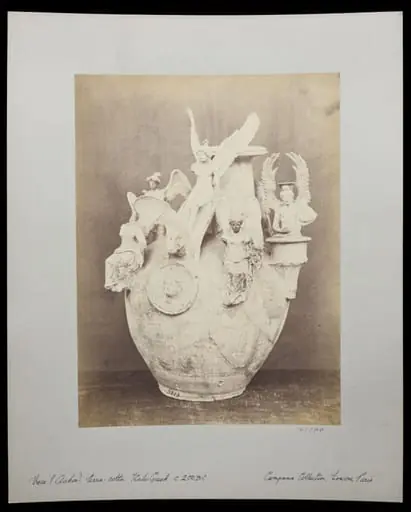 Perfume Burner in terra cotta
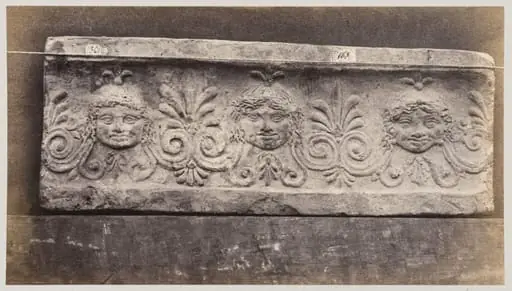 Three masques of gorgons in terra cotta
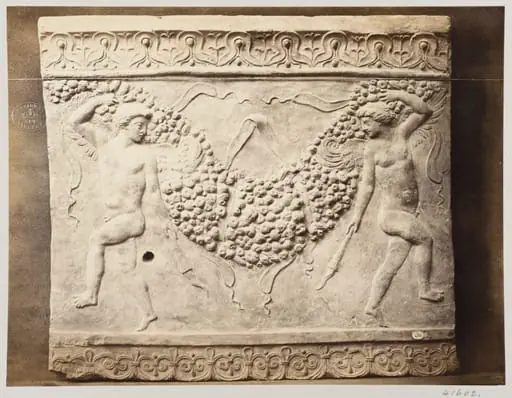 Bas-relief of portion of frieze of dancing figures with torches bearing festoon of fruit in terra cotta
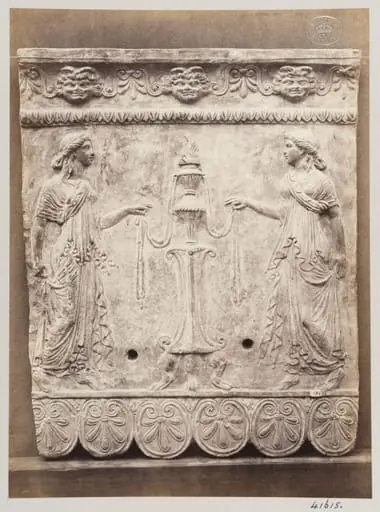 Bas-relief portion of a frieze of two draped females and an altar in terra cotta
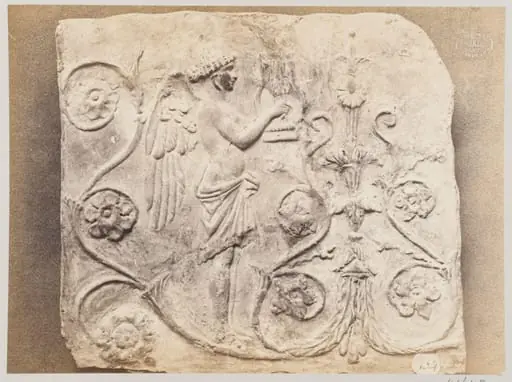 Bas-relief of a geni and a lyre in terra cotta
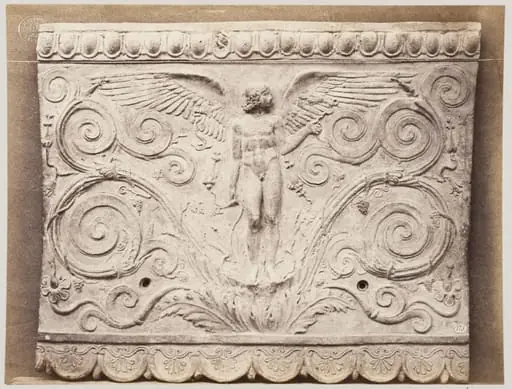 Bas-relief of a portion of frieze of Eros with scrollwork in terra cotta
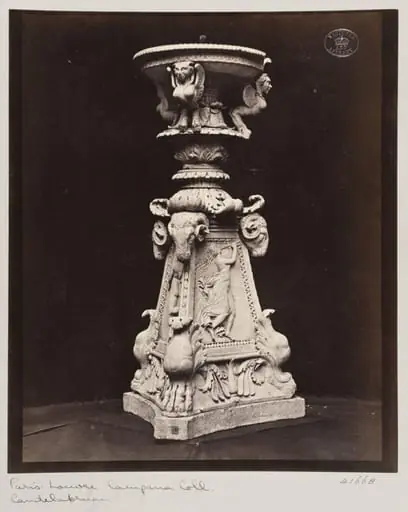 Marble sculptured fountain
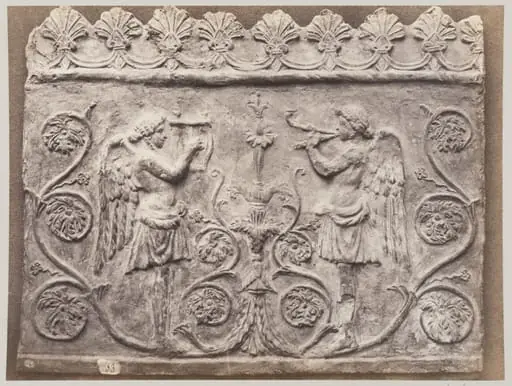 Bas-relief portion of frieze of Genii with double flutes and lyre
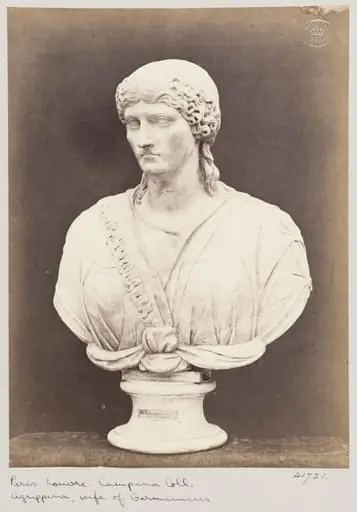 Marble bust of Agrippina, wife of Germanicus
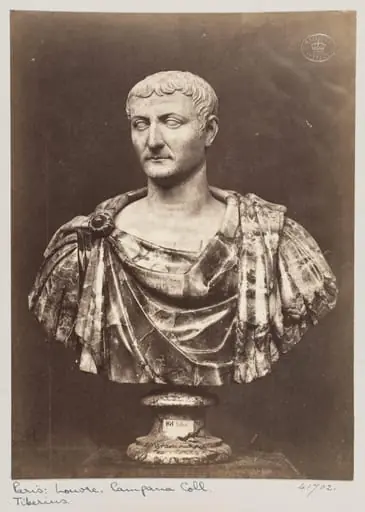 Marble bust of the Emperor Tiberius
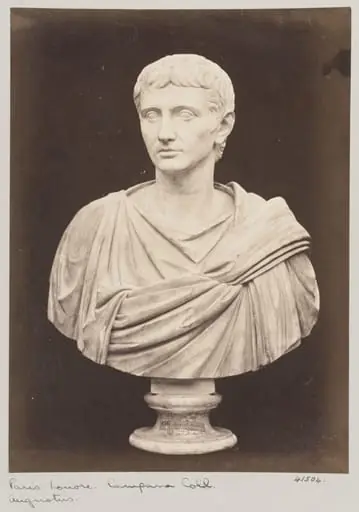 Marble Bust of the Emperor Augustus
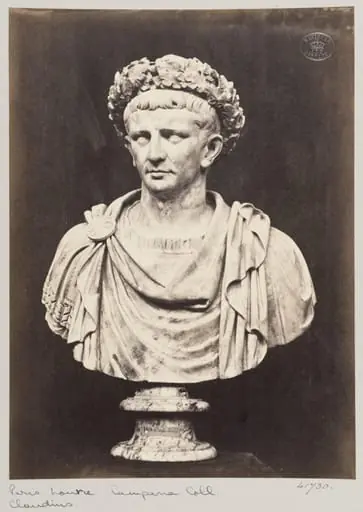 Marble bust of the Emperor Claudius
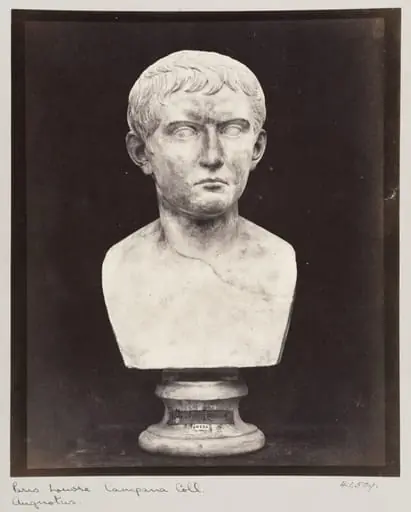 Marble Bust of the Emperor Octavius Augustus
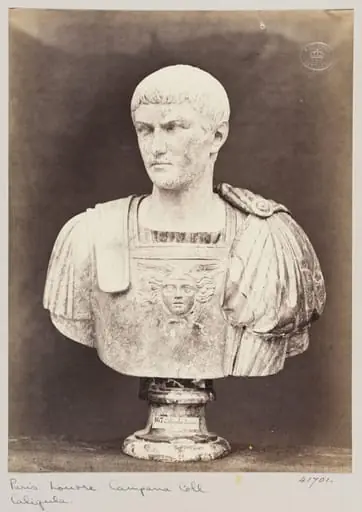 Marble bust of the Emperor of Caligula
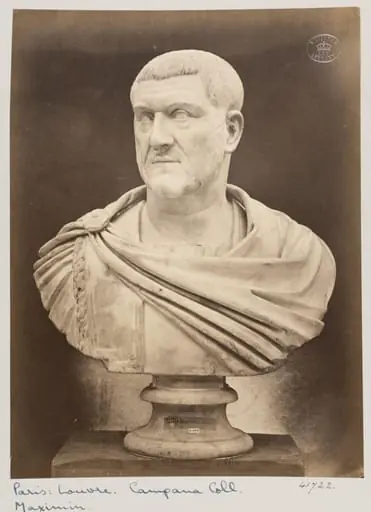 Marble bust of the Emperor Maximian
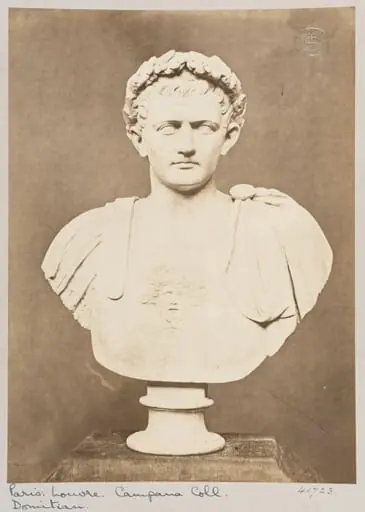 Marble bust of the Emperor Domitian
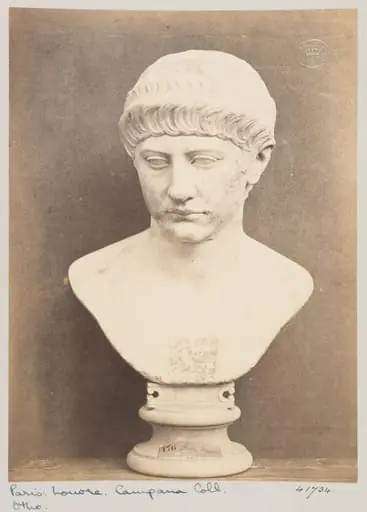 Marble bust of the Emperor Othon
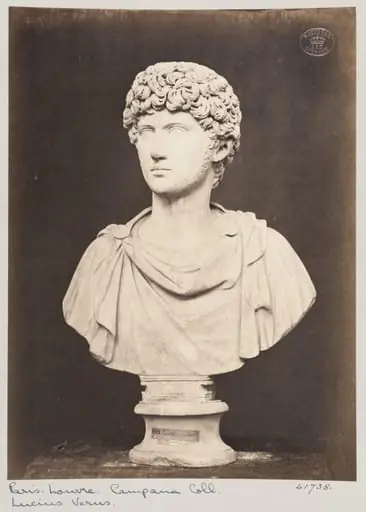 Marble bust of Lucius Verus
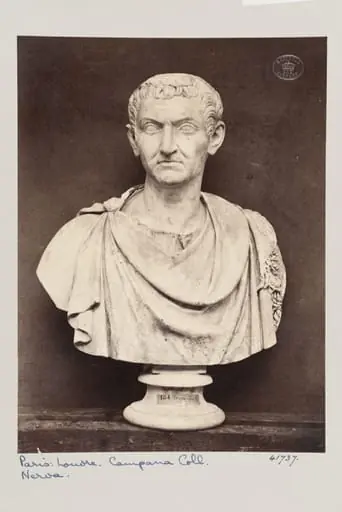 Marble bust of the Emperor Nerva