Artwork
Marble Statue of Lucius Verus
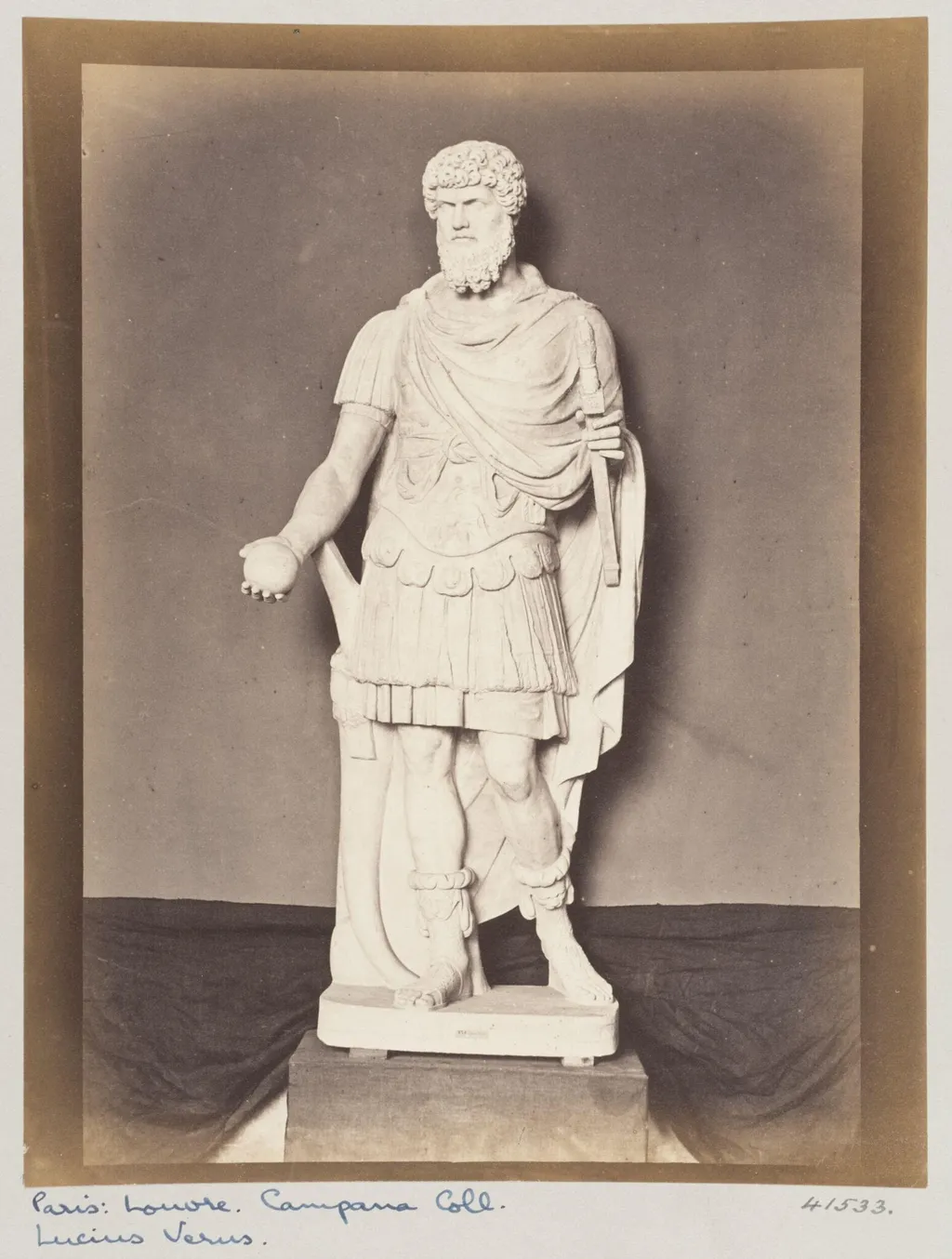
Marble Statue of Lucius Verus is a photographic photography by the Impressionist artist Louise Laffon. It dates from 1864 and is held in the collection of the Victoria and Albert Museum.
About this work
This photo shows a marble statue of a Roman figure. It was shot between 1863 and 1864 by Louise Laffon, a French photographer. The work is tied to Impressionism and Realism.
The Victoria and Albert Museum holds this image. Back in 1852, the museum became the first to collect and later exhibit photographs.
Check out more works by Louise Laffon.
Overview
This photograph, taken between 1863 and 1864 by Louise Laffon, captures a marble statue of Lucius Verus.
This photograph, taken between 1863 and 1864 by Louise Laffon, captures a marble statue of Lucius Verus. It was acquired by the Victoria and Albert Museum in 1864 as part of a batch of 500 images sourced from Laffon’s documentation of the Campana Collection in Paris. The image was intended for educational use, supporting the museum’s early commitment to photography as a tool for study and documentation rather than artistic expression.
Subject & Meaning
The statue depicts Lucius Verus, co-emperor of Rome with Marcus Aurelius in the second century CE. Laffon’s photograph does not interpret the figure symbolically but records its physical presence with precision. The image serves as a visual archive, preserving the statue’s form for scholars and students who could not access the original in Paris. Its value lies in its function as a documentary record, not as a commentary on imperial power or identity.
Technique & Style
Laffon employed the albumen print process, common in mid-19th-century photographic documentation. The image exhibits careful lighting and composition, emphasizing the statue’s contours and surface texture without dramatic flair. The style is restrained and objective, aligning with the museum’s goal of creating accurate visual references. There is no attempt at artistic embellishment; the focus remains on fidelity to the object.
History & Provenance
The photograph was produced as part of Laffon’s project to document the Campana Collection at the Musée Napoléon III. In 1864, the V&A purchased 500 images from this series through the Parisian agent E. Cappe. Laffon, one of the earliest recognized female photographers in France, contributed to institutional efforts to build visual reference collections. The image entered the V&A’s holdings as part of its National Art Library photography archive, later integrated into the museum’s broader collections.
Context
The V&A, then the South Kensington Museum, was the first institution to systematically collect photographs, beginning in 1852. Under Henry Cole’s leadership, photography was embraced as a practical aid for artists and designers. Laffon’s work was one of many contributions from professional photographers, both institutional and independent, who helped expand the museum’s visual resources. Her role reflects the quiet but essential participation of women in early museum-based photographic practice.
Legacy
Laffon’s photographs, including this one, remain part of the V&A’s historical archive, illustrating the museum’s pioneering role in using photography for scholarly purposes. Her work contributes to the broader recognition of women in the early history of photographic documentation. While not widely exhibited as art, these images continue to serve as vital records of 19th-century collections and the evolving methods of art historical preservation.
Artist & collection
Artist
Louise Laffon (1828–1885), was a French photographer and painter. She was one of the first female professional photographers in France. She had a studio in Paris between 1859 and 1876.

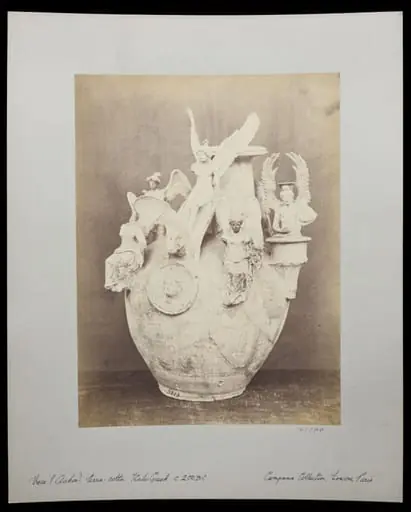 Perfume Burner in terra cotta
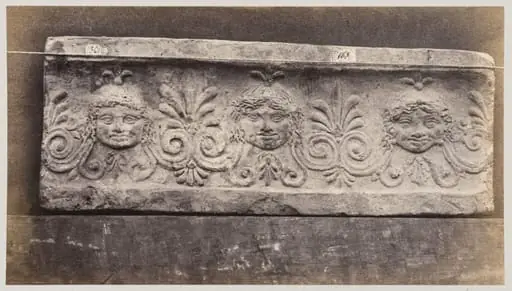 Three masques of gorgons in terra cotta
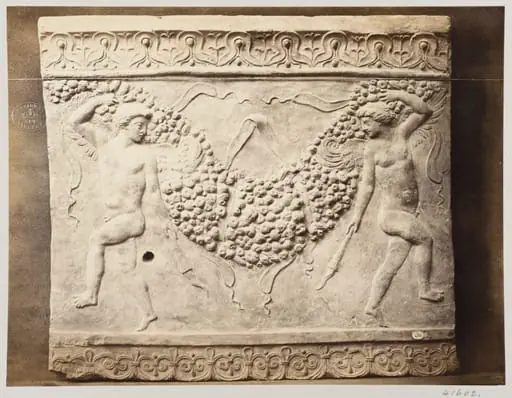 Bas-relief of portion of frieze of dancing figures with torches bearing festoon of fruit in terra cotta
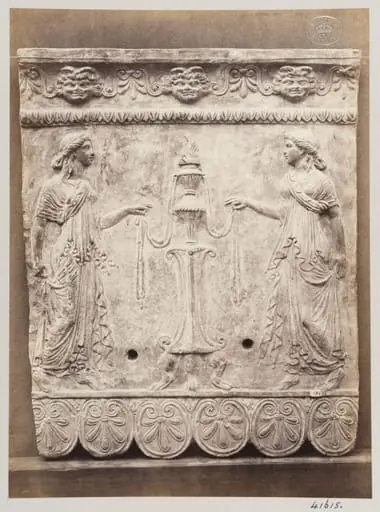 Bas-relief portion of a frieze of two draped females and an altar in terra cotta
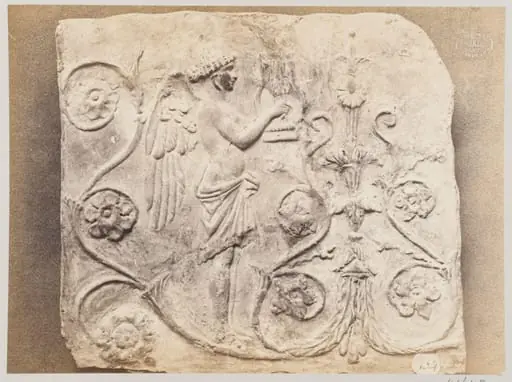 Bas-relief of a geni and a lyre in terra cotta
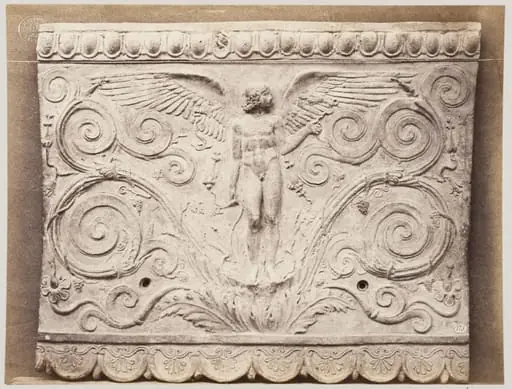 Bas-relief of a portion of frieze of Eros with scrollwork in terra cotta
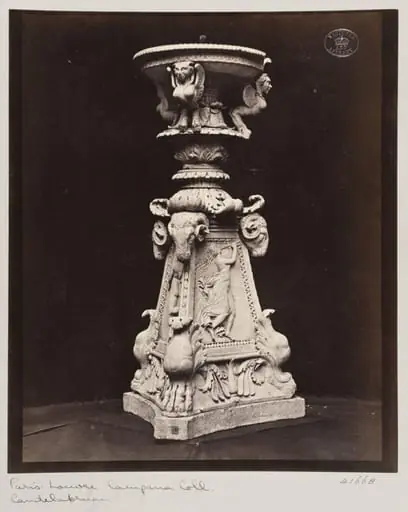 Marble sculptured fountain
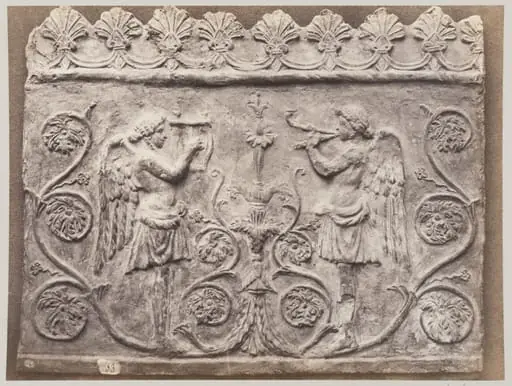 Bas-relief portion of frieze of Genii with double flutes and lyre
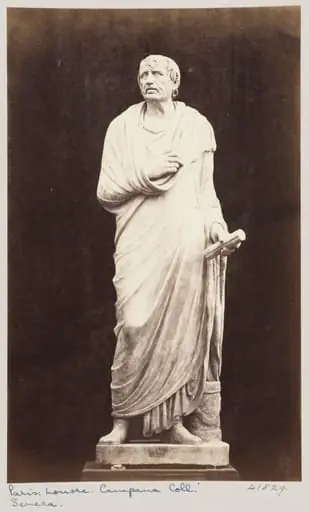 Marble Statue of Seneca
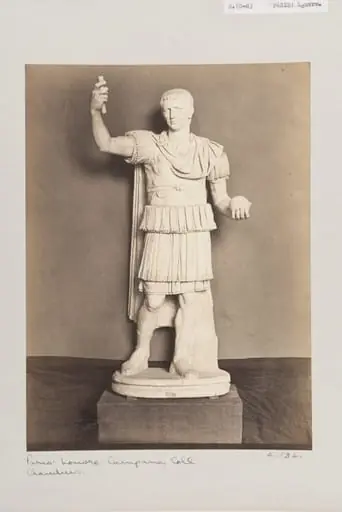 Marble Statue of Emperor Claudius
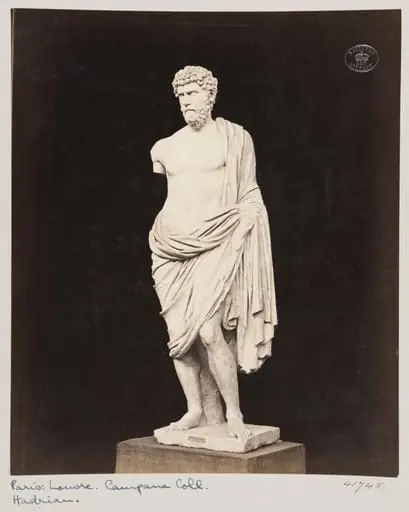 Marble statue of Aurelius Verus Ceasar
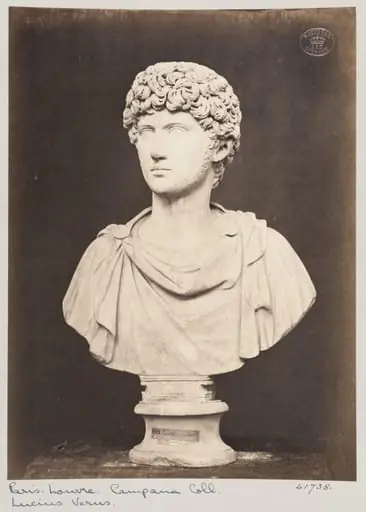 Marble bust of Lucius Verus
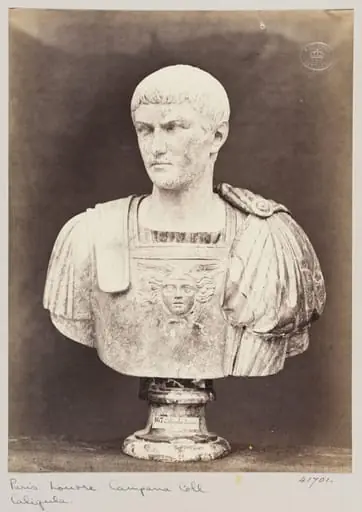 Marble bust of the Emperor of Caligula
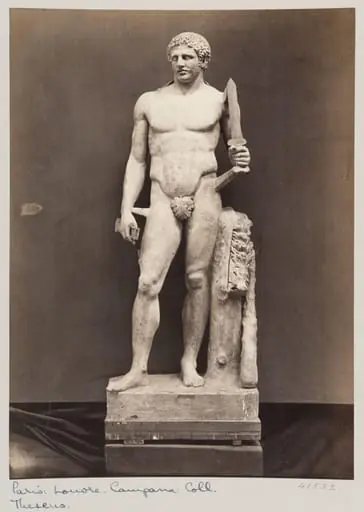 Marble Statue of Theseus
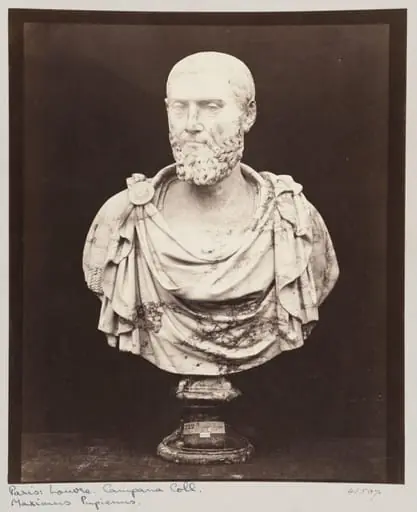 Marble Bust of the Emperor Pupienus
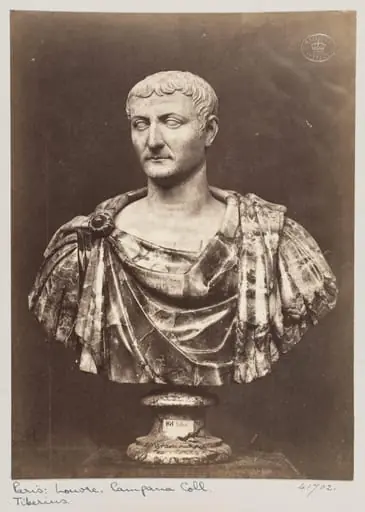 Marble bust of the Emperor Tiberius
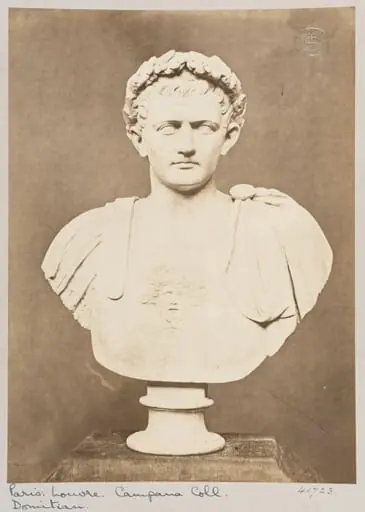 Marble bust of the Emperor Domitian
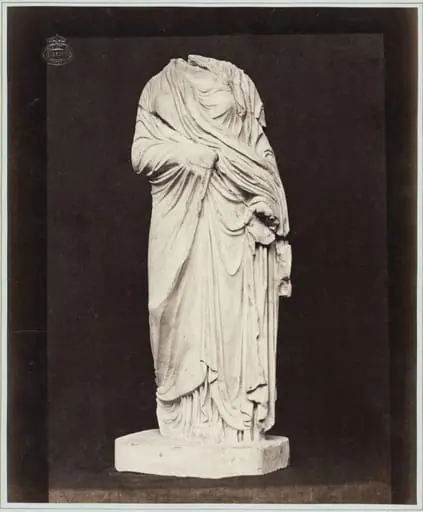 Marble statue of a headless draped figure
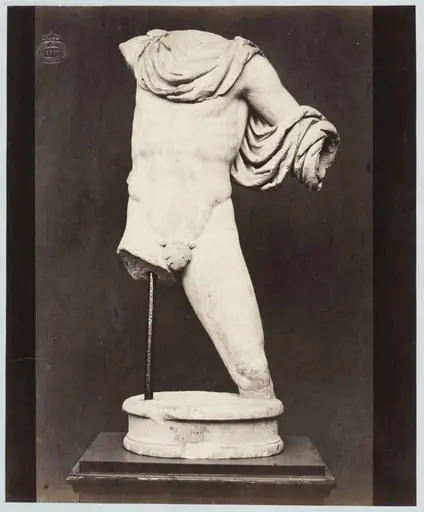 Fragment of a small marble statue